

The World These Towns Were Born Into
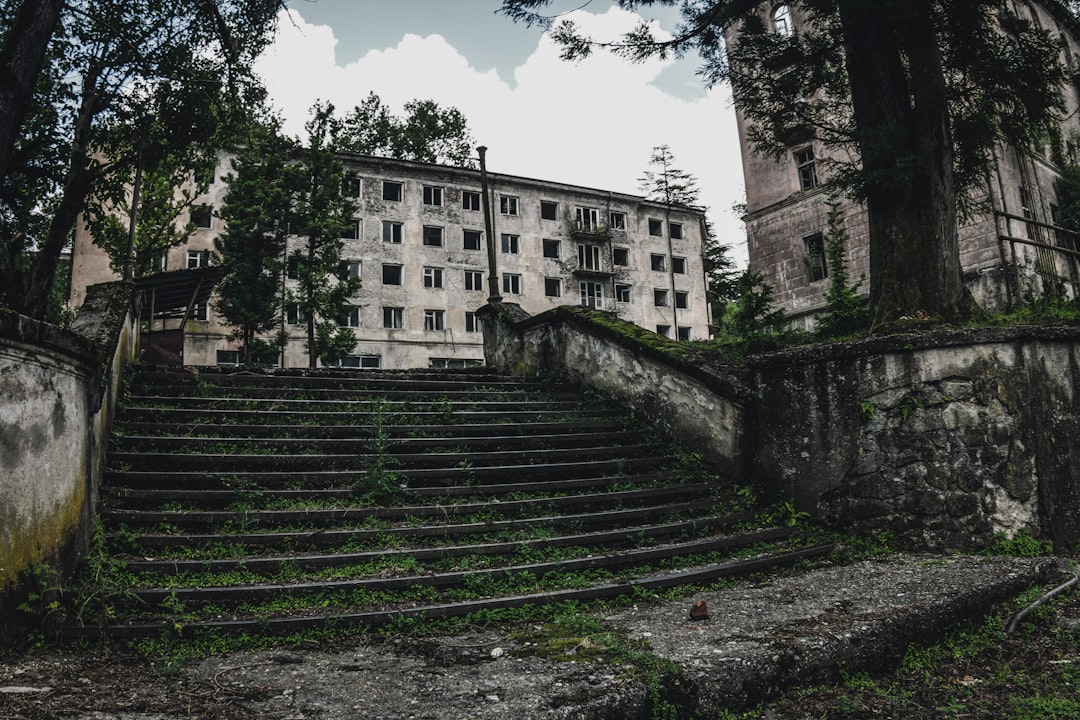
One of the most common reasons residents abandoned entire towns was that the industry supporting the community’s economy stopped operating – often because the natural resource it depended on had been depleted. In the mid-to-late 1800s in the United States, many small boomtowns founded by gold and silver miners were active for only a short period before the mines ran dry.
Ghost towns often result when the single activity or resource that created a boomtown – a nearby mine, mill, or resort – is depleted, or when the resource economy undergoes a sudden “bust.” A gold rush often brought intensive but short-lived economic activity to a remote village, only to leave a ghost town once the resource was gone.
The majority of America’s ghost towns date from the 1880 to 1940 period of westward expansion and industrialization. The pattern repeated itself so reliably it almost became a formula: discovery, investment, population surge, depletion, exodus. What no one anticipated was that some of these places would become permanently off-limits, not just economically dead but physically dangerous.
Gilman, Colorado: Poison in the Cliff
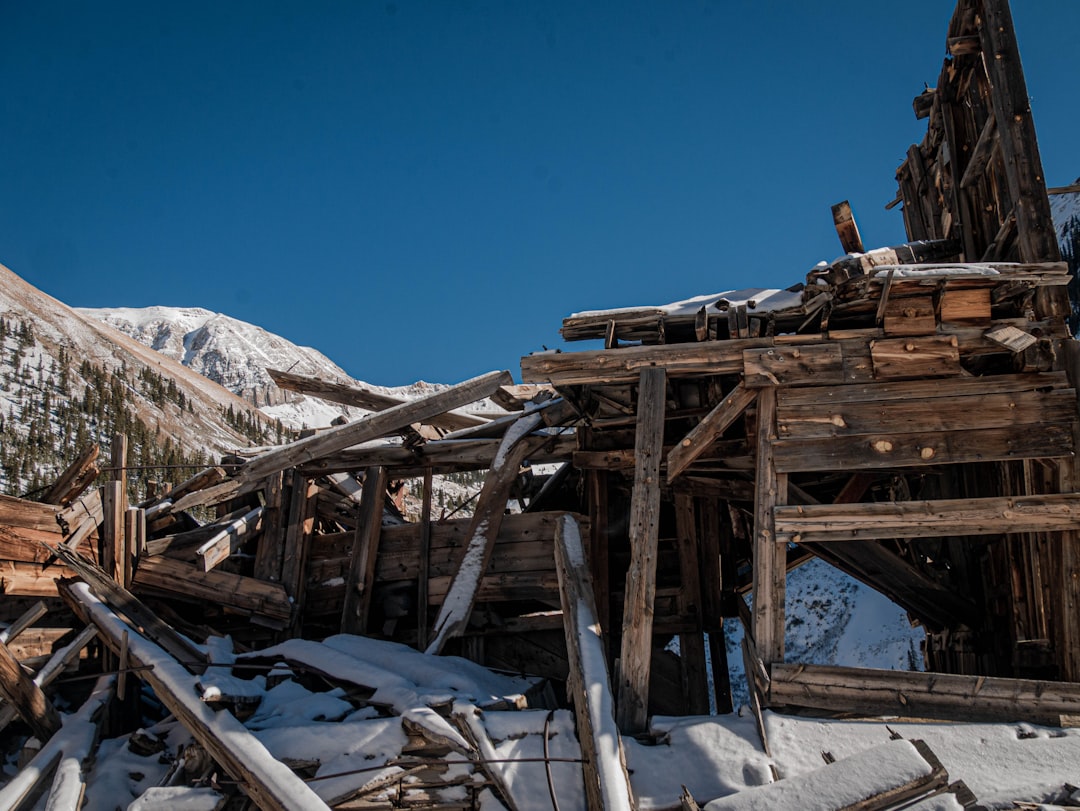
Gilman is an abandoned mining town in southeastern Eagle County, Colorado. Founded in 1886 during the Colorado Silver Boom, the town later became a center of lead and zinc mining, centered on the now-flooded Eagle Mine.
Gilman is unique among Colorado mining towns in that it was more or less active for more than a century, with over 70 years of active production. By 1972, around $328 million in mineral production had occurred there, and it was the state’s largest producer of zinc.
The town was abandoned in 1984 by order of the Environmental Protection Agency because of toxic pollutants, including contamination of the groundwater, as well as the unprofitability of the mines. It is currently a ghost town on private property and is strictly off limits to the public. After the mine’s closure, a 235-acre area – which included 8 million tons of mine waste – was designated a Superfund site by the EPA and placed on the National Priorities List in 1986.
Parts of Gilman remain toxic to this day, including the old mine, which contains noxious levels of arsenic, cadmium, copper, lead, and zinc. Perched precariously on a 600-foot cliff overlooking the Eagle River at an elevation of 8,950 feet, this abandoned mining town tells a story that goes far beyond rusted buildings and broken windows.
Centralia, Pennsylvania: The Town That Burns From Below
According to federal census records, Centralia reached its maximum population of 2,761 in 1890. At its peak, the town had seven churches, five hotels, 27 saloons, two theaters, a bank, a post office, and 14 general and grocery stores.
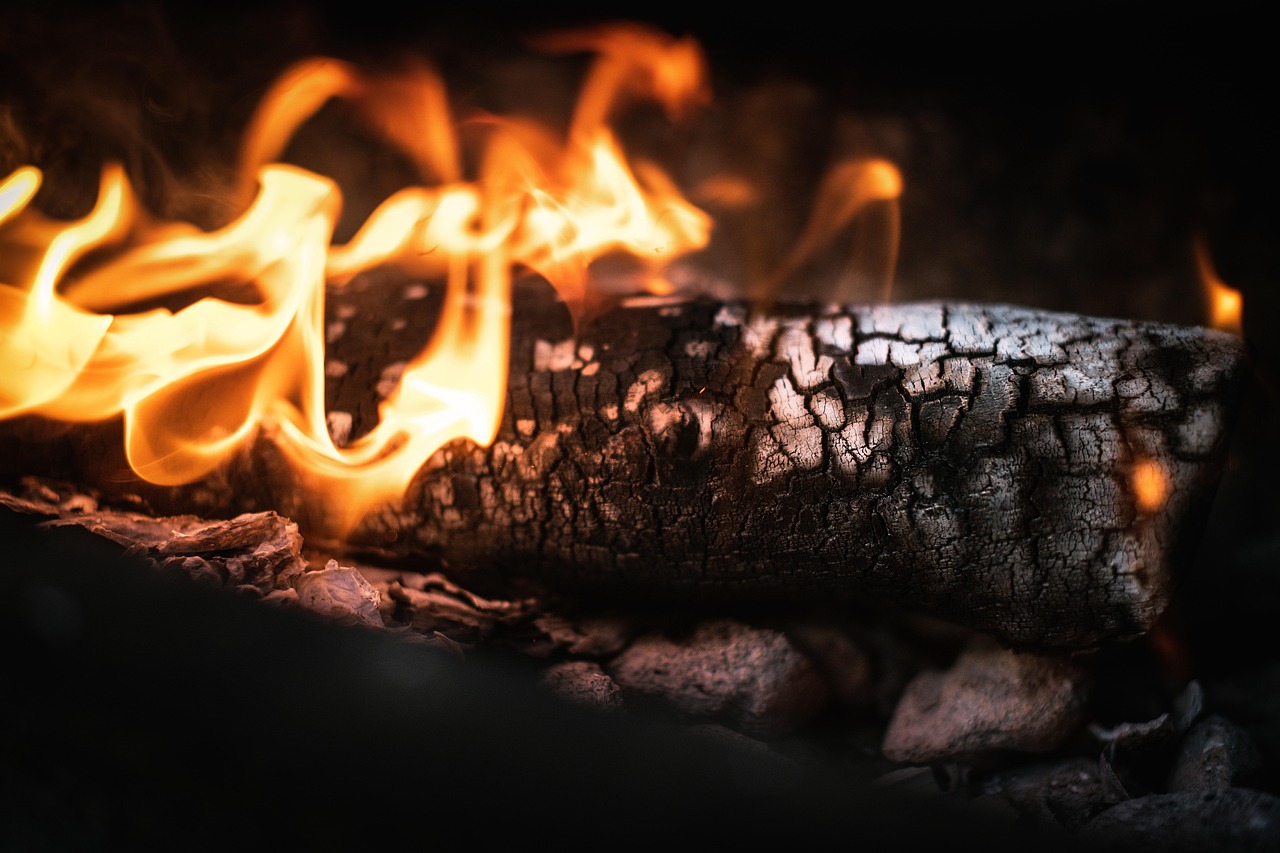
The origin of Centralia’s undoing dates back to May 1962, when a seemingly innocuous act of burning residential trash in an abandoned strip mining pit inadvertently ignited a coal seam. This fire found its way into the labyrinth of abandoned coal mines beneath the town, setting the stage for a disaster of unprecedented scale.
The fire is now burning at depths of up to 300 feet over an 8-mile stretch of 3,700 acres. At its current rate, it could continue to burn for over 250 years. The population declined from 1,000 in 1980 to just five residents in 2020 because of the coal mine fire burning beneath the borough since 1962.
The fire continues to spread at 50 to 75 feet per year, having already covered 400 acres, with projections suggesting it could eventually reach 3,700 acres. The town’s ZIP code was eliminated by the state, and the remaining five residents are permitted to stay only for the remainder of their own lifetimes.
Pripyat, Ukraine: The Nuclear Boomtown

Pripyat was a young city in Ukraine, built to accommodate the workers at the new nuclear power plant. It was vibrant and bustling with several schools, cafes, and tower blocks.
At 1:23 a.m. on April 26, 1986, a catastrophic meltdown took place inside reactor number four at the Soviet nuclear plant at Chernobyl. The explosion sent flames and radioactive material soaring into the skies over Pripyat. It took 36 hours before the town’s 49,000 residents were evacuated, and many later suffered severe health effects as a result of their brief exposure to the fallout.
Soviet authorities later sealed off an 18-mile exclusion zone surrounding Chernobyl, leaving Pripyat an abandoned ghost town. The whole area was contaminated with heavy metals and radioactive dust, and despite extensive work to clear the area, there are some parts that even today are dangerously radioactive.
The city left behind now exists like a chilling time capsule, with tiny chairs scattered in classrooms, peeling posters still left on walls, and forgotten dolls strewn on rusting beds. The creepiest site of all is the Pripyat Amusement Park, with its creaking Ferris wheel and dodgems.
Kennett, California: The Boomtown Beneath the Lake
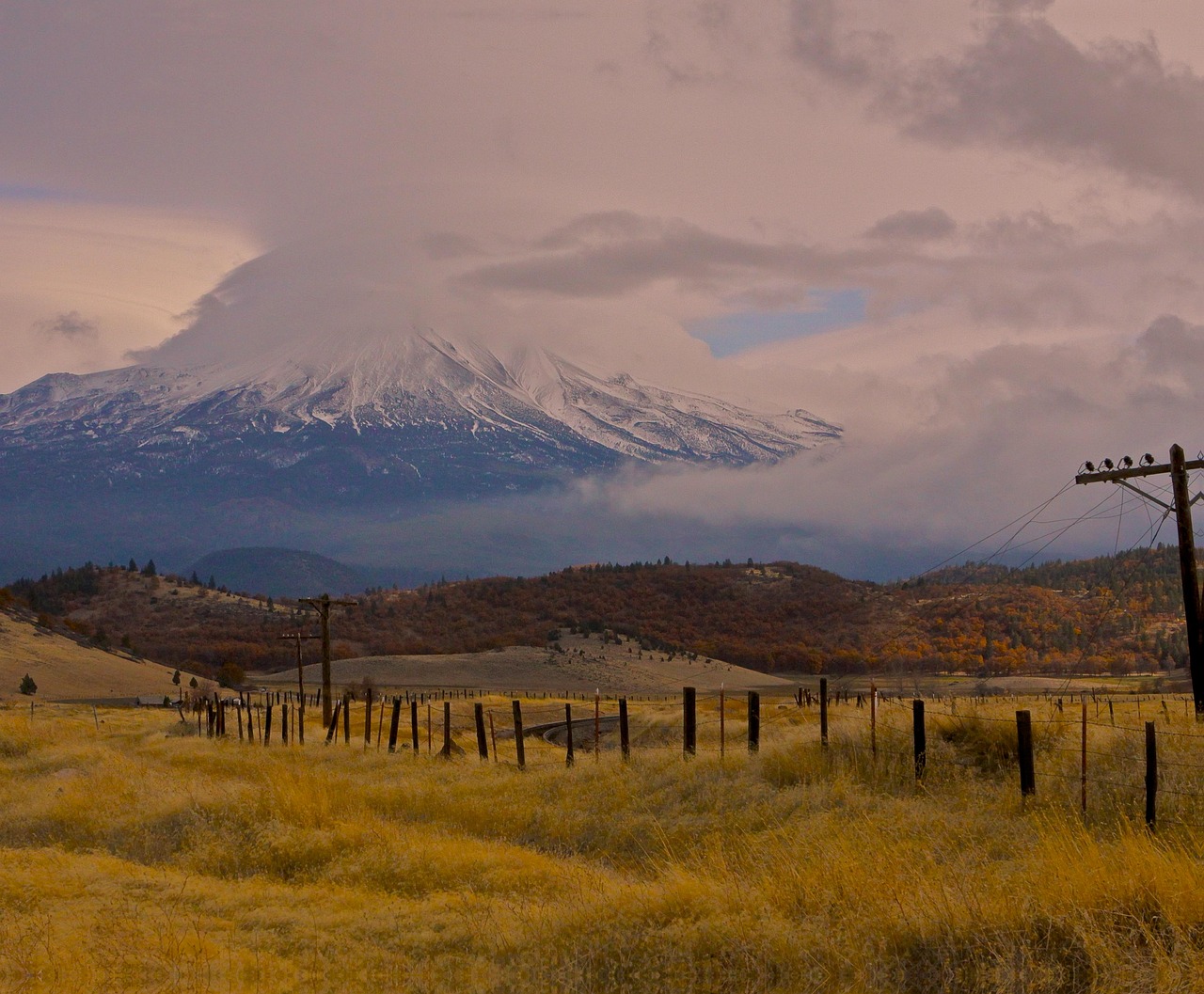
Like other gold rush towns in northern California, Kennett was established for mining and prospecting in the region in the 1850s. It wasn’t until a railroad camp was built in 1883, with over a thousand Chinese laborers, that the population began to rise substantially. Gold was discovered nearby the next year, and by 1911, 3,000 people lived in town.
The hills around the town were stripped and denuded by acid fumes from the largest copper smelter on the West Coast, and farmers in the valley 15 miles away launched legal action for destruction of their crops. The mines closed after the end of World War I, the smelter soon followed, and Kennett’s population fell over the next two decades.
The town now rests beneath 400 feet of water, along with many of the region’s smelters, paint factories, and mines, and their surrounding despoiled soils. Though the old mining town of Kennett was a faded relic of its boomtown self by the time it was flooded by Lake Shasta in 1944, it was still home to a hundred people.
The Four Drowned Towns of Swift River Valley, Massachusetts
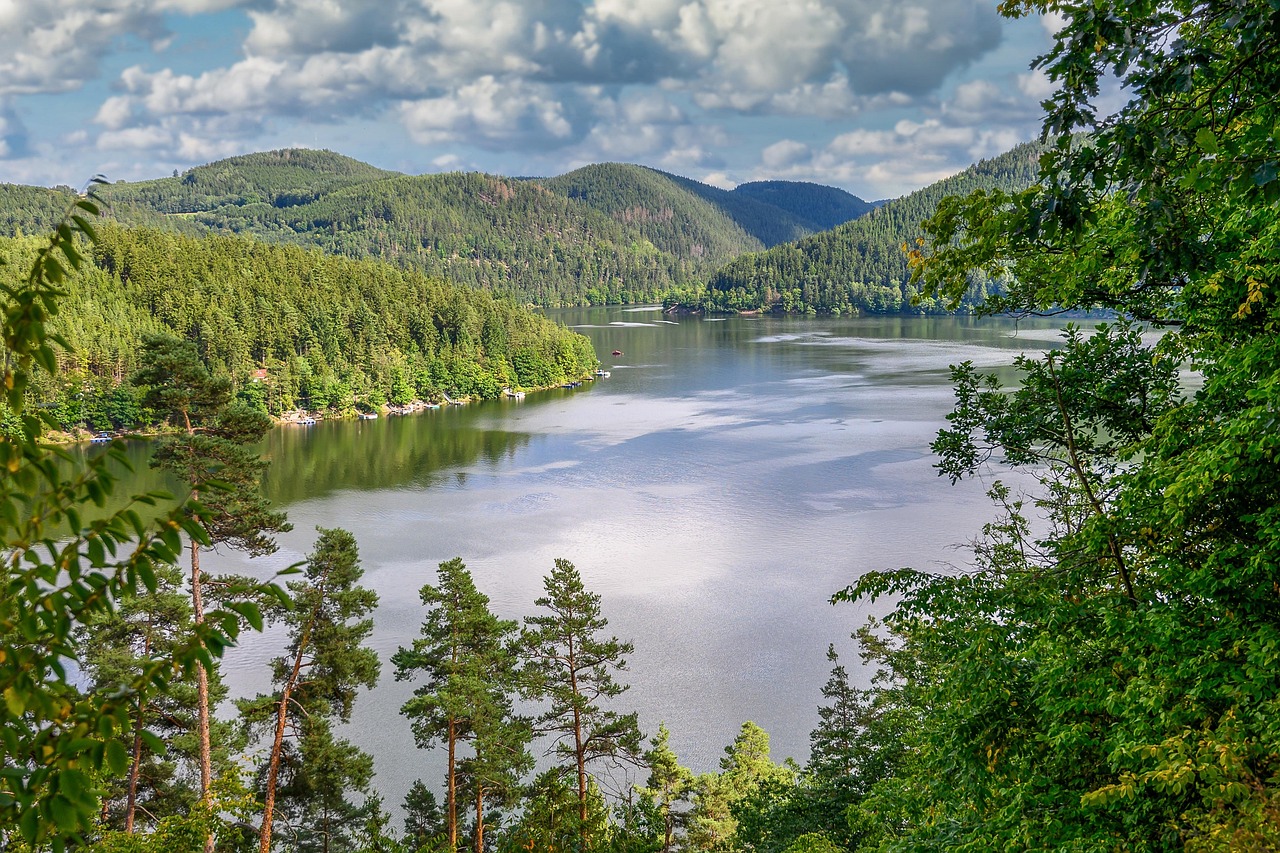
Dana, Enfield, Greenwich, and Prescott, Massachusetts were four towns in the Swift River Valley that were flooded in 1938 to create the Quabbin Reservoir, a water supply for the growing city of Boston and surrounding suburbs.
These towns were not randomly submerged. Their disappearance was part of a broader narrative about communities displaced for hydroelectric power, irrigation, flood control, and a 20th-century idea of progress.
Researcher Bob Reinhardt of Boise State University estimates that scores of towns in the western United States, hundreds across the country, and thousands globally have experienced similar fates. The Swift River Valley towns represent one of the most deliberate acts of erasure in New England history – nearly 2,500 people displaced and entire community histories submerged on government order.
What Boomtowns Left Behind
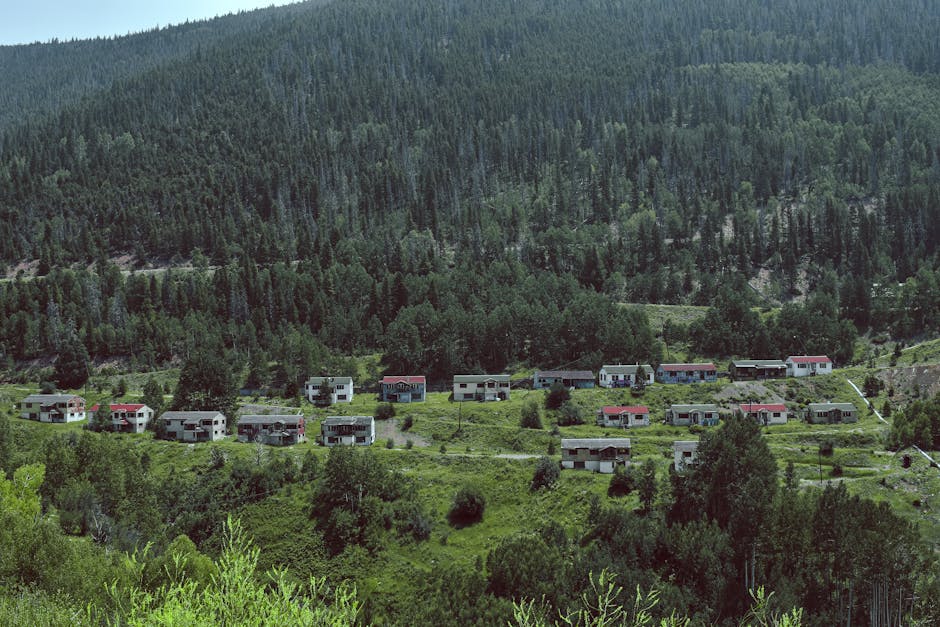
Common causes of abandonment include the exhaustion of natural resources such as minerals or timber, the rerouting of railways or roads, dam construction that isolates or floods a town, armed conflict, forced displacement, and environmental contamination.
Abandoned mining communities now face complex challenges balancing historical preservation against the urgent need to reclaim lands contaminated by toxic mining waste from copper, gold, and silver extraction. While some ghost towns have transformed into tourism destinations, others remain caught in environmental remediation efforts that must address century-old chemical hazards before any meaningful restoration can proceed.
When the Water Rose and Stayed
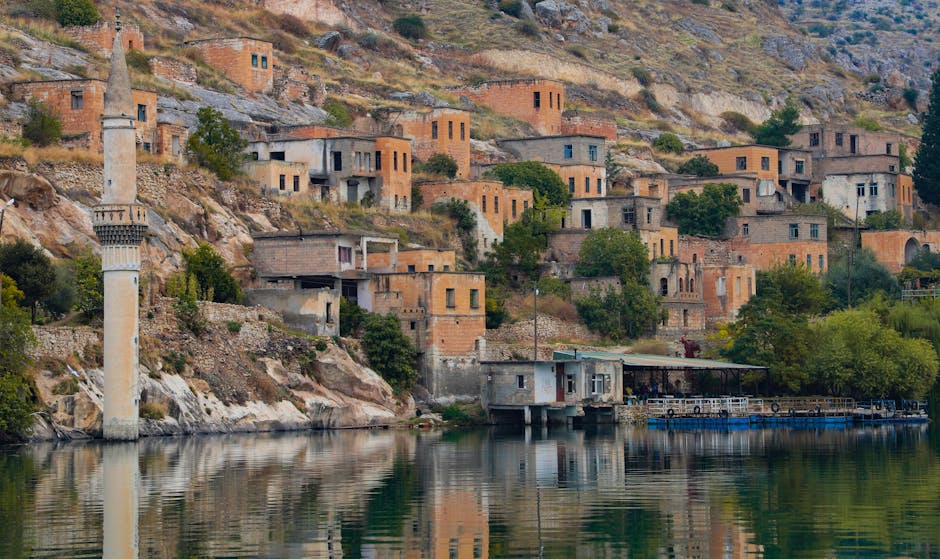
Beneath the placid surfaces of Appalachia’s man-made lakes lie the ghosts of communities that once thrived along river valleys. Forgotten towns sleep under calm waters, their stories silenced by the dams that drowned them. Floating above submerged histories happens every time someone boats across Fontana Lake, where Judson and Kirkland Branch disappeared in the 1940s, sacrificed for wartime power needs.
Beneath Fontana Lake rests the remains of the once-bustling town of Judson. Judson had a population of around 600 people with a simple array of shops including a sawmill and a post office. Then, in the 1930s, Swain County sold Judson and other lands to the government to create Fontana Lake and Great Smoky Mountains National Park. The dam was built to produce hydroelectric power, mainly for the Aluminum Company of America, which produced ships, aircraft, and munitions during World War II.
The highest points of structures from the sunken town of Judson are sometimes visible when Fontana Lake is at extremely low levels. There are visible foundations, graves, and other remnants of the town. With permission during drawdowns, people can access the eerie ghost town.
The Toxic Legacy That Outlasted the Boom
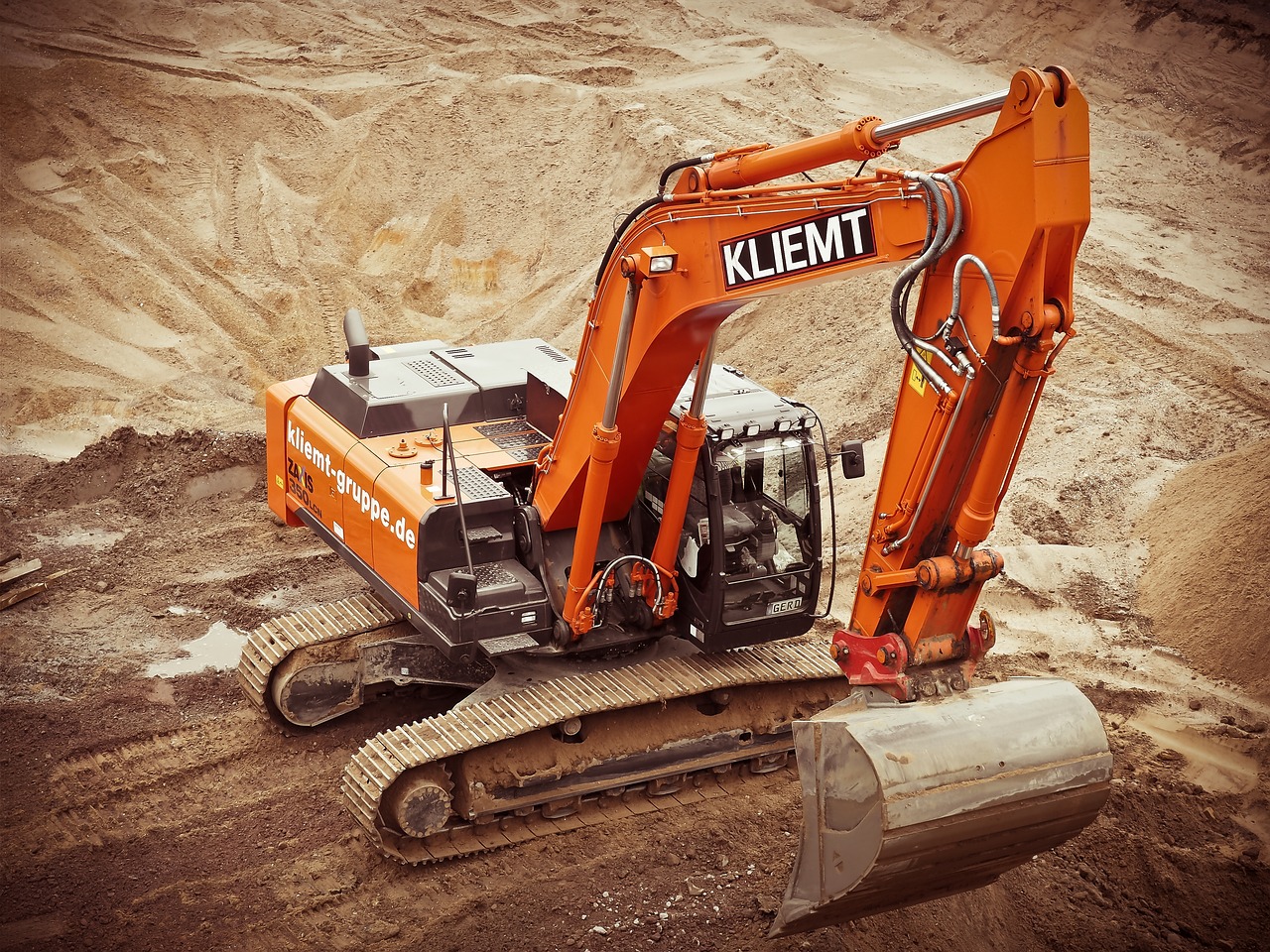
Over the nearly 100 years of operation, the Eagle Mine at Gilman produced approximately 8 million tons of waste. These wastes came from the mining process, where compounds like cyanide and sulfuric acid were used to separate minerals from ore.
The environmental cost of those mining operations accumulated silently for decades. By the time anyone started measuring the damage, it was catastrophic. In 1986, the EPA designated the entire Gilman site as a Superfund location due to extensive toxic pollutants and widespread groundwater contamination.
Some of the most harrowing ghost towns exist in atomic exclusion zones, where radioactive contamination has rendered entire communities uninhabitable within hours. The Chernobyl disaster in 1986 transformed the Ukrainian city of Pripyat into an abandoned time capsule when residents were given just minutes to collect belongings before permanent evacuation. The underlying reality in all these places is the same: human prosperity, when built on fragile or destructive foundations, can reverse itself with brutal speed.
What These Places Still Tell Us
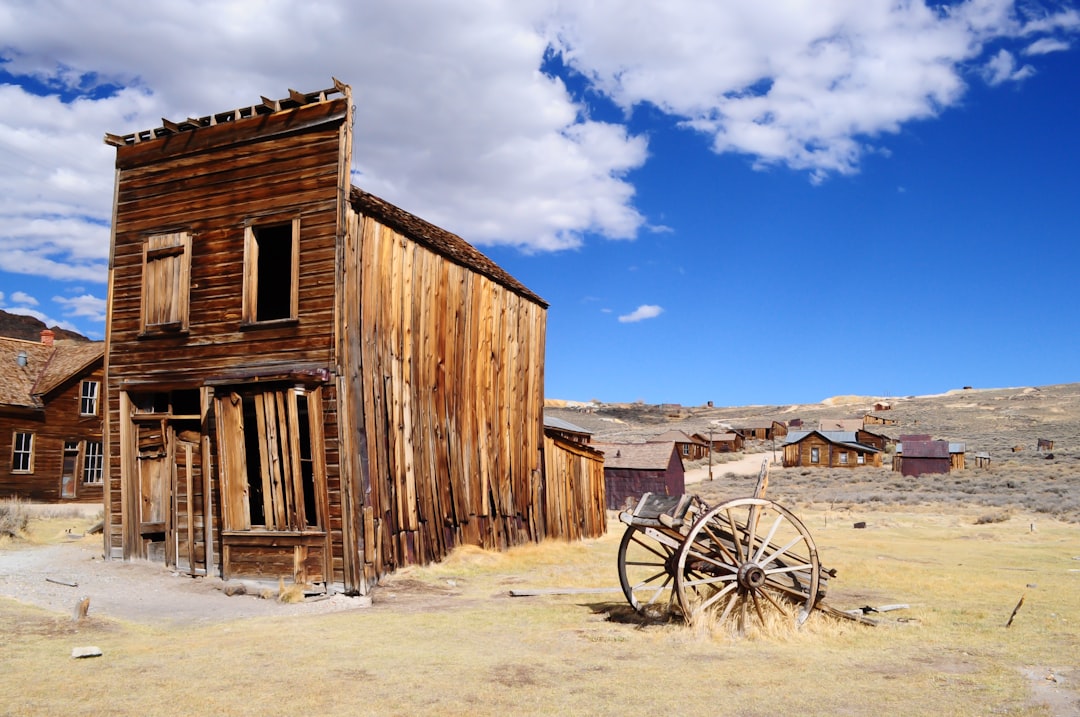
These silent places serve as time capsules of their era, preserving tangible traces of past lives in their arrested decay. That’s partly what makes them compelling to historians, photographers, and curious visitors alike – they froze at a specific moment, capturing not just architecture but an entire economic logic that collapsed.
There are hundreds of ghost towns hidden throughout Appalachia alone, from submerged settlements beneath man-made lakes to abandoned coal communities frozen in time. These forgotten places tell stories of boom-and-bust cycles, company towns built by industrial barons, and communities displaced by progress.
Understanding the recent history of industrial contamination matters because it emphasizes how recent many of these industrial disasters really are. Cleanup of the Gilman Superfund site concluded in 2000, but that doesn’t mean the area is safe or accessible. The fire under Centralia has now burned longer than the town itself was a functioning community. The water over Kennett has been there for more than 80 years. In most of these places, the damage is still ongoing – just quieter than it used to be.
Conclusion: The Price of the Boom
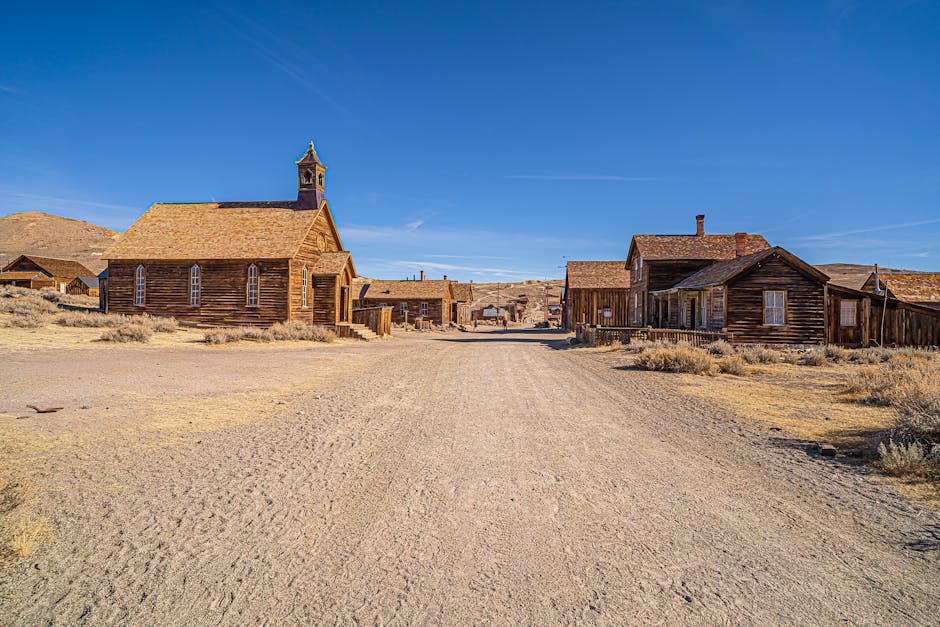
These five places – Gilman, Centralia, Pripyat, Kennett, and the Swift River Valley – share almost nothing on the surface. Different climates, different industries, different centuries. What connects them is something more uncomfortable: they were all built on assumptions that turned out to be wrong. The ore would always be there. The coal seam was manageable. The reactor was safe. The dam was progress.
The Gilded Age celebrated ambition and speed above almost everything else. These ghost cities are what ambition looks like when the bill finally comes due. Some of them are underwater. Some are radioactive. Some are still on fire. None of them are coming back.
The most honest lesson they offer isn’t about the past. It’s about the habit of building fast, extracting hard, and assuming someone else will deal with the consequences. These towns didn’t disappear. They became the consequences.