

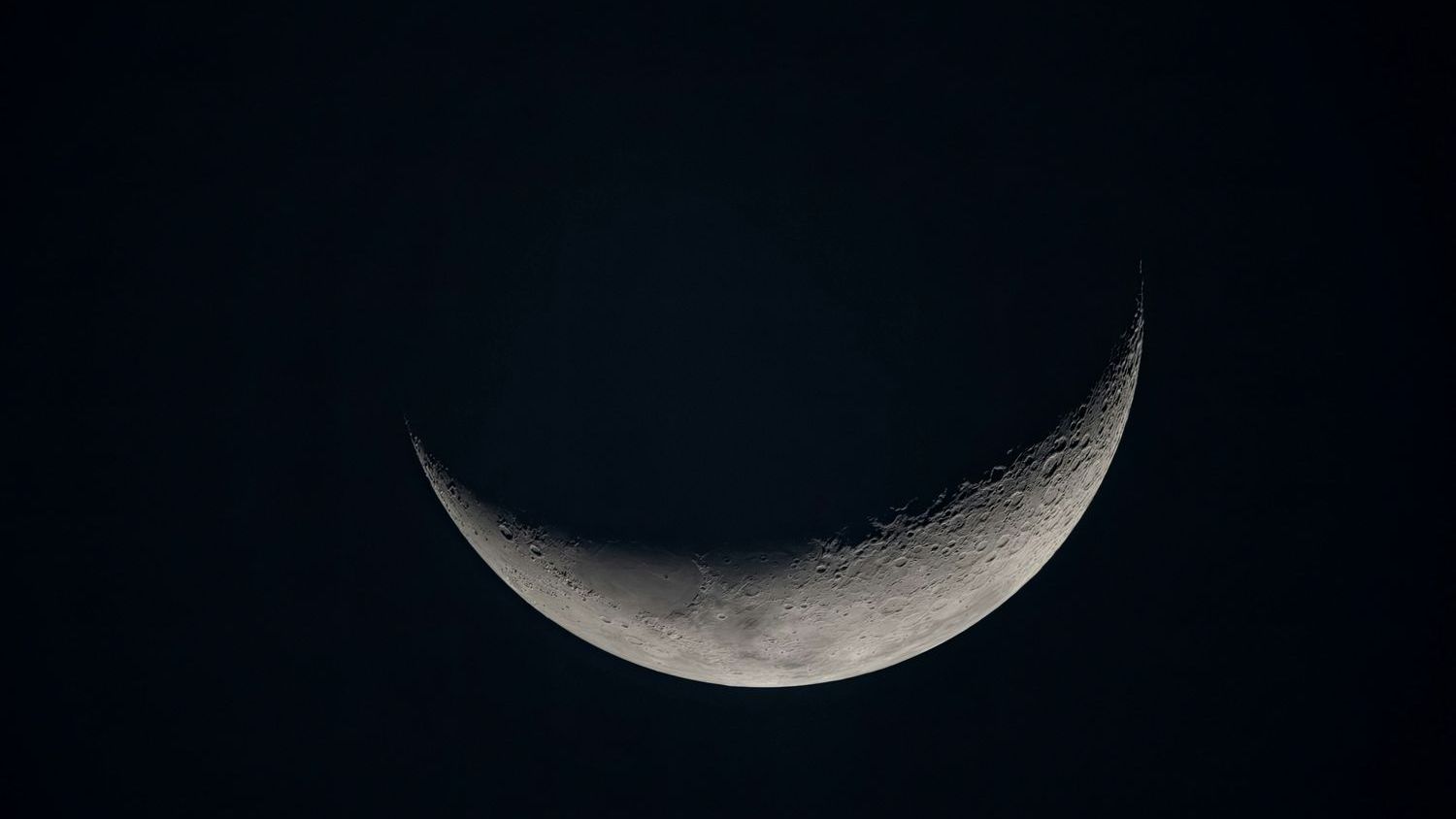
NASA’s Artemis 2 commander and astrophotographer team up to capture breathtaking, never-before-seen shots of the moon’s far side – Image for illustrative purposes only (Image credits: Unsplash)
The recent Artemis 2 mission gave humanity a rare chance to peer at the moon’s far side in ways that ground-based telescopes simply cannot match. Commander Reid Wiseman took on an unusual extra task during the crew’s flyby, capturing sequences of images that an experienced astrophotographer could later refine. The result is a set of processed photographs that highlight subtle colors and surface details hidden from everyday observation. This partnership shows how astronaut skill and technical image work can combine to expand what people on Earth can actually see and study.
A Mission Built for Close-Up Lunar Exploration
Artemis 2 marked the first crewed flight around the moon in more than fifty years. The four-person crew spent several hours observing the lunar surface from the Orion spacecraft, with dedicated time set aside for photography. Reid Wiseman, serving as commander, coordinated with ground teams and outside experts to gather raw data during the flyby. Those images reached Earth as part of a much larger collection released by NASA in the weeks after the mission.
The far side of the moon remains one of the least familiar regions in our solar system. Unlike the near side, it never faces Earth, so direct high-resolution color views have always been limited. Wiseman’s burst photography during the April 2026 pass provided the raw material needed to overcome some of those limits. The approach relied on taking many rapid exposures of the same features rather than single shots.
How the Collaboration Turned Raw Data into Vivid Detail
Andrew McCarthy, known for his detailed lunar imaging projects, reached out to Wiseman before the flight. He asked the commander to capture burst sequences of specific far-side regions, including the large impact basin Mare Orientale. Wiseman agreed and delivered hundreds of frames that McCarthy could align and combine back on the ground.
Stacking the frames reduced noise and allowed careful color balancing. McCarthy applied iterative adjustments to bring out faint differences in the lunar regolith that standard processing leaves invisible. The finished images reveal variations in mineral composition across craters and plains that scientists can now examine more closely. These enhancements stay grounded in the original spacecraft data and do not add artificial elements.
What the New Images Reveal About the Far Side
The processed photographs show the far side with greater clarity than previous missions achieved from similar distances. Features such as the concentric rings of Mare Orientale stand out with distinct tonal shifts that point to different rock types exposed by ancient impacts. Viewers can also trace subtle ridges and ejecta patterns that help map the moon’s geological history.
Because the images come from a crewed spacecraft, they carry the advantage of human judgment in framing and timing. Wiseman could adjust for lighting conditions during the flyby, something automated probes sometimes miss. The final results give researchers and the public a richer sense of the terrain that future Artemis landings may one day explore.
Why These Views Matter for Future Exploration
High-quality far-side imagery supports planning for upcoming missions that will land on or orbit the moon’s less-studied hemisphere. Color data can help identify safe landing zones and scientifically interesting sites rich in certain minerals. The Artemis program aims to build a sustained presence, and every new visual reference adds practical value to that effort.
Public release of the enhanced images also brings the moon’s hidden side into everyday conversation. People who follow space exploration now have concrete examples of what the far side looks like up close, which can sustain interest in the longer-term goals of returning humans to the lunar surface. The work of Wiseman and McCarthy demonstrates one small but effective way that mission data can reach wider audiences without losing scientific integrity.