

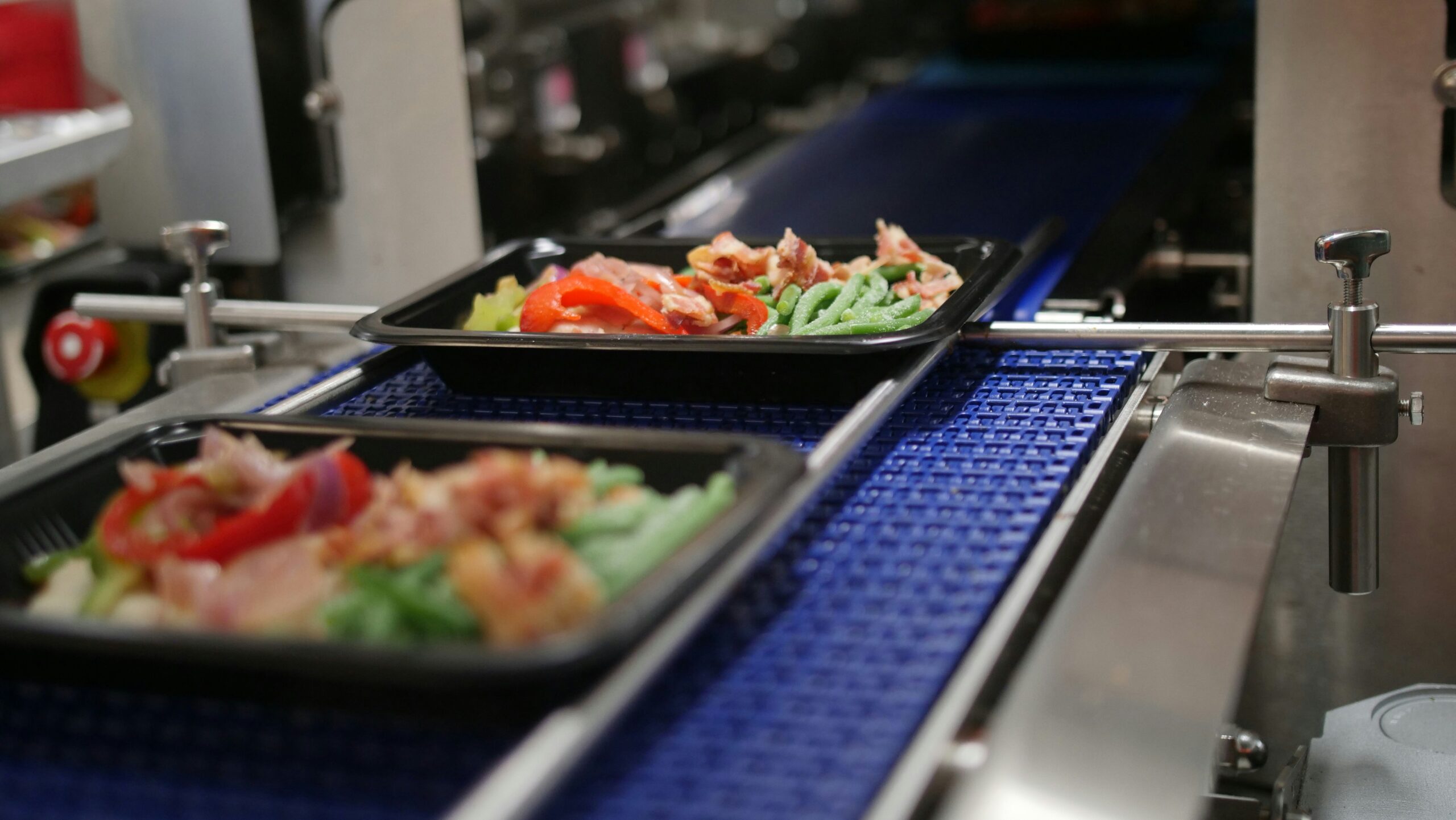
The Mental Health Risks of Ultra-Processed Foods (M) – Image for illustrative purposes only (Image credits: Unsplash)
Recent studies have highlighted a notable association between the heavily processed items that dominate American eating habits and poorer mental health outcomes. These foods, which supply approximately 60 percent of the calories consumed across the country, appear connected to elevated reports of depression and anxiety symptoms in large population samples. The findings come from analyses of nationally representative data and add to a growing body of evidence on how diet quality influences psychological well-being.
Understanding Ultra-Processed Foods
Ultra-processed foods include items such as packaged snacks, sweetened beverages, ready-to-eat meals, and many breakfast cereals. Manufacturers typically formulate them with industrial ingredients like added sugars, artificial flavors, emulsifiers, and preservatives to extend shelf life and enhance taste or texture. More than 70 percent of packaged foods sold in the United States fall into this category. Their widespread availability and convenience have made them a staple, yet they often contain fewer essential nutrients such as fiber, protein, vitamins, and minerals compared with minimally processed alternatives. This nutritional profile sets them apart from whole foods like fresh fruits, vegetables, and unprocessed meats.
Research Linking These Foods to Mental Health Symptoms
A study published in Public Health Nutrition examined data from a nationally representative U.S. sample and found that people who consumed the highest amounts of ultra-processed foods reported significantly more mild depression symptoms, anxious days, and mentally unhealthy days than those with the lowest intake. Participants in the highest consumption group also showed lower rates of reporting zero mentally unhealthy or anxious days. Other investigations have reported similar patterns. One analysis of middle-aged women indicated that those in the top fifth for ultra-processed food consumption faced about a 50 percent higher risk of developing depression compared with the bottom fifth. Systematic reviews of multiple studies have estimated that each 10 percent increase in the share of calories from these foods corresponds to roughly an 11 percent rise in depression risk. These associations hold after adjustments for factors such as overall calorie intake, physical activity, and socioeconomic status, though researchers continue to explore the precise strength of the relationship.
Possible Explanations and Remaining Questions
Several mechanisms may help explain the observed links. Ultra-processed foods tend to be low in nutrients that support brain function while high in additives that could promote inflammation or disrupt gut bacteria, both of which have been tied to mood regulation in separate research. Artificial sweeteners, common in many of these products, have also drawn attention in some analyses for their potential role in depression risk. Still, most evidence comes from observational studies that track associations rather than prove direct cause and effect. It remains unclear whether reducing ultra-processed food intake would reliably improve mental health or whether other lifestyle elements drive the connection. Additional long-term trials are needed to clarify these points and identify which specific ingredients or processing methods matter most.
- Ultra-processed foods supply about 60 percent of U.S. calories.
- Higher intake correlates with more depression and anxiety symptoms.
- Associations appear in multiple large studies but require further confirmation.
Implications for Public Health and Individual Choices
The scale of exposure to these foods gives the findings broad relevance for both clinical practice and policy discussions. Health professionals may consider dietary patterns when assessing mental health concerns, while broader efforts could focus on improving access to less processed options. For now, the data underscore the value of paying closer attention to the proportion of ultra-processed items in daily eating habits. Continued investigation will help determine how strongly these dietary patterns shape mental health across different groups and over time.