

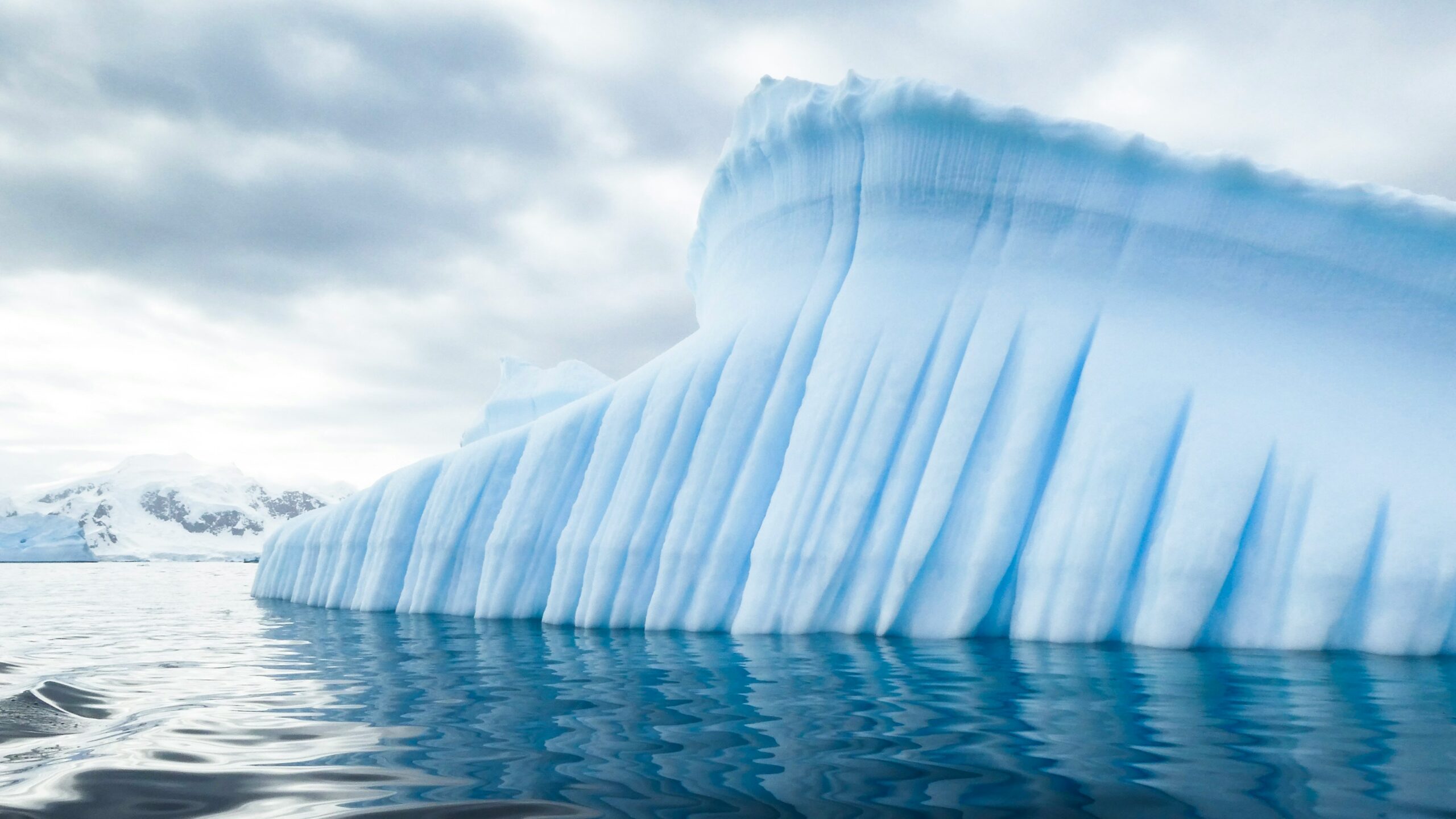
Antarctica is melting from below and scientists say it’s worse than expected – Image for illustrative purposes only (Image credits: Unsplash)
Antarctica – Researchers have identified a previously overlooked mechanism that allows warmer ocean water to linger against the undersides of floating ice shelves. These long, carved channels act like natural traps, holding heat in place and driving melting at rates higher than earlier projections allowed for. The finding applies even to parts of East Antarctica long viewed as more resilient to warming trends. As a result, estimates of future sea level contributions from the continent may need substantial revision.
Channels Formed by Ocean Currents
The channels develop where relatively warm seawater flows beneath the ice and erodes grooves into its base over time. Once formed, the grooves channel additional warm water along their length, preventing it from mixing away with colder layers above. This creates pockets where temperatures remain elevated for extended periods, sustaining melt even when surface conditions might suggest otherwise.
Observations show the features can stretch for tens of kilometers and reach depths that keep them isolated from the broader ocean circulation. The process operates year-round, independent of seasonal surface changes. Scientists note that similar channels appear in multiple locations, suggesting the mechanism is widespread rather than isolated to a few sites.
East Antarctica No Longer Seen as Stable
Portions of East Antarctica, including areas around the Totten Glacier, now show signs of vulnerability that earlier assessments had downplayed. The same channel-trapping effect documented elsewhere appears active there, allowing warm water to reach ice that was previously considered protected by colder surrounding seas. This shifts the picture from one of relative safety to one of gradual but persistent thinning from below.
Measurements indicate that melt rates in these regions exceed what standard models predicted for the same ocean temperatures. The discrepancy arises because models typically treat the ice-ocean boundary as smooth, without accounting for the grooves that concentrate heat. Field data collected over recent seasons confirm the channels are both deeper and more persistent than simulations had incorporated.
Sea Level Projections May Underestimate Rise
Current global models do not yet include the channel-trapping process at the resolution needed to capture its full effect. Without this detail, projections of Antarctic contributions to sea level rise remain lower than the physical evidence now suggests. The difference could become noticeable within decades as more ice shelves experience accelerated basal melt.
Even modest increases in the volume of warm water reaching the ice base translate into larger losses of grounded ice over time. Researchers emphasize that the channels do not cause sudden collapse but instead produce a steady, compounding reduction in ice thickness. This steady loss adds to the overall mass balance deficit already observed across the continent.
What Remains Uncertain
While the presence of the channels is now documented, their long-term evolution under continued ocean warming is still under study. It is not yet clear whether the grooves will deepen further or whether changes in ocean circulation could eventually flush the trapped water away. Additional mapping and modeling efforts are underway to test these possibilities.
The findings highlight the value of direct observations beneath ice shelves, where satellite data alone cannot resolve fine-scale features. Continued fieldwork will help determine how widely the channel effect operates and whether it interacts with other known drivers of ice loss, such as surface meltwater drainage. For now, the process stands as one more factor that must be integrated into future assessments of Antarctic stability.