


What the “Pluto Shadow” Actually Means

In psychological terms, the “shadow” is a concept first coined by Swiss psychiatrist Carl Jung that describes those aspects of the personality we choose to reject and repress. For one reason or another, we all have parts of ourselves we don’t like, or that we think society won’t like, so we push those parts down into our unconscious psyches. It is this collection of repressed aspects of our identity that Jung referred to as our shadow self.
In psychological terms, Pluto represents the shadow self, the hidden parts of our psyche that we often fear, deny, or do not know. These parts are primal, driven by survival instincts, unresolved trauma, and repressed emotions.
This planet has to do with those unconscious patterns we continuously play out without realizing it and the indirect ways we try to get our security needs met. When a sign is strongly influenced by Pluto’s archetype, those patterns don’t stay quiet. They move through relationships like a current people can feel but rarely name.
The Psychology Behind Unconscious Manipulation

Psychological manipulations, both conscious and unconscious, are ubiquitous. What separates Pluto-driven behavior from deliberate scheming is the near-total absence of awareness. The person doing it usually genuinely believes they’re just protecting themselves.
The shadow forms when we internalize societal and familial expectations about what is acceptable. As children, we learn which behaviors are rewarded and which are punished. The parts of ourselves that elicit disapproval become buried. Over time, these repressed traits do not disappear; they influence behavior from beneath consciousness, often appearing as projections or triggers.
Repression, denial, projection, and other unconscious defenses automatically exile threatening material to the shadow to protect the ego from anxiety and conflict. In other words, the manipulation isn’t chosen. It erupts.
Sign One: Scorpio and the Weaponization of Emotional Depth
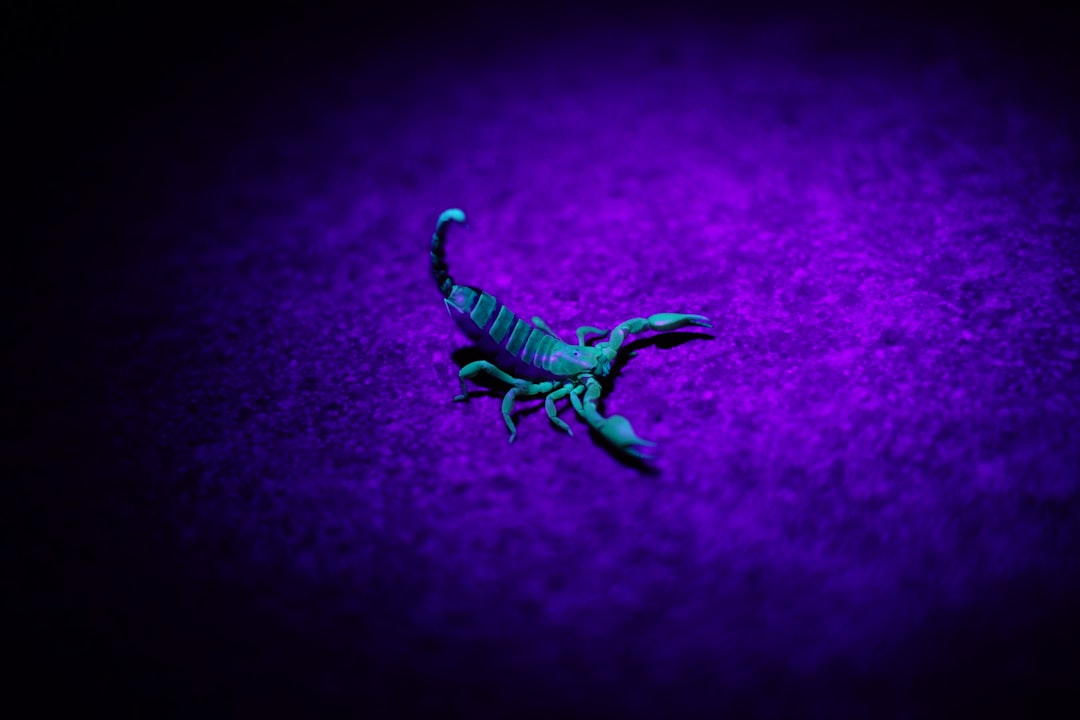
Scorpio, co-ruled by Mars and Pluto, is often associated with manipulation due to their deep understanding of psychology and emotion. Scorpios are not only highly intuitive but also intensely secretive, allowing them to control situations without revealing their true intentions. They often manipulate as a means of protecting themselves or achieving their profound emotional or strategic goals.
Scorpios may seek control as a defense mechanism, looking to protect their vulnerabilities and maintain a sense of power in their environment. They are one of the water signs, which makes them really sensitive on the topic of getting hurt by others. They don’t openly trust people and are really sensitive. That is why this sign is often possessive and controlling in their day to day life and relationships.
The core wound underneath is the terror of betrayal. In astrology, Scorpio is the sign of transformation, depth, and power. However, when these traits are misaligned, they can manifest as masterful manipulation. Understanding the psychological mechanics of the Scorpio “shadow” is essential for maintaining healthy relationships and personal autonomy.
How Scorpio’s Shadow Looks in Practice

The most manipulative thing Scorpio does is make it seem like a major mistake to go against them and demand loyalty no matter what. They want you to believe you could lose them from your life if you don’t go along with them.
Pluto-Moon aspects in a chart tie the shadow directly to emotions, needs, and security. For Scorpio, whose ruler IS Pluto, this manifests as an almost magnetic ability to detect emotional weak spots in others and, under stress, apply quiet pressure on exactly those points. It’s rarely announced. It’s felt.
Pluto’s power lies in its ability to force us into the depths of the shadow self, the unconscious parts of us that hold repressed emotions, hidden fears, and unresolved trauma. The process of confronting these shadow elements is not easy. Until Scorpio does that confrontation work on themselves, they tend to outsource the discomfort to others.
Sign Two: Capricorn and the Control-as-Safety Pattern

The Capricorn shadow centers on power as a substitute for self-worth. Capricorn carries the deep, often unspoken fear that if they stop performing, stop achieving, stop being useful, they will simply be abandoned. Control becomes the substitute for love they were never sure they had.
Capricorns value structure, rules, and regulations, which can lead to a desire to control their environment and even the people around them. They often seek control in order to achieve their goals and create a sense of security in their life. That desire, when it goes unexamined, slips into manipulation without ever being named as such.
The most manipulative thing Capricorn does is make people feel stupid. Capricorn uses their knowledge and proficiency as a way to get someone to do what they want. It’s a subtle technique, rooted not in cruelty but in anxiety. By making someone feel they need guidance, Capricorn can make them follow their plan. When someone feels capable and strong, they’re better able to stand up to Capricorn and say no, so this sign can unconsciously weaken their confidence.
The Emotional Logic of Capricorn’s Shadow Behavior
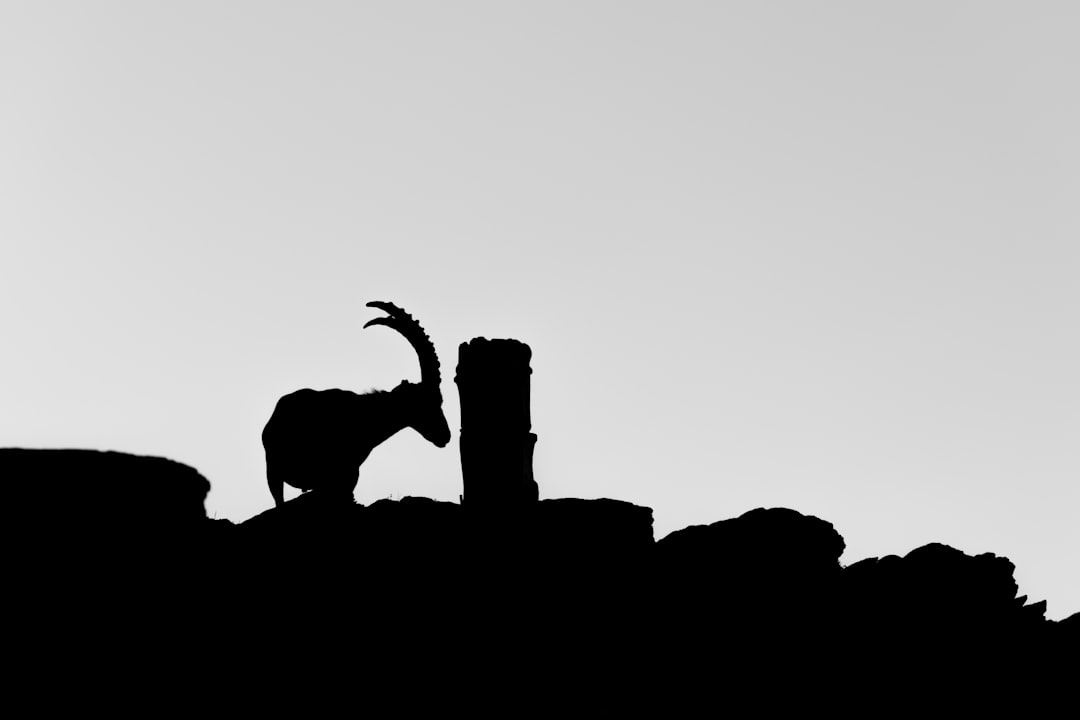
Capricorns are strategic and ambitious, often using their planning skills and practicality to manipulate situations to their advantage. They may use calculated moves and strategic positioning to influence others and achieve their goals. In relationships, Capricorns might employ methodical pressure or long-term planning to control and direct outcomes.
The Plutonian question at the heart of Capricorn’s shadow is: “What do I fear losing if I let others in?” That fear is rarely faced directly. Instead, it gets rerouted into productivity, perfectionism, and the slow accumulation of leverage over others. None of it feels like manipulation from the inside. It feels like responsibility.
By stripping away the layers of control, illusion, and false identity, Pluto forces us to face the raw truth of who we are. In this survival process, we learn to reclaim our power, to accept our shadow, and to rebuild ourselves from a place of deep psychological integration. For Capricorn, that process is usually delayed by sheer stubbornness.
Sign Three: Scorpio’s Aquarius Cousin, the Emotional Distance of Aquarius
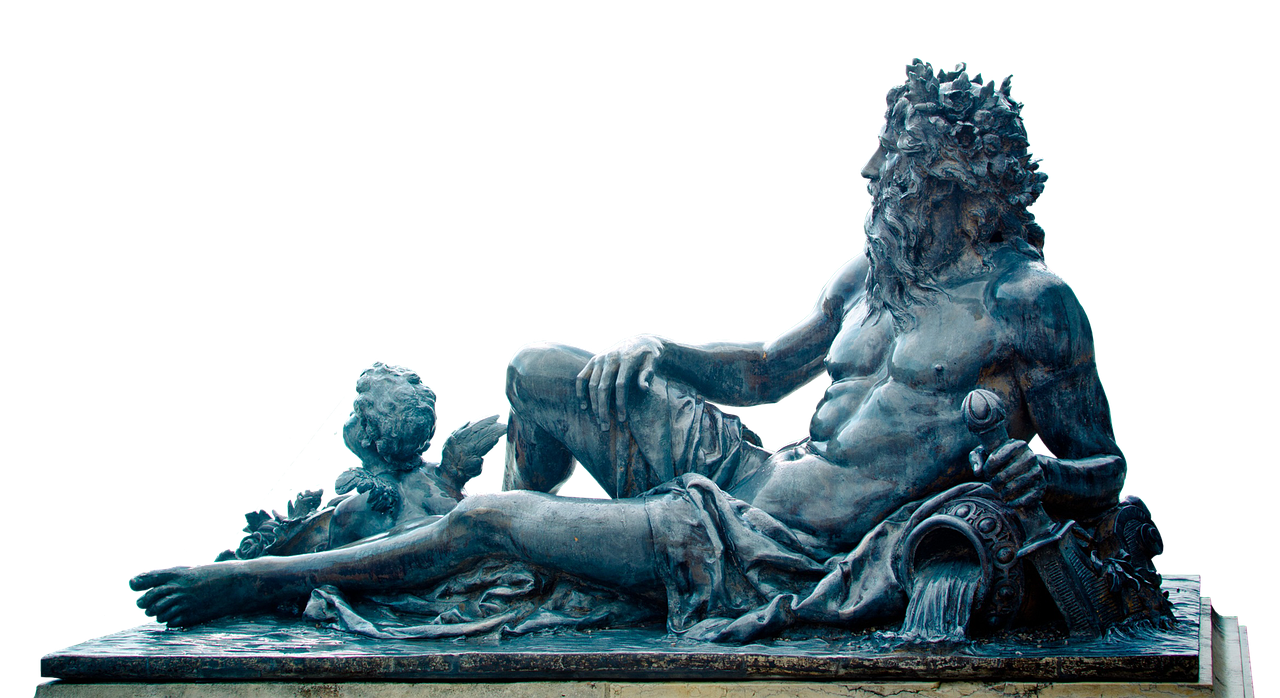
As a collective, we are being invited to face the ways in which dissociation from our emotions, intellectual superiority, isolation, and hyper-independence have become survival strategies and prevented us from experiencing true intimacy and vulnerability. No archetype embodies this more personally than Aquarius under stress.
The emotional manipulation of Aquarius often involves rational detachment and intellectual persuasion. They may use their unique perspectives and logical arguments to influence others, often creating scenarios where emotional responses are minimized. In relationships, Aquarius might use intellectual dominance or emotional distance to maintain control.
Aquarius, as an archetype, often carries the wound of being too different to fit in, and with Pluto moving through this sign, this wound is surfacing to be healed and alchemized. The manipulation here doesn’t look like control. It looks like cool-headed reasonableness while the other person falls apart alone.
Why These Behaviors Are Unconscious, Not Intentional

Gaslighting and manipulation can come from a mix of motives, both conscious and unconscious. The Pluto Shadow specifically operates far beneath the surface of deliberate choice. That’s precisely what makes it so difficult to address in a relationship.
Pathological behavioral patterns, also known when extreme as deeply ingrained conduct, serve as maladaptive mechanisms to maintain a sense of self and avoid vulnerability, shame, and perceived inadequacy. People who engage in such patterns tend to use compulsive defensiveness to control how they are perceived, manipulate their environment, and shield themselves from emotional exposure.
Unacknowledged shadow material often manifests in interpersonal conflict. When we deny anger, jealousy, or vulnerability, we unconsciously project those emotions onto others. The three signs described here are not uniquely “bad.” They are, more precisely, the signs where Pluto’s energy sits closest to the surface and needs the most conscious attention.
The Role of Projection in Pluto Shadow Dynamics

Projection occurs when we attribute an element of our personality, which resides in our unconscious, to another person or group. We can project both negative and positive characteristics, however, there is a greater tendency to project the former rather than the latter. Freud believed projection to be a defense mechanism used to avoid the anxiety that is provoked when one is forced to face their faults, weaknesses, and destructive tendencies.
Jung explains that when we repress our shadow, we project onto others the qualities we are unaware of within ourselves. These projections distort reality, creating a boundary between how we perceive ourselves and who we are. In Scorpio, Capricorn, and Aquarius shadow expressions, this often manifests as accusing others of disloyalty, incompetence, or emotional overreaction, without recognizing those same tendencies in themselves.
Disproportionate emotional reactions reveal projection. If someone triggers a strong response beyond what the situation warrants, you’re likely encountering your own shadow material in them. For those in relationships with Pluto-heavy individuals, tracking this pattern is often the first step toward understanding what’s actually happening.
What Shadow Work Looks Like for These Signs

The nature of a Pluto transit is to prompt metaphysical death in service of a rebirth into something ultimately more true. We become more authentic through the confrontation with and processing of shadow material and past trauma. For Scorpio, Capricorn, and Aquarius, that confrontation is not optional if genuine relationships are the goal.
Beginning the process means noticing your triggers and patterns. Journaling, mindfulness, and working with an astrologer or therapist can help you explore buried feelings. Pluto’s position and transits in your chart point to themes to explore. There’s nothing mystical about the process, really. It’s just slow, uncomfortable self-honesty.
Becoming aware of one’s shadow increases emotional literacy and reduces self-deception. As Jung argued, integration of the shadow is essential for individuation, the lifelong process of becoming whole. Research supports this idea: individuals who acknowledge and regulate difficult emotions exhibit greater psychological well-being.
The Difference Between Integration and Suppression

Jung was skeptical of control when it served as a defense against inner conflict. He understood that emotional maturity does not come from the elimination of unwanted feelings, but from integrating them. The goal is not to feel less, but to feel with greater depth, discernment, and tolerance.
Pluto is all about shadow work, the profound and sometimes challenging exploration of our inner selves, where we uncover old wounds, hidden truths, and unresolved power dynamics. When it turns back, those hidden truths often come to light, not to haunt us, but to be confronted. The distinction matters enormously. Confrontation is not the same as punishment.
In order to change us, Pluto must unearth what is rotten. However, if we accept and allow the process to happen instead of fighting it, we can come out closer to ourselves than we have ever been before. For Scorpio, Capricorn, and Aquarius, that closer version of themselves is genuinely worth the discomfort of getting there.
Living With or Loving a Pluto Shadow Type

Insecure attachment styles, whether anxious, avoidant, or disorganized, can make someone more vulnerable to another person’s manipulation because they may already struggle with self-doubt, fear of abandonment, or difficulty trusting their own feelings. This can make the manipulator’s influence even more effective. Recognizing this dynamic doesn’t mean tolerating harm. It means understanding the architecture of what’s happening.
In Pluto-influenced relationships, connections aren’t light or casual. They’re catalysts for shadow work, karmic healing, and soul evolution. These individuals tend to attract situations involving betrayal, power struggles, or emotional intensity. Being in relationship with a Pluto shadow type often forces your own unresolved material to the surface too, which is uncomfortable but genuinely useful if you’re paying attention.
Pluto transits don’t force you to grow. They offer you the material to work with. Whether you integrate it is your choice. The same applies to those on the receiving end. The patterns described here are not destiny. They’re invitations to a harder, more honest kind of knowing.
Ultimately, the Pluto Shadow isn’t about certain signs being damaged or dangerous. It’s about the very human tendency to reach for control when we can’t bear to feel exposed. The three signs described here do it with particular intensity because Pluto’s themes of power and transformation live so close to their emotional core. Naming that pattern, whether in yourself or someone you care for, is already a form of integration. The shadow loses a significant portion of its grip the moment it’s seen clearly.