
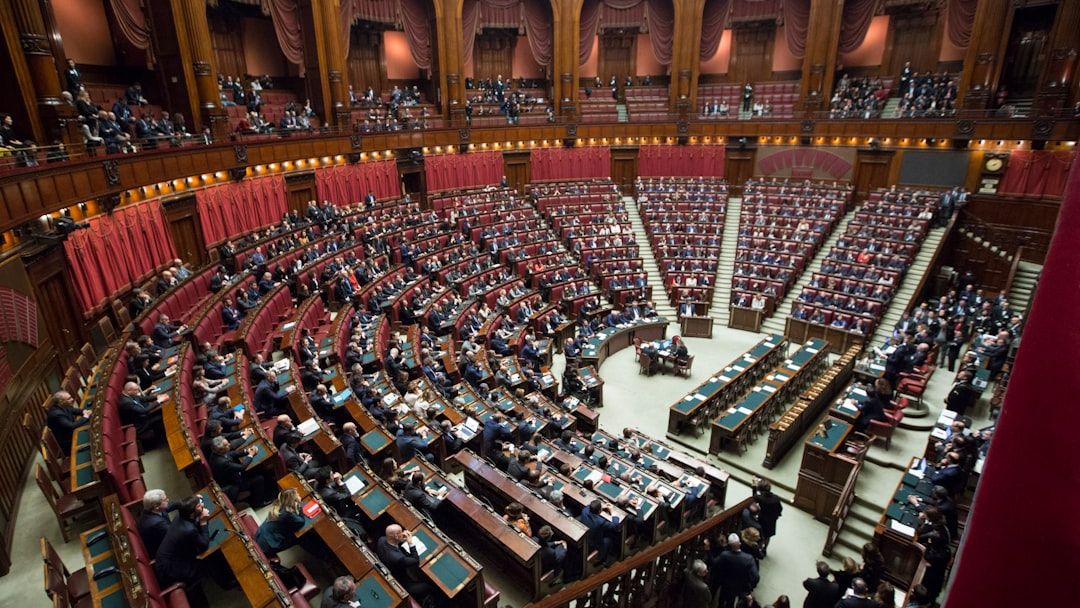

The Western Landscape That Made It Possible

The American West in the early twentieth century was the kind of place where fortunes could be made quickly and oversight arrived slowly. Oil was transforming the economy, the military, and the political landscape all at once. Federal land holdings across Wyoming and California contained enormous energy reserves, and the question of who controlled them was never purely administrative.
The seeds of the Teapot Dome scandal were planted in the first decade of the twentieth century, when President Theodore Roosevelt and conservationists in Congress took steps to protect public lands from unlimited private exploitation. The idea was straightforward: keep certain reserves locked up for the public good. What nobody anticipated was how quickly a new administration could undo that logic.
The oil reserves at Teapot Dome and in California had been set aside at the request of the U.S. Navy, which had been converting coal-fueled ships into oil-powered vessels since 1909. As more ships were converted to run on oil, Navy officials wanted to ensure there would be enough oil at hand in the event of a war or other emergency. Under President William Howard Taft, Congress began to set aside federal lands believed to contain oil as emergency reserves.
The Man Behind the Map: Albert B. Fall
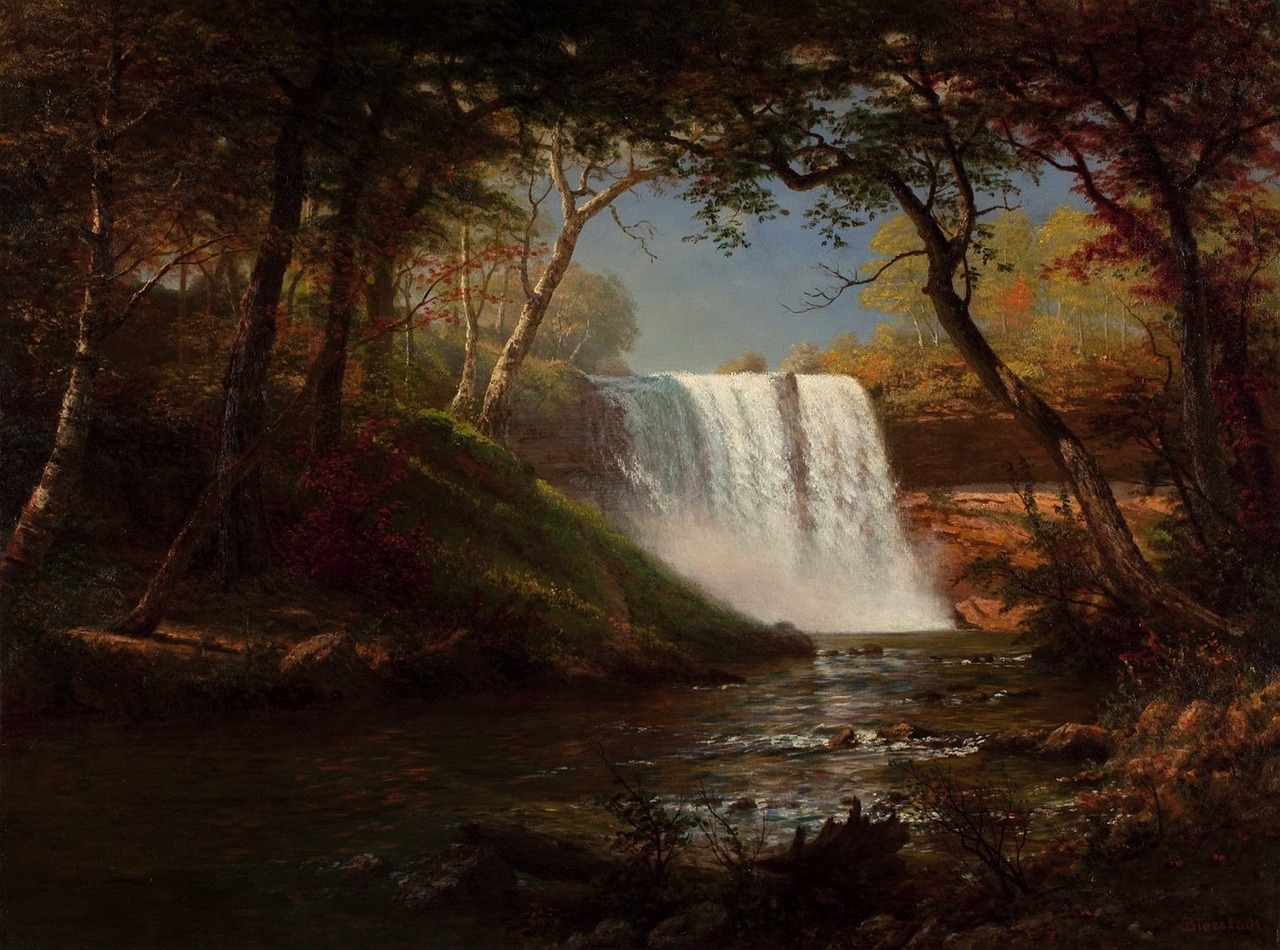
Albert Bacon Fall was born November 26, 1861, in Frankfort, Kentucky, and later served as U.S. Secretary of the Interior under President Warren G. Harding. He became the first American to be convicted of a felony committed while holding a Cabinet post. That distinction, historic and grim in equal measure, was earned through a series of calculated moves that began almost immediately after he was appointed.
Fall was a rancher and New Mexico’s first U.S. senator. Within a few weeks of taking office, he convinced President Harding to allow transfer of the naval petroleum reserves from the Navy to the Department of the Interior, arguing that the department was “better able” to oversee the protection of these areas.
Fall was a politically powerful senator, rancher, lawyer, and miner who, like Harding, enjoyed a game of poker with a glass of whiskey, Prohibition notwithstanding. His personal connections ran deep into the oil industry, and those friendships would become the foundation of one of the most damaging betrayals of public trust in American history.
The Executive Order That Opened the Floodgates
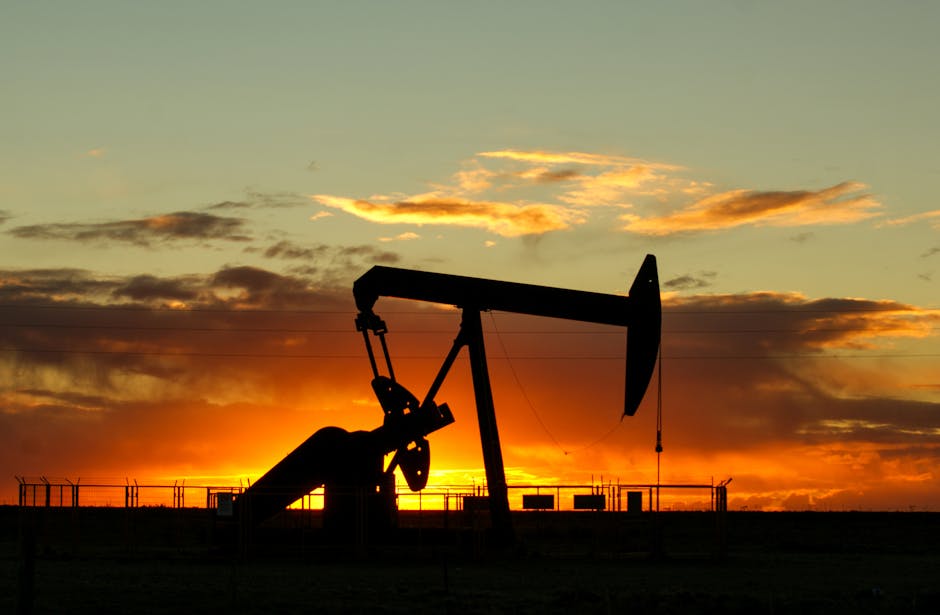
In 1920, President Woodrow Wilson had set aside three tracts of oil-rich land to be used in national emergencies, and transferred control of the oil fields from the Secretary of the Interior to the Secretary of the Navy. Under the following administration of President Warren G. Harding, however, Secretary of the Interior Albert Fall advised the President to return control of the land to his department. On May 21, 1921, President Harding signed Executive Order 3474, transferring control of the Naval Oil Reserves from the Secretary of the Navy to the Secretary of the Interior.
Fall quickly moved to take control of the oil reserves, convincing Navy Secretary Edwin Denby to join him in presenting Harding with the proposed executive order transferring management of the reserves to the Interior Department. The transfer seemed administrative. It was, in fact, strategic. Once Fall controlled the reserves, the deals he had already been planning privately could begin.
The Secret Leases and the Men Who Paid for Them

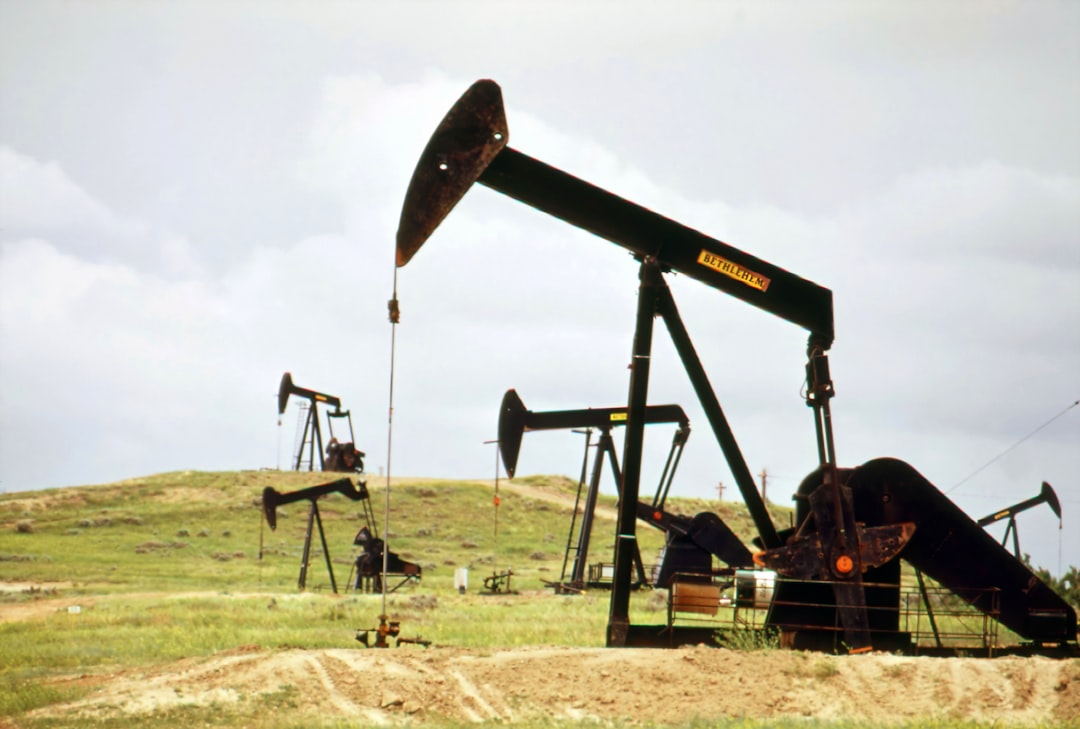
In 1922, with no competitive bidding or any public announcement, Fall leased exclusive drilling rights to the entire Teapot Dome site to the Mammoth Oil Company, owned by longtime friend Harry Sinclair. Fall also leased the two reserves in California to the Pan-American Petroleum Company, owned by Edward Doheny, another old friend of Fall’s. Combined, the three sites were estimated to contain hundreds of millions of dollars worth of high-grade oil.
Fall received a no-interest loan from Doheny of $100,000 in November 1921 (equivalent to $1.81 million in 2025). He received other gifts from Doheny and Sinclair totaling about $404,000 (equivalent to $7.29 million in 2025). While the leases were legal, these transactions were not.
Fall attempted to keep them secret, but a sudden improvement in his standard of living raised suspicions. Money from the bribes had gone to Fall’s cattle ranch and investments in his business. A man who had not long before been financially stretched was suddenly comfortable in a very visible way.
How the Story Broke: Trucks, Senators, and Newspapers
Wyoming oil man Leslie Miller, a Democrat who later would be elected governor, grew suspicious of foul play when he noticed trucks from Sinclair’s company hauling drilling equipment into the Teapot Dome reserve. Miller asked Wyoming’s U.S. Senator John B. Kendrick, also a Democrat, to look into the matter, and Kendrick referred it to a Senate investigating committee. Existence of the leases became public in April 1922.
On April 12, 1922, Fall offered to his friend Harry F. Sinclair, the head of Sinclair Oil, an exclusive no-bid lease for the Teapot Dome oil reserves. Intending to keep the deal a secret, Fall locked the contract in his desk and instructed the assistant secretary to tell no one about it.
On April 14, 1922, the Wall Street Journal ran a front-page exposé detailing the sweetheart deal. The Denver Post was not far behind, offering details about what it called “one of the baldest public land-grabs in history.” The story was out, and no amount of record-keeping delays or bureaucratic maneuvering could put it back.
The Senate Investigation and the Long Hunt for Evidence
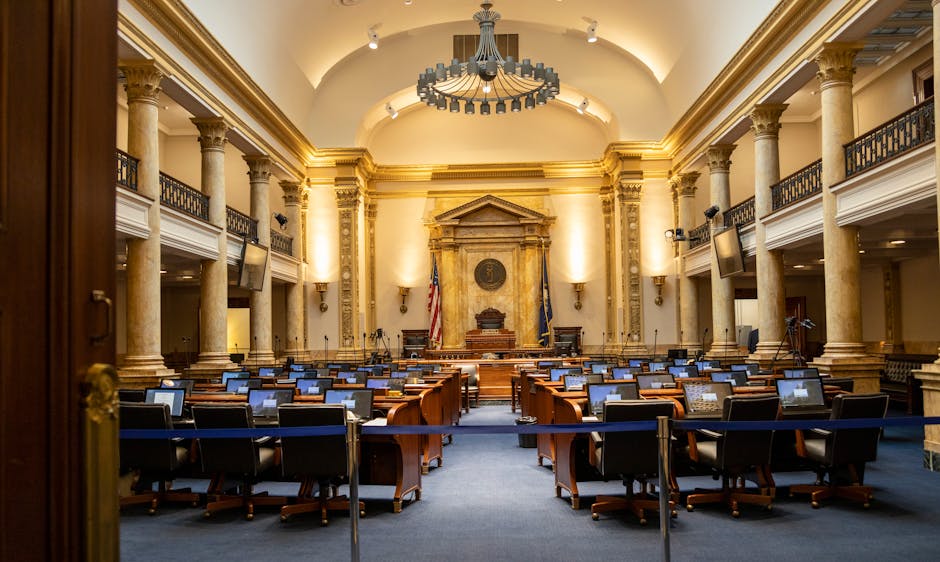
A century ago, in June 1924, the Senate Committee on Public Lands and Surveys released a report titled “Leases Upon Naval Oil Reserves,” that outlined one of the worst breaches of the public trust in American history. The Senate investigation into the scandal, led by Thomas J. Walsh of Montana, uncovered widespread corruption between government officials and powerful corporate interests. The inquiry serves as a powerful example of effective congressional oversight, highlighting the ability of lawmakers to expose wrongdoing to protect the public interest.
Democrat Thomas J. Walsh of Montana led a lengthy inquiry. For two years, Walsh pushed forward while Fall stepped backward, covering his tracks as he went. No evidence of wrongdoing was initially uncovered, as the leases were legal enough, but records kept disappearing mysteriously.
Finally, as the investigation was winding down with Fall apparently innocent, Walsh uncovered a piece of evidence Fall had failed to cover up: Doheny’s $100,000 loan to Fall. This discovery broke open the scandal. The rest, as they say, followed fast.
The Scope of the Harding Administration’s Corruption
Beyond Secretary of the Interior Albert Bacon Fall’s secret leasing of federal oil reserves in exchange for bribes, Attorney General Harry Daugherty, Harding’s longtime campaign manager, was accused of selling government supplies of alcohol during Prohibition. Moreover, Charles R. Forbes, head of the Veterans Bureau, was convicted on bribery and corruption charges.
Although President Warren G. Harding was not personally implicated in the Teapot Dome affair or the other scandals that tarnished his administration, he was aware of the corrupt behavior of the “Ohio Gang” and failed to expose it. By the mid-1920s he was seen as a man who was simply not up to the responsibilities of the presidency.
Some historians believe Harding escaped impeachment for his role in Teapot Dome by having the “good fortune” of dying as the scandal was unfolding. He died in San Francisco in August 1923. The investigation, freed from the politics of a sitting president, only intensified after his death.
The Trials, the Verdicts, and the Paradox of Justice
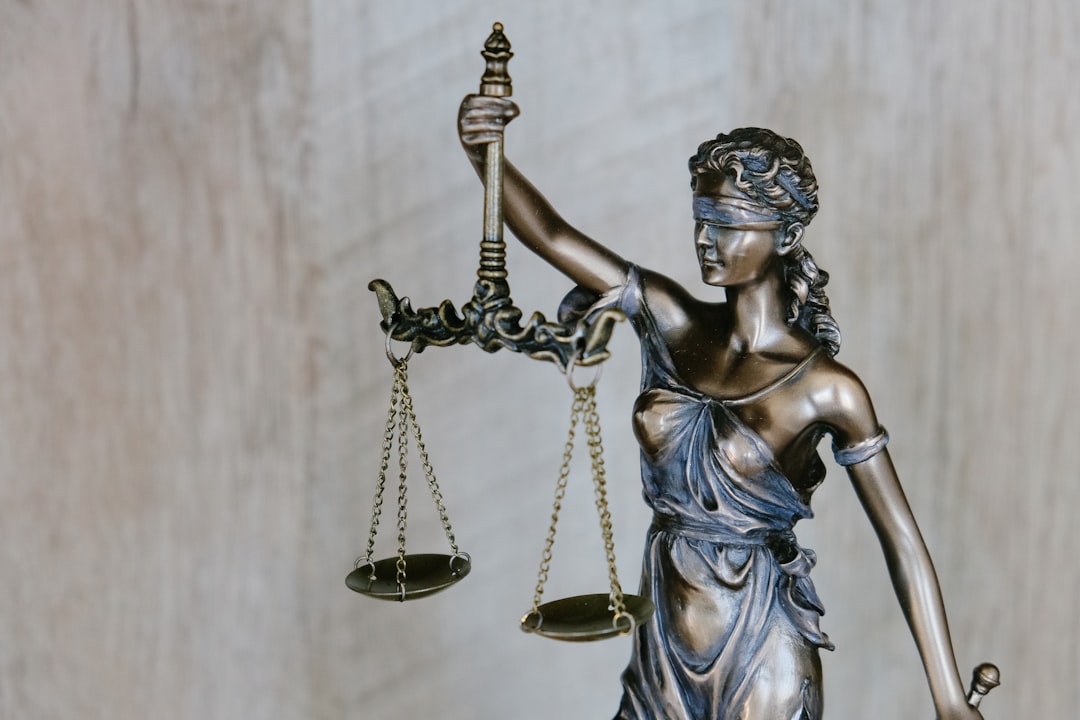
Calvin Coolidge, who became president when Harding died of a heart attack in 1923, appointed two special counsels to continue investigating the matter. Attorneys Owen Roberts, a future Supreme Court justice, and Atlee Pomerene, a former U.S. senator, brought civil suits against the oil companies in federal courts in California and Wyoming. They also brought criminal cases against Fall, Sinclair, and Doheny for conspiracy to defraud the U.S. government, and against Fall and Doheny for bribery.
In 1929, Fall was convicted on charges of accepting a bribe from Doheny, the only guilty verdict in the Teapot Dome case. Fall, the first Cabinet member convicted of a crime committed while in office, was fined $100,000 and sentenced to a year in prison. Doheny, however, was acquitted of offering the same bribe to Fall; both men always insisted that the $100,000 was a loan.
Doheny escaped conviction, but Sinclair was imprisoned for contempt of Congress and jury tampering. The legal outcome was widely seen as lopsided. As a newspaper reporter observed when the two wealthy oilmen were found not guilty, “You can’t convict a million dollars.”
The Oil Fields: What They Were Actually Worth
Experts of the time disagreed sharply as to how much oil was held in the reserves. The Bureau of Mines estimated that Teapot Dome held 135 million barrels of oil, while geologists employed by the Committee on Public Lands estimated it at only 12 to 26 million. These estimates turned out to be very low. The Elk Hills reserve alone has yielded more than a billion barrels of oil in the century since.
The Teapot Dome oil field was idle for 49 years following the scandal, but went back into production in 1976. After Teapot Dome had earned over $569 million in revenue from 22 million barrels of oil extracted over the previous 39 years, the Department of Energy in February 2015 sold the oil field for $45 million to New York-based Stranded Oil Resources Corp.
Analysts estimate the U.S. government may have lost tens of millions of dollars through the lack of competitive bidding and oversight. The scale of what was quietly handed away, even at 1920s valuations, was staggering. The reserves were worth far more than anyone in Washington had publicly admitted.
The Legal and Political Reforms That Followed
The Revenue Act of 1924 gave the chairman of the United States House Committee on Ways and Means the power to obtain the tax records of any taxpayer. The Federal Corrupt Practices Act, which regulates campaign finance, was strengthened in 1925.
The scandal prompted increased public demand for federal regulation of the petroleum industry, culminating in President Calvin Coolidge establishing the Federal Oil Conservation Board in 1924. This board aimed to address concerns about oil conservation and regulation amid fears of overproduction and economic instability. In 1924, in reaction to the Teapot Dome scandal, President Coolidge set up the Federal Oil Conservation Board to encourage closer coordination in oil production between the federal government and the oil industry. Its activities laid the basis for a loose interstate oil cartel that set crude oil prices until 1973.
The inquiry not only exposed one of the worst government scandals in American history but also helped change the legal landscape of congressional investigations forever. In Sinclair v. United States in 1929, the Supreme Court upheld the right of the Senate to investigate the effect of the laws it passed. That precedent mattered enormously to every congressional probe that came afterward.
The Long Shadow: From Watergate to the Present
Before the Watergate Scandal, Teapot Dome was regarded as the “greatest and most sensational scandal in the history of American politics.” That framing held for roughly fifty years, until Richard Nixon’s administration produced something that managed to shock the country even more. Still, Teapot Dome left its mark in a way that Watergate in some respects didn’t.
The Teapot Dome scandal cast a long shadow over American politics, for decades serving as a symbol of the highest form of government corruption. Lawmakers investigating charges of corruption in the decades that followed would inevitably make the comparison, warning the public that they may find evidence of “another Teapot Dome” or something “worse than Teapot Dome.”
In the modern era, with ongoing debates over minerals, oil and gas leasing on public lands, climate policy, and administrative accountability, the Teapot Dome affair remains much more than a historical curiosity. It offers a cautionary tale: when oversight is weak, boundaries between public trust and private profit can blur very, very quickly. When transparency is missing, even legal actions can mask deeper ethical breaches.
The Teapot Dome scandal was ultimately a story about access: who gets it, who controls it, and who decides. One executive order, one locked desk drawer, and several handshakes between old friends nearly privatized a chunk of America’s strategic energy infrastructure. What stopped it wasn’t the law catching up cleanly, it was a suspicious oil man watching a truck, a senator who listened, and a relentless investigator who refused to let disappearing records be the final word. The blueprint was corrupt. The oversight, slow as it was, turned out to be real.