
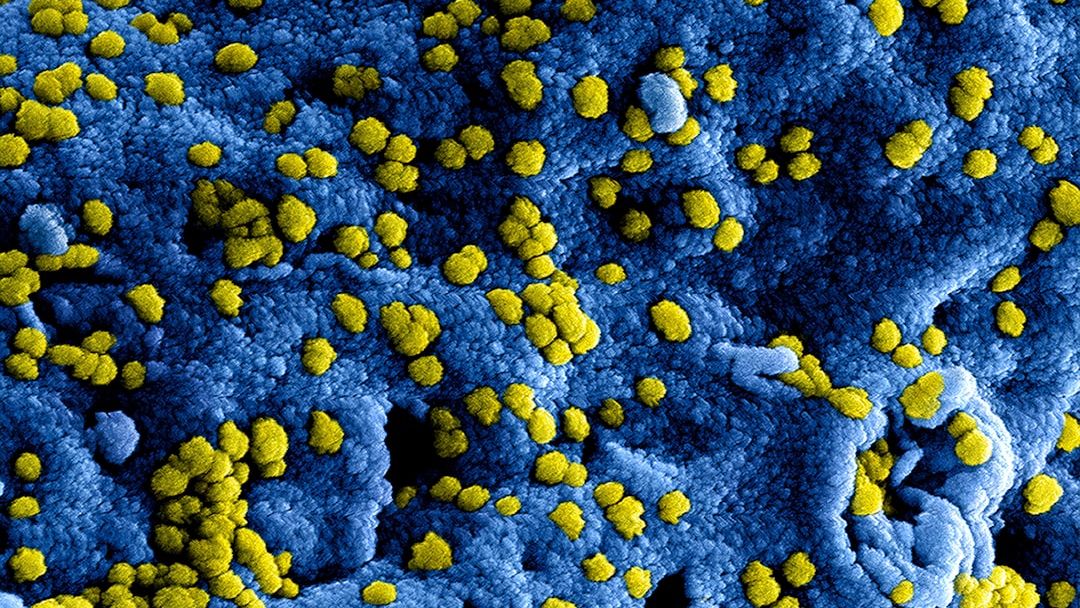

A City Unprepared: The Arrival of Yellow Fever
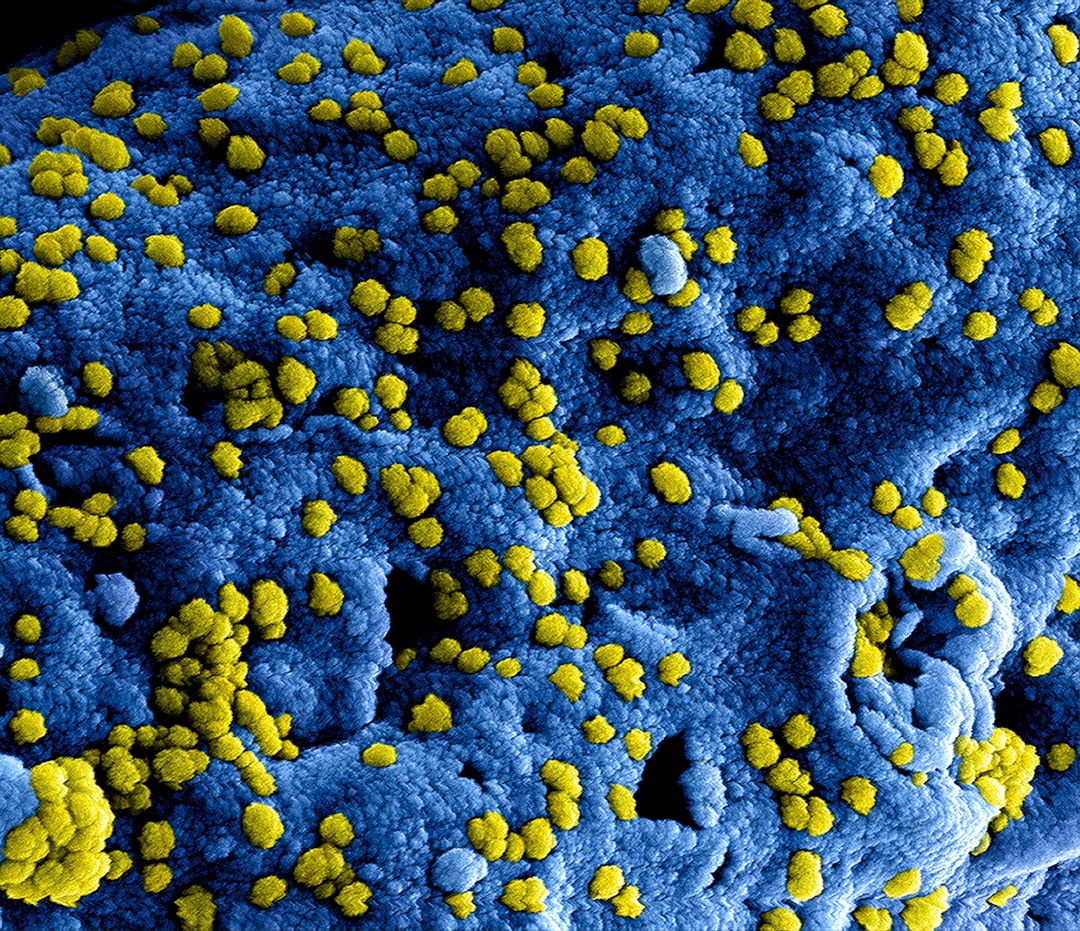
The feared disease returned to Philadelphia in the summer of 1793 via West Indian trading vessels carrying French refugees fleeing the island of Santo Domingo amid long-standing civil unrest and slave rebellion. Over two thousand refugees flooded into Philadelphia, some of whom had succumbed to yellow fever at sea. The city had no defenses ready for what came next.
Philadelphia had no sanitary inspections of vessels arriving at its port, nor any quarantine arrangements. In 1793, Philadelphia was at its peak, serving as the capital of both Pennsylvania and the recently formed U.S. government. With 50,000 residents, it was the largest metropolitan area in the U.S., and its port handled one-fourth of the nation’s shipping.
Between August 1 and November 9, 1793, approximately 11,000 people contracted yellow fever in the U.S. capital. Of that number, 5,000 people, roughly a tenth of the city’s population, died. The scale of it was staggering for a young country that had barely finished writing its constitution.
Fever, Panic, and the Great Exodus

By the middle of October, around 100 people were dying from the virus daily. Caring for the victims so strained public services that the local city government collapsed. Philadelphia was also the seat of the United States government at the time, but federal authorities simply evacuated the city in the face of the raging epidemic.
About 40 percent of residents, including most of the city’s wealthy, evacuated. Even George Washington retired to Mount Vernon earlier than expected. The city’s government ceased to operate, resulting in crime, abandonment, and people being left out in the streets to die.
Wealthier people fled the city while the less affluent stayed behind. As a result, the affliction was class specific, killing the middle and lower classes more often than the elite. That pattern of inequality in disease outcomes, visible even in 1793, would echo through American public health debates for centuries to come.
What Nobody Knew: The Mystery of Transmission

Doctors tried a variety of treatments but knew neither the origin of the fever nor that the disease was transmitted by mosquitoes. This information was not verified until the late 19th century. In the absence of that knowledge, theories multiplied wildly and competed with each other in print, in physicians’ offices, and in the halls of government.
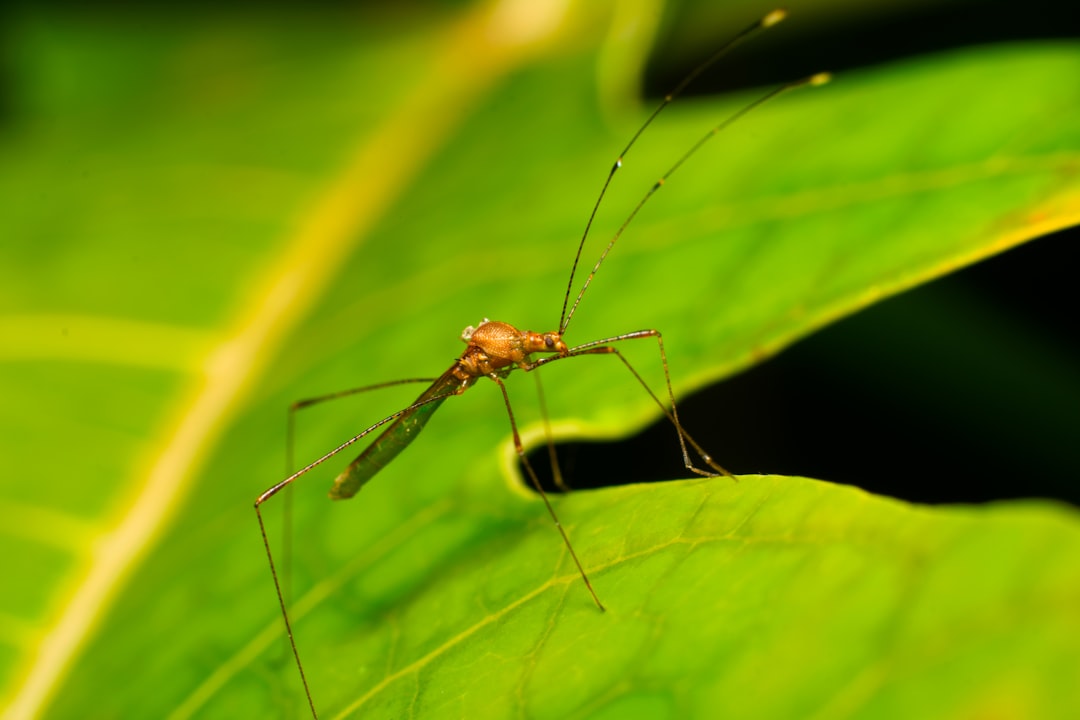
Other symptoms included fever, headache, and “black vomit” caused by bleeding into the stomach. At the time, it was thought that yellow fever was caused by rotting vegetable matter, and it was believed to be contagious; the disease is actually spread by mosquitoes. Yellow fever originated in east and central Africa, where indigenous female Aedes aegypti mosquitoes carried the virus. When infected mosquitoes bit humans, they transmitted the yellow fever virus into the person’s blood. Aedes aegypti required wet and warm climates to survive.
In 1881, Carlos Finlay, a Cuban doctor, argued that mosquito bites caused yellow fever. He even credited Rush’s published account of the 1793 epidemic for giving him the idea, noting that Rush had written about mosquitoes being “uncommonly numerous” in that sickly autumn. It took nearly a century from the Philadelphia outbreak for that connection to be formally proven.
Dr. Benjamin Rush and the War Over Medicine

Benjamin Rush, a Philadelphia physician and signer of the Declaration of Independence, became highly regarded for his work during the 1793 epidemic. He developed a very aggressive approach to treatment, copiously bleeding his patients and administering large quantities of mercury. These aggressive therapeutics became known, not always favorably, as “heroic medicine.”
The epidemic set off a wide-ranging debate over the cause of the fever and the best means of controlling it. Philadelphia’s College of Physicians contended that it was both contagious in nature and foreign in origin, while a faction led by Benjamin Rush argued that only domestic environmental factors were to blame.
During the epidemic, Rush’s controversial insistence on copious bloodletting and purges when treating yellow fever patients led to many disagreements with his fellow medical professionals. After the epidemic ended, Rush resigned from the College of Physicians in response to the criticisms of other doctors. The dispute wasn’t just medical. By publishing his opinions about the epidemic and its treatment in newspapers, Alexander Hamilton turned what had been a medical question into a political dispute.
The Black Community That Held the City Together

Benjamin Rush had read about the supposed resilience Black people showed to yellow fever in older medical treatises, and only then did he try to convince Richard Allen and Absalom Jones to stay behind and help tend the sick in Philadelphia. Allen and Jones mobilized Philadelphia’s Black community to assist with nursing the sick and burying the dead.
African Americans provided the bulk of the nursing care and manual labor required to sustain the city, although they were excluded from the official work and leadership of the Committee. The belief in immunity turned out to be unfounded; 240 Black residents died of yellow fever.
Jones and Allen put forth their version of events in a pointed and concise pamphlet, one that would live on as the first copyrighted pamphlet by African Americans and a critical firsthand account of the impact of the yellow fever epidemic from the perspectives of African Americans. Their account remains a foundational document in both medical history and the history of Black civic life in America.
Bush Hill Hospital: America’s First Emergency Public Hospital
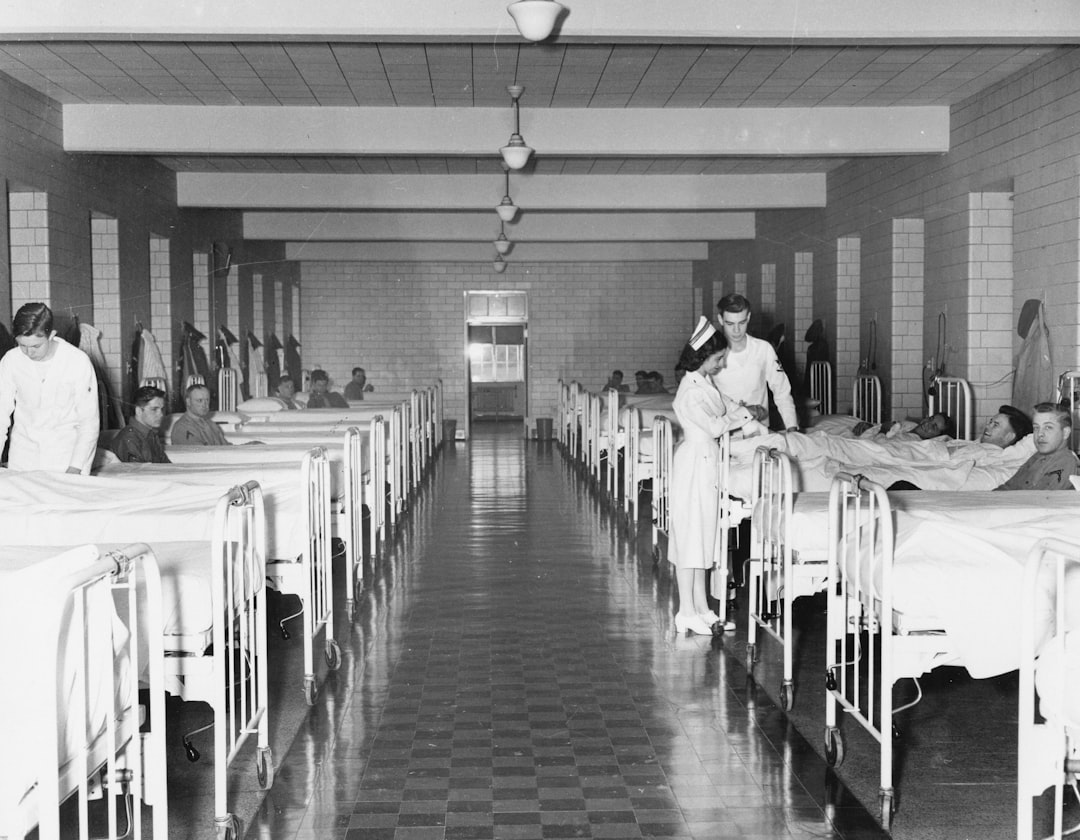
The Bush Hill Hospital, which housed the sick poor, was desperately understaffed. When Philadelphia’s mayor asked the public for help, a French-born merchant from Santo Domingo named Stephen Girard stepped up and recommended his compatriot, Dr. Jean Devèze, to head the hospital.
Devèze refused to believe that yellow fever was contagious and he disapproved of Rush’s aggressive treatments. Devèze later became a world authority on yellow fever. On September 14, the mayor was joined by 26 men who formed committees to reorganize the fever hospital, arrange visits to the sick, feed those unable to care for themselves, and arrange for wagons to carry the sick to the hospital and the dead to Potter’s Field.
The city also built orphanages to take care of children who lost their parents during the epidemic and implemented measures to control those placed in the state of exception. These were not minor administrative adjustments. They were the first recognizable structures of organized civilian emergency healthcare in American history.
Quarantine, Borders, and the Politics of Containment

As the death toll in the city rose, officials in neighboring communities and major port cities such as New York and Baltimore established quarantines for refugees and goods from Philadelphia. New York established a “Committee appointed to prevent the spreading and introduction of infectious diseases in this city,” which set up citizen patrols to monitor entry to the city.
Secretary of the Treasury Alexander Hamilton believed that newly arrived French refugees fleeing the revolution in Santo Domingo were the source of the disease. Hamilton and other Federalists favored actions like closing the ports and restricting immigration to stem the epidemic. The debate over who gets to control borders in a public health crisis sounds strikingly familiar from the vantage point of 2026.
On September 12, Mayor Clarkson warned a group of citizens that the city was approaching anarchy. At the time, the epidemic was worsening, with deaths ranging from 67 on September 16 to 96 on September 24. The city’s burial grounds were nearly filled.
The Board of Health and the First Public Water System
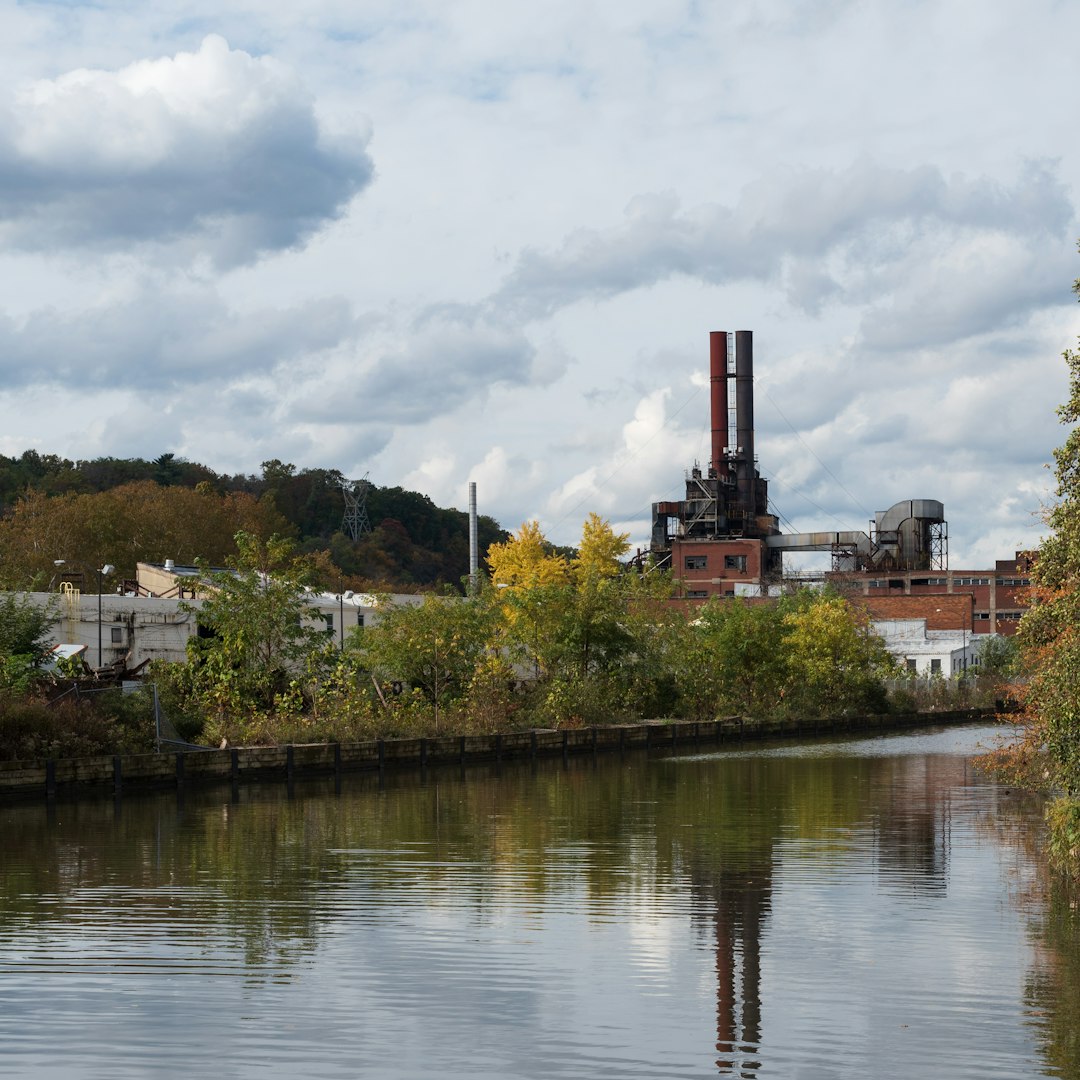
Efforts to control disease epidemics in Philadelphia did not begin in earnest until after the devastating Yellow Fever Epidemic of 1793, which killed between 4,000 and 5,000 inhabitants. Following that epidemic, the commonwealth of Pennsylvania in 1798 created a Board of Health, controlled by the city, with the power to levy taxes for public health measures.
The battle led to Philadelphia having the first city health department and the first urban water system. Following not just the 1793 fever but recurrences most years until 1799, the City of Philadelphia created a water system with water being pumped from the Schuylkill River to a waterworks station in 1800. When that proved inadequate for a growing population, a new waterworks was built on the banks of the Schuylkill in 1812, which pumped water up to a reservoir and then by gravity into pipes across the city.
In 1799, Philadelphia created the Lazaretto Quarantine Station, the precursor to Ellis Island. The facility predates similar national landmarks such as Ellis Island Immigrant Hospital and Angel Island and is considered both the oldest surviving quarantine hospital and the last surviving example of its type in the U.S.
Walter Reed and the Scientific Reckoning That Followed
A century lay between Dr. Benjamin Rush’s efforts on behalf of the sick in 1793 Philadelphia and Dr. Walter Reed’s discovery in 1900 that mosquitoes transmit yellow fever. In that time, the disease stirred panic and inspired scientific research in equal measure.
Walter Reed was a U.S. Army physician who in 1901 led the team that confirmed the theory of Cuban doctor Carlos Finlay that yellow fever is transmitted by a particular mosquito species rather than by direct contact. This insight gave impetus to the new fields of epidemiology and biomedicine, and most immediately allowed the resumption and completion of work on the Panama Canal.
Their findings, published in 1901, confirmed that yellow fever was transmitted by the Aedes aegypti mosquito. This discovery revolutionized public health efforts and disease control measures. This groundbreaking work was pivotal not only in combating yellow fever but also laid the groundwork for modern medical research methodologies.
The Epidemic’s Long Shadow Over Modern American Healthcare
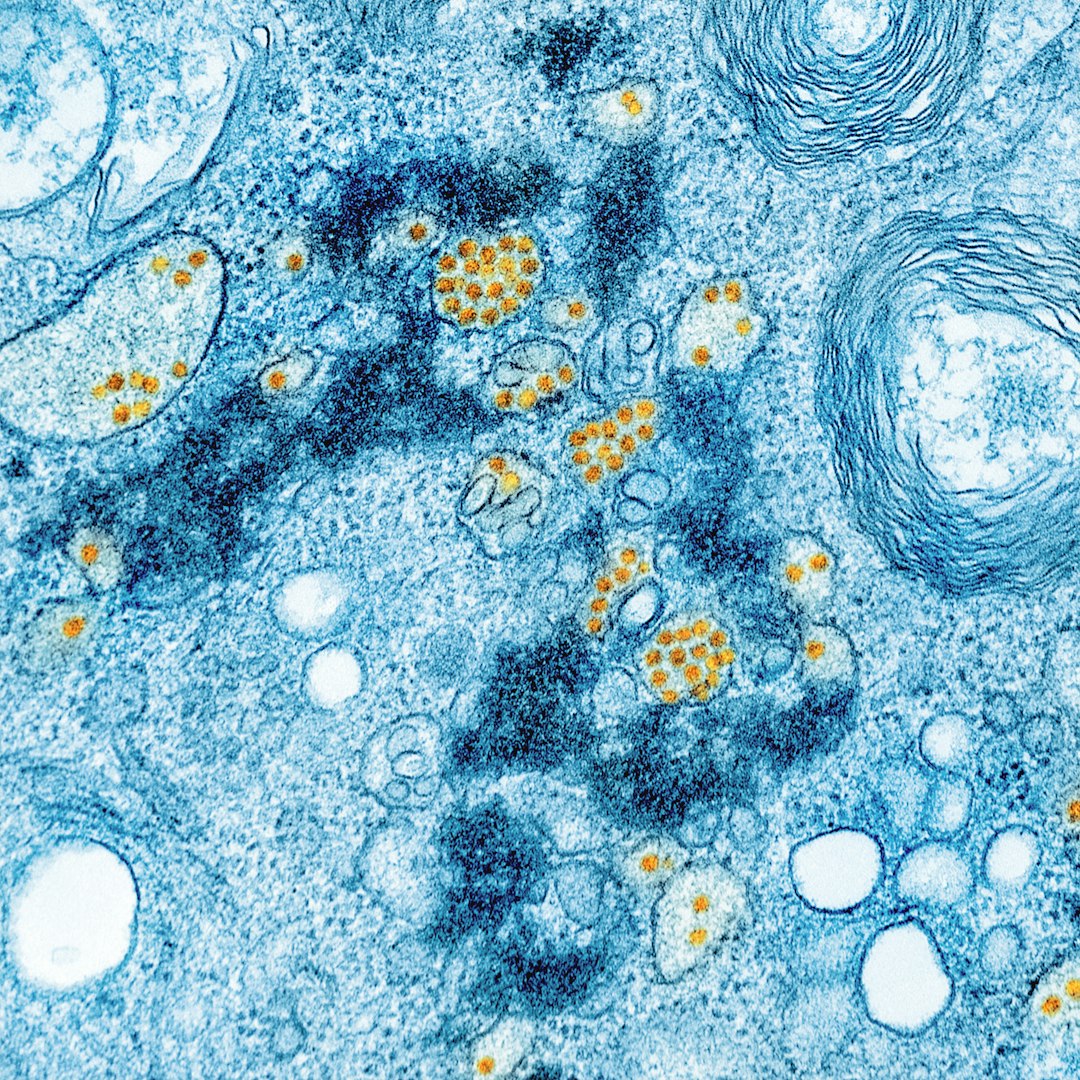
The spread of the disease between Boston and Charleston between 1793 and 1802 made yellow fever a national crisis. It wasn’t manageable as a local problem. That realization, painful and slow, was what eventually pushed the United States toward thinking about health as a collective, federal concern rather than a matter of individual or municipal charity.
Incorporating insights from both parties, Pennsylvania established a new Philadelphia Board of Health in 1795 to enforce both quarantine and sanitary regulations. Notwithstanding the new measures, the fever returned seven times in the following twelve years, and 1793 set the model for how Philadelphians responded to subsequent outbreaks. Each recurrence reinforced the infrastructure that had been built.
In 1793, a yellow fever epidemic in Philadelphia killed about 5,000 people and altered the course of history. The structures it forced into existence, including municipal health boards, quarantine stations, public hospitals, and coordinated emergency response committees, were not elegant or deliberate inventions. They were desperate, improvised answers to catastrophic failure. That, more than anything, is how the modern American public health system was actually born: not from careful planning, but from a city that had no other choice but to figure it out under fire.