

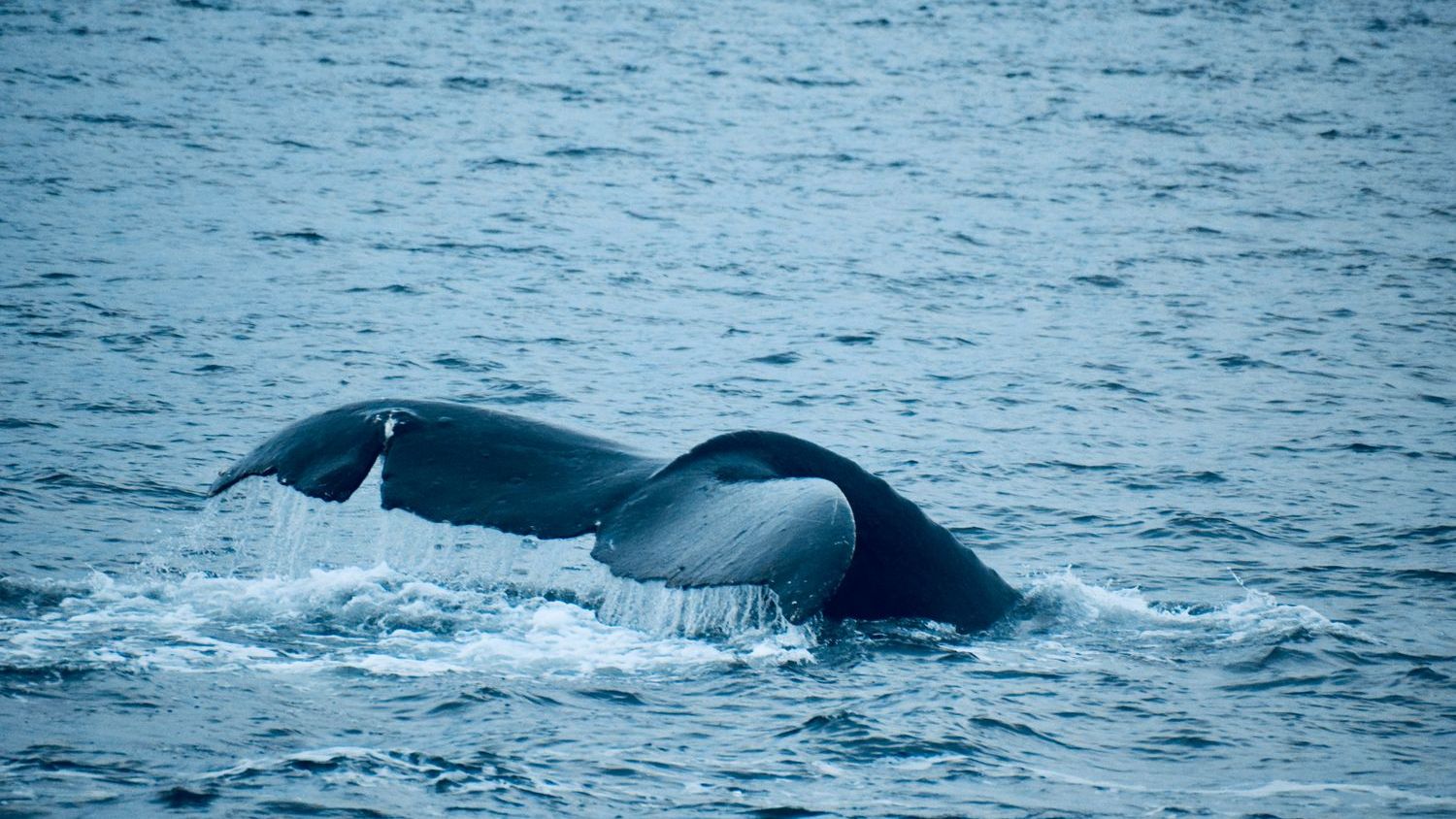
War‑driven sea detours are reshaping shipping routes, putting whales off South Africa in sudden peril – Image for illustrative purposes only (Image credits: Unsplash)
Conflicts across the Middle East have forced cargo vessels to abandon traditional routes through the Red Sea and Suez Canal. Many now travel around the Cape of Good Hope, placing them directly in waters off South Africa that serve as critical feeding and migration grounds for several whale species. Researchers have linked this sudden increase in traffic to a sharp rise in collision risks for the animals.
Why Shipping Patterns Changed
Attacks on vessels and heightened security concerns in the Red Sea prompted shipping companies to seek safer passages. The alternative route around southern Africa adds thousands of kilometers and days to each journey, yet operators have accepted the delays to protect crews and cargo. This adjustment has concentrated large vessels in a relatively narrow corridor along the South African coast.
The shift occurred rapidly once tensions escalated, leaving little time for marine authorities to adjust protective measures. Ports in the region have recorded higher volumes of traffic, with some days seeing dozens of additional ships passing through whale habitats that previously saw lighter use.
Direct Consequences for Whales
South African waters host seasonal populations of humpback, southern right, and Bryde’s whales. These animals often feed near the surface or travel in predictable paths that now overlap with the new shipping lanes. Larger, faster container ships increase the chance of strikes that can injure or kill whales outright.
Even non-fatal collisions can leave animals with propeller wounds or internal injuries that reduce their ability to feed or reproduce. Noise from increased engine activity may also disrupt communication and navigation, compounding the physical threat of impact.
Research Perspective on the Emerging Risk
Scientists monitoring the area have noted the correlation between rerouted traffic and elevated collision reports. Their observations, shared with international news outlets, indicate that the change in shipping behavior has placed whales in sudden peril where risks were previously lower.
Tracking data from tagged whales and vessel monitoring systems show clear overlap between busy new routes and known whale aggregation zones. The findings underscore how distant geopolitical events can produce immediate, localized effects on marine ecosystems thousands of kilometers away.
Stakeholders and Practical Responses
Shipping firms, South African maritime authorities, and conservation groups now face the task of balancing global trade needs with wildlife protection. Possible steps include adjusted speed limits in high-risk zones, seasonal route modifications, and expanded real-time whale detection systems.
Cooperation between these parties could limit further harm while the underlying conflicts continue to influence global shipping. Without coordinated action, the current pattern of increased vessel traffic is expected to persist for the foreseeable future.
What matters now: The rerouting has already altered risk levels for whales off South Africa. Timely measures by industry and regulators can reduce collisions while trade continues.