

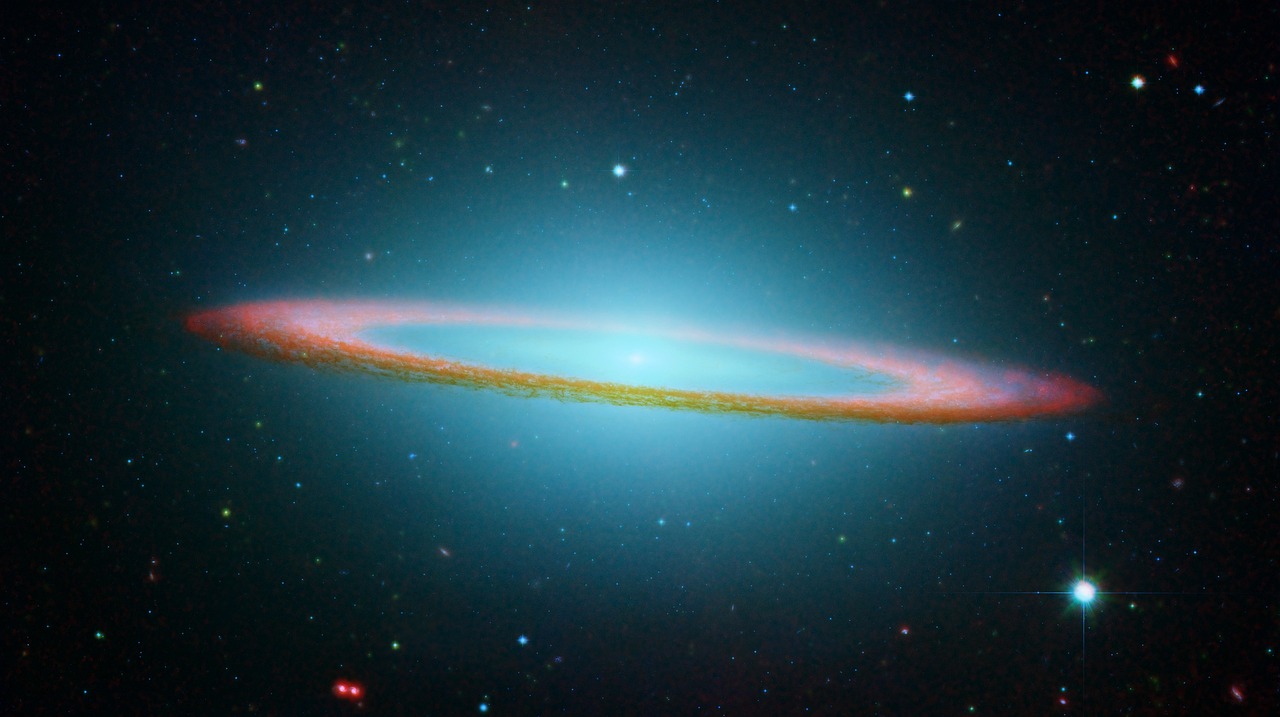
Starwatch: Prime time to see Virgo, one of the fainter zodiac constellations – Image for illustrative purposes only (Image credits: Pixabay)
Virgo stands out this season as one of the zodiac’s more understated constellations, yet it occupies an especially favorable position for evening viewing across the northern hemisphere. Located along the ecliptic path traced by the sun, moon and planets, the figure of the virgin sits between the prominent Leo to its west and the equally subdued Libra to its east. Observers who turn their attention southward on clear spring evenings can locate it without specialized equipment, provided they allow their eyes time to adjust to the darkness.
A Fainter Presence Among Brighter Neighbors
Unlike the bold outline of Leo or the distinctive shape of other spring constellations, Virgo lacks a single dominant star that immediately draws the eye. Its brightest member, Spica, registers only as a modest point of light compared with the luminaries in neighboring figures. This relative faintness means the constellation rewards those who scan a wider patch of sky rather than searching for one standout object.
The arrangement creates a natural contrast that helps define Virgo’s boundaries. Leo’s bright stars provide a reliable western anchor, while Libra’s more modest stars mark the eastern limit. Between these markers, Virgo’s pattern of fainter stars forms a loose, elongated shape that stretches across a sizable portion of the southern sky during spring months.
Optimal Timing for Northern Observers
Spring evenings place Virgo at a convenient height above the southern horizon for viewers at mid-northern latitudes. Around 11 p.m. local time, the constellation reaches a position where it can be traced comfortably from urban or suburban sites with moderate light pollution. The same geometry holds throughout the week, giving repeated opportunities to confirm the sighting under varying conditions.
Clear skies and a moonless night improve the chances of distinguishing Virgo’s stars from the background. Once located, the constellation remains visible for several hours before it begins to sink toward the western horizon, offering ample time for leisurely observation without rushing.
Practical Steps for First-Time Viewers
- Begin by identifying Leo’s bright Regulus high in the southwest as a reference point.
- Shift gaze eastward from Leo to locate the more modest stars that form Virgo’s extended shape.
- Allow several minutes for dark adaptation so fainter stars become visible against the night sky.
- Scan slowly across the region between Leo and Libra rather than focusing on any single point.
- Repeat the observation on subsequent evenings to note how the constellation’s orientation changes slightly with Earth’s rotation.
Why Virgo Rewards Patient Stargazing
Many people overlook Virgo because its stars do not form an instantly recognizable pattern like Orion or the Big Dipper. Yet this very quality makes it a satisfying target for those willing to move beyond the brightest objects. The constellation’s placement on the zodiac adds an extra layer of interest, as it lies along the same celestial highway used by the planets throughout the year.
Appreciating Virgo encourages a slower, more deliberate approach to the night sky. In an era when bright satellites and urban glow often dominate attention, locating this fainter figure offers a reminder that some celestial sights reveal themselves only to those who look carefully and return regularly. As spring progresses, Virgo remains a steady presence, inviting repeated visits before summer constellations take over the evening sky.