

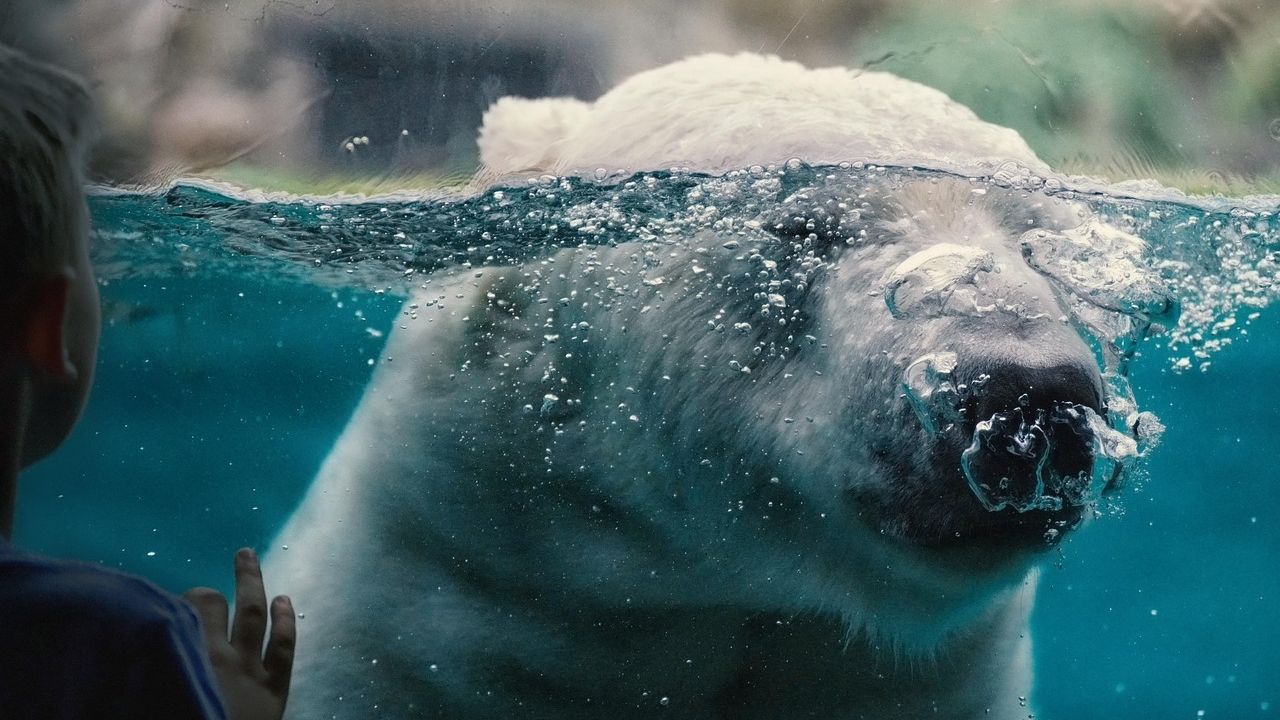
More polar bears are approaching human sites as the climate warms, and it’s not just the skinny ones – Image for illustrative purposes only (Image credits: Pixabay)
Across the western shores of Hudson Bay, remote cameras have captured a steady rise in polar bear visits to human infrastructure. The pattern tracks closely with the lengthening ice-free season each year. Researchers tracking the animals over a decade found that the bears are not simply driven by desperation for food. Instead, the extra weeks on land appear to increase the odds of encounters simply because the animals are present longer.
Arctic Sea Ice Loss Reshapes Daily Life for Bears
Polar bears traditionally rely on sea ice to hunt seals during the winter and spring. When the ice retreats earlier and returns later, the animals move onto shore for extended periods. In western Hudson Bay, this shift has become more pronounced over the past several decades. The bears then roam coastal areas where human activity, from research camps to communities, has also grown.
Longer time on land does not automatically mean the bears are starving. Many continue to find alternative food sources, such as berries, bird eggs, or even marine mammal carcasses. The key change is the duration of their presence near developed sites rather than a sudden spike in nutritional stress.
Camera Data Reveals a Clear Pattern
A team of scientists from the University of Saskatchewan and the University of Manitoba analyzed more than 580 polar bear visits recorded by remote cameras at four sites between 2011 and 2021. The study, published in Arctic Science, examined how sea ice timing, bear body condition, and human presence influenced the frequency of visits.
The length of the ice-free season emerged as the strongest predictor. Years with earlier ice breakup and later freeze-up saw noticeably higher numbers of bear detections. Body condition scores, measured through visual assessments and other indicators, showed no significant link to increased visitation rates. Human activity at the sites also did not appear to deter or attract the animals in measurable ways.
Lead researcher Douglas Clark noted that the findings challenge the assumption that only nutritionally stressed bears seek out human areas. The data instead point to simple opportunity: more days on shore translate into more chances for bears to pass near camps and settlements.
Body Condition Plays a Different Role
While poor body condition does not drive bears toward people, it may still influence how encounters unfold once they occur. Bears in weaker condition could be more likely to persist in an area or react defensively if surprised. This distinction matters for safety planning, because it shifts focus from preventing hungry bears from arriving to managing the interactions that do happen.
The study leaves some questions open. Researchers emphasize that further work is needed to understand how individual bears behave once they reach human sites and whether certain age groups or sexes respond differently. Long-term monitoring will help clarify whether the pattern holds across other Arctic regions.
What This Means for Arctic Communities
Communities in the region already use a range of measures to reduce conflicts, including waste management, bear patrols, and public education. The new evidence suggests these efforts remain essential even when bears appear in good condition. Because the increase in visits stems from longer ice-free periods rather than widespread starvation, the trend is likely to continue as long as Arctic warming persists.
Conservation groups stress that addressing the root cause – climate change – remains the only way to stabilize sea ice and reduce the overall frequency of these encounters. In the meantime, accurate information about bear behavior helps both residents and visitors respond appropriately.
Key points from the research
- Longer ice-free seasons strongly predict more polar bear visits to human sites.
- Body condition does not significantly influence how often bears approach these locations.
- Human presence at the sites showed little effect on visitation rates.
- Further study is needed to understand how encounters escalate once bears arrive.
The findings offer a measured view of a changing Arctic. They show that polar bears are adapting to new seasonal rhythms in ways that bring them closer to people more often, yet the drivers are more straightforward than many had assumed. Continued observation and thoughtful management can help keep both bears and communities safer while the larger climate picture evolves.