

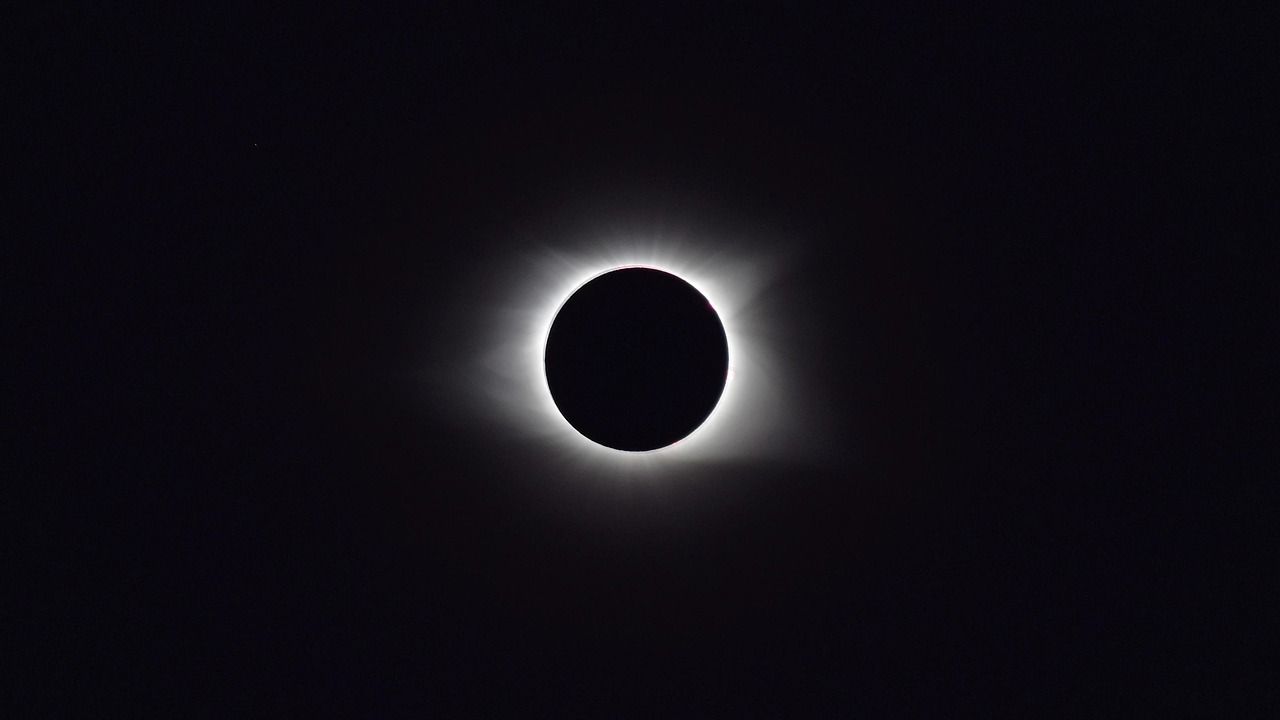
Total solar eclipse 2026 vs 2027 – Which one should you choose? – Image for illustrative purposes only (Image credits: Pixabay)
With the next total solar eclipse just three months away, travelers and astronomy enthusiasts face a rare decision. The August 12, 2026 event offers dramatic scenery across Iceland and northern Spain, while the August 2, 2027 eclipse promises an unusually long period of darkness over North Africa. Both will deliver the full spectacle of day turning to night, yet each carries distinct advantages in duration, location, and logistics.
2026 Brings Volcanic Backdrops and a Sunset Finale
The 2026 eclipse begins its path of totality in remote Arctic regions before crossing eastern Greenland and western Iceland. From there it sweeps into northern Spain, where the final stages unfold at sunset along the coast. Maximum totality lasts just over two minutes, creating a brief but intense window of darkness against rugged volcanic terrain and dramatic coastal cliffs. Iceland stands out for its mix of glaciers, lava fields, and hot springs, offering photographers and adventurers a striking foreground for the celestial event. Spain adds the appeal of historic cities and easier European access, though crowds are expected to swell in popular viewing spots. The shorter duration means the experience feels more fleeting, yet the combination of natural drama and sunset timing gives it a unique visual punch.
2027 Delivers Record Duration in Desert Clarity
One year later, the 2027 eclipse earns its nickname as the eclipse of the century with up to six minutes and 23 seconds of totality near Luxor, Egypt. The path crosses southern Spain, Morocco, Algeria, Tunisia, Libya, and Egypt before heading into the Middle East. This extended darkness allows more time to observe the corona, planets, and stars in a sky that turns truly black. Egypt’s desert locations provide some of the clearest skies on the route, with historically low cloud cover in August. The longer totality transforms the event into a more immersive experience, giving viewers time to absorb the full sensory shift from daylight to night. Southern Spain remains an option for those preferring a European base, though the maximum duration there falls short of the African peak.
Practical Factors Shape the Decision
Accessibility favors 2026 for many, with direct flights to Iceland and Spain already available and established tourism infrastructure. The 2027 route requires more planning for North African destinations, though organized tours are expanding rapidly. Both events will draw large numbers of visitors, so early bookings for lodging and transport are essential. Weather reliability tilts toward 2027 in the desert regions, while 2026 carries higher uncertainty in Iceland and coastal Spain. Cost considerations also differ: European options in 2026 may prove more budget-friendly for shorter trips, whereas 2027 expeditions to Egypt often bundle multi-day experiences with cultural sites.
What Matters Now for Viewers
Those prioritizing dramatic landscapes and quicker travel should lean toward 2026. Travelers seeking the longest possible totality and reliable clear skies will find 2027 more rewarding. Either choice delivers a once-in-a-lifetime alignment of sun, moon, and Earth. The two eclipses together mark a rare window of opportunity before the next long gap in total solar events. Planning around personal priorities of time, budget, and desired intensity will determine the stronger fit.