

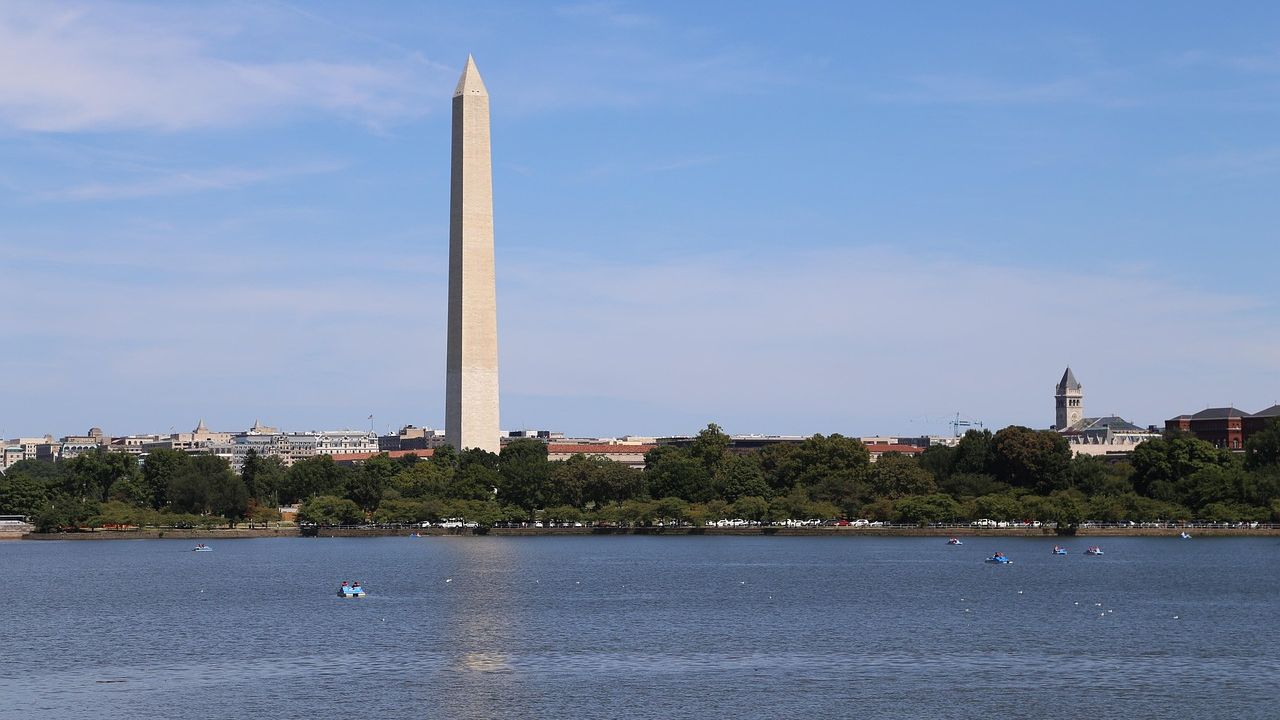
Remembering Washington’s Patriotism – Image for illustrative purposes only (Image credits: Pixabay)
Washington, D.C. – Conversations about public safety in the nation’s capital have intensified in recent months, prompting renewed attention to how communities can address persistent challenges while staying true to core national ideals. The topic carries particular weight in a city that serves as both a seat of government and a symbol of the country’s origins. Residents, officials, and observers alike continue to weigh practical responses against the broader values that have shaped American life for generations.
Understanding the Broader Context
Crime remains a complex issue that affects daily life in many urban centers, including the capital. Local leaders have focused on strategies that combine enforcement with prevention efforts aimed at root causes such as economic opportunity and family stability. These approaches reflect long-standing debates about the proper role of government in protecting citizens while fostering individual responsibility. Historical examples of leadership during times of uncertainty offer perspective. Figures from the founding era emphasized unity and duty as essential to overcoming division and hardship. Such principles continue to inform discussions today about how society can respond effectively to disorder without losing sight of shared purpose.
Community Responses and Local Initiatives
Neighborhood groups and civic organizations have stepped forward with programs designed to support at-risk youth and strengthen family networks. These efforts often emphasize education, mentorship, and access to resources that help individuals avoid involvement in criminal activity. Success stories from various districts highlight the value of sustained, collaborative work between residents and authorities. Law enforcement agencies have also adjusted tactics, incorporating data-driven methods alongside community policing models. The goal remains consistent: reduce incidents while building trust between officers and the people they serve. Progress in some areas has been steady, though challenges persist in maintaining momentum across all parts of the city.
Lessons From the Past for Present Challenges
The capital’s unique place in American history invites reflection on how earlier generations confronted threats to order and stability. Warnings against division and calls for genuine commitment to the common good remain relevant when addressing modern problems like crime. These ideas encourage a focus on integrity and collective effort rather than short-term fixes. Officials have noted that lasting improvements depend on consistent application of both accountability and compassion. Programs that pair strict consequences for serious offenses with opportunities for rehabilitation have shown promise in other jurisdictions and are under active consideration locally.
What Matters Now
- Continued investment in prevention alongside enforcement
- Stronger partnerships between government, nonprofits, and residents
- Attention to economic and social factors that contribute to crime
- Public discourse grounded in shared national values
The path forward requires steady attention to both immediate safety needs and the deeper principles that define the country. By keeping those principles in view, the capital and its people can work toward solutions that strengthen rather than erode the fabric of community life.