

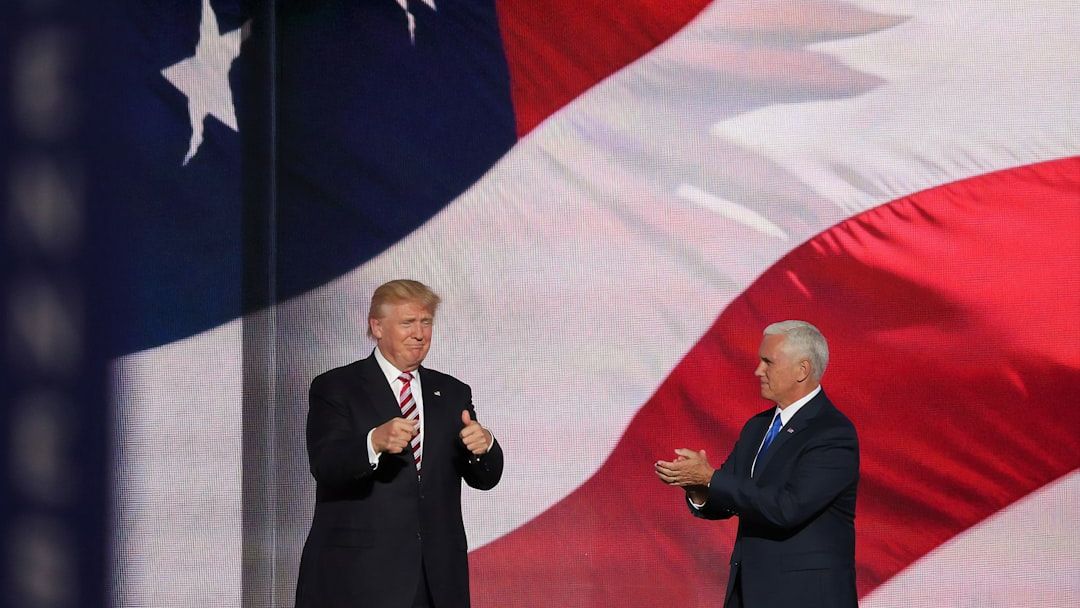
Trump says he doesn’t need Xi’s help on Iran – Image for illustrative purposes only (Image credits: Unsplash)
Washington – President Donald Trump said Tuesday he sees no need for Chinese assistance in dealing with Iran as he prepared to depart for a high-stakes summit in Beijing. The remark came amid an ongoing conflict that has lasted roughly ten weeks and produced a fragile ceasefire now described as hanging by a thread.
Trump’s Blunt Assessment
Speaking to reporters before boarding his flight, Trump made clear that the United States would manage the situation on its own. “I don’t think we need any help with Iran,” he stated. “We’ll win it one way or the other, peacefully or otherwise.” The comment marked a shift in tone from earlier efforts in which the administration had sought Beijing’s influence to press Tehran toward a negotiated end to hostilities.
Background of the Standoff
The conflict began after U.S. and Israeli forces targeted Iranian sites, leading to weeks of exchanges that disrupted global energy routes, particularly the Strait of Hormuz. Iran has rejected recent American proposals for de-escalation, prompting Trump to label the latest response unacceptable. Gas prices have risen sharply in the United States, adding domestic pressure as the president heads abroad. China, a major purchaser of Iranian oil, has been credited with helping nudge both sides toward the initial ceasefire last month, yet Trump now downplayed any reliance on that role.
Focus of the Beijing Summit
Trump’s visit to China this week will center on trade, investment, and the Iran situation, even as differences persist. Officials expect discussions on reopening the strait and broader economic ties. Trump has previously written to Xi asking China not to supply weapons to Iran and received assurances in return. Despite the friction, both leaders appear determined to prevent the Iran issue from derailing other aspects of the relationship, including potential tariff relief and supply-chain stability.
Domestic and Global Pressures
The trip occurs against a backdrop of record-low approval ratings for Trump at home, driven in part by the economic fallout from the conflict. Analysts note that a successful outcome in Beijing could provide a needed foreign-policy boost. At the same time, the war has highlighted limits to U.S. leverage, with Iran continuing to resist full compliance. Trump has signaled he remains open to either a peaceful resolution or a more forceful conclusion, leaving the path forward dependent on how talks with Xi unfold.