

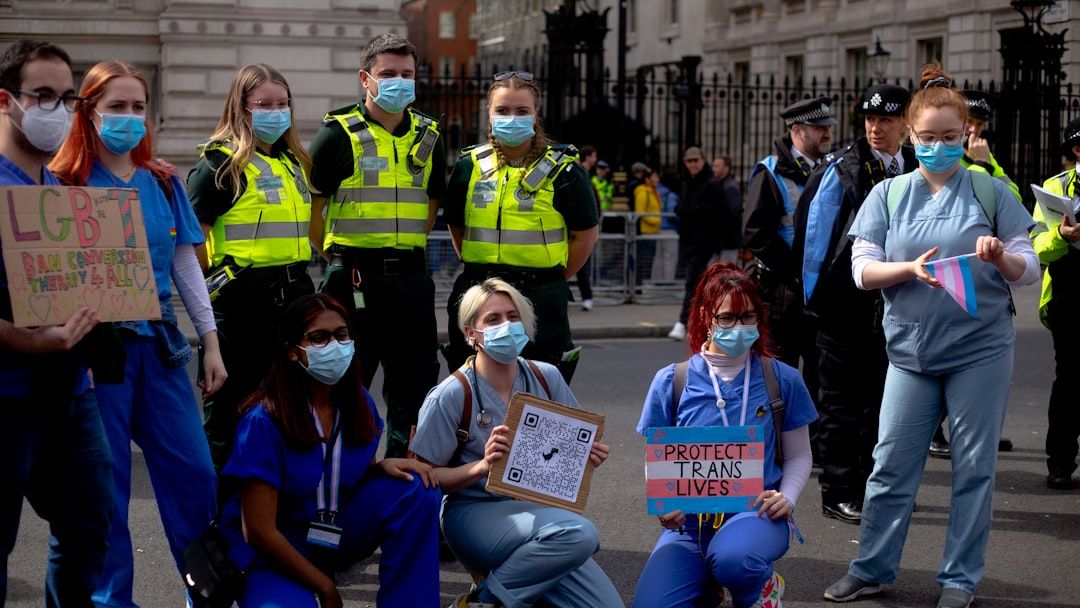
B.C. nurses could take job action after overwhelming strike vote – Image for illustrative purposes only (Image credits: Unsplash)
Vancouver – The B.C. Nurses’ Union has received a decisive mandate from its members to pursue job action if talks remain stalled. Roughly 50,800 nurses cast ballots, with 98.2 per cent approving the measure after six months of negotiations produced no agreement. The outcome does not trigger an immediate walkout, yet it gives the union legal room to act once required notice is served.
Vote Details and Union Position
Union president Adriane Gear addressed reporters in downtown Vancouver and stressed that members did not seek this route without cause. She noted that health employers had effectively compelled the vote by failing to move on core demands. The result leaves nurses positioned to escalate, though any action remains subject to essential-service rules that limit its scope.
Gear emphasized the union’s preference for renewed bargaining. Both sides have signaled openness to further talks, and the union plans to evaluate options only if those discussions collapse. The vote itself serves mainly as leverage rather than an automatic trigger for disruption.
Core Issues Driving the Impasse
Pay and benefits remain the central points of disagreement. The union points out that other public-sector groups secured an extra two per cent over two years, while nurses have been offered just 0.4 per cent on top of existing rates. No improvements to benefits have been proposed despite years of rising workloads and documented increases in workplace violence.
The previous contract expired in March 2025, with formal talks beginning the previous October. The union represents approximately 55,000 nurses across hospitals, long-term care facilities, and community settings throughout the province. These conditions have left many members feeling undervalued at a time when staffing pressures continue to grow.
Legal Limits and Practical Outlook
Because nurses are designated an essential service, any job action would be tightly regulated by the Labour Relations Board. Full-scale strikes are not permitted, and the union would need to demonstrate that patient care remains protected. This framework means any escalation would likely involve targeted measures rather than a complete withdrawal of services.
Both the union and employers have expressed willingness to return to the table. Should those efforts fail, the union has indicated it will reassess its strategy and consider measured steps to increase pressure. The current vote simply preserves that flexibility without committing to any specific timeline.
Key points at a glance
- 98.2 per cent of roughly 50,800 nurses approved the strike vote.
- Pay gap with other unions stands at 1.6 percentage points over two years.
- Essential-service rules will restrict the form any job action can take.
- Both sides remain open to further negotiations.
Path Forward for Health-Care Stability
The coming weeks will hinge on whether renewed talks can bridge the remaining differences. A successful agreement would avert any disruption and allow focus to return to patient care. If negotiations falter, the union’s options remain constrained by law yet still carry weight in the broader labour landscape.
Health authorities and the provincial government now face a clear signal that nurses expect meaningful movement on compensation and working conditions. How both sides respond will determine whether the current impasse resolves quietly or leads to limited, regulated job action later this year.