
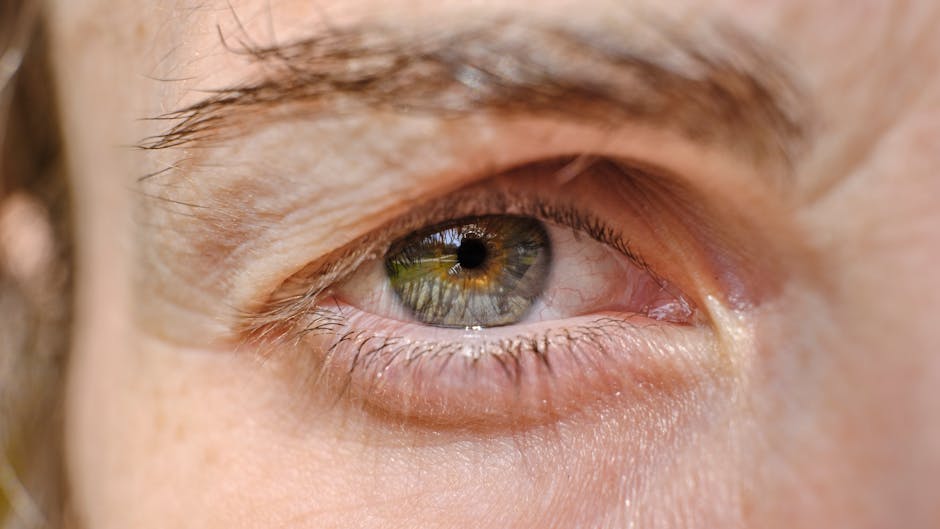

What Normal Blinking Actually Tells Us About the Brain
Research shows that a typical adult blinks between 15 and 20 times per minute, depending on emotion and context. That range isn’t arbitrary. Blinking serves obvious physical functions, like keeping the eye lubricated, but the timing of those blinks is deeply tied to what’s happening in the mind.
During spontaneous blinking, brain areas involved in orienting attention toward the environment are inhibited, which means every blink is, in a small but measurable way, a brief mental pause. When volunteers blinked, their brain activity spiked in areas that operate when the mind is in a state of wakeful rest.
The frequency of eye blinks is not exclusively a function of eye-dryness, but is instead modulated by several other variables, including psychological ones. One of the most important variables is the extent of attention allocated to perform a task, a variable usually defined as cognitive load. Understanding this sets the stage for everything that follows.
The Dopamine Connection: Your Blink Rate Is a Chemical Signal
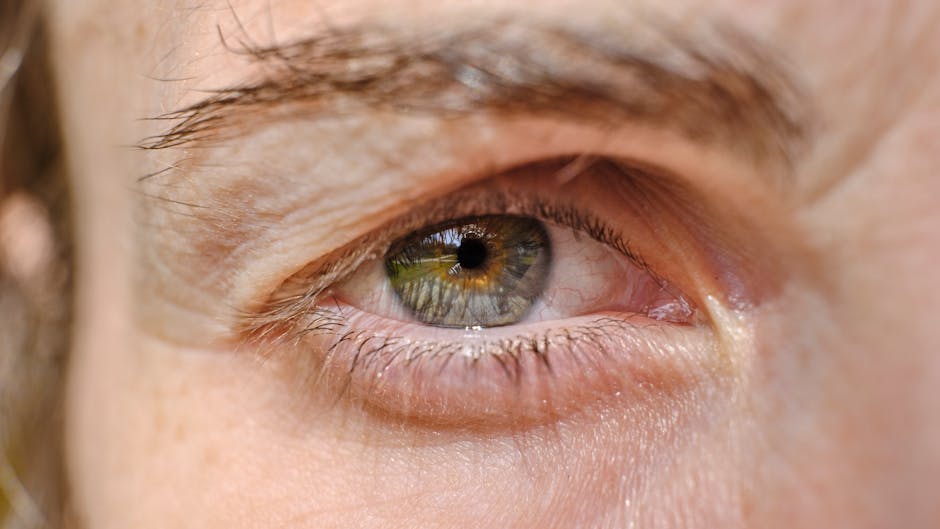
An extensive body of research suggests the spontaneous eye blink rate is a non-invasive indirect marker of central dopamine function, with higher blink rate predicting higher dopamine function. This is a striking finding. Something as small and routine as an eye blink carries neurochemical information about brain activity.
Decades of research show the spontaneous eye blink rate is closely associated with central dopamine function, particularly in the striatum. Specifically, blink rate tends to correlate positively with dopamine activity at rest, illustrated by the fact that reduced and increased activity due to drugs or disorders is associated with low and high blink rate, respectively.
Under strong attentional demand, dopamine-related blink activity was inhibited throughout the whole task. When someone locks onto you during a confrontation and doesn’t blink, it’s not simply an act of will. The brain’s own dopamine-attention system is suppressing the reflex.
How the Amygdala Shapes the Gaze During Threat
The potentiation of the startle blink appears to be driven by activity from the amygdala feeding into the neural circuitry of the startle reflex, which suggests that startle blink potentiation can be interpreted as an index of defensive fear processing. In most people, a threatening face or tense confrontation triggers heightened amygdala activity, which in turn amplifies the startle blink and disrupts a steady gaze.
Functional MRI studies reveal altered connectivity between the amygdala and prefrontal cortex in psychopathic individuals. This disrupted communication may impair emotional regulation and decision-making. Without the usual amygdala signal telling the body to flinch, the blink reflex stays suppressed and the stare holds.
Related to the physiological reaction of the startle reflex is the associated brain activity, more specifically the amygdala, which is a part of the brain that is important to the perception and interpretation of emotional responses. Research has suggested that the absence of augmented startle potentiation may reflect a diminished activity in the amygdala, which is empirically linked to fear. This is the core of the biology: less fear, fewer blinks.
The Fear Deficit and the Unblinking Gaze
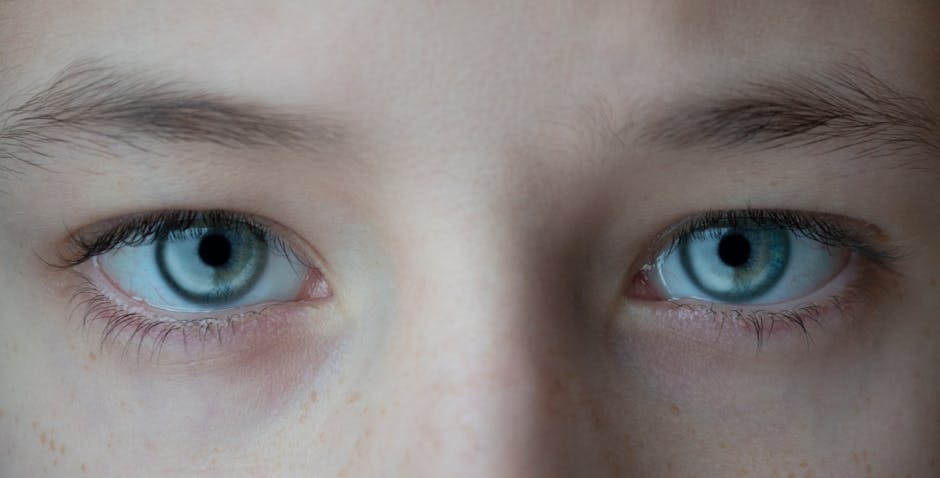
Consistent with prior research, scores on the interpersonal-emotional facet of psychopathy, termed “fearless dominance,” were associated with deficient fear-potentiated startle. This isn’t just theoretical. It shows up in real physiological measurements, including the eye reflex itself.
Data shows that psychopathic criminals displayed less blink reflex while watching scenes of mutilations or assaults than other types of criminals. This is consistent with the idea that psychopathic individuals have a specific empathy deficit that makes them physiologically unresponsive while observing others in distress. However, there also appears to be a reduced blink reflex at threatening moments, suggesting that the deficit in defensive reactivity is not limited to observing others in danger.
Psychopathic offenders had no pupillary response to negative stimuli. Interestingly, they did show pupillary response when exposed to positive images. This suggests that psychopaths may not have an overall immunity to emotion. Rather, they have a specific insensitivity to disturbing stimuli. The stare, then, reflects an uneven emotional landscape rather than total emotional blankness.
Cognitive Lock-In: When Focus Suppresses the Blink Reflex
People tend to blink less frequently when they’re concentrating on a visual task, like reading or watching a movie. This reduction in blinking helps to minimize the amount of visual information we miss during those brief moments when our eyes are closed. A confrontation is, biologically speaking, a high-stakes visual task. The brain doesn’t want to miss a thing.
Blink rate decreased with increasing demand and difficulty in a task of sustained attention. In a tense face-to-face interaction, both parties are under enormous attentional load. Most people still blink because stress and fear counteract the focus. Those who don’t blink are likely experiencing the focus without the fear.
Studies show that while non-psychopaths average a blink every 2 to 3 seconds, psychopaths tend to blink significantly less, especially during intense conversations. One study found that psychopaths displayed a blink rate as low as 1 blink every 10 seconds when engaged in discussions that required high levels of focus. That’s a dramatic shift from baseline, and it’s perceptible even to an untrained observer.
The Gaze as Dominance: What Prolonged Eye Contact Signals

The threatening stare is a display cue that is universally understood as a signal of dominance, which can result in an increase in anxiety for the recipient of the gaze. Research has found that consistent and prolonged gaze is perceived as more threatening and dominant when used by men and when used by individuals who are perceived in high-status positions. The stare, across cultures and even across species, carries a specific social message.
Among most primates, direct gaze can serve as an explicit and implicit signal of threat or dominance, indicating that overt physical aggression might soon follow. It is thus often associated with social status and may elicit an avoidance response in a subordinate individual or an antagonistic counter response by another higher in the social hierarchy. This behavioral pattern is not a cultural invention. It’s ancient.
Research indicates that individuals with psychopathic traits tend to engage in longer periods of direct eye contact compared to non-psychopaths. This extended gaze can serve multiple purposes. Psychopaths may use intense eye contact as a tool for manipulation or intimidation. It can help them assess others’ reactions and vulnerabilities. The stare is functional, not just incidental.
The Pupil, “Dead Eyes,” and What the Body Can’t Hide

Studies have shown that individuals with psychopathic traits often exhibit reduced pupil dilation in response to emotional stimuli. This muted reaction aligns with the broader emotional deficits observed in psychopathy. The lack of pupil responsiveness may contribute to the perception of “dead eyes,” as the eyes appear less expressive and reactive to social and emotional cues.
Psychopaths may maintain a fixed head position while staring, adding to the unnerving effect. Their facial expressions often lack warmth or genuine emotion, contributing to the impression of “dead eyes.” It’s a confluence of cues, not a single dramatic feature, that creates the overall effect people find so disturbing.
Functional MRI and PET scans have identified several brain regions that show structural and functional abnormalities in individuals with psychopathy. The amygdala is responsible for processing fear, empathy, and emotional responses to others’ distress. Studies show that psychopaths have a smaller and less active amygdala, which explains their lack of fear, emotional detachment, and inability to empathize with others. The eyes may be windows to the soul, but they’re also windows to neural activity.
Not a Diagnosis: Why Other People May Also Not Blink
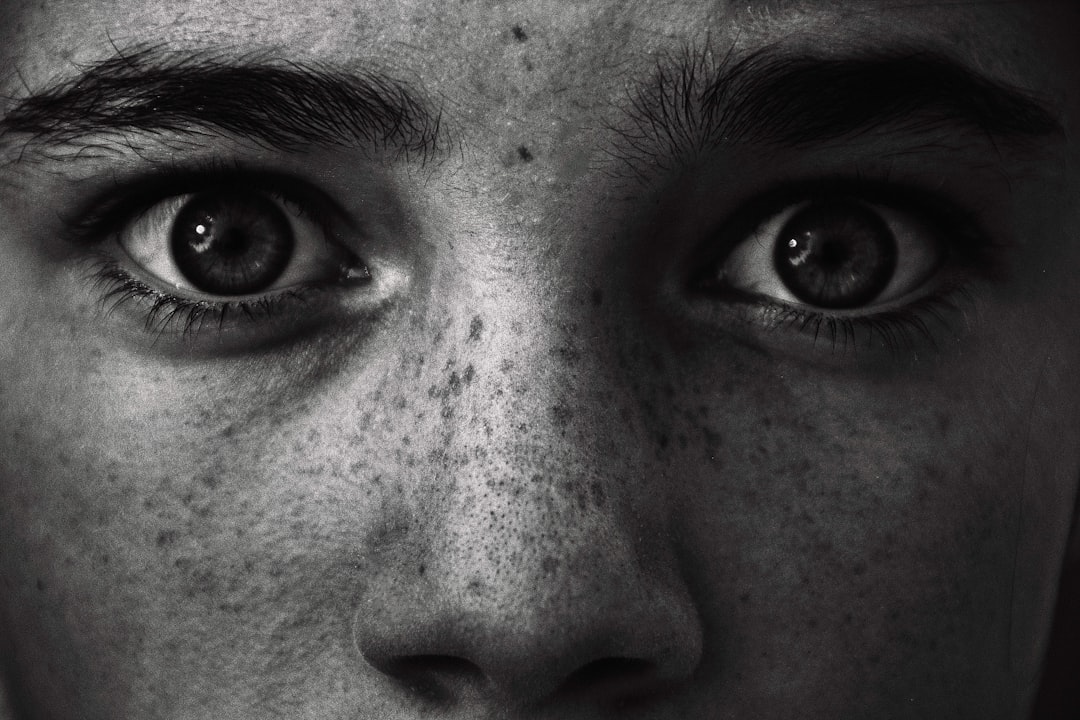
While there have been studies examining various aspects of eye movement and attention in individuals with psychopathic traits, the evidence for a direct link between reduced blinking and psychopathy is far from conclusive. In fact, some research suggests that the relationship between blinking and psychopathy may be more complex than initially thought.
A study published in the journal Personality and Individual Differences found that individuals with higher scores on measures of psychopathy did show some differences in their blinking patterns during certain tasks. However, these differences were subtle and context-dependent, rather than the dramatic reduction in blinking that popular myth would have us believe. The cultural image of the unblinking psychopath is, to some extent, an exaggeration.
It’s important to note that psychopathy is a complex personality disorder diagnosed through comprehensive psychological evaluation. Eye appearance or behavior alone cannot determine if someone is a psychopath. Factors such as lack of empathy, superficial charm, impulsivity, and early behavioral problems are considered in clinical assessments of psychopathy. Military training, high-stakes negotiation experience, anxiety disorders, cultural background, and individual personality variation can all affect how often someone blinks under pressure. The stare is a clue, never a verdict.
The science here is genuinely interesting precisely because it resists simple conclusions. Blinking turns out to be one of the most information-dense behaviors the human body produces, reflecting fear, dopamine, attention, emotional processing, and social dominance all at once. Whether someone doesn’t blink because they feel no fear, or because they’re in a state of deep focus, or simply because they’ve trained themselves to hold eye contact, the underlying biology is doing something real and measurable. That’s worth knowing, even if it doesn’t tell you everything you’d want to know about the person staring back at you.