
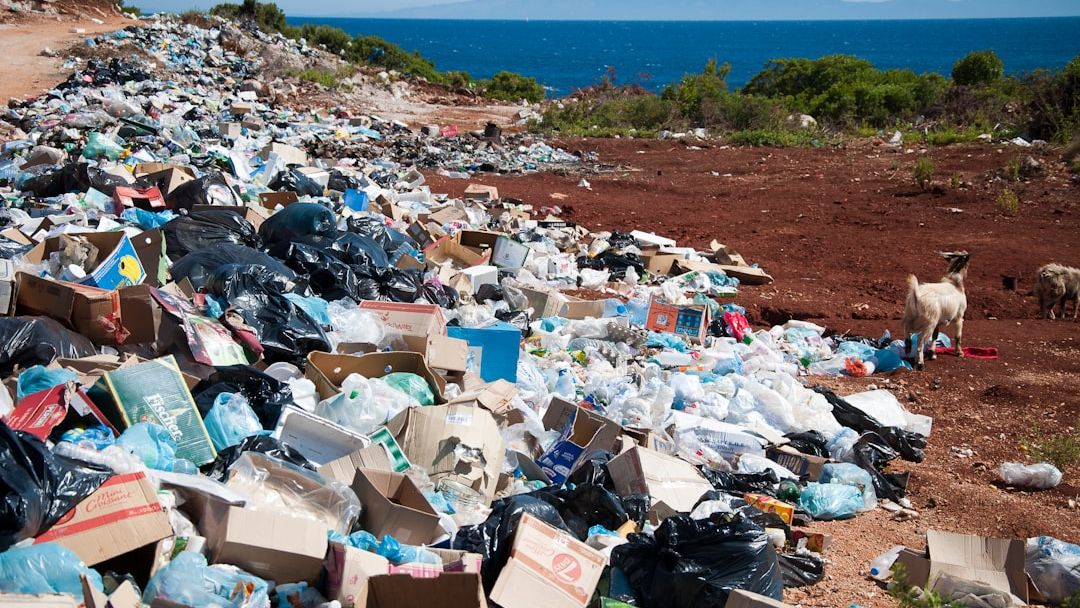

Something quiet but consequential has been building in the background of every shampoo bottle, lotion tube, and deodorant stick sitting on your bathroom shelf. Governments on both sides of the Atlantic have spent the last few years redesigning the rules around plastic packaging, and those changes are now moving from legislation into actual financial reality for companies that make your everyday products.
The costs are stacking up in ways that are hard to ignore. Taxes, recycling fees, reformulation demands, and compliance obligations are hitting the personal care and toiletries industry from multiple directions at once. The question is no longer whether prices will go up. The question is how much, and how fast.
The EPR Revolution: Who Pays Now Has Changed
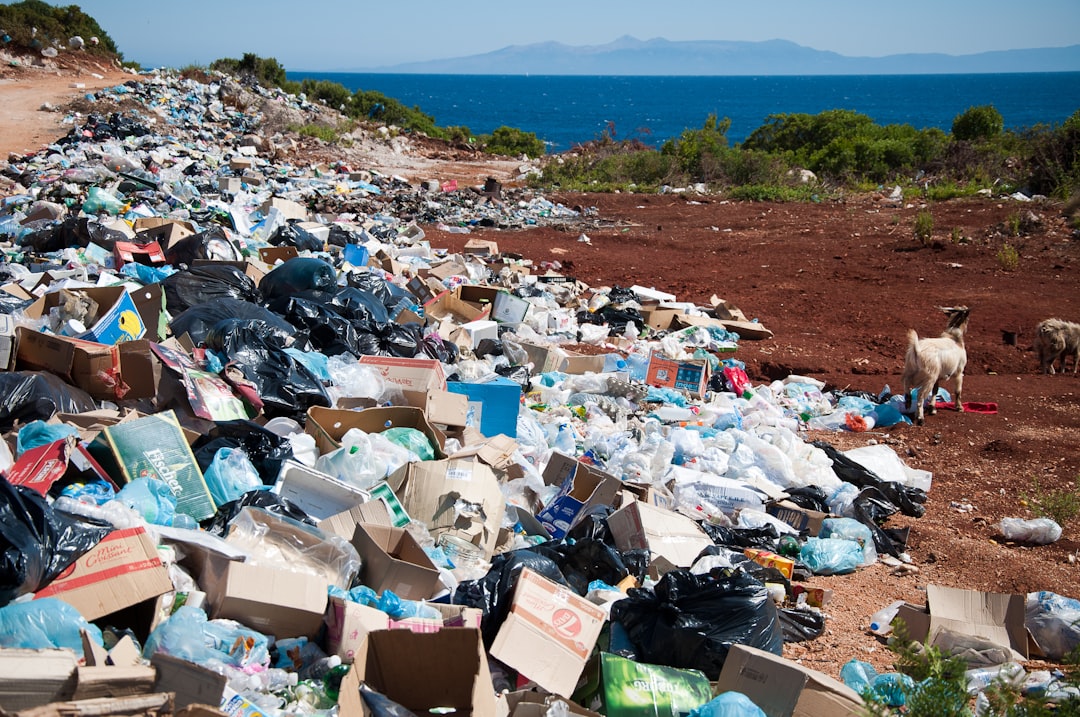
A new era of corporate environmental regulation is emerging through Extended Producer Responsibility packaging legislation. While EPR laws have existed in the U.S. for years for specific products like paint, electronics, and mattresses, a new category has joined the list: consumer packaging. State-enacted packaging-specific EPR laws are quickly reshaping compliance obligations for companies that manufacture, distribute, or sell packaged products.
EPR laws fundamentally alter who pays for and manages packaging waste, shifting the financial and operational burden from local governments and taxpayers to manufacturers, importers, and distributors. Producers now bear responsibility for the entire lifecycle of packaging, from production to post-consumer disposal.
Seven states have enacted packaging EPR legislation: Maine in 2021 was the first, followed by Oregon in 2021, Colorado and California in 2022, Minnesota in 2024, and Maryland and Washington in 2025. These laws fundamentally shift who pays for packaging waste management, from municipalities and taxpayers to the producers who create the packaging. That shift is significant for toiletry brands selling nationwide.
One in Five Americans Now Lives Under a Packaging Fee Regime
As of mid-2025, seven states have passed EPR legislation, according to the Sustainable Packaging Coalition. From a retailer’s point of view, roughly one in five Americans now lives in a state covered by an EPR program. That reach will only grow.
Several trends are likely to shape the U.S. plastic regulation landscape in the near term, and EPR expansion will accelerate. With seven states enacted and several more in the pipeline, EPR is becoming the dominant policy framework for packaging waste.
Hawaii, Illinois, Massachusetts, Michigan, New York, and New Jersey all have pending EPR bills. For a toiletry brand managing dozens of SKUs across multiple states, the compliance picture is already complex and growing more so by the month.
Oregon Made History, and It Was Not Without Pain

Oregon’s controversial program officially began implementation on July 1, 2025, when PRO membership fees were due and enforcement went into effect. More than 2,000 producers registered and received their first invoices from the state government, marking the first time U.S. packaging producers paid into a comprehensive EPR system.
Oregon’s EPR program launch got off to a rough start, with the National Association of Wholesaler-Distributors filing a lawsuit challenging the constitutionality of Oregon’s Plastic Pollution and Recycling Modernization Act. The case alleges violations of the Dormant Commerce Clause and Due Process Clause, arguing the law unfairly targets out-of-state producers, burdens interstate commerce, and imposes opaque and unsustainable costs on distributors.
Noncompliance penalties of up to $25,000 per day went into effect alongside the program launch. For smaller personal care brands selling into Oregon, those potential penalties are not abstract. They are a very concrete incentive to comply, even while legal challenges are still pending.
Colorado and California: Fee Payment Cycles Are Already Here
In Colorado, producers submitted their 2024 data on July 31st, 2025, and were required to pay half of those fees by January 1st, 2026. The remaining amount will be due July 1st, 2026. This is not future planning anymore. These are active payment obligations.
In Colorado, companies had a mid-2025 deadline to submit packaging supply data to the state’s Producer Responsibility Organization, which will inform fee schedules. Easily recyclable materials may incur lower fees, while hard-to-recycle plastics incur higher costs. This is an eco-modulated fee structure intended to incentivize better packaging design.
Progress at the regulatory level in California has been slower, with the state facing continued delays in advancing SB 54’s implementing regulations. In March 2025, Governor Newsom directed CalRecycle to restart the rulemaking process due to concerns over business compliance costs, which resulted in the statutory deadline to finalize the regulations being missed. California’s fees are not expected until 2027, but reporting requirements are already active.
The UK Already Has a Live Plastic Tax, and It Keeps Rising
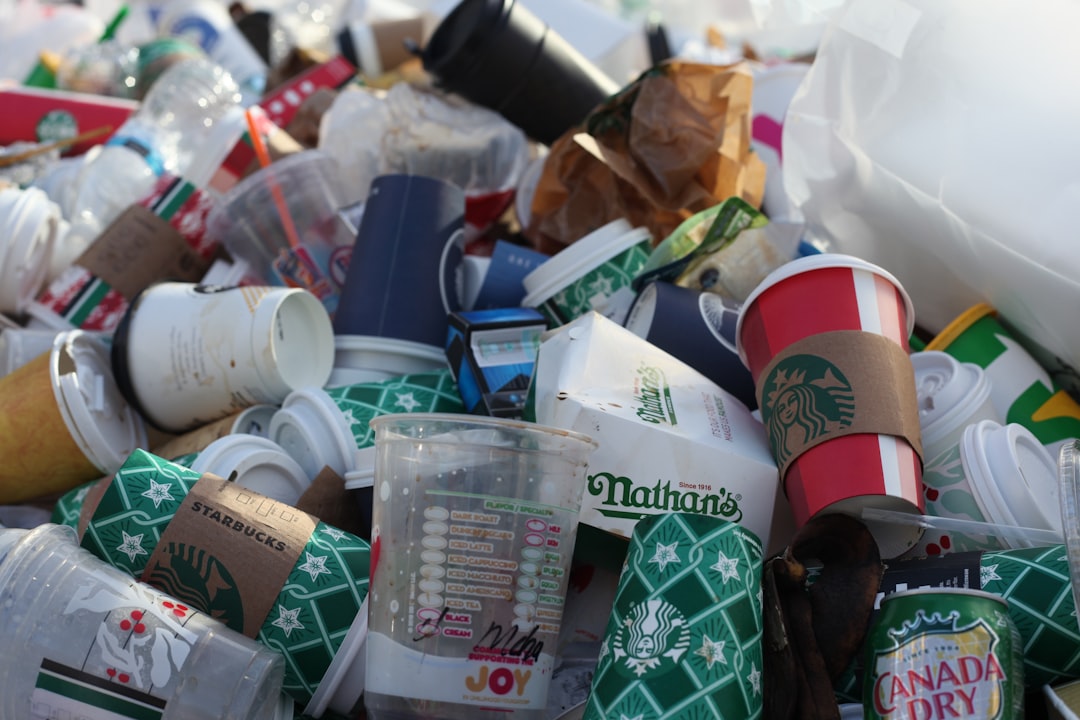
The UK’s Plastic Packaging Tax rate increased from £223.69 per tonne to £228.82 per tonne on April 1, 2026, in line with the Consumer Price Index. The rise represents another step in the government’s commitment to link the tax to inflation. Shampoo bottles, conditioner tubes, and soap dispensers all fall squarely within its scope.
According to HMRC, PPT revenue reached £259 million in the 2024-25 financial year, down 3% on the previous year, and 4,927 businesses were registered for the tax as of August 2025. That revenue figure tells its own story about how much plastic packaging is still failing the recycled content test.
Of the total plastic packaging tonnage covered by the tax in 2024-25, 38% was declared taxable, while 51% of the remaining non-taxable tonnage met the 30% recycled content threshold. The figures suggest that over half of the market has already shifted towards higher recycled content, but a substantial minority of businesses are still paying the tax rather than reformulating their packaging. Personal care brands that have not adapted yet are still absorbing that cost.
The EU’s PPWR: Europe’s Packaging Overhaul Is Underway

The EU’s Packaging and Packaging Waste Regulation general application date is August 12, 2026. The new regulation aims to prevent and reduce packaging waste, make all packaging in the EU market economically recyclable by 2030, increase the use of recycled content in plastic packaging, decrease the use of virgin materials, and put the packaging sector on track to climate neutrality by 2050.
Eco-modulation is an evolving component of EU EPR systems. Under eco-modulated structures, packaging designed for established recycling streams may be associated with lower fees, while materials that are difficult to process may face higher ones. Several EU member states already apply eco-modulated fees. By 2030, this approach will be mandatory across the entire region.
EU member states have achieved an average collection rate of 60%, compared to 28.1% in the U.S., with countries like Germany exceeding 90% through deposit return programs. This gap in infrastructure is precisely why U.S. producers are facing steeper adjustment costs as American recycling systems try to catch up.
Personal Care Packaging Is Directly in the Crosshairs

Regulatory changes like the Extended Producer Responsibility policy are driving brands to reconsider their packaging in the personal care sector. The implications go deeper than simply swapping materials.
One major change visible in the personal care space is a move away from colored PET bottles. As colored bottles are more difficult to recycle, they are subject to higher EPR fees, and the fees associated with products assessed as problematic by certain classification systems are due to increase year-on-year, meaning retaining colored bottles will become increasingly costly.
For personal care and household cleaner products in Washington state, plastic packaging must contain at least 15% post-consumer recycled content by 2025, rising to 25% by 2028, and 50% by 2031. Reformulating packaging to hit those thresholds is a real and measurable production cost, not an abstraction.
Hotel Mini Bottles Were Just the Opening Act

Several states have passed laws restricting small single-use plastic bottles for shampoos and personal care products at hotels. On January 1, 2025, New York banned these mini bottles for hotels with 50 or more rooms. For hotels with fewer than 50 rooms, the ban will go into effect in 2026.
On July 1, 2025, an Illinois law banned hotels with 50 or more rooms from offering small single-use plastic personal care bottles. On January 1, 2026, the law extended to hotels with fewer than 50 rooms. Washington state has a similar law that will take effect in January 2027.
Oregon’s SB 551, passed in May 2025, goes further, phasing out small plastic toiletry containers in hotels with 50 or more rooms by 2027 and barring food service establishments from automatically providing single-use utensils or condiments unless requested. These hotel bans are significant because they close off an entire market channel that personal care brands previously relied on to move high volumes of small-format plastic products.
Eco-Modulation: How the Fee System Punishes Harder-to-Recycle Formats
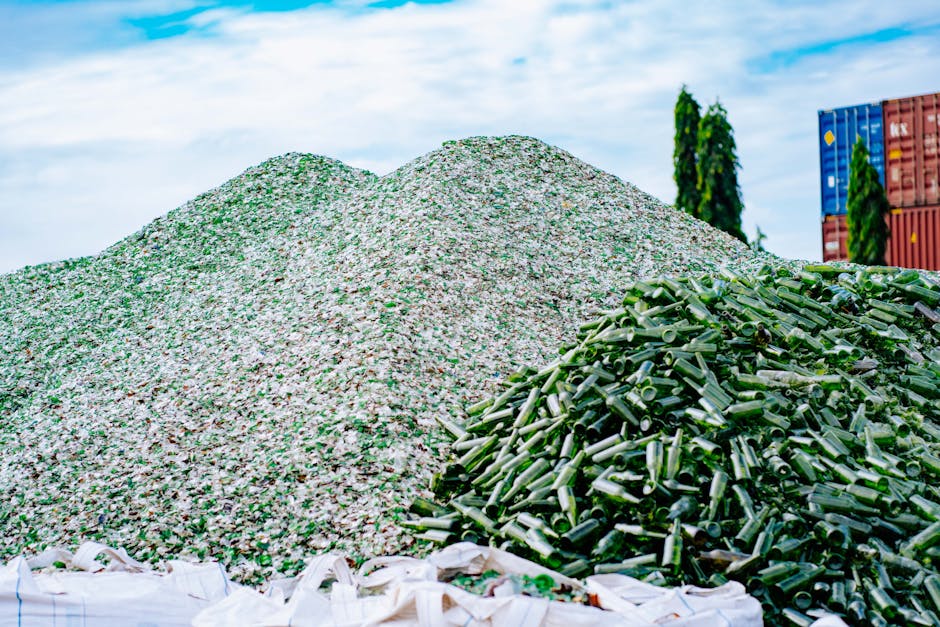
For products like plastic films that have low recycling rates, the likelihood of being impacted by EPR price increases is high, incentivizing businesses to adopt more sustainable alternatives for their packaging. This is by design, not accident.
These modulation multipliers can reduce fees by up to half for easily recyclable designs, or increase them by more than double for problematic packaging. For a personal care brand still using complex multilayer flexible packaging or tinted bottles, that fee differential is a direct hit to cost of goods.
Either way, plastic packaging that does not meet regulatory thresholds will result in higher costs for producers and importers. Those costs almost always travel downstream through the supply chain, landing eventually in the price a consumer pays at the shelf.
What This Actually Means for the Price of Your Shampoo

2026 will be defined by the first major fee payment cycles and the expansion of EPR. Brands that managed to defer cost planning are running out of runway. The fees that were theoretical until recently are now invoices.
Global precedent spanning more than 35 years of packaging EPR in Europe shows no direct link between EPR fees and retail price increases, according to the Product Stewardship Institute. However, those European markets had decades to absorb change gradually, with mature recycling infrastructure already in place. The U.S. is compressing a similar transition into a much shorter window, and personal care brands are simultaneously managing compliance costs, reformulation expenses, and the rising cost of post-consumer recycled resin.
Suppliers will pass EPR surcharges on through the supply chain. Combined with mandatory recycled content requirements, labeling changes, and the cost of switching packaging formats, the cumulative pressure on consumer prices is real. Whether or not it reaches a precise threshold depends on how quickly brands adapt, how costs are shared across the supply chain, and how fast recycling infrastructure catches up with legislative ambition.
The plastic packaging war is not one dramatic battle. It is a slow, structural rearrangement of who bears the cost of disposable convenience. For consumers, the outcome of that rearrangement will show up gradually, product by product, on a bathroom shelf near you.