

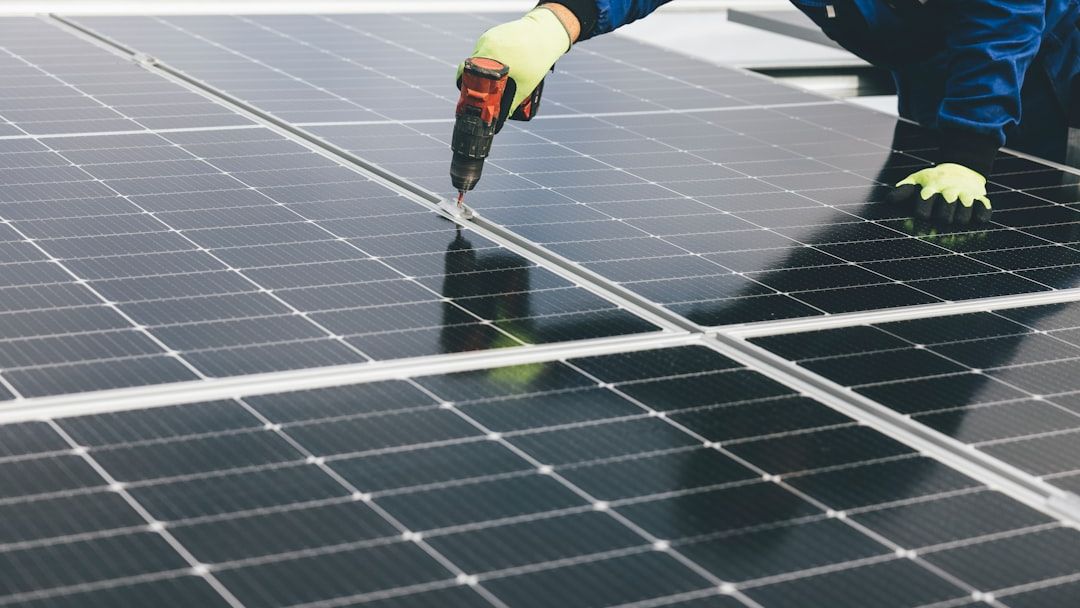
Mid-sized solar could help bring down electricity bills in Pennsylvania – Image for illustrative purposes only (Image credits: Unsplash)
Pennsylvania faces mounting pressure on its power grid as data centers expand and utilities struggle to add capacity quickly enough. Electric bills have already begun climbing in response, leaving residents and businesses to absorb higher rates. Medium-sized solar installations, positioned between large utility farms and individual rooftop systems, represent one practical option for adding supply without the long timelines of bigger projects.
The Scale of the Demand Increase
Data centers require steady, high-volume electricity to operate servers around the clock. Their growth has outpaced traditional planning cycles, forcing utilities to rely more heavily on existing plants or imported power. This mismatch has contributed directly to upward pressure on rates across the state. Mid-sized solar arrays can be sited on commercial rooftops, brownfields, or smaller parcels of land that larger projects often overlook. They connect to the grid at distribution level rather than transmission, which can shorten approval and construction periods. Developers note that these projects also tend to face fewer siting conflicts than massive farms spanning hundreds of acres.
Why Medium-Scale Projects Fit the Current Gap
Unlike rooftop systems limited to single homes or businesses, mid-sized installations can serve multiple customers through community solar arrangements. This structure allows renters and those without suitable roofs to subscribe and receive bill credits. At the same time, the projects remain smaller than utility-scale developments, reducing the need for extensive new transmission lines. Utilities have acknowledged that conventional generation additions move slowly through regulatory reviews. Solar projects in the mid-size range can often reach operation within two to three years once permits are secured. That timeline aligns better with the immediate need created by data-center load growth.
Remaining Policy Questions
State lawmakers have yet to finalize rules that would streamline interconnection and compensation for these installations. Current net-metering and community solar frameworks were designed primarily for smaller or larger systems, leaving mid-sized projects in a gray area. Without clearer guidelines, developers face uncertainty over revenue streams and grid access. Legislative proposals under discussion would adjust size caps and credit mechanisms to encourage more of these projects. Supporters argue the changes would lower overall system costs by reducing peak demand and transmission congestion. Opponents raise concerns about cost shifts to non-participating ratepayers if incentives prove too generous.
Looking Ahead for Pennsylvania’s Grid
Mid-sized solar will not replace the need for other resources, yet it offers a flexible increment that can be added incrementally. Early deployments in neighboring states have shown measurable reductions in wholesale price spikes during sunny hours. Pennsylvania could capture similar benefits if policy catches up with technology and market conditions. The outcome will depend on how quickly regulators and legislators address interconnection queues and compensation structures. If those steps occur, the state stands to gain both additional clean capacity and modest relief on customer bills. Continued monitoring of actual project performance will clarify how large that contribution ultimately becomes.