

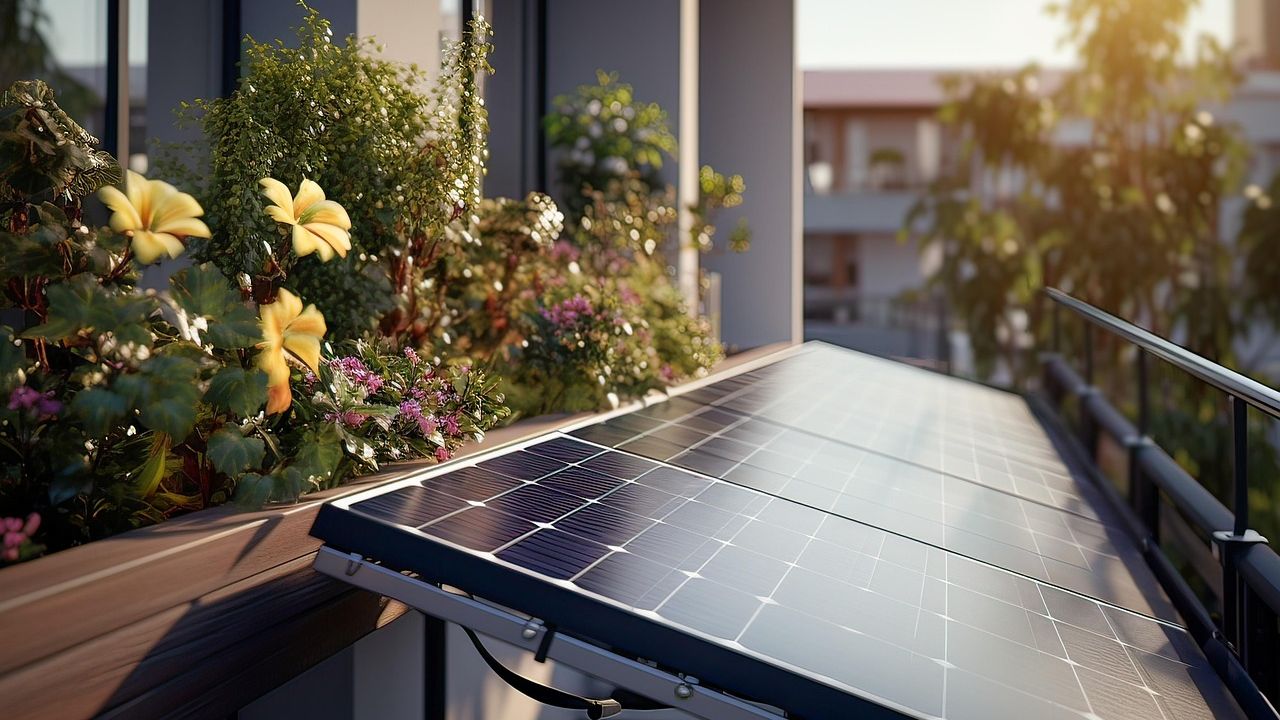
Where does balcony solar stand in your state? – Image for illustrative purposes only (Image credits: Pixabay)
Balcony solar has moved from niche experiment to mainstream conversation in renewable energy circles. The plug-in systems, designed for quick setup on apartment balconies or small outdoor spaces, connect directly to household outlets. Supporters highlight their potential to lower electricity bills without relying on government incentives or professional installers.
What Makes These Systems Different
Unlike traditional rooftop panels that require permits, wiring upgrades, and contractor work, balcony units arrive as compact kits. Users typically mount the panels, run a cable indoors, and plug them into a standard wall socket. The electricity generated offsets usage from the grid in real time.
Manufacturers emphasize safety features such as automatic shutoff and low-voltage operation. Early adopters report straightforward assembly that takes under an hour for most people. This simplicity has helped the technology spread among renters and homeowners who cannot alter building structures.
Benefits That Drive Interest
Cost savings form the core appeal. Once purchased, the systems produce power with minimal ongoing expenses and no monthly fees. Owners avoid the long payback periods sometimes associated with larger solar installations.
Environmental gains add another layer. Each unit reduces reliance on fossil-fuel-generated electricity, even if the output remains modest compared with full-home arrays. The approach also sidesteps subsidy programs, making it accessible in areas where incentives are limited or unavailable.
Flexibility stands out as well. Systems can move with tenants or be repositioned seasonally for better sun exposure. This portability appeals to people testing solar before committing to permanent changes.
State-Level Differences in Adoption
Rules governing these plug-in units vary widely. Some states treat them like standard appliances with few restrictions, while others apply electrical codes or require notifications to utilities. Local building departments may still review installations in certain jurisdictions.
Utility policies also differ. A handful of providers have begun offering guidance on safe integration, while others remain cautious about grid impacts from widespread use. These variations influence how quickly the technology reaches new users in each region.
Key points to consider:
- Plug-in design reduces installation barriers
- No subsidies required for basic savings
- State rules determine ease of use
- Output stays modest but consistent
Outlook for Wider Use
Continued refinement of safety standards and clearer state guidelines could accelerate growth. As more households experiment with the kits, real-world performance data will help clarify long-term value. The technology remains one practical option among many for individuals seeking greater control over their energy use.