


What Dopamine Actually Does in the Brain
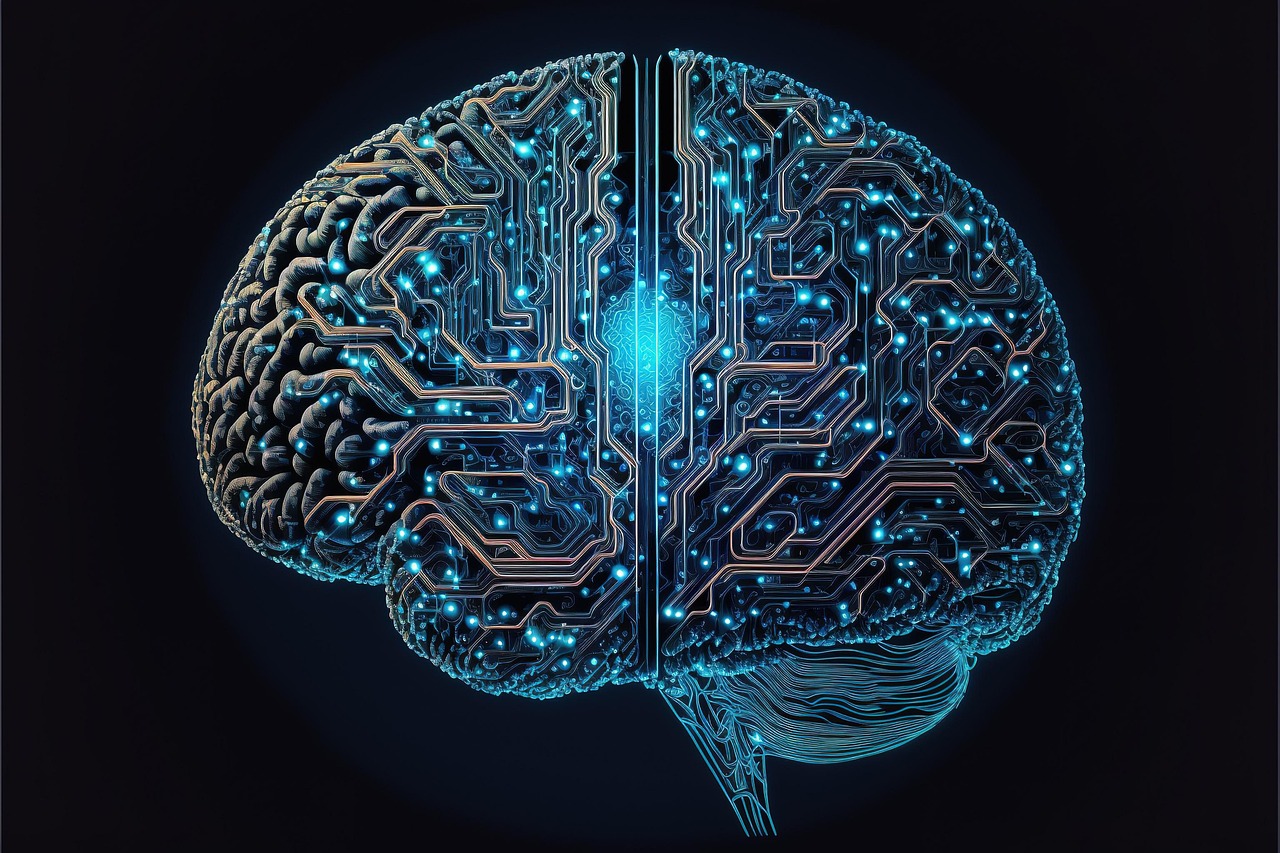
The popular image of dopamine as a pure “pleasure chemical” is incomplete at best. Dopamine is a chemical neuromodulator that plays an essential role in learning, movement, motivation, and decision-making. It’s less about the feeling of pleasure itself, and more about the drive toward it. That distinction has enormous implications for how any kind of “fast” might or might not work.
Dopamine is classically thought to drive learning based on errors in the prediction of rewards and punishments. Animals also learn to predict cues with no intrinsic value or biological relevance to ongoing behavior. This prediction-error function makes dopamine far more than a simple reward signal – it’s a dynamic learning system. Understanding this explains why constant stimulation can be so quietly disruptive to the brain’s sense of baseline.
The Origin of Dopamine Fasting and Who Created It

This concept is a form of detox that was first developed by California psychologist Dr. Cameron Sepah as a cognitive behavioral therapy (CBT). Sepah introduced it formally in 2019, and it quickly spread far beyond clinical circles into Silicon Valley culture and wellness communities worldwide.
Cameron Sepah agrees that the name is misleading and says that its purpose is not to literally reduce dopamine in the body but rather to reduce the impulsive behaviors that are rewarded by it. The gap between what Sepah intended and what the internet ran with became enormous, and that gap matters if you want to actually benefit from the practice. Dr. Peter Grinspoon describes Sepah’s work as “sensible, if not necessarily new or groundbreaking.”
The Neuroscience of Overstimulation
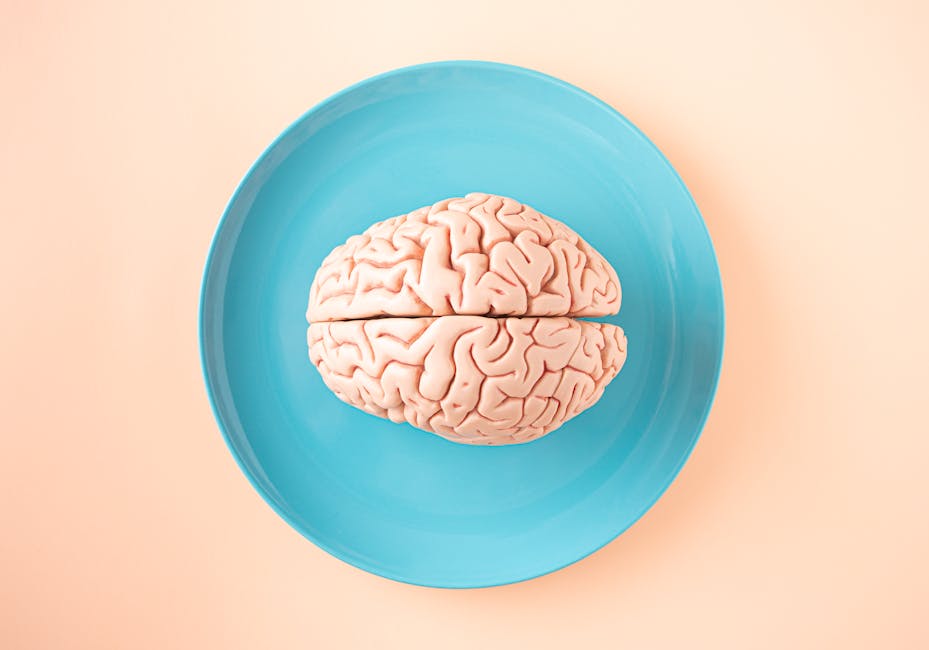
Chronic exposure to high-reward stimuli can lead to neuroadaptations that may diminish the sensitivity of the dopamine system. This is the core mechanism that gives the dopamine fast its theoretical credibility. When the brain is constantly flooded with high-intensity rewards, the baseline threshold for satisfaction slowly creeps upward.
Repeated dopamine spikes to the same stimulus can weaken the brain’s response to reward over time. It will then take more of the substance to produce the same amount of reward. This is the same principle underlying tolerance in addiction – and it applies, to varying degrees, to everyday behaviors as well. Highly stimulating activities which release a lot of dopamine can, on occasion, result in losing self-control. Thereby tasks requiring concentration become harder to perform, paving a path towards passivity and procrastination.
What a Dopamine Fast Is Not

While dopamine does rise in response to rewards or pleasurable activities, it doesn’t actually decrease when you avoid overstimulating activities, so a dopamine “fast” doesn’t actually lower your dopamine levels. This is perhaps the most important correction in the entire conversation. You cannot drain your brain of dopamine by sitting quietly for a day, no matter how many wellness blogs suggest otherwise.
There is actually no way to totally detox from dopamine because it is produced naturally in the brain. The brain will continue producing dopamine during any kind of fast, because your brain releases dopamine during both healthy activities like eating, exercise, and social interaction, as well as addictive behaviors. The point of the practice is behavioral, not chemical.
The CBT Foundation Beneath the Trend

A dopamine detox is a cognitive behavioral therapy (CBT) strategy that involves taking breaks from constantly rewarding activities in order to help people feel more balanced and able to regulate their emotions. When you remove the catchy name, what remains is a set of established behavioral techniques with genuine clinical support.
Dr. Sepah applied two CBT-based techniques in his dopamine fasting guideline: stimulus control and exposure and response prevention. In stimulus control, access to objects that are implicated in addictions is restricted either physically – removing phone from the room – or made impossible through software. These are not new ideas. They’re the same tools therapists have used for decades in treating behavioral addiction. Studies found that CBT and DBT were effective in recalibrating brain circuits involved in reward and impulse control.
The Difference Between Screen Stimulation and Hard Drugs

One of the more telling data points in this whole conversation concerns scale. Technology use induces a dopamine response on par with any normal, enjoyable experience – roughly a 50% to 100% increase. By contrast, heroin, cocaine and amphetamine can cause dopamine spikes ranging as high as 300%, 350%, and 1,365% respectively.
This doesn’t mean that screen addiction is harmless – it means it operates through a very different mechanism than hard substance dependence. Dopamine receptors respond differently to technology use than they do to substance abuse, with no evidence of the same kind of receptor desensitization seen with drugs. The nuance matters enormously when deciding how strict or extreme a 24-hour fast needs to be.
How Fasting Actually Affects the Reward System

Fasting and food restriction alter the activity of the mesolimbic dopamine system to affect multiple reward-related behaviors. Food restriction decreases baseline dopamine levels in efferent target sites and enhances dopamine release in response to rewards such as food and drugs. This research points to something real: a period of low stimulation does appear to recalibrate how the system responds to subsequent rewards.
Emerging evidence suggests that sustained intermittent fasting regimens may attenuate food reward and cravings. It has been proposed that intermittent fasting might set central and peripheral physiological adaptations that target the mesocorticolimbic reward circuit, including dopaminergic neurotransmission. These are findings tied to nutritional fasting, not the behavioral kind – but they suggest the reward circuits are genuinely responsive to changes in stimulation patterns. That’s useful context, even if the mechanisms are distinct.
What a 24-Hour Dopamine Fast Actually Looks Like in Practice
Some examples of addictive and impulsive behaviors targeted by dopamine fasting include smartphone and social media use, emotional eating, internet or gaming, gambling or shopping, and pornography. The original protocol doesn’t require retreating to a sensory deprivation tank. It targets specific problem behaviors, not all pleasure.
What Sepah intended with his dopamine fast was a method, based on cognitive behavioral therapy, by which we can become less dominated by the unhealthy stimuli – the texts, the notifications, the beeps, the rings – that accompany living in a modern, technology-centric society. Instead of automatically responding to these reward-inducing cues, we ought to allow our brains to take breaks and reset from this potentially addictive bombardment. A 24-hour window focused on this specific goal is realistic and grounded. Going much further, or trying to eliminate all sensory input, misses the point entirely.
What You Can Expect to Actually Feel

Many practitioners of dopamine fasting report increased mental clarity, enhanced focus, and improved mood. These subjective benefits are often attributed to the reduction in cognitive overload and the opportunity to engage in more meaningful, less stimulating activities. These are self-reported outcomes, and the science has not yet caught up with large-scale clinical trials to confirm them formally.
If you dopamine detox, you start to become more aware of what impulses feel like. After identifying the way your brain sends impulses, you can start to break out of those patterns and choose how you spend your time more intentionally. The value here may be less about neurochemistry and more about attention – specifically, reclaiming the ability to notice what your own habits actually feel like from the inside. Many practitioners report feeling more focused, present, and in control after completing a dopamine detox period.
The Limits of the Evidence and What That Means for You

There are currently no known scientific evidences that demonstrate the effectiveness of this specific dopamine fasting guide. However, as it is based on CBT, it is still beneficial to examine available evidence of CBT and addiction. That’s an honest assessment, and it’s worth holding on to. The practice is not a clinical treatment, and it hasn’t been studied with the rigor that clinical treatments require.
We highlight the limitation of the self-guided aspect of dopamine fasting, which could pose physical and emotional harm to individuals if the guideline is misinterpreted or misused as the sole treatment for severe disorders which require clinician input. For someone dealing with mild overstimulation and digital fatigue, a structured 24-hour reset drawn from CBT principles is reasonable. For someone managing serious behavioral addiction, it is not sufficient on its own. Dopamine detox can be a valuable tool in a comprehensive addiction recovery program when done with professional guidance.
Conclusion: A Reset That Works If You Know What You’re Resetting
The dopamine fast, stripped of its more extravagant claims, is essentially a structured invitation to notice your own habits. It doesn’t drain neurotransmitters or rewire circuits overnight. What it can do, when practiced with clarity and modest expectations, is interrupt the loop of automatic reward-seeking long enough to create a small but meaningful gap between impulse and action.
The neuroscience behind dopamine keeps evolving. Deep within the brain, the ventral tegmental area does more than signal when we’re rewarded – it forecasts exactly when we’ll be rewarded. This discovery came from a collaboration between neuroscientists and AI researchers, revealing that VTA neurons not only predict the likelihood of future rewards but also their precise timing. That’s a reminder of just how sophisticated – and how persistent – the reward circuitry really is. Twenty-four hours won’t overhaul it. Used wisely though, it might remind you that you’re the one who’s supposed to be running the show.