


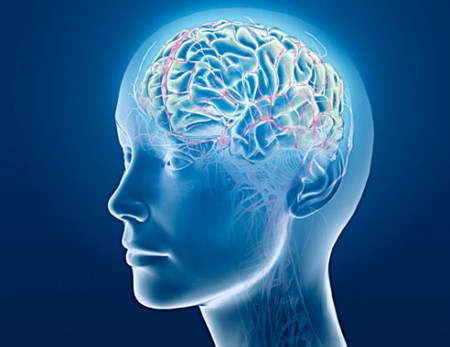
Most people who struggle to focus assume the problem is willpower or discipline. It often isn’t. Deep inside the brain, a rhythm oscillating at around 8 to 12 cycles per second may hold the key to something far more fundamental: the brain’s own natural gateway to calm, clear, and sustained attention.
Alpha waves were discovered by German neurologist Hans Berger, the inventor of the EEG itself. In 1929, he published his first findings on alpha waves in the journal Archiv für Psychiatrie. Nearly a century of neuroscience has since followed, and what researchers keep returning to is a specific frequency that sits right at the center of the alpha band.
What Alpha Waves Actually Are

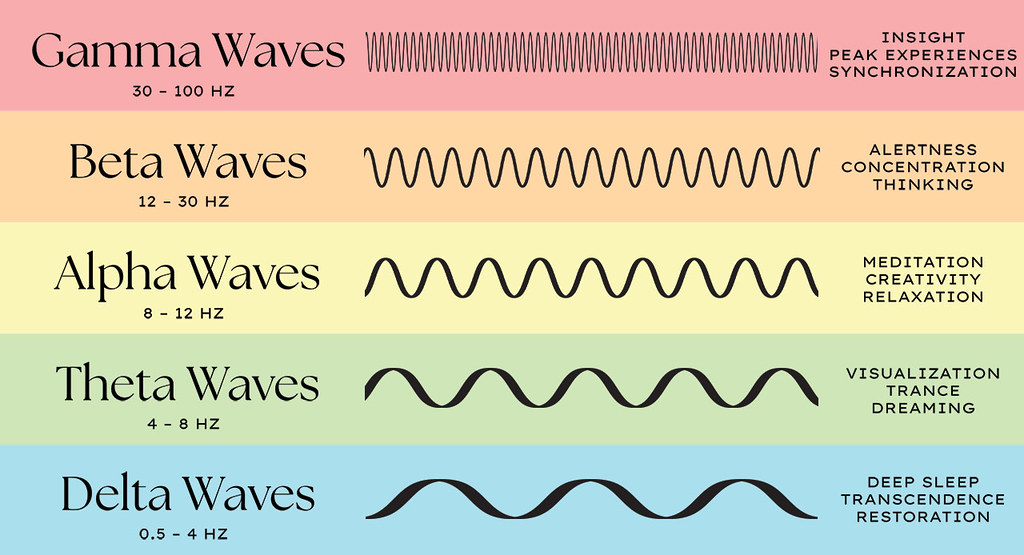
Brain waves are categorized as delta (0 to 4 Hz), theta (4 to 7 Hz), alpha (8 to 12 Hz), beta (13 to 30 Hz), and gamma (30 to 100 Hz). Alpha waves sit between 8 and 12 Hz and will peak around 10 Hz.
Alpha waves can be observed during relaxed wakefulness, especially when there is no demanding mental activity. When alpha predominates, most people feel at ease and calm, and alpha appears to bridge the conscious to the subconscious.
Alpha waves represent the middle state: calm but not asleep, focused but not anxious, immersed but not stressed. That sweet spot between effort and ease is exactly what researchers have been probing for decades.
The 10 Hz Frequency: Why This Number Matters

Alpha-band oscillations are the dominant oscillations in the human brain, with a mean frequency of approximately 10 Hz. This particular frequency isn’t arbitrary. It appears to sit at a functional center point around which much of human cognition naturally organizes itself.
Individual alpha peak frequency (IAPF) exhibits strong test-retest reliability, meaning a person’s natural alpha frequency is a stable, measurable personal trait. Studies have found that people with faster alpha wave frequencies are better at detecting small timing differences between what they see and what they feel.
Research suggests that alpha with lower frequency band (8 to 10 Hz) presumably reflects general task demands, while alpha with higher frequency band (10 to 12 Hz) is more likely to reflect specific task requirements. In other words, different parts of the alpha range serve different cognitive functions.
The Deep Cortical Role of Alpha Rhythms

A study published in Nature Neuroscience found that across the brain’s cortex, neurons are arranged in six distinctive layers that show distinct patterns of electrical activity consistent over many brain regions and across several animal species, including humans. In the topmost layers, neuron activity is dominated by rapid gamma waves, while in the deeper layers, slower oscillations called alpha and beta waves predominate.
The universality of these patterns strongly suggests that alpha oscillations play a very fundamental role in what the cortex does. Inhibitory interneurons are critical for normal functioning in the brain because they are responsible for pacing the network to create these alpha and beta oscillations.
Alpha-band oscillations serve two roles, inhibition and timing, that are closely linked to two fundamental functions of attention: suppression and selection, which enable controlled knowledge access and the ability to be consciously oriented in time, space, and context.
How Sound Triggers the Alpha State

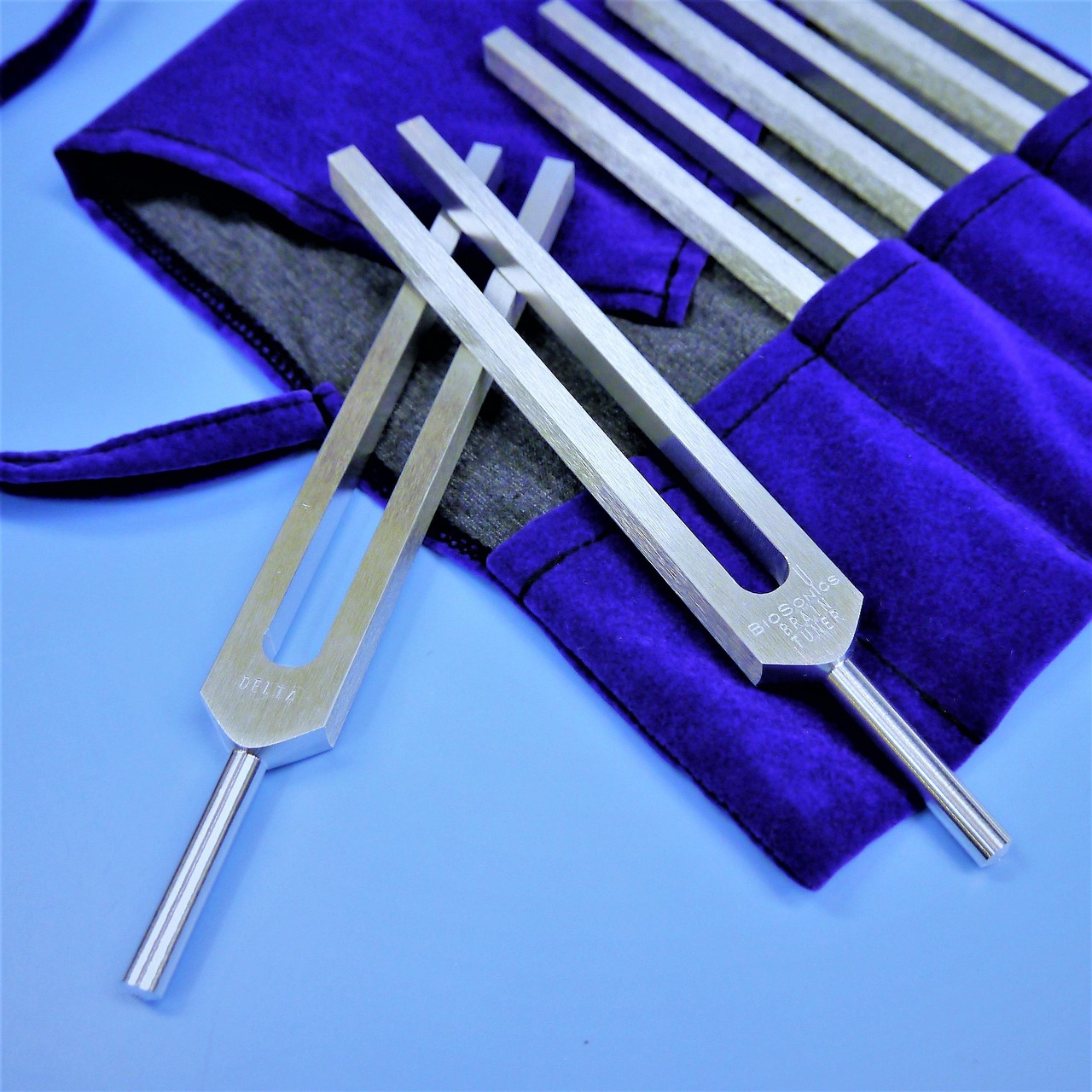
Playing two slightly different frequencies in each ear creates an auditory illusion known as binaural beats. The brain perceives a third tone, the beat, which is the difference between the two frequencies. This leads to brainwave entrainment, where brainwaves begin to align with the frequency of the binaural beat.
If a 340 Hz tone is presented to the left ear and a 350 Hz tone is presented to the right ear simultaneously, the binaural beat generated will be 10 Hz. A phenomenon known as the frequency-following response occurs when the brain generates electrical activity that matches the frequency of the external auditory stimulus. When an individual listens to binaural beats at a frequency of 10 Hz, their brainwave activity at 10 Hz increases.
Binaural beats are theorized to induce brainwave entrainment, a frequency following response of neuronal oscillations that matches the frequency of the perceived beat. Neuronal oscillations are phase-locked to the rhythmic stimulus, which can be quantified as an increase in EEG signal power at a specified frequency.
Alpha Waves and Peak Concentration: What Research Shows

Growing evidence indicates that brain oscillations in the alpha band at roughly 10 Hz not only reflect an idle state of cortical activity, but also take a more active role in the generation of complex cognitive functions. A study on perceptual learning showed that electrical oscillations in the alpha frequency band are able to predict up to roughly two thirds of the observed variability in the learning outcome in a perceptual task.
One study suggests that a visual flicker paradigm to entrain individuals at their own brain rhythm, meaning their peak alpha frequency, can result in substantially faster perceptual visual learning maintained the day following training. The entrainment substantially accelerated learning in a discrimination task to detect targets embedded in background clutter, compared to entrainment that does not match an individual’s alpha frequency.
The main benefit of increasing alpha wave production is to improve performance. Alpha waves help us focus and be more productive. Research shows that creativity is increased by enhancing alpha power using 10 Hz transcranial alternating current stimulation of the frontal cortex.
Alpha Entrainment and Anxiety Reduction
Binaural beats are a new and emerging type of technology that can be used as an adjunct therapy for anxiety and depression as well as in neurologic conditions to some extent. Binaural beats, whether used in the form of pure beats or masked by another sound, have shown better results in alleviating symptoms of anxiety and depression compared to control conditions.
Studies indicate that heart rate and diastolic blood pressure decreased significantly after exposure to theta or alpha binaural beats. Results indicated that binaural beat therapy with low-frequency binaural beats could alleviate stress and mitigate physiological responses. Exposure to low-frequency, meaning theta or alpha, binaural beats better enables individuals to relax and enter a tranquil state compared with high-frequency binaural beats.
Alpha wave synchronization, or alpha locking, sets off physiological changes that help the body relax. These waves activate the parasympathetic nervous system, which lowers cortisol levels and slows the heart rate. That shift in the nervous system creates the precise physiological platform for deep, stable concentration.
Individual Alpha Peak Frequency: Not One Size Fits All
A key open question in neuroscience is whether there is a single alpha rhythm, or whether distinct alpha components contribute to different processing stages and functions. This matters a great deal for anyone trying to use audio tools to reach their own alpha state.
Research has directly tested the interaction between 10 Hz flicker and endogenous alpha-band oscillations during a selective visuospatial attention task, recording EEG from human participants while they performed a modified Eriksen flanker task in which distractors and targets flickered at 10 Hz or outside the alpha band. Based on in vivo and in vitro studies, the prerequisite for influencing the brain’s rhythmic activity through rhythmic stimulation is a frequency match between the two.
Most studies investigate alpha parameters such as power, frequency, and phase in isolation. However, evidence suggests that their combined modulations may reflect latent mechanisms with temporally extended dynamics. Personalized approaches, not generic audio tracks, may produce the most reliable results.
Practical Use: Timing and Technique

Sessions lasting 15 to 30 minutes and listening daily tend to support consistent brainwave entrainment. It typically takes about 7 minutes of continuous listening for brain synchronization to occur.
When using binaural beats to boost memory and focus, the key is consistency. Regular exposure to these frequencies can train the brain to naturally shift into the alpha state, even without the aid of auditory stimuli. Over time, these effects can lead to improved cognitive abilities and a greater capacity for learning.
It’s important to note that while binaural beats can enhance focus, they are not a substitute for effective study techniques. They should be used in conjunction with active learning strategies, such as summarization, self-testing, and spaced repetition, to maximize their benefits. Think of the frequency as setting the table, not preparing the meal.
The Limits of the Evidence: What Researchers Still Debate

Binaural beats have garnered attention as a highly accessible, noninvasive method to enhance cognitive performance via brain entrainment. However, the few studies that have directly examined the impact of binaural beats on sustained attention report inconsistent findings, perhaps due to wide variation in methodology.
Gamma frequency binaural beats with a low carrier tone and white noise background improved general attention performance but did not reduce the vigilance decrement over time, suggesting binaural beats may modulate other cognitive aspects rather than sustained focus specifically. This is an important nuance the popular press tends to skip over.
Interactions among multiple alpha parameters may reflect neural processes arising from more complex dynamics of latent mechanisms that cannot be fully understood by examining a single parameter alone. These latent mechanisms may manifest via covariations and causal interactions between multiple parameters supporting distinct yet complementary cognitive processes. The science is real, but the full picture remains unresolved.
Alpha Waves and the Bigger Brain Health Picture
Imbalances in how brain oscillations interact with each other may be involved in brain disorders such as attention deficit hyperactivity disorder. Overly synchronous neural activity is known to play a role in epilepsy, and researchers now suspect that different pathologies of synchrony may contribute to many brain disorders, including disorders of perception, attention, memory, and motor control.
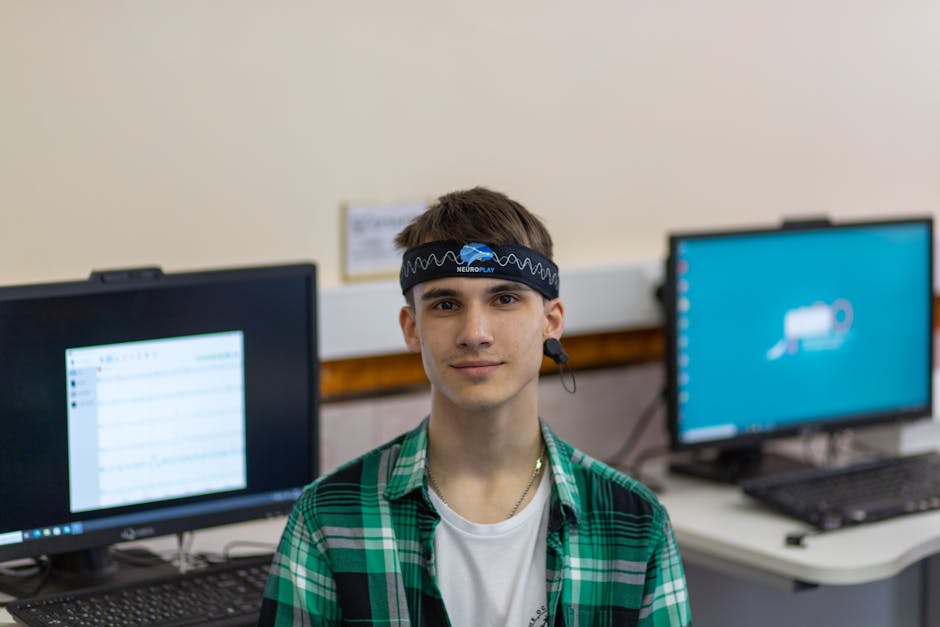
A recent study indicates that alpha waves may be used to predict mistakes, measuring increases of up to roughly a quarter in alpha brain wave activity before mistakes occurred. This research hopes to promote the use of wireless EEG technology on employees in high-risk fields, such as air traffic controlling, to monitor alpha wave activity and gauge attention levels.
A study from Karolinska Institutet, published in Nature Communications, explains how rhythmic brain activity known as alpha oscillations helps the brain separate the body from the outside world. The research provides new insight into how the brain combines information from different senses to maintain a stable feeling of bodily self. The scope of what alpha frequency research may eventually touch is broader than anyone expected in Berger’s time.
Conclusion: A Frequency Worth Paying Attention To
The 10 Hz alpha frequency is not a wellness trend. It’s a measurable, documented electrical signature that the human brain produces during states of relaxed readiness, and one that external sound can, under the right conditions, help coax into place.
Alpha brain waves operate at a frequency range of 8 to 12 Hz and are associated with the flow state and a state of being present in relaxed attention. Alpha waves contribute to relaxation, alertness, mental coordination, and positive thinking. Deficiency in alpha wave production can lead to difficulties in concentration and increased anxiety.
The honest takeaway is this: the science is encouraging, the methodology is still maturing, and the individual variation is real. A specific sound frequency cannot replace sleep, nutrition, or genuine mental engagement. What it can do, with a consistent practice and realistic expectations, is quietly shift the conditions under which your brain does its best work.