

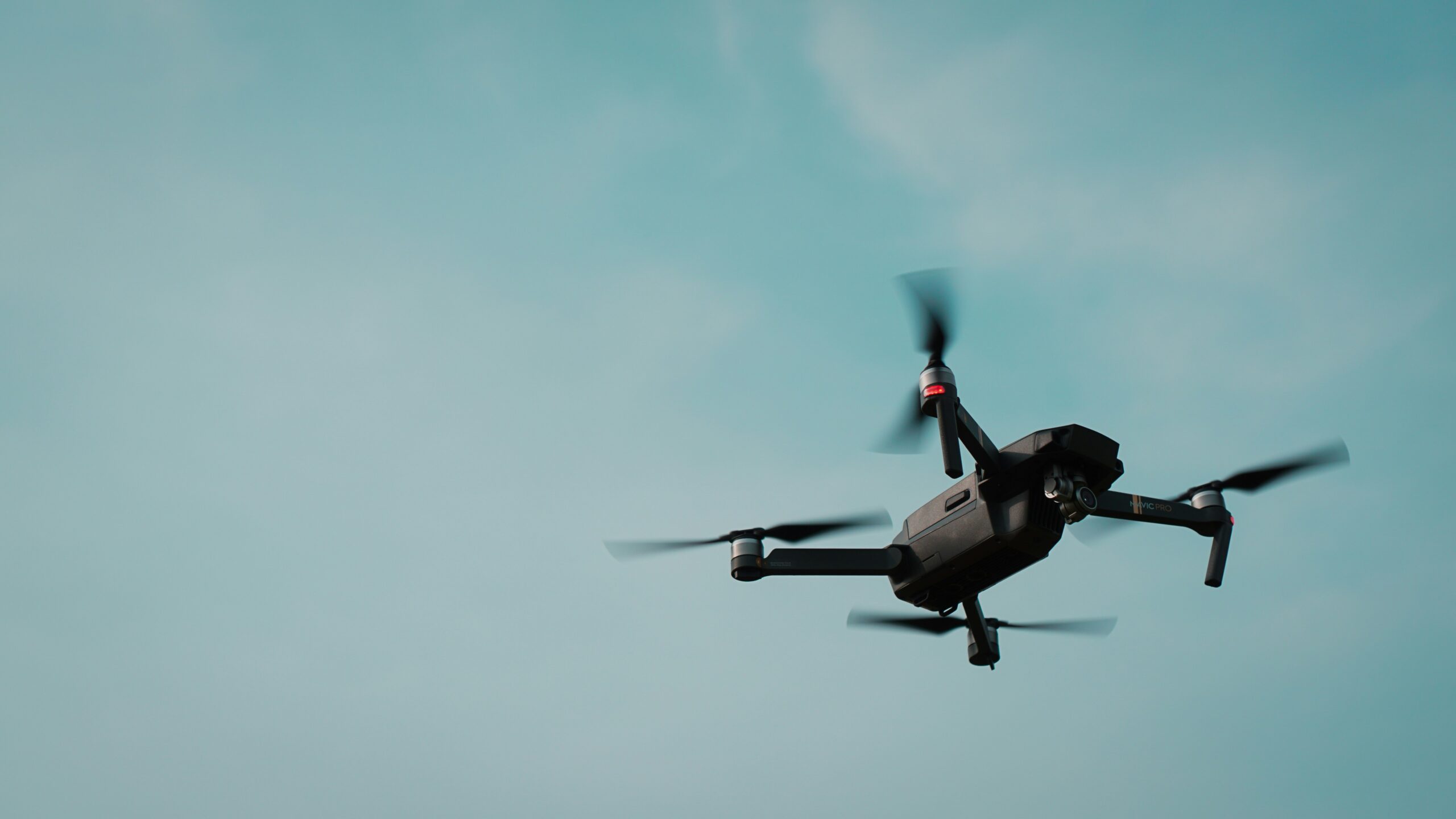
War by remote control, how drones changed modern warfare – Image for illustrative purposes only (Image credits: Unsplash)
Small unmanned aircraft now dominate skies over active battle zones, delivering strikes at a fraction of the cost of manned jets or artillery. In Ukraine and other recent conflicts, these systems have forced commanders to rethink every layer of defense and offense. The shift marks one of the sharpest breaks in military practice in generations.
From Expensive Jets to Everyday Tools
Traditional air power once required billions in aircraft, pilots, and support crews. Today, a single drone can cost as little as a few thousand dollars yet carry explosives or cameras that change the outcome of an engagement. This price difference has lowered the barrier for smaller forces and non-state actors alike.
Remote operators sit hundreds of miles away, guiding the aircraft through simple interfaces. The result is a form of combat that removes the immediate risk to human pilots while multiplying the number of eyes and weapons in the air. Military planners who once measured strength by tank counts now track drone inventories instead.
Autonomy Adds a New Layer of Speed
Many current models fly pre-programmed routes or adjust course on their own when signals are jammed. This autonomy lets them continue missions even when communications are disrupted, a common tactic in contested airspace. The combination of low cost and independent operation creates swarms that overwhelm traditional radar and missile defenses.
Ukraine has shown how quickly these capabilities spread. Both sides have adapted commercial quadcopters and fixed-wing models for reconnaissance and attack roles. The same pattern appears in other regions where access to advanced aircraft remains limited.
Key Shifts on the Modern Battlefield
- Surveillance that once took hours now happens in minutes at minimal expense.
- Precision strikes reach targets without exposing crews to anti-aircraft fire.
- Logistics simplify because drones require no runways or large maintenance teams.
- Training time drops from years for pilots to weeks for operators.
What Comes Next for Remote Warfare
Defense budgets worldwide are already redirecting funds toward drone production and countermeasures. Nations that once relied on large standing air forces now invest in electronic warfare units designed to jam or capture incoming aircraft. The pace of adaptation shows no sign of slowing.
Historians note that every major technological leap in weapons has eventually produced its own defense. The same cycle is underway with drones, yet the low entry cost suggests the advantage will remain with those who can field them in large numbers. The battlefield of the future will likely feature more of these systems rather than fewer.