

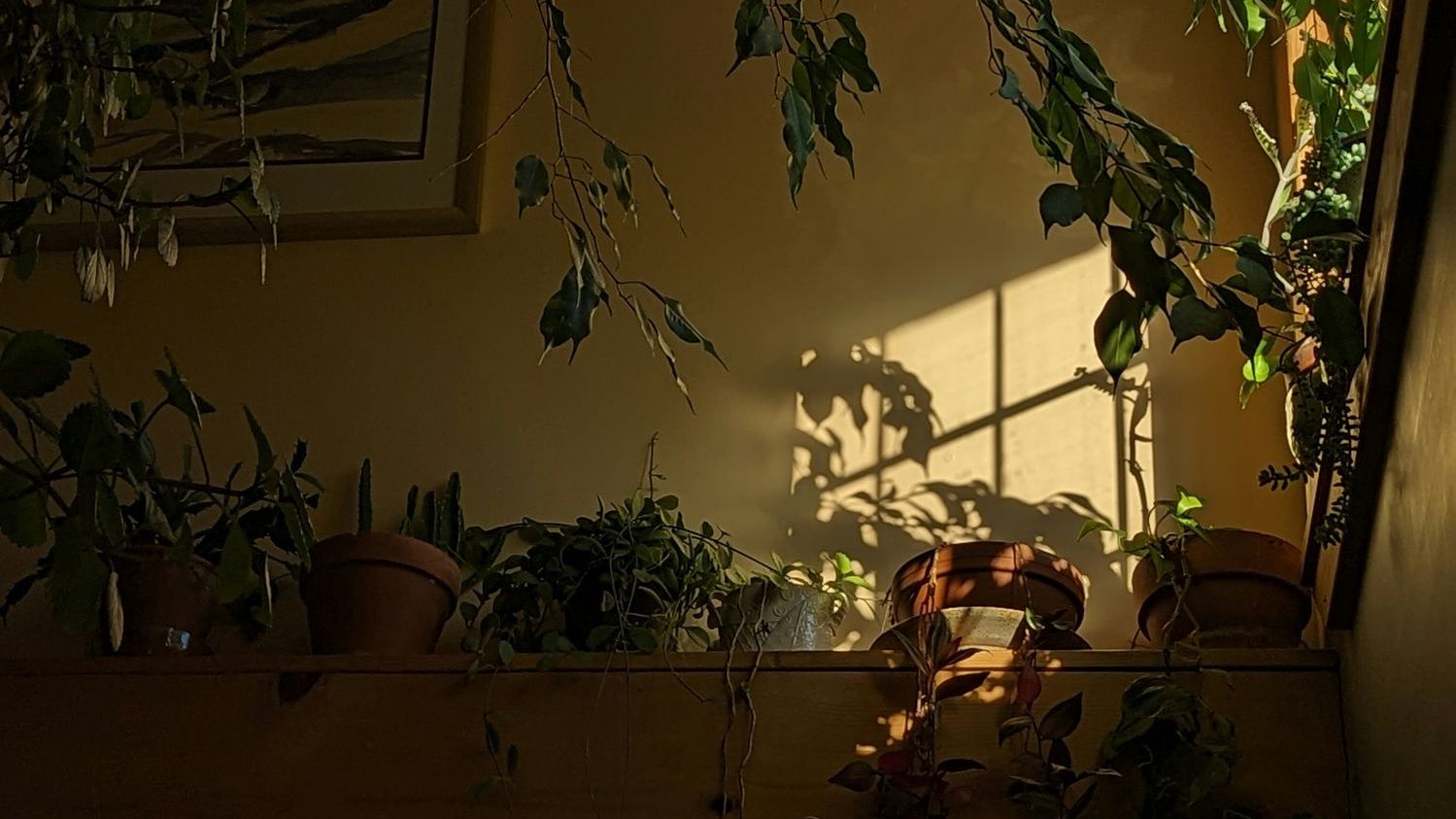
There’s a NASA concept called “habitability,” and it helps explain why some homes feel calm while others quietly drain you – Image for illustrative purposes only (Image credits: Unsplash)
People often return from a short stay in an unfamiliar apartment feeling unexpectedly refreshed, even when the space itself held little appeal. The same pattern appears in reverse when someone sits in their own living room and senses a subtle depletion that defies easy explanation. Researchers at NASA examined these effects decades ago while designing environments for long-duration spaceflight, and their findings continue to illuminate why enclosed spaces on Earth produce such different outcomes over time.
The Technical Meaning Behind the Term
NASA developed the concept of habitability as a precise engineering standard rather than a design trend. It measures how well an enclosed setting sustains physical health, cognitive performance, and emotional stability across weeks or months of continuous occupation. The agency’s early work drew from Apollo missions, Skylab operations, and parallel studies of submarines and polar stations, later formalized in agency standards that still guide crewed spacecraft today.
Basic survival needs such as breathable air and stable temperature form the baseline. Beyond those requirements lies a second layer of variables that determine whether occupants merely endure or actually thrive. These variables matter because both spacecraft and ordinary apartments function as sealed volumes where small, persistent conditions accumulate into measurable effects on attention and recovery.
Core Elements Identified Through Decades of Study
Space architecture literature consistently highlights six recurring factors. Acoustic conditions rank high because steady background noise from ventilation or appliances creates cumulative strain even when residents no longer notice it consciously. Lighting quality depends less on overall brightness and more on separation by task and alignment with natural daily rhythms.
Functional separation of activities prevents incompatible uses from overlapping in the same volume. Privacy, both visual and psychological, reduces interpersonal tension when multiple people share limited space. Sensory variety counters the flattening effect of uniform textures and colors. Finally, access to restorative cues such as distant views or natural elements supports mental recovery without demanding active effort.
Mapping the Findings to Everyday Residences
When these same categories are applied to typical apartments, problems often appear in places that look acceptable at first glance. A kitchen that flows directly into the main seating area creates constant overlap between cooking and relaxation. A bedroom lit only by a single overhead fixture blurs the boundary between waking and resting hours. Work surfaces placed near building machinery introduce unavoidable low-level sound that never fully registers yet never fully disappears.
These mismatches rarely cause immediate distress. Their impact emerges through repetition, gradually eroding the sense of ease that residents expect from their own homes. The research shows that style, square footage, and cost explain far less of the difference than whether these underlying variables align with human needs over extended periods.
Recognizing the Quiet Costs That Accumulate Unnoticed
Many of the most persistent drains are features residents have long stopped seeing. A cabinet door that sticks slightly, a light bulb whose color temperature never matched the room’s use, or an appliance hum that predates the current tenancy all qualify. Spaces that serve multiple roles without clear boundaries, such as bedrooms that double as offices, add another layer of friction that compounds daily.
The pattern holds across many accounts: the features that matter most are precisely those that have become invisible. Once identified, some prove inexpensive to adjust, while others reveal structural limits of the current layout. Either outcome supplies useful information rather than vague dissatisfaction.
A Practical Lens for Evaluating Personal Spaces
The NASA-derived categories supply a shared vocabulary for examining rooms without relying on subjective taste alone. Residents can ask whether noise levels support concentration, whether lighting distinguishes work from rest, and whether any surface offers genuine privacy or visual relief. The answers often point to targeted changes rather than wholesale redesign.
Spacecraft designers operated under extreme constraints that forced clarity about which variables truly mattered. Those same variables operate in ordinary homes, shaping daily experience in ways that remain measurable even when they stay below conscious awareness. The framework therefore offers a consistent way to understand why one enclosed environment feels supportive while another, superficially similar, does not.