

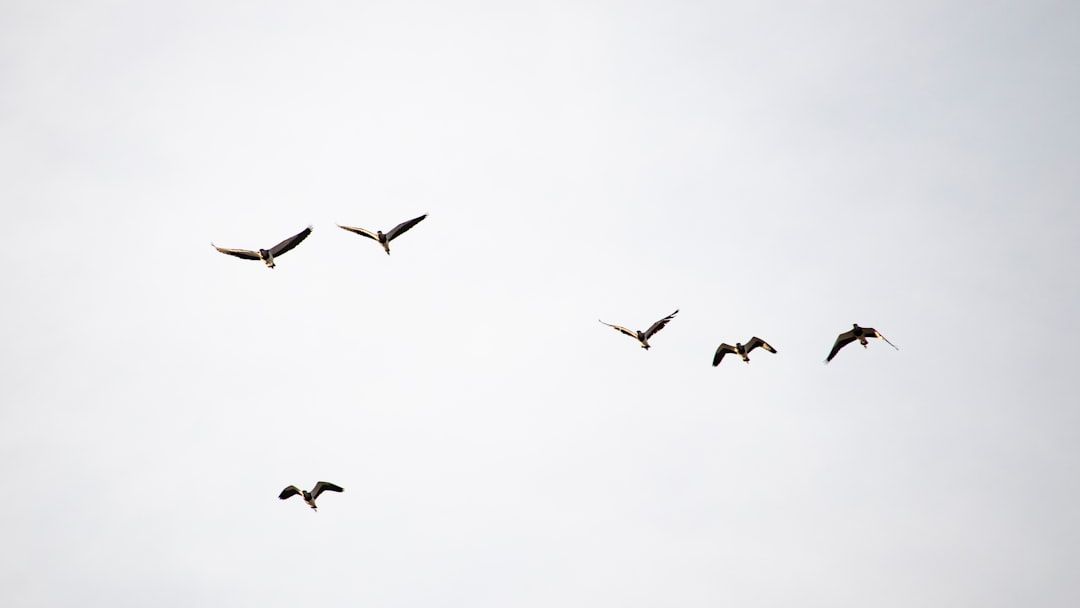
Stop Demonizing the Birdwatchers Who Contracted Hantavirus – Image for illustrative purposes only (Image credits: Unsplash)
Birdwatchers who visit landfills have drawn criticism after some contracted hantavirus. These locations, however, consistently rank among the best spots for building an extensive lifetime list of species. The reaction overlooks how such sites support serious observation while the health risks remain manageable with basic awareness.
Why Landfills Stand Out for Observation
Landfills concentrate food sources that draw a wide range of birds in one place. This concentration allows observers to record species that prove difficult to find in more conventional habitats. The result is steady progress on personal lists without extensive travel.
Regular visitors note that the open terrain also improves visibility for tracking movement and behavior. Such conditions turn routine visits into productive sessions that advance broader understanding of local bird populations.
Placing Health Risks in Context
Hantavirus transmission occurs through contact with rodent droppings in enclosed or dusty areas. Landfill visits involve open spaces where exposure can be reduced through simple steps like wearing masks during close inspection and avoiding direct contact with waste. These measures align with standard field practices already used by many observers.
Public discussion often amplifies the hazard without noting that similar risks exist in other natural settings. The focus on individual cases has overshadowed how participants weigh these factors against the documented rewards of the activity.
What Matters Now
Landfills remain valuable for expanding species records when approached with standard precautions.
Continued access supports both personal achievement and contributions to citizen science data. Restricting or stigmatizing these visits would remove a practical resource without eliminating the underlying environmental conditions that produce the virus.
Moving Toward Measured Responses
Criticism directed at the birdwatchers themselves shifts attention away from practical safety guidance. Clear information on prevention allows enthusiasts to continue their work responsibly. This approach preserves the benefits of landfill birding while addressing legitimate concerns.
Communities benefit when observers document species in these altered landscapes. Their records add detail to ongoing studies of how birds adapt to human-modified environments. Fair treatment of these contributors encourages more accurate reporting rather than secrecy or avoidance.