

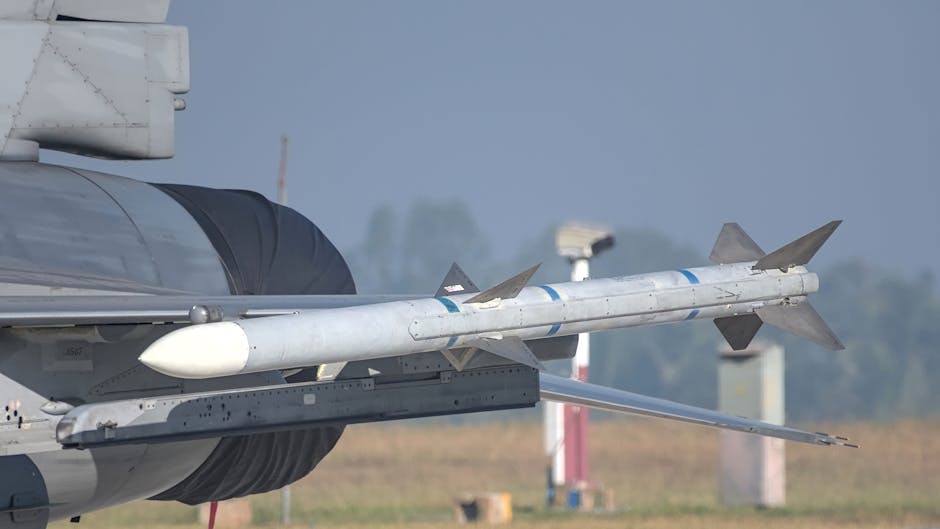
Norway defends its decision to cancel missile system sale to Malaysia – Image for illustrative purposes only (Image credits: Pexels)
Kuala Lumpur – Norway has revoked export licenses for a naval missile system and related launcher components meant for Malaysia’s littoral combat ship program, a step that has drawn sharp criticism from Kuala Lumpur and raised questions about the reliability of European defense suppliers.
The decision reflects Oslo’s broader effort to restrict sales of its most sensitive defense technologies to allies and closest partners only, following major shifts in the European and global security environment in recent years.
The 2018 Deal and Its Abrupt Halt
Malaysia signed the contract in 2018 with Norway’s Kongsberg Defense & Aerospace for the Naval Strike Missile system. The anti-ship missiles were slated to equip a new class of littoral combat ships as part of a wider naval modernization effort.
Norway’s foreign ministry confirmed the revocation in response to queries, noting that the government has strengthened export controls on advanced defense items. Malaysia has already paid 95 percent of the contract value and is now reviewing legal options, including possible compensation claims.
The cancellation directly affects operational readiness for the Malaysian navy, according to officials in Kuala Lumpur.
Norway’s Security-Driven Policy Change
Oslo explained that exports of certain highly sensitive Norwegian-developed technologies will now be limited to allies and closest partners. The foreign ministry described the impact on Malaysia as regrettable while emphasizing the need for tighter oversight amid changing global conditions.
Norwegian Prime Minister Jonas Gahr Støre conveyed the rationale directly to Malaysian Prime Minister Anwar Ibrahim during a phone call. Despite the curbs, the ministry stated that Norway continues to value its relationship with Malaysia and expects ongoing cooperation and dialogue.
Malaysia’s Concerns Over Reliability
Anwar Ibrahim lodged a strong protest during the call, warning that the unilateral reversal of a signed agreement could damage confidence in European defense suppliers. He noted that contracts should not be treated lightly and that such actions undermine the value of strategic partnerships.
The episode has prompted Malaysia to examine its options for protecting future defense acquisitions. Officials have highlighted the potential hit to naval capabilities and the broader message sent to other buyers of European equipment.
Next Steps for Both Sides
Both governments have signaled a desire to maintain constructive ties even as the immediate dispute continues. Malaysia is weighing compensation claims and legal avenues, while Norway has reiterated its interest in dialogue on other areas of cooperation.
The case illustrates how shifting security priorities in Europe are reshaping long-standing defense export relationships with partners outside traditional alliances.