

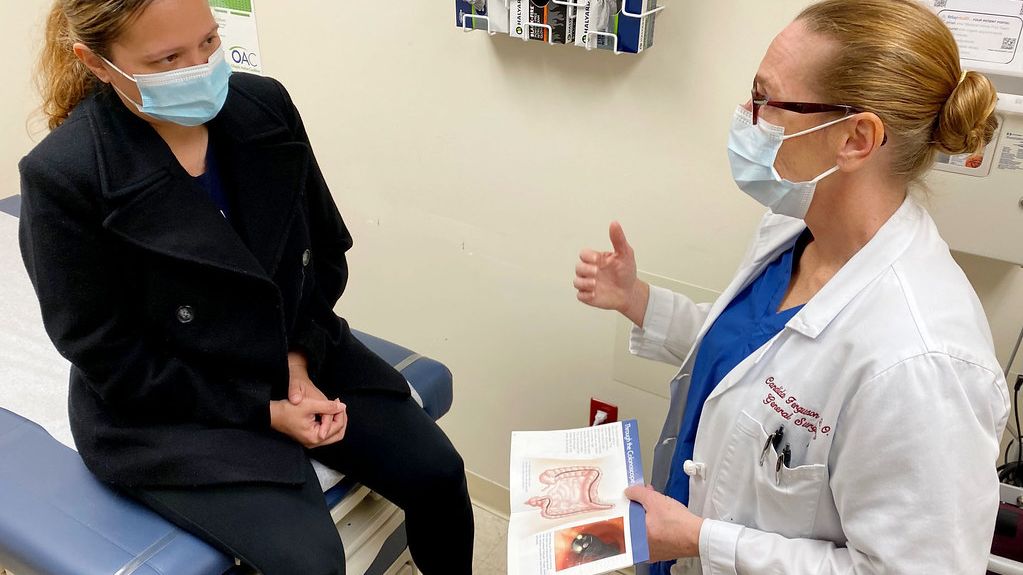
The fight against colorectal cancer: What you need to know – Image for illustrative purposes only (Image credits: Flickr)
Colorectal cancer begins as small, often harmless polyps that form in the colon or rectum and can slowly develop into invasive disease. While overall rates have fallen among people over 50, physicians report a steady increase in diagnoses among adults under that age. This pattern has sharpened focus on prevention through screening and on the lifestyle factors that may be driving the change.
The Disease and How It Develops
Colorectal cancer starts anywhere along the large intestine or rectum and always begins as a polyp, a small growth on the inner lining. Over years these polyps can accumulate genetic changes that turn them into cancer. In early stages the disease produces no noticeable effects, which is why many cases are found only after they have advanced.
When symptoms finally appear they can include bleeding, stools that become narrower, unexplained weight loss, or vague abdominal discomfort. In more serious cases the cancer can block the bowel or spread to other organs. Because the progression is gradual, the window for intervention remains wide when detection occurs early.
Why Rates Are Climbing Among Younger Adults
Physicians have observed a clear decline in colorectal cancer among older patients, yet the opposite trend holds for those under 50. The reasons are not fully understood, but several environmental and behavioral factors are under study. Diets low in fiber, higher rates of obesity, smoking, and greater consumption of processed foods are frequently cited as possible contributors.
These influences may accelerate polyp formation or promote the mutations that lead to cancer. Research continues to explore whether changes in gut bacteria or other exposures also play a role. The pattern has prompted medical groups to reconsider when screening should begin for people without obvious risk factors.
Recognizing Symptoms and the Value of Screening
Because early colorectal cancer rarely causes symptoms, regular screening remains the most reliable way to find and remove polyps before they become dangerous. Patients at average risk can choose a colonoscopy, still considered the most thorough option, or stool-based tests that check for hidden blood or abnormal DNA.
High-risk individuals, including those with a personal or family history of the disease or inflammatory bowel conditions, are advised to start screening earlier and more frequently. The process begins with a discussion of personal risk, after which the appropriate test is selected. Advances in imaging now allow clearer views during colonoscopy, while newer stool tests detect cancer with greater accuracy than earlier versions.
Modern Treatment Approaches
When cancer is confirmed, care usually involves a team of specialists who tailor therapy to the stage and location of the tumor. Early-stage disease can often be cured with surgery alone. More advanced cases may require chemotherapy or radiation before or after an operation.
Surgical techniques have become more precise, and robotic systems now allow many procedures through smaller incisions, which can shorten recovery time. Chemotherapy regimens have also grown more targeted, reducing some of the broader side effects seen in earlier treatments. The goal in every case is to balance effectiveness with the patient’s overall well-being and preferences.
Putting Patients at the Center of Decisions
Each person facing a colorectal cancer diagnosis brings different priorities and tolerances for treatment intensity. Physicians increasingly involve patients in weighing options, whether that means a more conservative path or a more aggressive one. This shared approach helps align medical recommendations with what matters most to the individual.
Local screening programs, such as the one offered at Cedar Hill Regional Medical Center, provide a starting point for people at average risk who want to determine whether a colonoscopy is appropriate. Scheduling begins with a simple phone call to discuss eligibility and next steps. Early action remains the clearest path to better outcomes, even as researchers work to understand why the disease is appearing more often in younger adults.