


Every night, while you lie still and your mind goes quiet, your brain gets to work on something that has nothing to do with dreams. It runs a kind of biological housekeeping cycle, clearing out the chemical byproducts of a full day’s thinking. For most of human history, nobody knew this system existed. Then, in 2012, researchers discovered it, and the implications for brain health, aging, and dementia turned out to be far larger than anyone expected.
What makes the story even more interesting is that how you position your body during sleep may influence how well that cleanup actually works. It’s not just about getting enough hours. The angle of your head, the orientation of your spine, all of it appears to matter to the microscopic fluid dynamics happening inside your skull.
What the Glymphatic System Actually Is
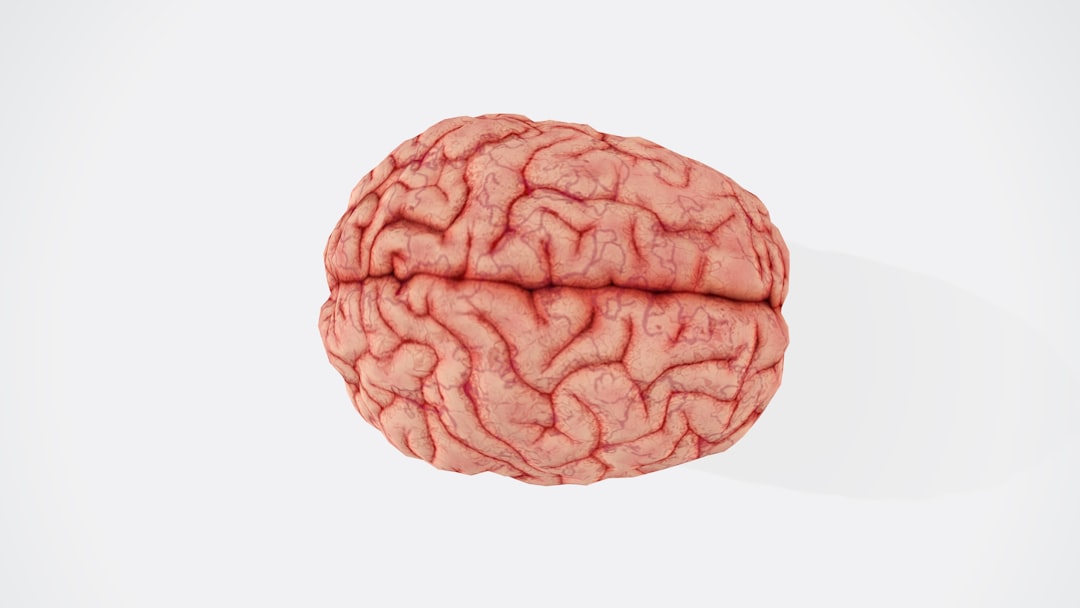
Coined by Iliff and Nedergaard in 2012, the glymphatic system maintains cerebral homeostasis by circulating cerebrospinal fluid through the brain via perivascular pathways that facilitate solute exchange between CSF and the interstitial fluid, thus clearing neuronal metabolites from the brain parenchyma. The name blends “glial” and “lymphatic,” because glial cells of the brain form the channels that drive this process. It’s the brain’s own drainage network, something the body couldn’t do without a dedicated lymphatic system inside the skull.
In the glymphatic system, arterial pulsations propagate CSF through the perivascular spaces. These spaces are formed by the vascular endfeet of astrocytes, which facilitate CSF flow through the abundant expression of aquaporin-4. The CSF then diffuses through the brain’s interstitial fluid and exits via perivenous spaces, draining either through meningeal and cervical lymphatic vessels or arachnoid granulations. Think of it as a slow-moving river system threading through the most complex organ in the human body.
The Toxins Being Removed
The removal of waste metabolites, including amyloid-beta, tau, and alpha-synuclein, from the brain can occur via several interacting physiological pathways, including enzymatic degradation, microglia-mediated phagocytosis, glymphatic clearance, transport across the blood-brain barrier, and cellular uptake. The glymphatic system handles a significant share of that burden. These proteins are not harmless background noise.
Brain waste includes amyloid-beta and tau proteins, chemicals that negatively affect brain processes if they build up. Both proteins are closely associated with Alzheimer’s disease, and their gradual accumulation over years is thought to precede symptoms by a decade or more. Clearing them efficiently every night is not a small thing.
Why Sleep Is When the System Switches On

During sleep, the number of glial cells decreases and the interstitial space expands more than in the awake state, thus facilitating the transport of substances within the tissues. This expansion of the brain’s fluid compartments is one of the key reasons clearance is faster at night. The brain essentially opens its passages wider once consciousness drops.
Sleep architecture is an important determinant of glymphatic function, with the system being most active during NREM sleep, particularly in stage N3 when delta activity is highest. Stage N3 is deep, slow-wave sleep, the hardest stage to reach and the first to erode with age or poor sleep habits. Disruption of N3 sleep has been associated with conditions such as dementia, highlighting the potential benefit of interventions aimed at improving slow-wave sleep.
The Norepinephrine Pump Nobody Knew About

A landmark study published in the journal Cell in early 2025 identified something researchers had long suspected but never directly measured. Using an array of technologies, researchers identified tightly synchronized oscillations in norepinephrine, cerebral blood volume, and cerebrospinal fluid as the strongest predictors of glymphatic clearance during NREM sleep. The brain’s own chemical rhythms turn out to drive the whole flush cycle.
Stimulation of arterial oscillations enhanced CSF inflow, demonstrating that vasomotion acts as a pump driving CSF into the brain. The sleep aid zolpidem suppressed norepinephrine oscillations and glymphatic flow, highlighting the critical role of norepinephrine-driven vascular dynamics in brain clearance. This finding has real consequences for anyone relying on common sleep medications. Taking a pill that mimics the unconscious state does not necessarily reproduce all the biology of natural sleep.
The Lateral Position: What the Research Shows

The landmark study on sleeping posture was published in the Journal of Neuroscience in 2015 by researchers at Stony Brook University, and it remains one of the most cited pieces of evidence in this area. The analysis showed that glymphatic transport was most efficient in the lateral position compared with the supine or prone positions. The difference was measured using dynamic contrast MRI and radioactive tracers in anesthetized rodents.
The major finding was that waste, including amyloid-beta, removal was most efficient in the lateral position, which mimics the natural resting and sleeping position of rodents. Although the finding awaits testing in humans, researchers speculate that the lateral position during sleep has advantage with regard to the removal of waste products including amyloid-beta, because clinical studies have shown that sleep drives amyloid-beta clearance from the brain.
Sleep position influences glymphatic efficiency, with the lateral position more efficient than supine or prone. A 2025 review published in Frontiers in Neurology, citing this and subsequent research, confirmed lateral sleeping as the consistently supported position across studies.
Why the Prone and Supine Positions Fall Short

In the prone position, in which the rat’s head was in the most upright position mimicking posture during the awake state, transport was characterized by retention of the tracer, slower clearance, and more CSF efflux along larger caliber cervical vessels. In other words, sleeping on your stomach causes fluid to leak toward the spinal cord rather than circulating deeply through brain tissue.
The position of the sleeper’s head during sleep may be an essential component in the removal of waste products from the brain. The hypothesized mechanisms underlying the impact of posture on clearance seem to arise from the effects of gravity and the constriction of venous drainage from the carotid veins. Research indicates that head posture in a supine position during sleep can negatively influence the elimination of neurotoxic proteins from the brain, potentially leading to the development of neurodegenerative disorders.
Confirmed in Humans: The First Direct Evidence

For years, most of the glymphatic evidence came from rodents. That began to change definitively in 2024 and 2026. Late in 2024, the first demonstration of glymphatics in humans, among five patients undergoing brain surgery with MRI images at two time points, confirmed the presence of this network running alongside blood vessels in the brain. The network described in mice was real in humans too.
In a randomized crossover trial with 39 participants, researchers found that glymphatic clearance during normal sleep increased morning plasma levels of Alzheimer’s disease biomarkers compared to sleep deprivation. The implication is that sleep allows the system to push amyloid-beta and tau out of brain tissue and into the bloodstream, where they can be cleared from the body. The findings indicate that sleep-active physiological processes, particularly reduced brain parenchymal resistance, enhance overnight glymphatic clearance of Alzheimer’s disease biomarkers to plasma.
What Sleep Deprivation Does to the System

One night of sleep deprivation significantly increases amyloid-beta deposition in the right hippocampus and thalamus, while high-quality sleep promotes amyloid-beta clearance from the brain. That’s a striking finding. A single bad night is enough to measurably shift protein levels in the very regions most vulnerable to Alzheimer’s pathology.
In amyloid models, acute and chronic sleep deprivation increase interstitial amyloid-beta levels and accelerate plaque deposition. In tau-focused models, sleep loss increases interstitial and CSF tau and can worsen tau seeding and spread. The damage compounds over time. This appears to be bidirectional, setting up a vicious loop, since decreased sleep leads to more toxic proteins, and the toxic proteins interfere with sleep.
The Aging Brain and Declining Glymphatic Efficiency
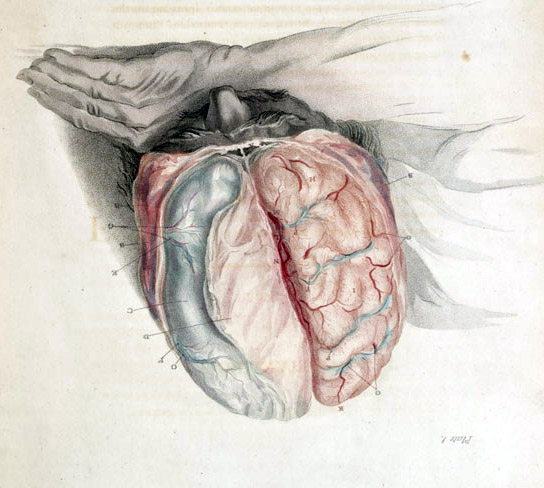
As we age, efficiency of the glymphatics and vascular dynamics decline and sleep gets disrupted, there are more arousals, less synchronized neural activity, and less NREM stage 3 deep slow-wave sleep. This gradual erosion appears to be one of the biological bridges between normal aging and the early stages of neurodegeneration. It does not happen overnight, but the trajectory matters.
In aged mice, glymphatic amyloid-beta clearance declines substantially, with earlier studies reporting a marked reduction that coincided with vascular stiffening and diminished perivascular AQP4 support. The proteins accumulate faster, the vessels grow stiffer, and the drainage channels become less efficient. Disruption of these infraslow dynamics has been observed in conditions such as insomnia, chronic fatigue, and sleep misperception, suggesting a potential link between impaired glymphatic function and non-restorative sleep.
What the Science Recommends and What It Cannot Yet Prove

It’s worth being honest about the limits here. The posture research in humans is still indirect. The Stony Brook study was done in rodents, and researchers proposed that the most popular sleep posture, which is the lateral position, has evolved to optimize waste removal during sleep and that posture must be considered in diagnostic imaging procedures developed in the future to assess CSF-ISF transport in humans. That is a proposal grounded in evidence, not yet a definitive human clinical trial result.
The vast majority of glymphatic clearance takes place during sleep, with a roughly ninety percent reduction in glymphatic clearance during wakefulness, emphasizing the pivotal role of sleep in facilitating the removal of waste products and toxins from the brain. What the full body of evidence does support is this: prioritizing uninterrupted, deep natural sleep is among the most defensible things a person can do for long-term brain health. And if the lateral position tilts the odds further in your favor, the biological reasoning behind it is sound enough to take seriously.
Sleep position alone will not prevent neurodegeneration. But in a domain where so many risk factors are out of our hands, the way you lie down at night is one of the few variables entirely within your control. That might be worth something.