

DeBriefed 15 April 2026: Trump-Xi talk energy | ‘Supercharged’ El Niño | India’s first ‘heat lounges’ – Image for illustrative purposes only (Image credits: upload.wikimedia.org)
Delivery riders and other outdoor workers in Chennai navigate daily shifts under conditions that leave little room for rest or recovery. With humidity often pushing apparent temperatures well above recorded levels, many have long relied on makeshift shade or brief stops at tea stalls that rarely welcome extended stays. The city’s recent introduction of dedicated cooling spaces marks a practical response to these pressures, arriving as forecasters highlight the potential for even more intense conditions later this year.
Forecasts Point to Heightened Extremes
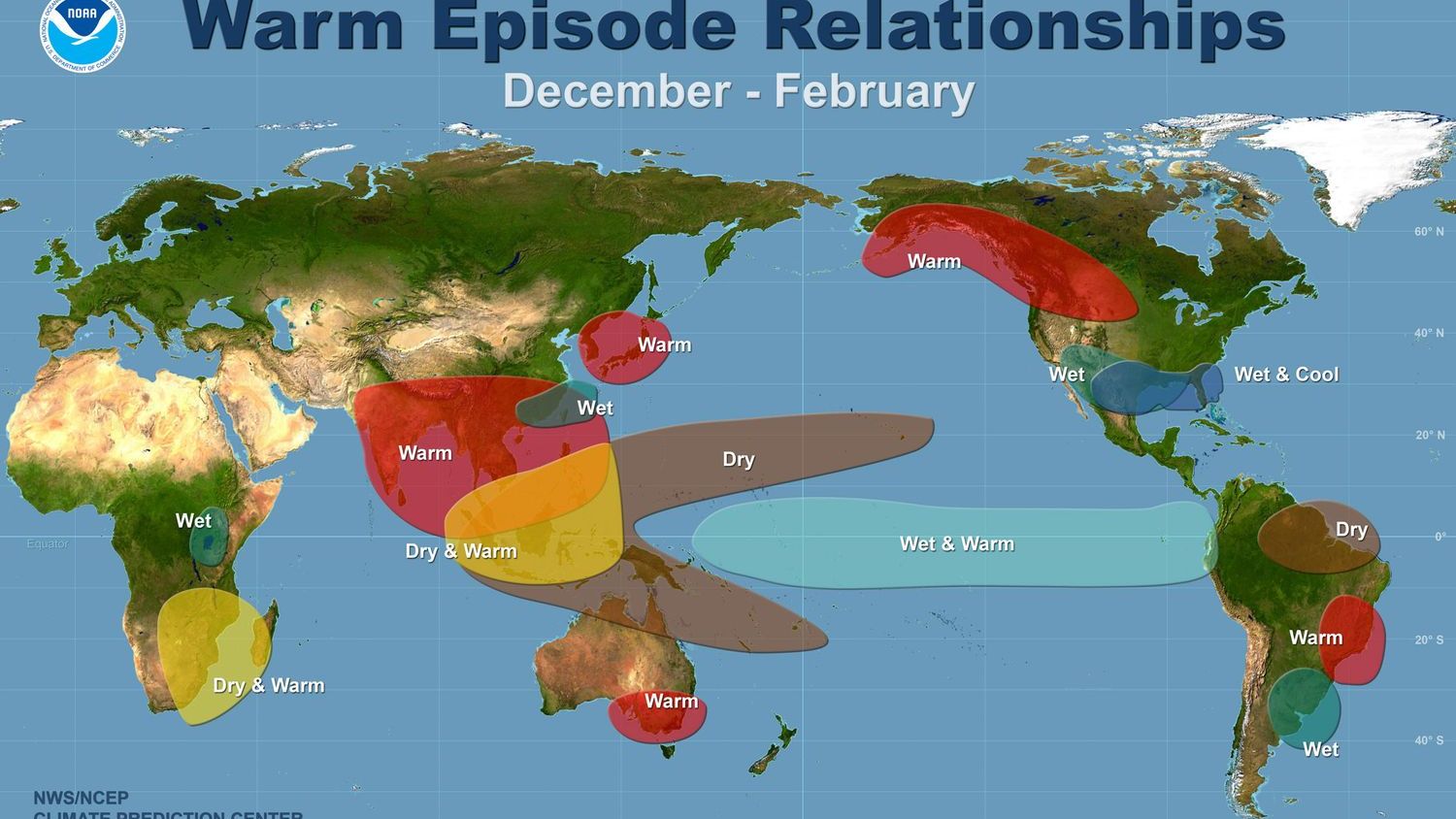
Scientists tracking global weather patterns have identified an 82 percent likelihood of a very strong El Niño developing in 2026. This phase of the recurring climate cycle tends to intensify heatwaves, droughts, and wildfires across multiple regions. A concurrent positive phase of the Indian Ocean Dipole could further amplify those effects, according to analyses from several forecasting centers.
Fire activity already reached record levels in parts of Africa and Asia during the first four months of the year, with more than 150 million hectares burned. Researchers note that a strong El Niño would likely push those figures higher still. While the exact timing and strength remain subject to ongoing monitoring, the combination of these patterns raises the prospect of prolonged periods when outdoor labor becomes especially hazardous.
Practical Cooling Spaces Take Shape
Chennai became the first Indian city to establish air-conditioned lounges specifically for gig workers exposed to extreme heat. Located in the dense T Nagar district, one such facility provides seating for up to 25 people, phone charging points, drinking water, and restroom access. Workers describe the space as a marked improvement over previous options that included tree shade, stairwells, or flyover underpasses.
Access remains free and open during operating hours, though some users report that even brief interruptions in air conditioning do not erase the overall benefit. The lounges sit within recognized urban heat islands where concrete and traffic compound daytime temperatures. City officials have positioned the facilities as an initial step toward supporting the growing number of platform-based delivery and ride-hailing workers who lack air conditioning at home.
Workers Describe Daily Realities
Mohammed S., a 29-year-old grocery delivery rider, explained that before the lounges existed, finding any place to pause during peak afternoon heat often proved impossible. “We would park our bikes and try to find a tree to sleep under,” he said, noting that shop owners typically limited breaks to ten minutes. The new facilities allow him and colleagues to recover without constant displacement.
Another rider, Dinesh, begins shifts before dawn to avoid the worst midday conditions yet still faces continuous app-driven demands through the morning. Many migrant workers report that financial pressures leave little choice but to continue working even on the hottest days. Researchers who tested small cash incentives for heat avoidance in Delhi found reduced symptoms among recipients, yet similar measures have not been adopted locally.
Broader Developments Shape the Outlook
Discussions between the United States and China have touched on energy security and potential increases in Chinese purchases of American oil and gas. At the same time, analysts note that the two nations continue to pursue markedly different domestic climate policies. Elsewhere, Ethiopia has seen electric vehicles reach 8 percent of its fleet amid fuel shortages, while the United Kingdom reduced its contribution to the UN Green Climate Fund.
NATO has endorsed greater reliance on renewable energy sources as a security measure, citing past use of imported fuels as leverage in conflicts. In New Zealand, proposed legal changes would limit private companies’ exposure to climate-related lawsuits. These shifts occur against a backdrop of record-low Antarctic sea ice and studies showing that economic inequality increases heat- and cold-related deaths in Europe.
Whether additional cities will replicate Chennai’s approach remains an open question as temperatures continue to climb in many parts of the world.