


What a “Pulse Reset” Actually Means for the Grid

The term “pulse reset” refers loosely to any event, whether a geomagnetic storm, a high-altitude electromagnetic pulse, or a cascading cyberattack, that forces the grid into sudden, wide-area collapse. A nuclear electromagnetic pulse event could wipe out the U.S. power grid, and along with it satellite ground stations, financial markets, healthcare systems, transportation networks, and the technologies Americans rely on daily.
In simple terms, a man-made EMP event would use the pulse from a nuclear explosion high in the atmosphere to damage or destroy vulnerable electronics over a vast area. The natural form works differently but lands with comparable consequences. The natural form of EMP, a solar storm, can wreak similar havoc, as Quebec’s province discovered firsthand during a 12-hour blackout in 1989 caused by a solar flare.
Extreme electromagnetic incidents could damage significant portions of the nation’s critical infrastructure, including the electrical grid, communications equipment, water and wastewater systems, and transportation modes, with impacts likely to cascade from one critical sector into another.
The Grid Is Already Under Pressure
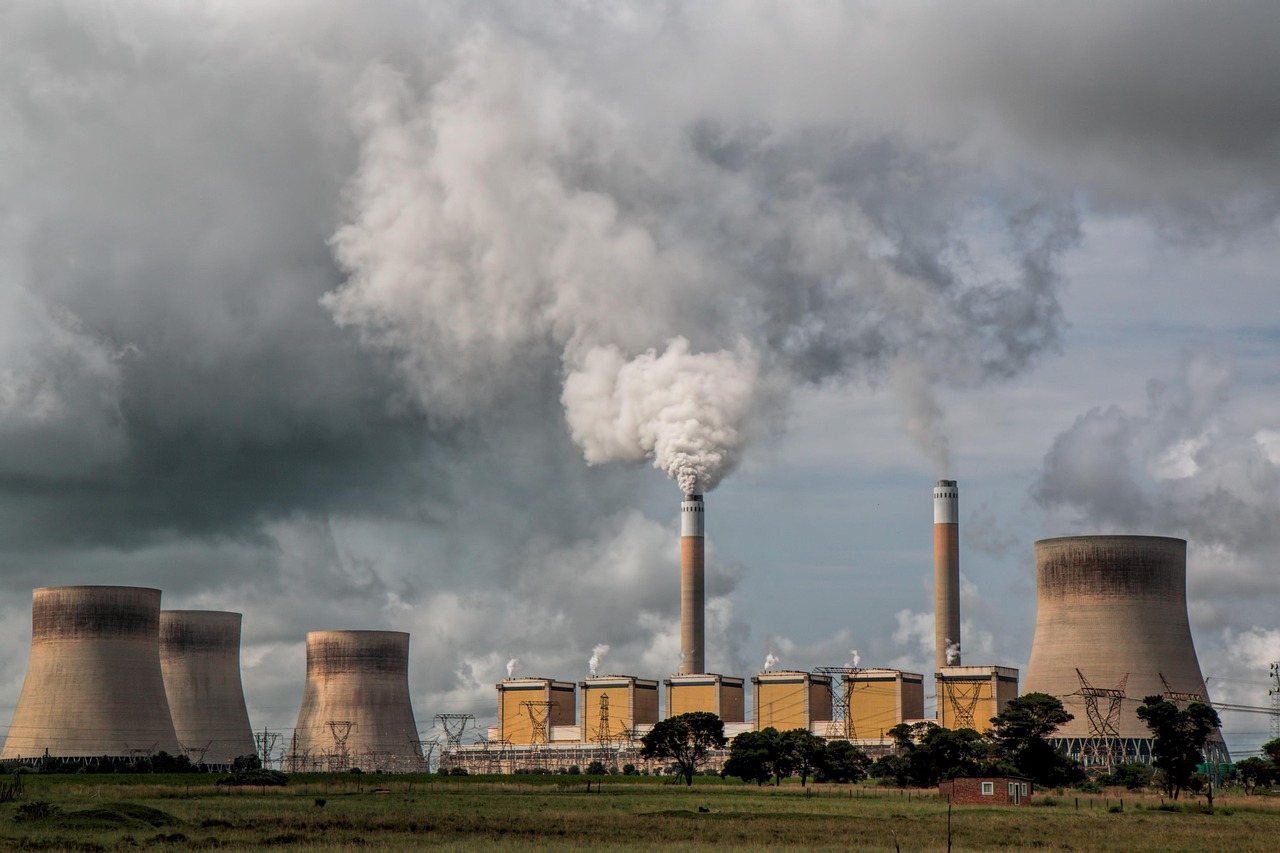
The average age of the U.S. power grid is about 40 years old, with many components already operating beyond their designed lifespan. That age matters enormously when stress arrives. Nationally, roughly seven in ten transmission lines and power transformers are 25 years or older, while about six in ten circuit breakers are more than 30 years old.
In 2023, the U.S. Department of Energy reported at least 175 instances of physical attacks or threats against critical grid infrastructure. In 2024, Check Point Research documented 1,162 cyberattacks on utilities, a 70 percent increase compared with the prior year. The attack surface isn’t shrinking. The North American Electric Reliability Corporation reported that points of susceptibility continue to grow as the grid expands, with the number of vulnerable points increasing by approximately 60 per day.
The 1989 Quebec Event: A Documented Warning

The March 1989 geomagnetic storm caused a nine-hour outage of Hydro-Québec’s electricity transmission system. The failure was nearly instantaneous. Within 90 seconds and without warning, six million people were left without power for nine hours, many for far longer.
The space storm’s effects extended all the way to Earth’s surface in the form of geomagnetically induced currents, which infiltrated power grids across North America and northern Europe, and even destroyed a transformer at a nuclear power plant in New Jersey. That was a relatively minor solar storm by historical standards. On July 23, 2012, a Carrington-class solar superstorm was observed, but its trajectory narrowly missed Earth by a margin of roughly nine days.
According to the National Academies of Sciences, a solar storm of this magnitude today has the potential to cost nearly two trillion dollars, disrupting telecommunications, banking systems, GPS, and the energy grid, with an estimated 20 to 40 million people at risk of an extended power outage lasting anywhere from 16 days to two years.
Why Digital Tools Fail You First
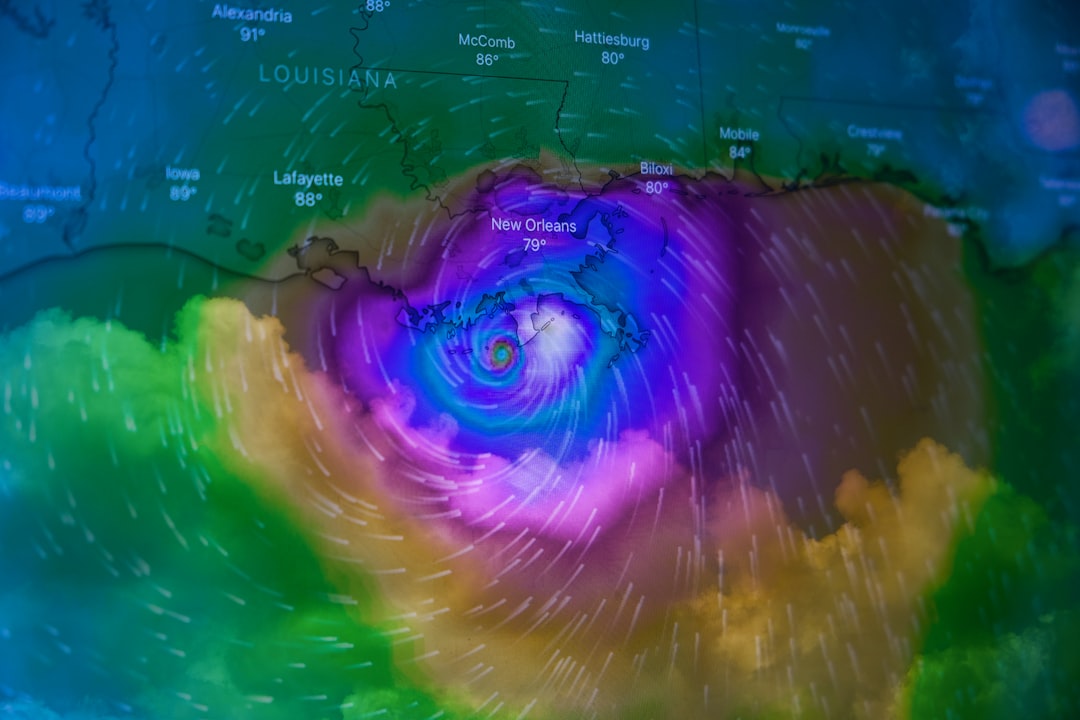
Some past reports and studies indicate that an EMP event could disrupt key activities like banking, shopping for groceries, buying gas for generators, and even driving a car. This is the core problem with digital dependence. The tools you rely on most are, in a grid-down scenario, the first to go dark.
Streams of charged particles during geomagnetic storms can create changes in the ionosphere that disrupt the use of high-frequency radios used for search and rescue, the Global Positioning System (GPS), and even ground and air communications within aviation. Your phone’s GPS, your car’s navigation, your emergency radio app: all of them depend on infrastructure that may not survive.
Without power, phone systems and the Internet would eventually stop functioning. Ways to communicate with family members should be discussed ahead of time. Having a family plan for where to meet and how to communicate without electronic means is genuinely important.
The One Physical Tool That Survives Everything
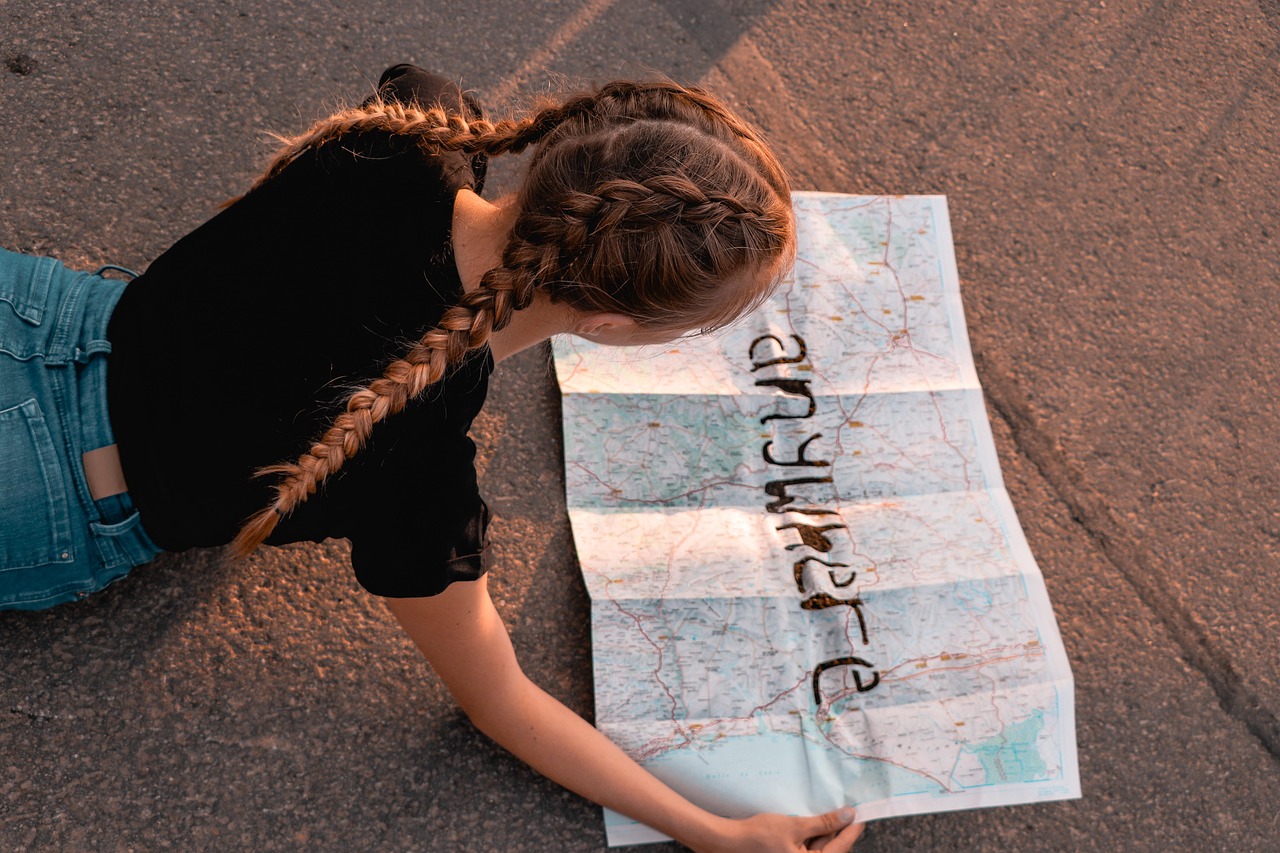
The answer isn’t exotic, and it doesn’t require a bunker. It’s a printed, physical reference library combined with detailed paper maps of your local region and your evacuation routes. Paper does not need a charge. It does not require a signal. It cannot be corrupted by a surge. It simply works.
An EMP, whether from a high-altitude detonation or a specialized device, could damage electronics and grid components over a large area. While this is a low-probability, high-consequence scenario, the takeaway for personal preparedness is the same: do not rely on a single fragile layer of technology for your safety.
Having a plan to reach family, provide medical treatment, and receive news during an outage is critical. A laminated paper map pinned to a kitchen wall, a printed first aid manual, and a written family meeting point address accomplish this without any technology at all. These are not survivalist fantasies. They are functional redundancies.
Water, Navigation, and the Paper Map’s Hidden Value
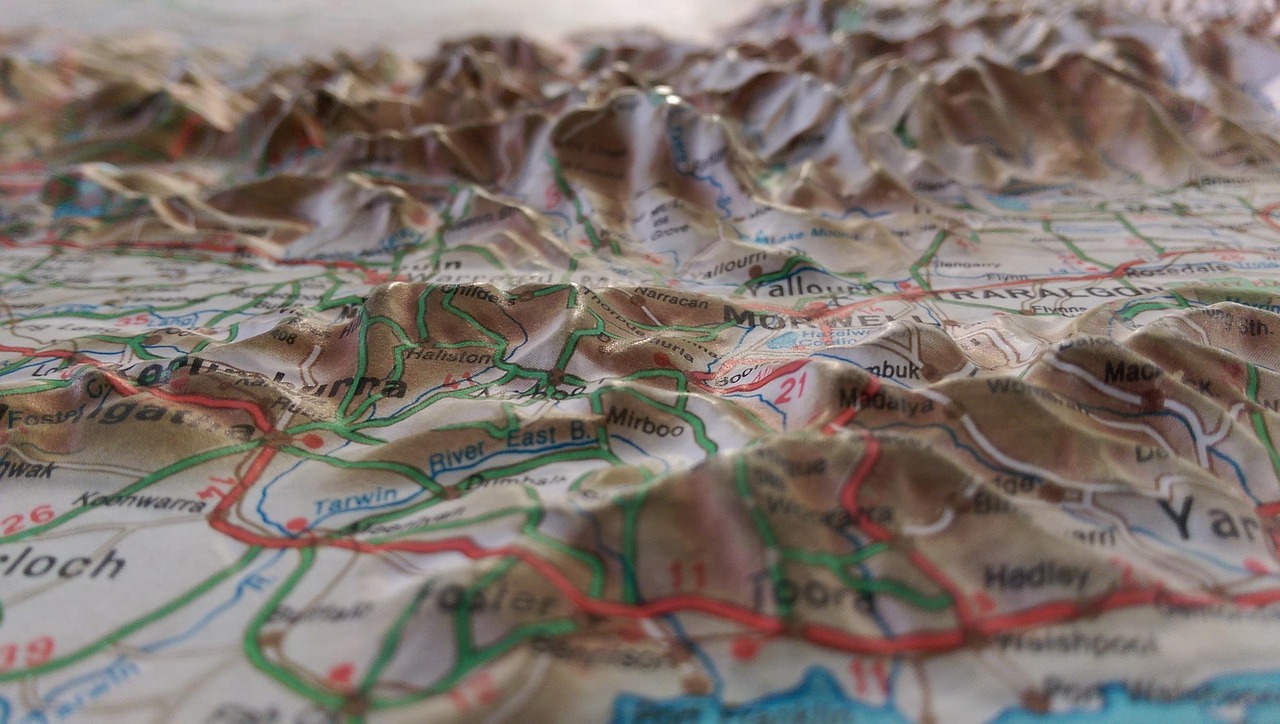
Clean drinking water can become a serious problem in a power outage. Without electricity, your home’s well pump will cease to work, and places like the upper floors of high-rises will have no running water. Knowing where the nearest natural water sources are, and how to get to them, is the kind of knowledge that lives in a physical map.
If you have planned ahead, you can map out various sources of water around your home, with the goal of not having to travel more than five miles one way. Carrying several gallons of water back to your home over five miles is far harder than most people expect, especially if done daily. A paper map with those water sources already marked is genuinely irreplaceable.
Topographic maps from the U.S. Geological Survey are available for free download and can be printed at home or at any copy shop. They show elevation, water features, roads, and trails. In an extended outage, those details determine whether you can move safely or not.
The Printed Reference Library: What Belongs in It
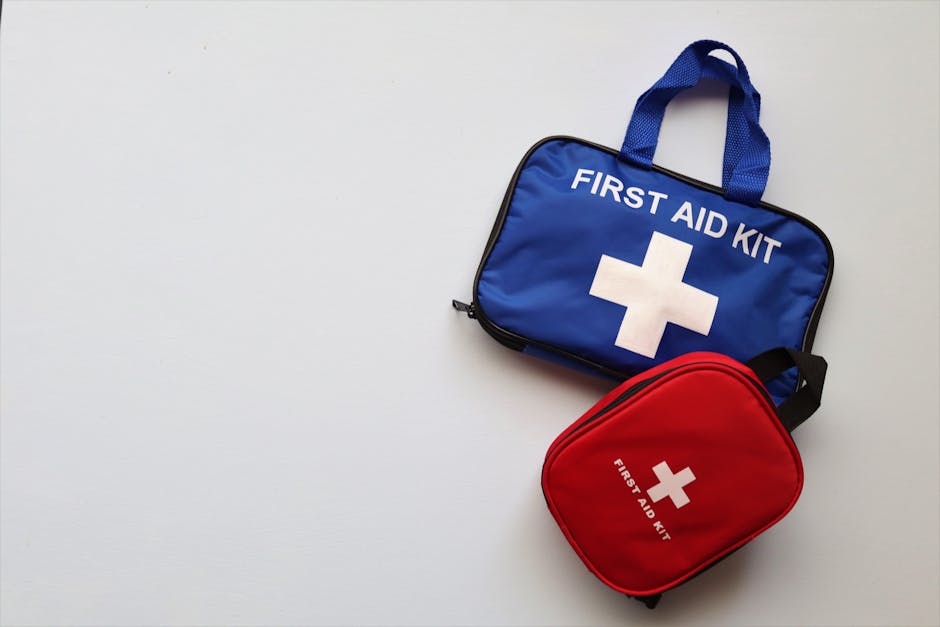
Beyond maps, a printed reference library should contain a few specific categories of information. A first aid and trauma care manual heads the list, since healthy individuals need to be prepared to treat infections and injuries, and having a comprehensive medical reference with guidance on antibiotics, splints, and tourniquets is key to surviving a prolonged power outage.
Printed lists of local emergency contacts, utility company numbers, and nearest hospitals or emergency shelters should also be included, because banking systems will be offline, ATMs won’t work, and banks will be closed. Cash kept at home in small denominations matters too. Written information doesn’t require power to access.
The line between inconvenience and crisis is often just whether you have a small stock of basics and a few tools ready to go. A printed binder containing water purification methods, local plant identification, and basic mechanical repair guidance rounds out a genuinely useful offline library without taking up more space than a thick novel.
How Long Could a Real Grid Failure Last?
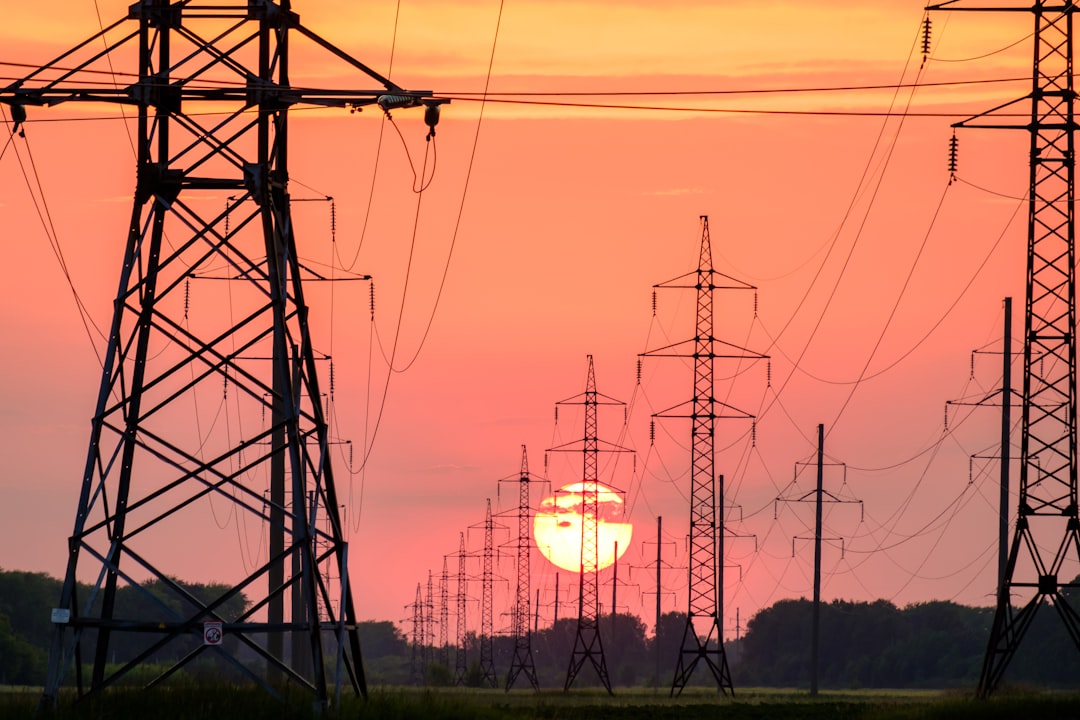
A 2018 National Infrastructure Advisory Council report stated that a catastrophic power outage from a cyberattack could last days or even years. The recovery timeline for physical grid damage is even longer, particularly when large transformers are involved. Repairing the grid after a major collapse is a monumental task, and rebuilding damaged transformers and other critical components could take years if the damage is widespread.
Whereas an area impacted by a solar storm can recover with help from nearby, unaffected utilities and communities, full restoration could take years following a continent-wide multi-EMP attack due to lack of assistance from contiguous regions. That’s a sobering timeframe. Emergency managers often promote a three-day supply of water, food, and medications as the standard. In reality, three-week or even three-month supplies may be what’s actually needed.
Community Is the Other Offline Asset

Loss of the electric power grid could cause cascading effects following a major disaster, but by working and planning together, individuals and communities will be better prepared and more resilient when faced with any such event. A household that survives in isolation is far more vulnerable than one embedded in a prepared neighborhood. Printed rosters of neighbors with relevant skills, shared meeting points, and communal supply maps extend the value of any paper-based preparation.
A prepared group is much better than a prepared individual. Some may have first aid skills, camping experience, or self-defense training. A team has far more skills and resources than a single person. That community knowledge doesn’t require any technology to maintain or share.
Social resilience, including knowing your neighbors and having pre-established communication protocols, is itself a tool that no pulse can erase. Talking to the people on your street now, before anything happens, is free and fully offline.
The Practical Argument for Acting Before the Lights Go Out
Blackouts are no longer rare once-a-decade events. Between heat waves, winter storms, aging infrastructure, and emerging cyber and solar threats, power failures are something ordinary households should plan around calmly and realistically. The argument for a physical offline toolkit isn’t built on catastrophism. It’s built on trend lines that are already visible.
EMP resilience is no longer a theoretical exercise; it is a strategic imperative. As potential threats evolve, so must our approach to infrastructure and personal preparedness. The same logic that applies to utility operators applies to households. Waiting for an event to start building resilience is the least effective strategy available.
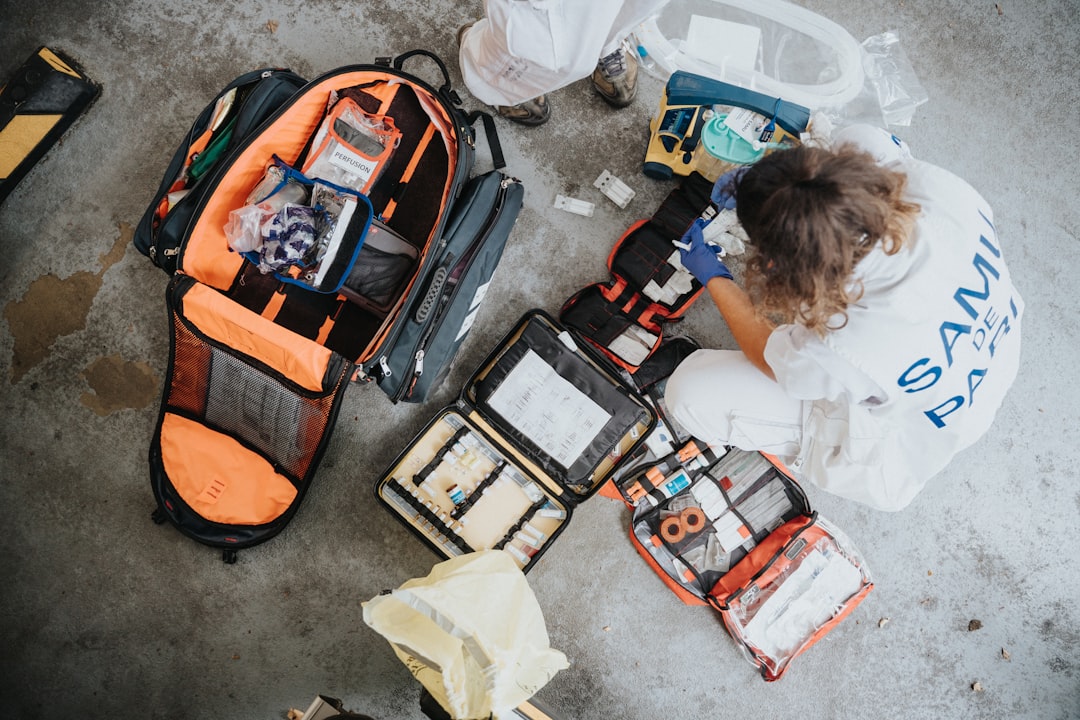
Preparedness means stocking up on necessities like food, water, first-aid supplies, and establishing a communication plan to stay informed. None of that requires expensive equipment. Most of it requires a weekend, a printer, and a few hours of deliberate planning while the lights are still on.
Conclusion: The Simplest Hedge Against the Most Complex Failure
There is something quietly clarifying about the paper map as a survival tool. In a world where nearly everything valuable runs through a screen, something that requires nothing more than light and eyesight to read holds a kind of understated power. It doesn’t need to be updated by a server somewhere. It doesn’t lose its charge.
The threats to the grid are real, varied, and growing. The U.S. faces threats from EMPs, cyberattacks, and AI-enabled intrusions, with experts warning of ongoing unpreparedness for major infrastructure disruptions. No single household can solve that at scale. What a household can do is remove its own dependency on the most fragile link in the chain.
Print the maps. Build the binder. Store it somewhere dry and accessible. The goal isn’t to predict the future. It’s to ensure that whatever form the disruption takes, you already have the one tool that no pulse reset can touch.