

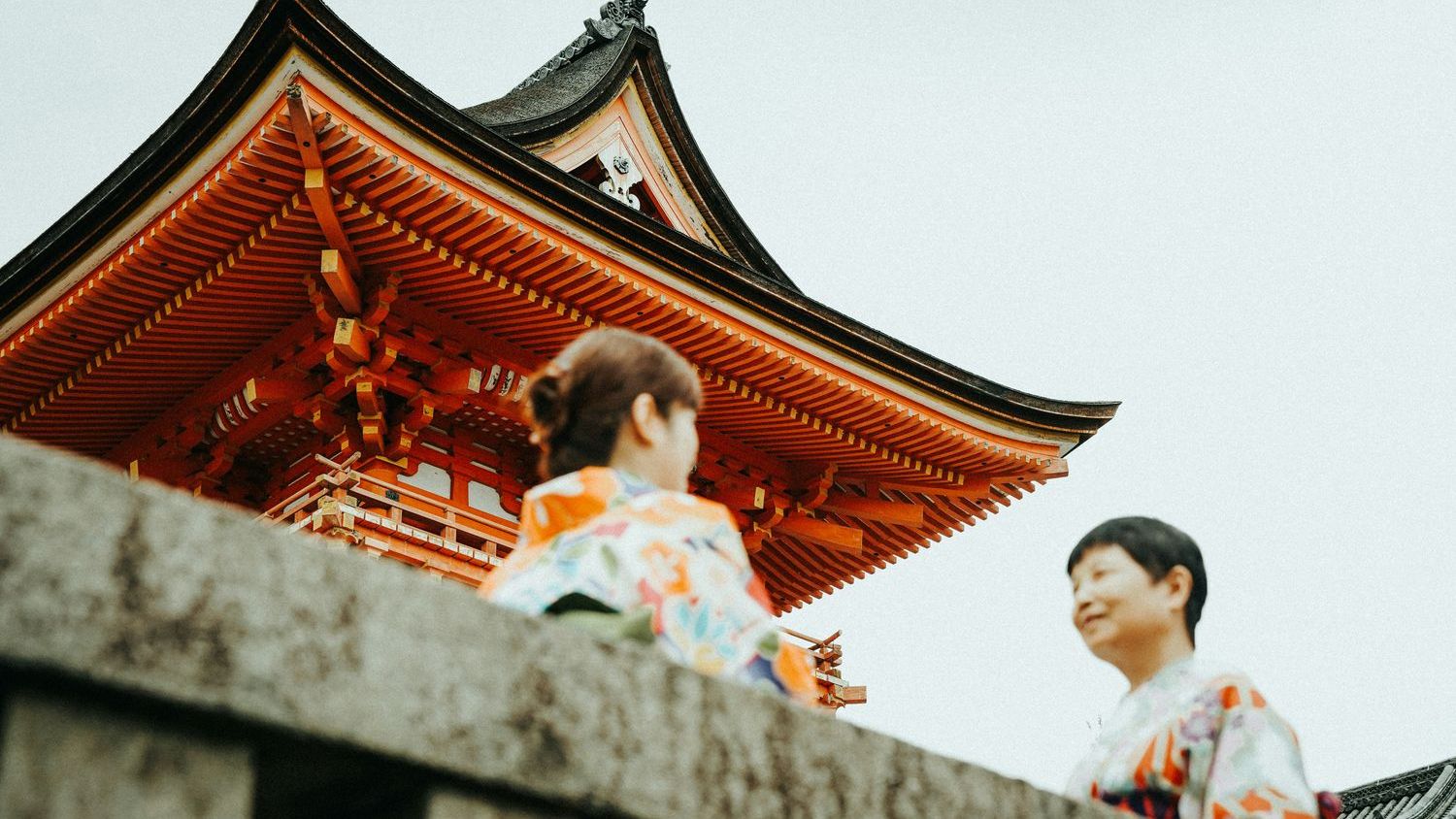
There is a company in Osaka called Kongō Gumi that has been in continuous operation since the year 578, which means it was founded before Islam existed, before England was a country, and before the rise of nearly every institution on Earth that still has a name – Image for illustrative purposes only (Image credits: Unsplash)
Osaka stands as the home of Kongō Gumi, a construction company whose documented history reaches back to 578 AD. That founding date places its origins well before the birth of Islam, before the unification of England, and before the establishment of most institutions that still carry recognizable names today. The firm has specialized in building and maintaining Buddhist temples across more than fourteen centuries, adapting its methods while preserving core craft traditions.
Roots in Early Japanese Temple Construction
The company traces its start to a Korean carpenter named Shigemitsu Kongō, who arrived in the region at the invitation of Prince Shōtoku. His task was to help erect Shitennō-ji, one of the earliest Buddhist temples on the Japanese islands. Official records in the Nihon Shoki, completed in 720, confirm the temple’s construction and the involvement of craftsmen from the Korean kingdom of Baekje.
Successive generations continued the same line of work. Leadership passed through forty family heads, though the process favored capable heirs rather than strict birth order. At times this meant adopting skilled outsiders into the family or, in one documented case during the 1930s, placing a woman at the head of operations after her husband’s death.
Practical Mechanisms Behind Long-Term Survival
Japan maintains thousands of firms older than one hundred years, a pattern researchers link to flexible inheritance practices that prioritize institutional continuity over bloodlines alone. Kongō Gumi followed this pattern by updating its operations without discarding specialized skills. Early techniques relied on precise wooden joinery that allowed structures to withstand earthquakes. Later decades brought concrete foundations, computer-aided design, and bids on commercial projects alongside traditional temple work.
The firm’s core workforce of master carpenters, known as miyadaiku, retained expertise in shrine and temple restoration. This combination of preserved craft and selective modernization created a durable business model that outlasted repeated national upheavals.
Events Survived Across Fourteen Centuries
Kongō Gumi endured multiple periods that dismantled other enterprises. It continued operations through the Genpei War, the attempted Mongol invasions of the thirteenth century, and the prolonged Sengoku conflicts of the sixteenth century. During the Tokugawa era of national isolation, temple and shrine commissions remained steady. The Meiji Restoration’s shift away from state-supported Buddhism prompted a move into commercial construction. Even the 1945 firebombing of Osaka, which destroyed large sections of the city, did not halt the company’s work.
These episodes illustrate how a stable demand for temple rebuilding, combined with technical specialization, supported continuity where many other organizations failed.
The 2006 Transition and Its Implications
Family ownership ended in 2006 when accumulated debt from real-estate investments during the late-1980s asset bubble forced absorption into the Takamatsu Construction Group. The firm itself continues to operate under the Kongō Gumi name and still undertakes temple projects. The change marked the close of direct family control after forty generations, yet the institutional identity and specialized workforce remained intact.
This outcome highlights how external financial pressures can interrupt even the most resilient operating histories when a company ventures beyond its established expertise.
What matters now is the reminder that institutional endurance depends on matching capabilities to core activities over very long periods. Kongō Gumi demonstrates both the possibilities and the limits of that approach in a single, concrete case.