

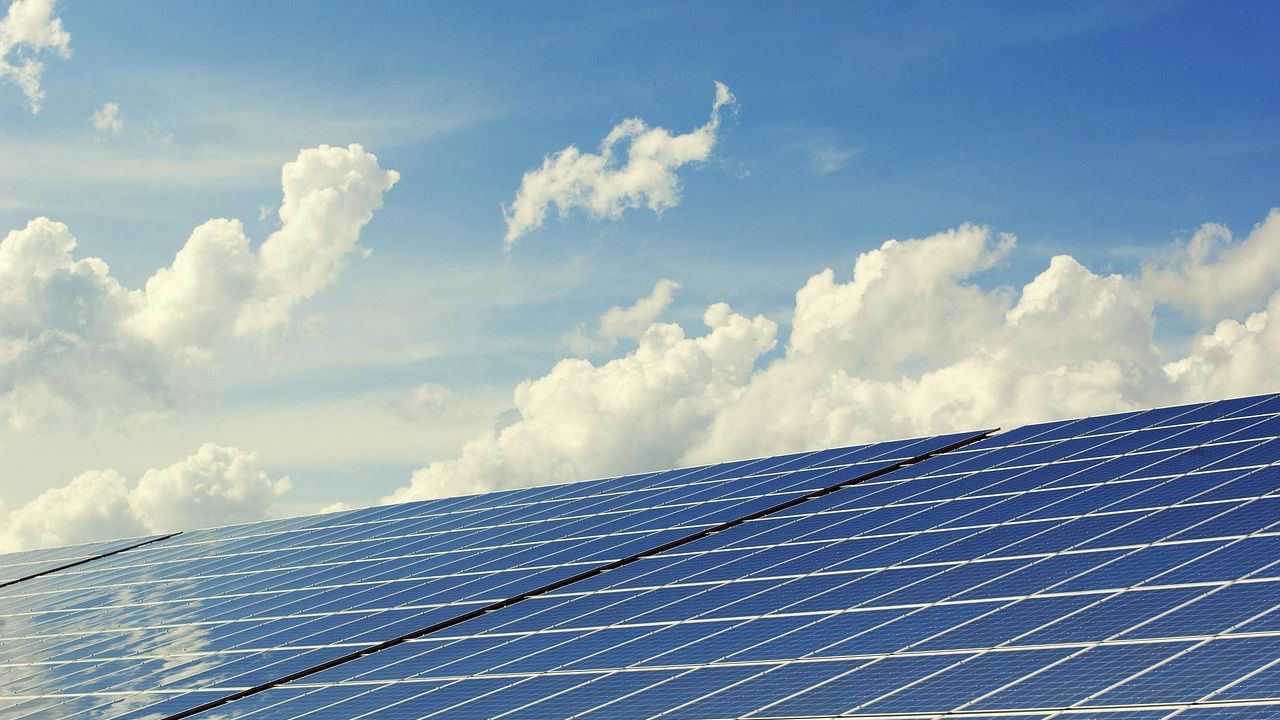
How big can solar go? These 3 projects show us the gigascale future – Image for illustrative purposes only (Image credits: Pixabay)
Power companies now pursue solar projects measured in full gigawatts, a scale that seemed unrealistic only five years ago. Panels have grown cheaper while installation methods have improved, allowing developers to move far beyond the hundreds of megawatts that once defined record-setting plants. China has moved first and farthest on this shift, turning what once counted as ambitious into routine practice.
Costs Drop and Capacity Rises
Lower panel prices have removed the main barrier that once capped project size. Developers can now cover vast tracts of land with arrays that deliver steady output without the earlier need for complex financing structures. Installation crews have also refined their techniques, completing large sites in less time and with fewer delays than older methods allowed.
These changes compound. A single gigawatt-scale facility can now supply electricity to hundreds of thousands of homes at costs that compete directly with coal or gas plants in many regions. The result is a steady pipeline of approvals for projects that would have been rejected as too large or too risky in the recent past.
China Sets the Pace
Chinese developers have completed multiple facilities that operate at the gigawatt level, often linking several adjacent sites into even larger clusters. Government targets for renewable capacity have aligned with private investment, producing a rapid sequence of announcements and grid connections. Other countries watch these builds closely because the engineering lessons transfer quickly once the first examples prove reliable.
Grid operators in China have adapted transmission lines and storage plans to handle the concentrated output from these sites. The experience shows that large solar plants can integrate into existing networks when planners account for daily and seasonal patterns from the start.
What Remains Uncertain
Long-term performance data for the newest gigawatt facilities is still limited. Dust accumulation, extreme weather, and gradual panel degradation could affect output more than early models predict. Regulators continue to study how these plants interact with regional grids during periods of low sunlight or high demand.
Supply chains for the raw materials used in panels also face ongoing scrutiny. While current production meets demand, sustained growth at this scale will require steady expansion of mining and manufacturing capacity worldwide.
Outlook for the Next Phase
The trend toward larger solar projects appears set to continue as long as costs keep falling and permitting processes stay workable. Countries outside China are beginning to approve their own multi-gigawatt proposals, drawing on the operational records now available from earlier builds. The shift does not eliminate the need for other clean-energy sources, yet it demonstrates how quickly solar can expand when economic conditions align.