

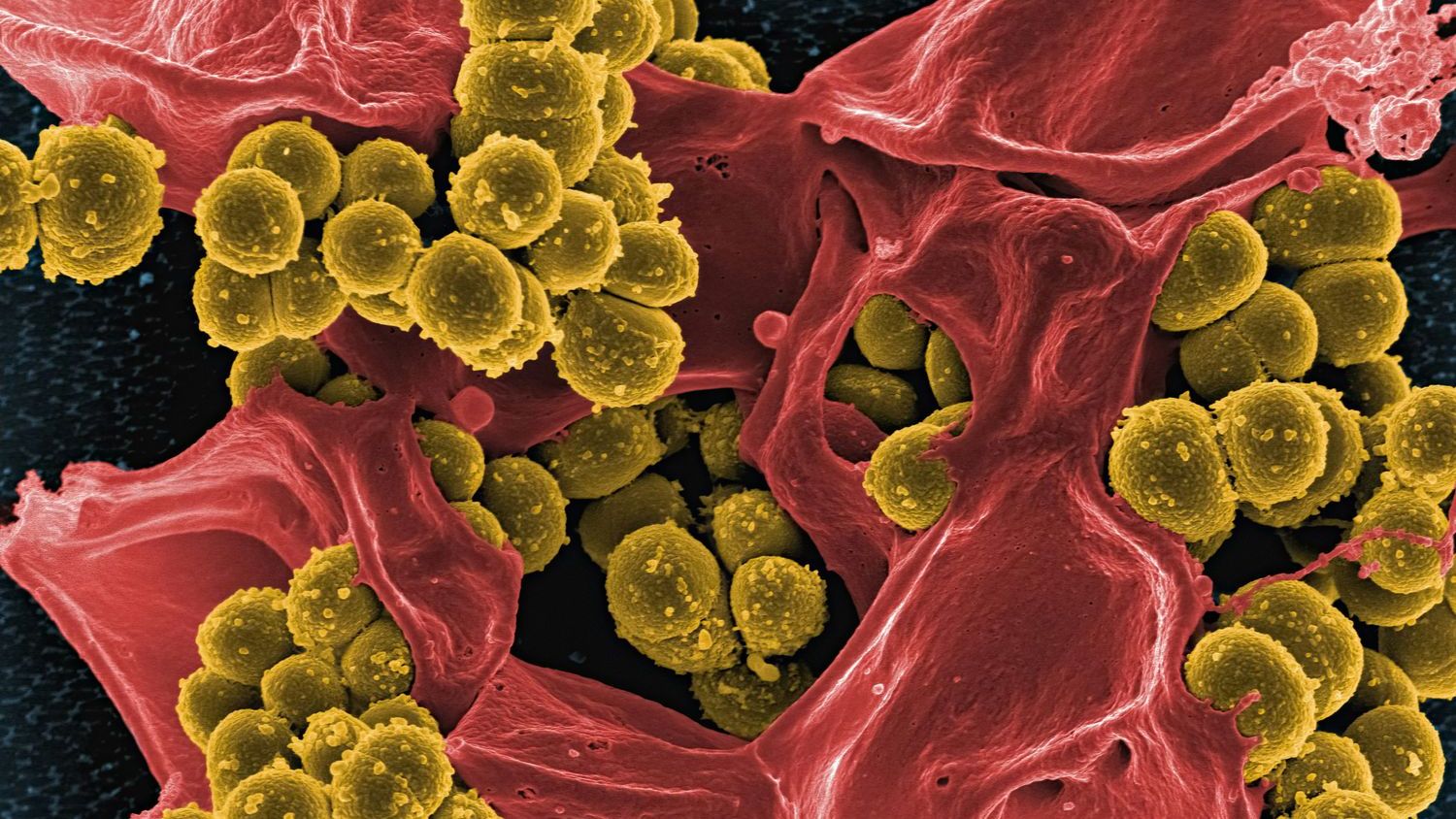
The bacteria living in and on your body outnumber your own cells, which means that by strict cellular count you are not majority human – and the ratio shifts noticeably depending on whether you’ve just been to the bathroom – Image for illustrative purposes only (Image credits: Unsplash)
The body reading these words is not a purely human entity when measured by cell count alone. Instead it functions as a living partnership between human tissue and trillions of microbial residents. That partnership produces a numerical balance that tilts slightly toward the microbes for most of any given day.
Where the Old 10-to-1 Claim Came From
Early estimates placed bacterial cells at ten times the number of human cells. Those figures rested on limited measurements of bacterial density inside the colon and on assumptions about how much of the digestive tract carried similar populations. Later work using updated cell counts and more precise gut-volume data revised the picture sharply downward.
A standard adult reference body now appears to host roughly 38 trillion bacteria against about 30 trillion human cells. The resulting ratio sits near 1.3 bacteria for every human cell. Red blood cells alone make up the great majority of the human total, while most other human cell types contribute far less to the raw count because they are larger and fewer in number.
How Defecation Temporarily Flips the Balance
The colon holds the overwhelming share of the body’s bacteria. A single bowel movement removes roughly one-third of that colonic population in one event. Because the rest of the body’s microbial sites contribute comparatively small numbers, the loss can push the overall count below the human-cell total for a short period.
Bacterial numbers then rebuild over the next several hours through normal growth in the large intestine. The shift is therefore real but brief, and it depends on individual digestive patterns, diet, and recent medication use. The same person can therefore move between microbial majority and human-cell majority multiple times in a single day.
What the Revised Numbers Reveal About Identity
Cell count is only one way to measure the partnership. By total mass the microbes weigh around 200 grams, a tiny fraction of body weight. By gene count the microbial contribution dominates, supplying millions of additional genes that help digest fiber, produce vitamins, and break down certain drugs.
Individual differences in which bacterial species are present matter more than the overall head count. Genetics, early-life exposures, and even non-concussive head impacts can alter the community’s makeup. Researchers continue to track how these shifts relate to inflammation, immune function, and longer-term disease risks such as colorectal cancer.
Key estimates at a glance
- Bacteria: ~38 trillion
- Human cells: ~30 trillion
- Ratio range: 1:1 to 1.5:1
- Post-defecation swing: possible brief reversal
Uncertainty remains around exact totals because measurements rely on models of colonic density and transit time. Newborns start with far fewer microbes and may briefly qualify as majority human by cell count. The numbers continue to change with age, antibiotics, and meals, so any single snapshot captures only one moment in a constantly moving system.