



The Number on the Dial Isn’t a Temperature
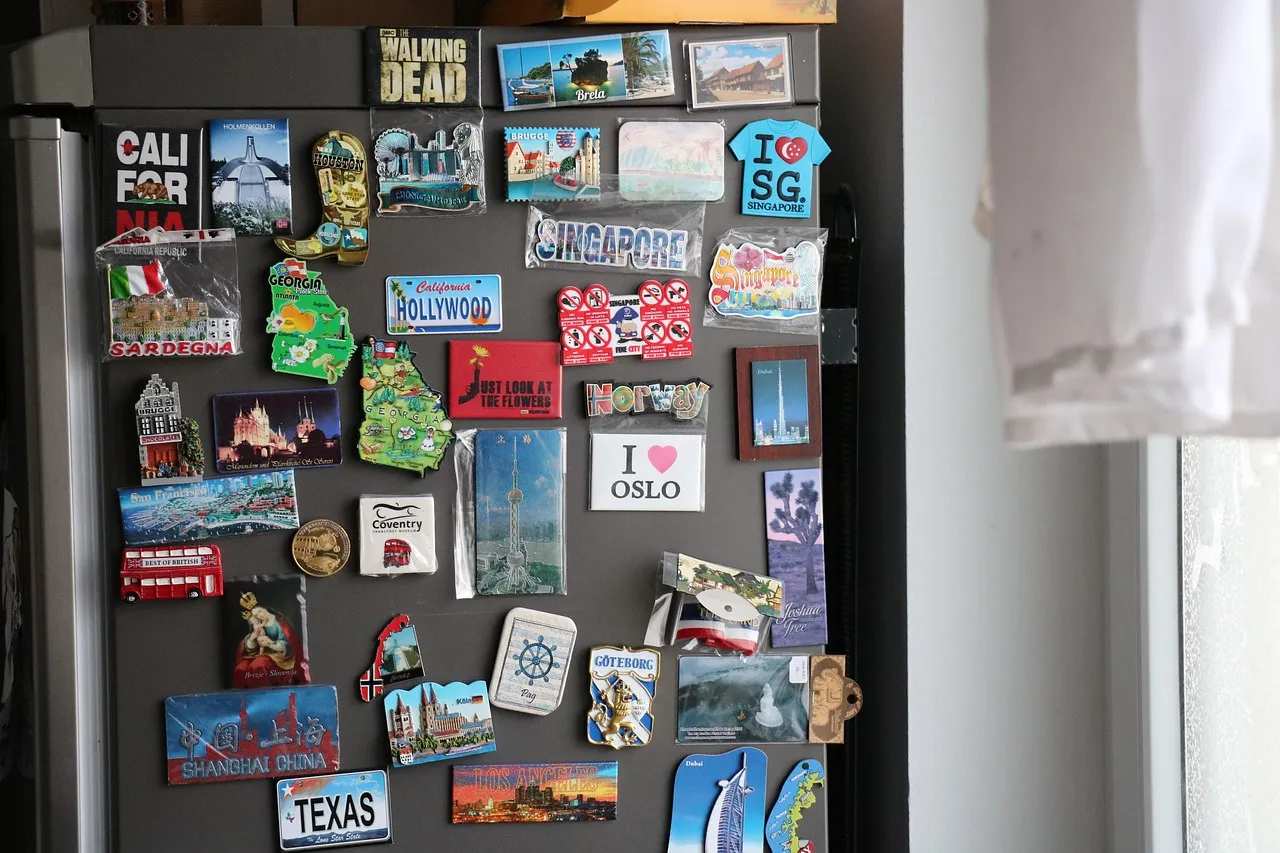
Here’s the part that catches most people off guard: those dial numbers, whether they run from 1 to 5 or 1 to 7, are not degrees at all. You might assume those digits represent temperature in degrees, but that assumption is almost certainly wrong, since the numbers indicate cooling power levels, the intensity at which your refrigerator’s compressor operates.
A setting of 1 doesn’t mean 1 degree of anything. A setting of 1 means the compressor is barely working, while a setting near the maximum pushes the unit to run at full capacity, and the resulting internal temperature depends on how often the door opens, how full the fridge is, and the ambient temperature of the room. That single misunderstanding is behind more spoiled groceries than almost any other kitchen habit.
What the FDA Actually Recommends
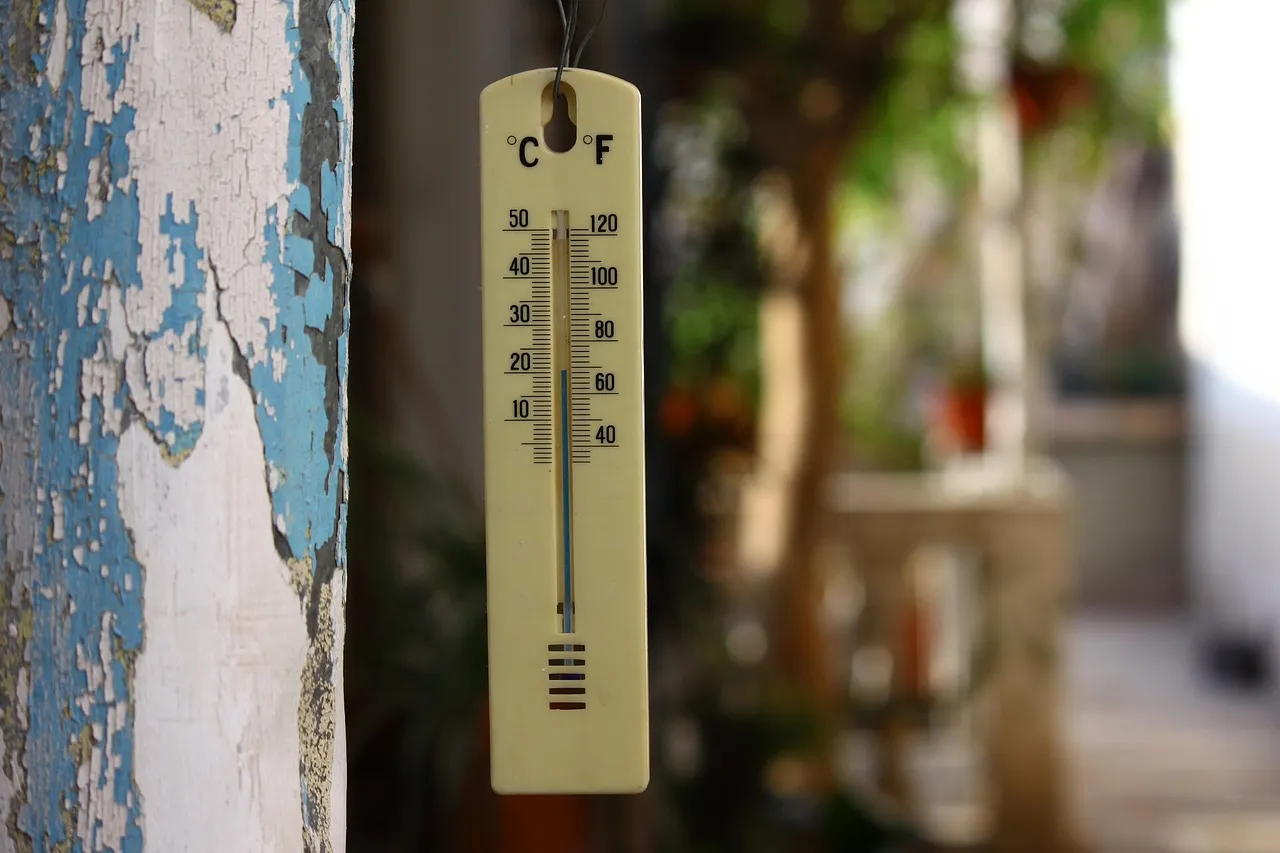
Federal guidance on this is not vague or hard to find, yet surprisingly few people have ever checked it. To ensure that your refrigerator is doing its job, it’s important to keep its temperature at 40°F or below; the freezer should be at 0°F. This isn’t an arbitrary number pulled from thin air. The 40 degrees Fahrenheit limit isn’t arbitrary, it’s the recommended temperature to slow down the growth of dangerous bacteria that are present on foods and can multiply significantly at higher temperatures.
Since most built in displays don’t show reliable numbers, using an inexpensive freestanding appliance thermometer will allow you to monitor the temperature and adjust the setting of the refrigerator and/or freezer if necessary.
Why Some Experts Push for Even Colder
The FDA’s 40°F ceiling is the outer limit, not necessarily the sweet spot. Consumer Reports recommends even lower temperatures for refrigerated foods than the FDA, at 37 degrees Fahrenheit. That extra buffer matters more than it sounds like it should. Every time you open your refrigerator door, the temperature rises by 2 to 5 degrees, and at 37°F this temporary spike stays below the danger zone, while at 40°F you’re already at the edge.
An appliance testing expert at Consumer Reports puts it simply, noting that bacteria growth in food accelerates at around 40°F, “so keeping your fridge temperature set to 37°F, and your freezer to 0°F, is a good idea.”
The Danger Zone Nobody Thinks About Enough
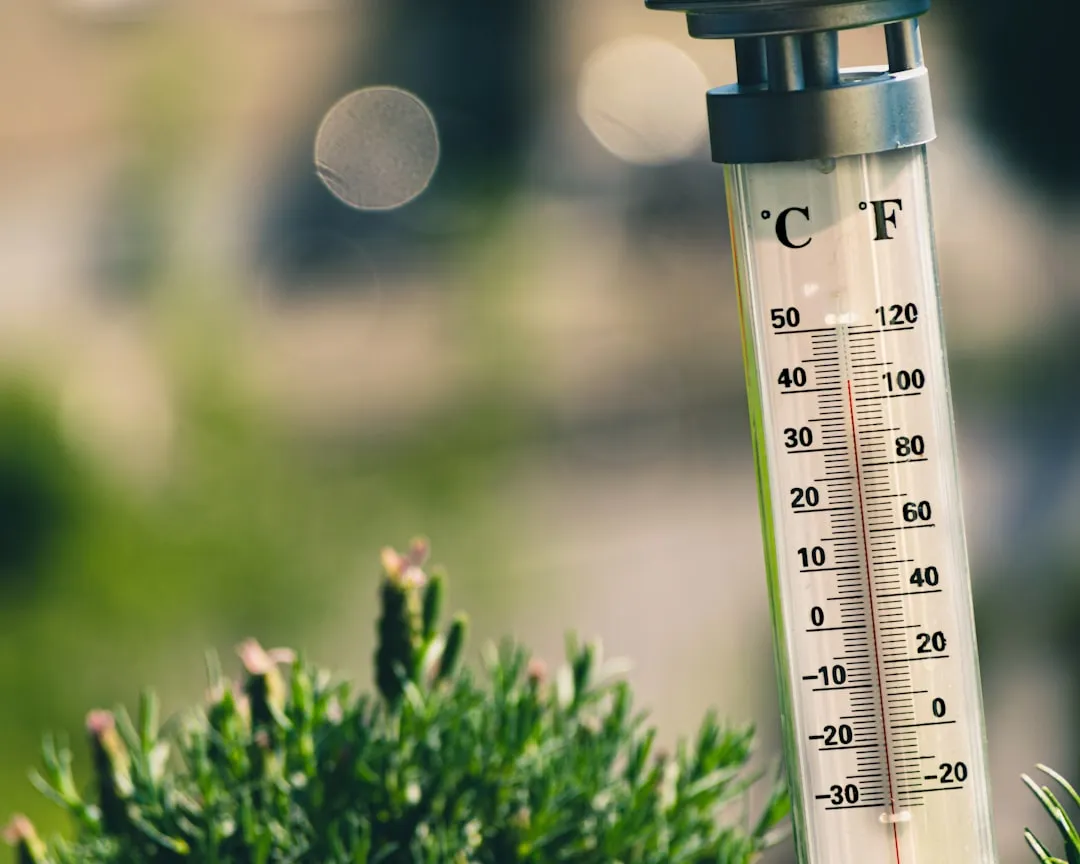
Food safety experts talk about a specific temperature range as though it were a hazard sign, and for good reason. Food safety experts refer to the temperature range of 40°F to 140°F as the danger zone, the range where most bacteria, including pathogens that cause foodborne illnesses, can grow rapidly. The speed at which this happens is genuinely startling.
At room temperature, the numbers of bacteria that cause foodborne sickness can double every 20 minutes. This isn’t a theoretical risk affecting a handful of unlucky households either. As of March 2024 estimates, about 48 million cases of foodborne illness happen every year in the U.S., caused by various bacteria.
How the Confusion Actually Plays Out at Home
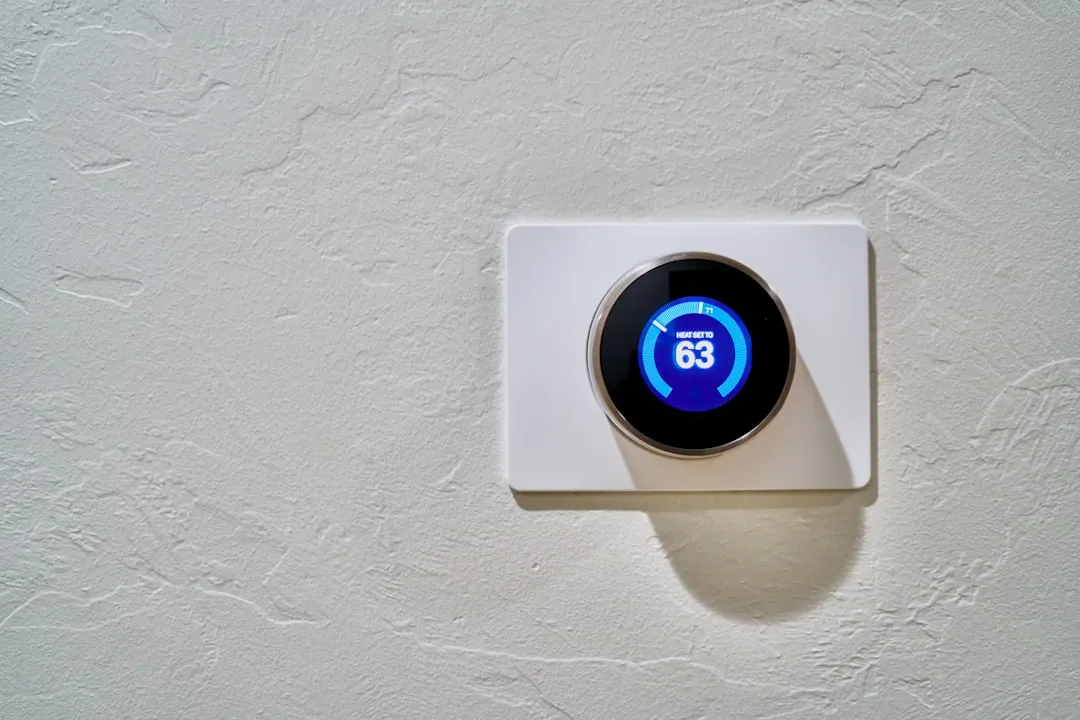
People trying to keep their fridge safe often end up doing the opposite of what they intend, in both directions. Some people, thinking a low number means a cold setting, unknowingly leave their fridge running too warm, while others go in the opposite direction and crank the dial to the highest number believing more power equals better preservation, and both approaches are wrong.
One appliance technician described visiting a friend whose milk kept spoiling within two days. She had her fridge set to 1, thinking it meant Level 1 Cold, but in reality her fridge was barely running and the internal temperature was closer to a warm spring day than a food safe chiller. That single mix-up, repeated across countless kitchens, quietly wastes a lot of groceries every week.
Cranking It Too Cold Isn’t the Safe Fallback Either
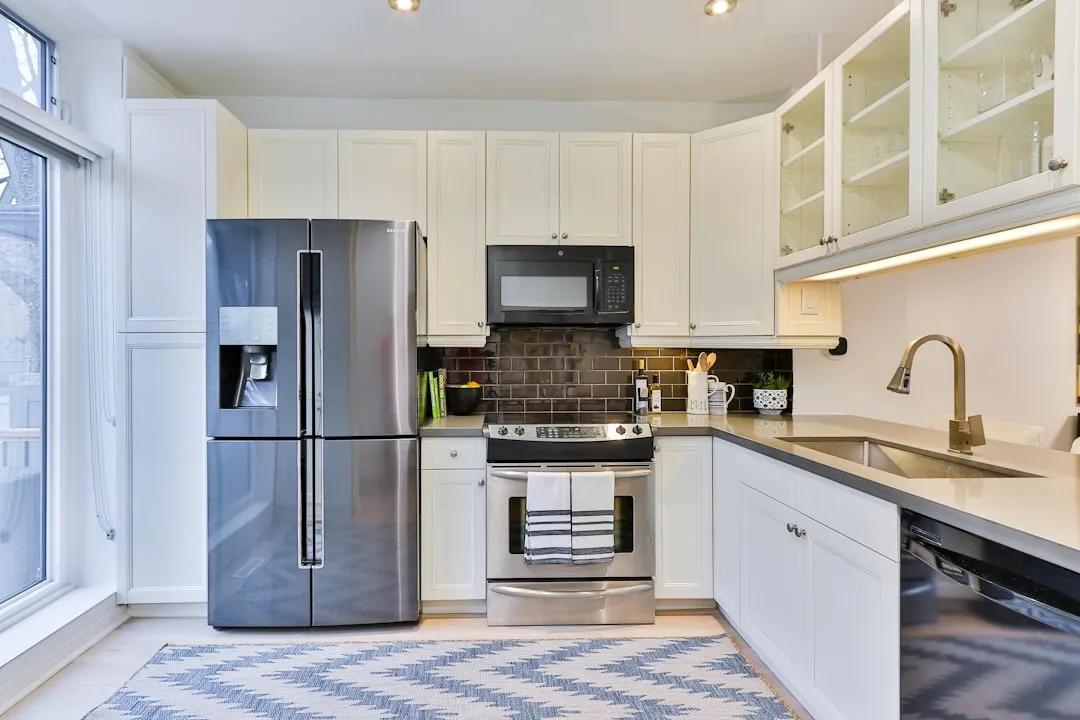
Overcorrecting feels like the responsible move, but it carries its own costs. Running the compressor at maximum power constantly wastes significant energy and shortens the lifespan of the appliance. It doesn’t even guarantee better food safety in return. Running the compressor at maximum power all the time doesn’t guarantee better preservation, it just wastes energy and creates extra wear on components.
There’s a practical cost too, since testing has shown setting your fridge to 33 to 34°F might seem safer, but it freezes lettuce and costs an extra 5 dollars monthly in electricity.
Why the Built-In Display Can’t Always Be Trusted
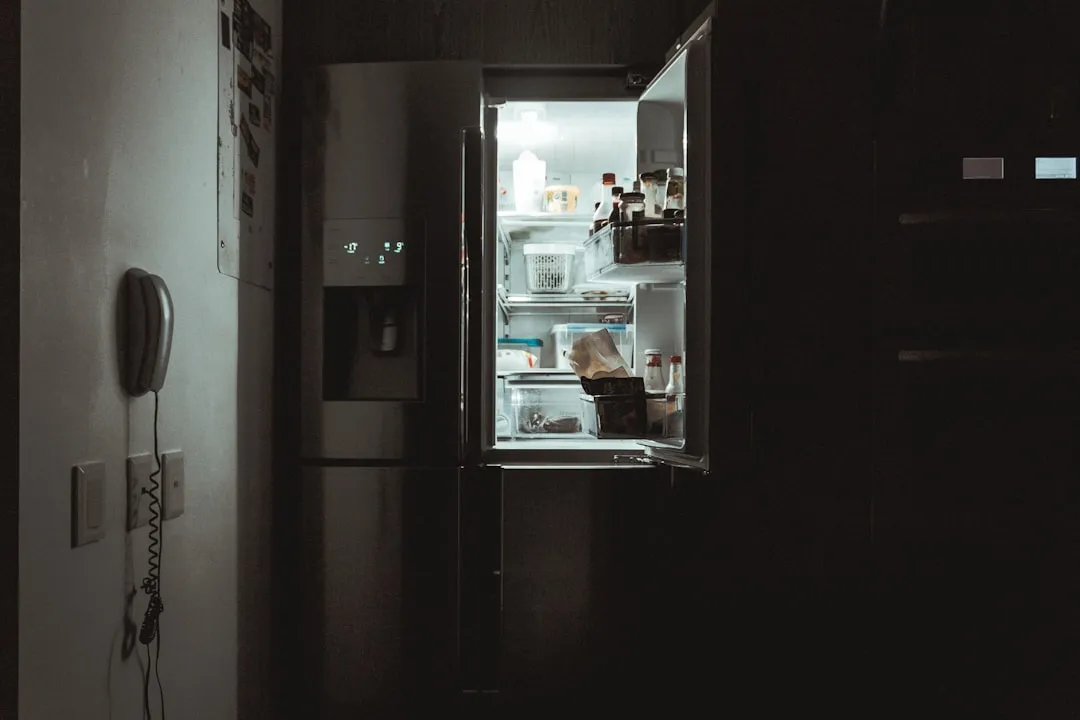
Even fridges with digital screens showing a specific number can be misleading. Consumer Reports has flagged this directly, warning that some fridges may not always offer accurate temperature controls, with some featuring dials with numbers from 1 to 5 instead of temperature values, while others have digital controls where a more basic unit might be better than an expensive smart fridge.
The only way to know for certain what’s happening inside is to measure it directly rather than trust the readout. CR recommends that users place a refrigerator thermometer in their fridges to ensure correct temperature settings, and the FDA and FoodSafety.gov also advise users to rely on an appliance thermometer to check temperature readings. It’s a five dollar fix for a problem that costs a lot more when ignored.
Fixing It Without Guessing
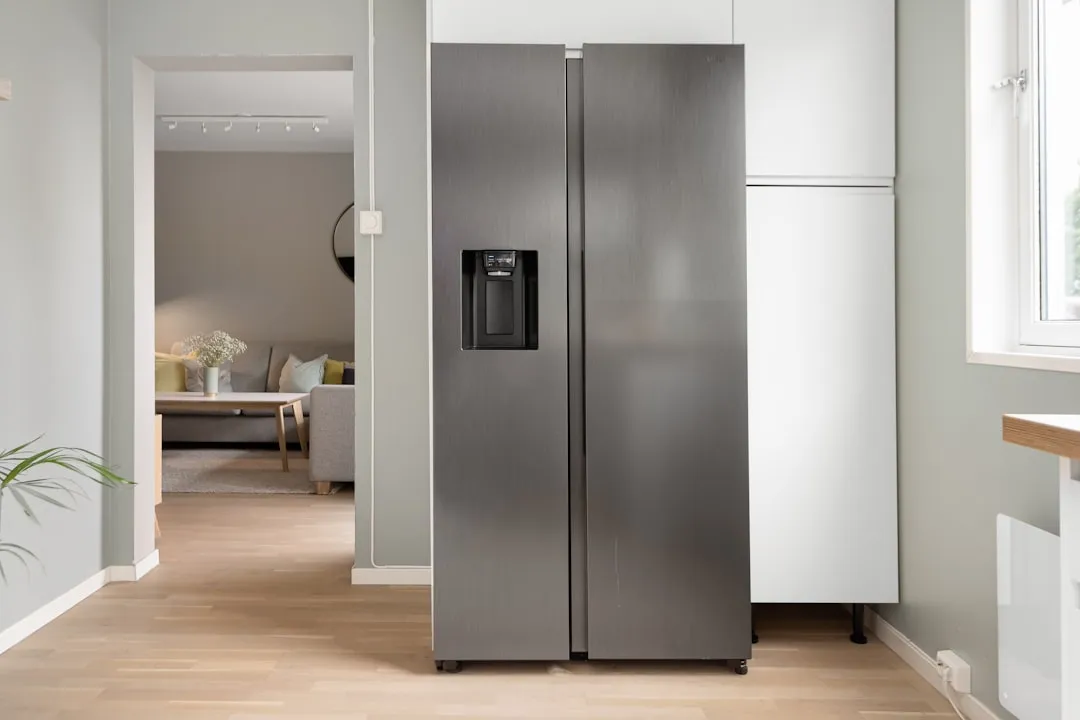
Once a thermometer confirms there’s an issue, the fix is usually gradual rather than dramatic. If you find that the interior is warmer than your refrigerator’s readout, turn the fridge temperature down a few degrees and wait 24 hours to see whether the internal temperature drops, and if it moves down only slightly, keep making incremental decreases until you hit the desired 37°F mark.
If adjusting the dial doesn’t do anything at all, the problem might not be the setting itself. Try cleaning around the appliance’s compressor and any coils to remove dust and dirt, which prevent efficient cooling, and check your owner’s manual for the coil location and vacuum them with a soft-bristle brush. A dirty coil can undo even a perfectly chosen setting.
Where You Put Food Changes the Math Too
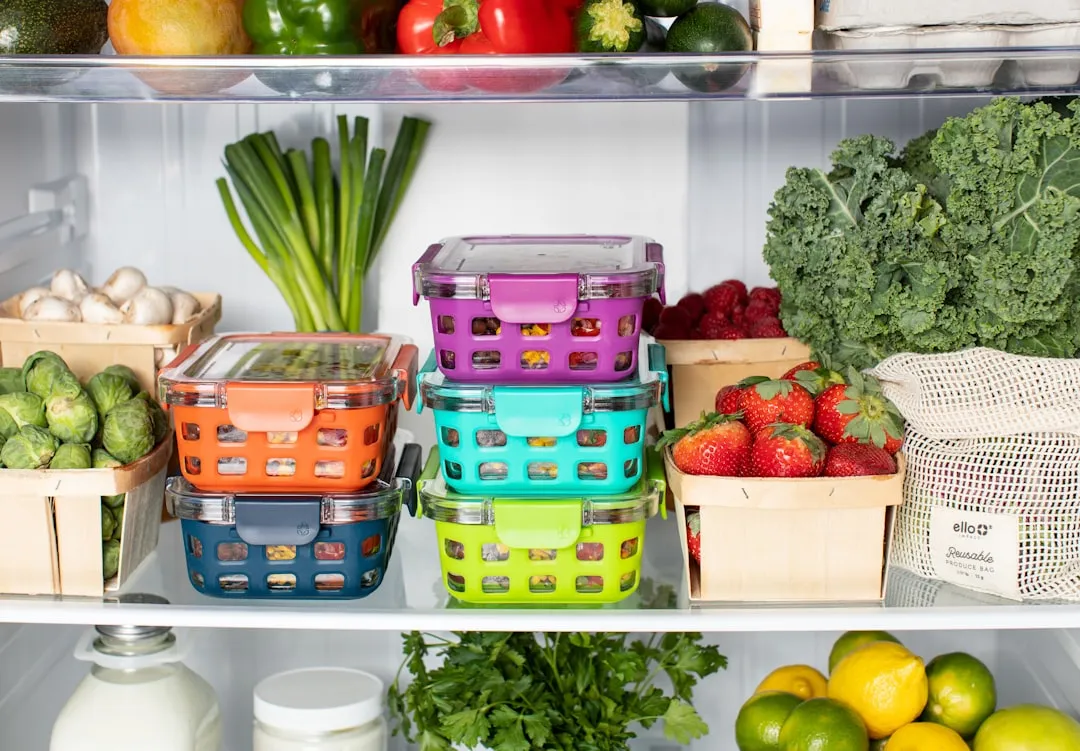
The dial only tells part of the story, because temperature isn’t uniform throughout the fridge. Door storage runs warmest at 42 to 45°F, making it fine for condiments and drinks you use frequently, while upper shelves hover around 37 to 40°F and work well for leftovers and ready-to-eat items. That means the coldest, most reliable spot deserves the most perishable items.
For raw meats and fish you plan on cooking soon, as well as perishables like milk, keep them on the bottom shelf, since this is where you’ll find the coldest space in the refrigerator. Placement and setting work together, not separately.
A Habit Worth Building Into Routine Kitchen Life
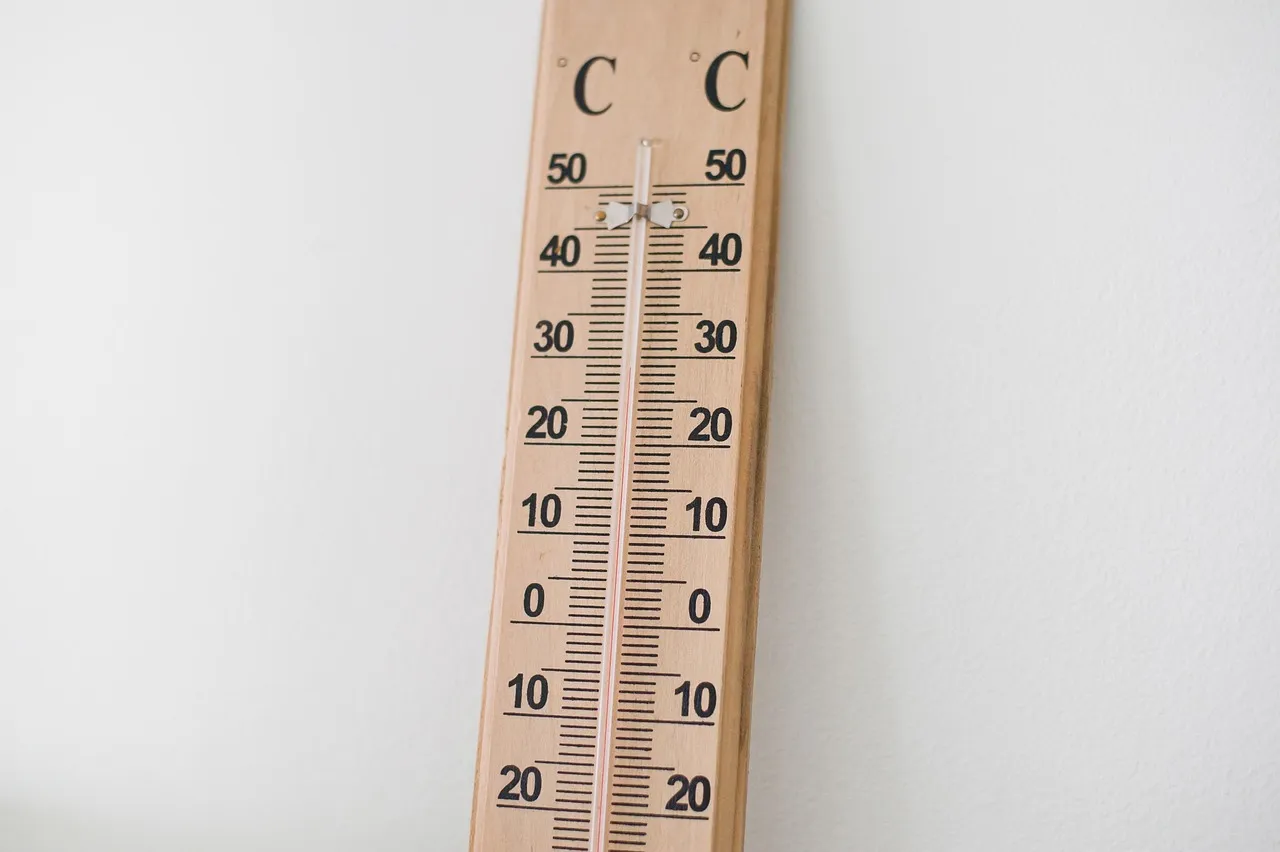
None of this requires a new fridge or an expensive smart upgrade, just a little consistency. Checking the thermometer occasionally, avoiding overpacking, and keeping seals clean all matter as much as the dial itself. In addition to keeping the temperature in your fridge at 40°F, avoiding overpacking matters because cold air must circulate around refrigerated foods to keep them properly chilled. A door seal left slightly loose, or a shelf too packed to let air move, can undo an otherwise correct setting without anyone noticing until the milk turns.
The dial on your refrigerator was never really designed to communicate degrees, and that quiet mismatch between what people assume and what the machine is actually doing has been costing households in spoiled food and wasted electricity for years. Buying a cheap thermometer and glancing at it every few months takes almost no effort, yet it closes the gap between guessing and knowing. It’s one of those small domestic details that rarely gets attention until something in the crisper drawer forces the question.AI Disclaimer: This article was created with the assistance of AI tools and reviewed by a human editor.