

The Motion Itself Has a Name and a Pattern
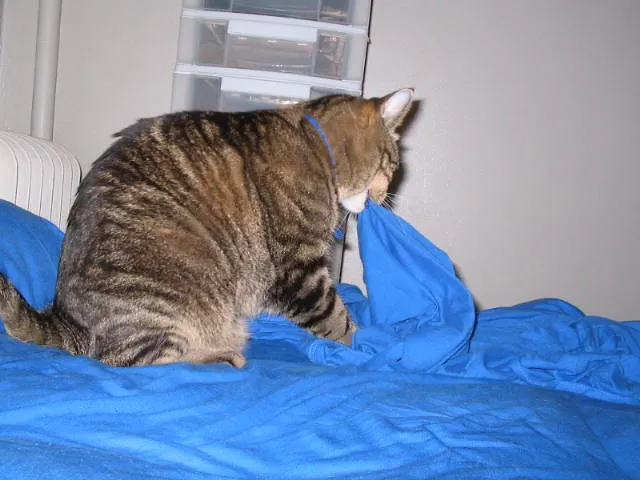
Cat kneading is a specific, repeatable action where a cat alternates pushing its front paws into a soft surface, claws often extending slightly with each push. Kneading is a repetitive motion where a cat alternately presses each front paw into a soft surface in a slow, rhythmic pattern, with each paw pushing down at intervals of roughly one to two seconds, claws extending on the push and retracting on the lift.
It’s commonly nicknamed making biscuits, since the motion resembles someone working dough by hand. Interestingly, cats generally only knead soft or pliable surfaces like blankets, cushions, and laps, and many will substitute a subtle stomping motion if placed on a hard floor instead.
It Starts in the First Days of Life
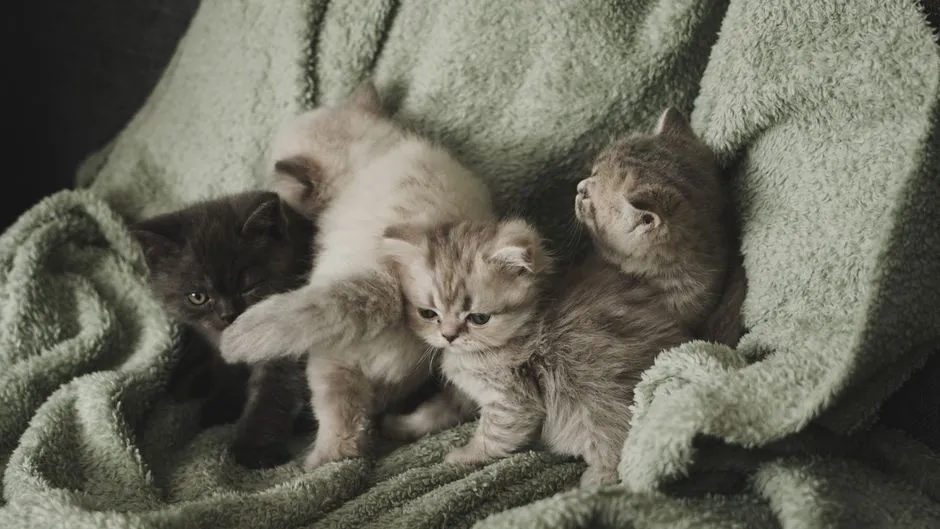
The behavior isn’t something cats pick up as adults, it’s there almost from birth. Kneading begins in the earliest days of a cat’s life, with newborn kittens relying on this action to stimulate milk flow from their mother during nursing by pressing their front paws against her mammary glands.
According to the American Animal Hospital Association, kneading is a natural behavior that stems from a kitten’s need for nourishment and security, helping them bond with their mother and littermates while ensuring they receive the sustenance needed for growth. This early wiring turns out to be the foundation for nearly everything cats do with their paws later in life.
Adult Cats Are Reliving a Kittenhood Feeling
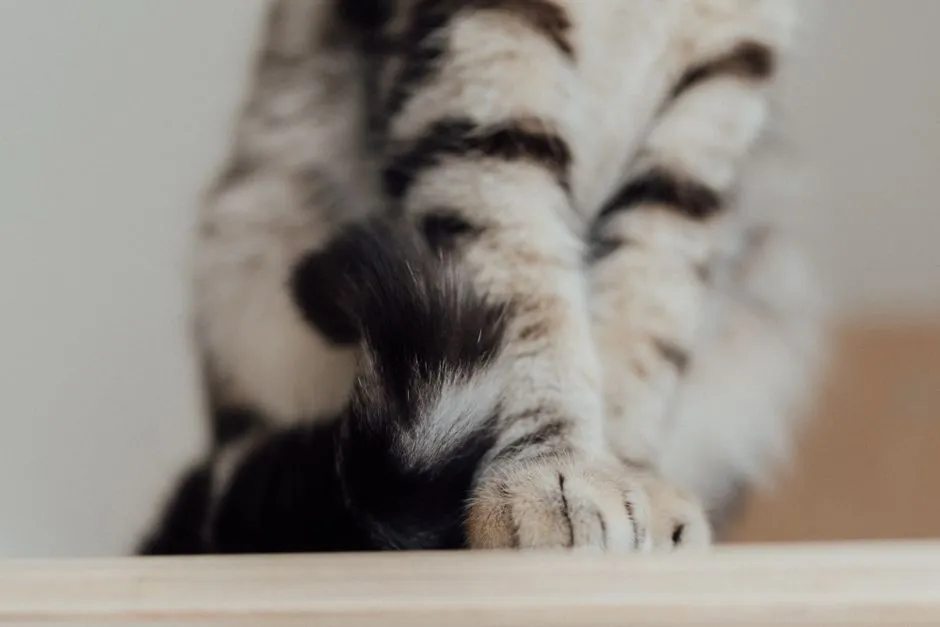
Once weaning ends, the practical need for kneading disappears, yet the habit usually sticks around. This ingrained behavior persists into adulthood because it is both physically soothing and emotionally reassuring, since the neural pathways formed during kittenhood remain active and cause cats to revert to this comforting gesture when they feel relaxed or content.
Some cats take it a step further, and it’s not uncommon for cats to purr, drool, or half-close their eyes while kneading, a clear sign they are mentally transported back to the safety of infancy. It’s less a leftover habit than a genuine emotional shortcut back to a feeling of safety.
Blankets Stand in for Grass and Leaves
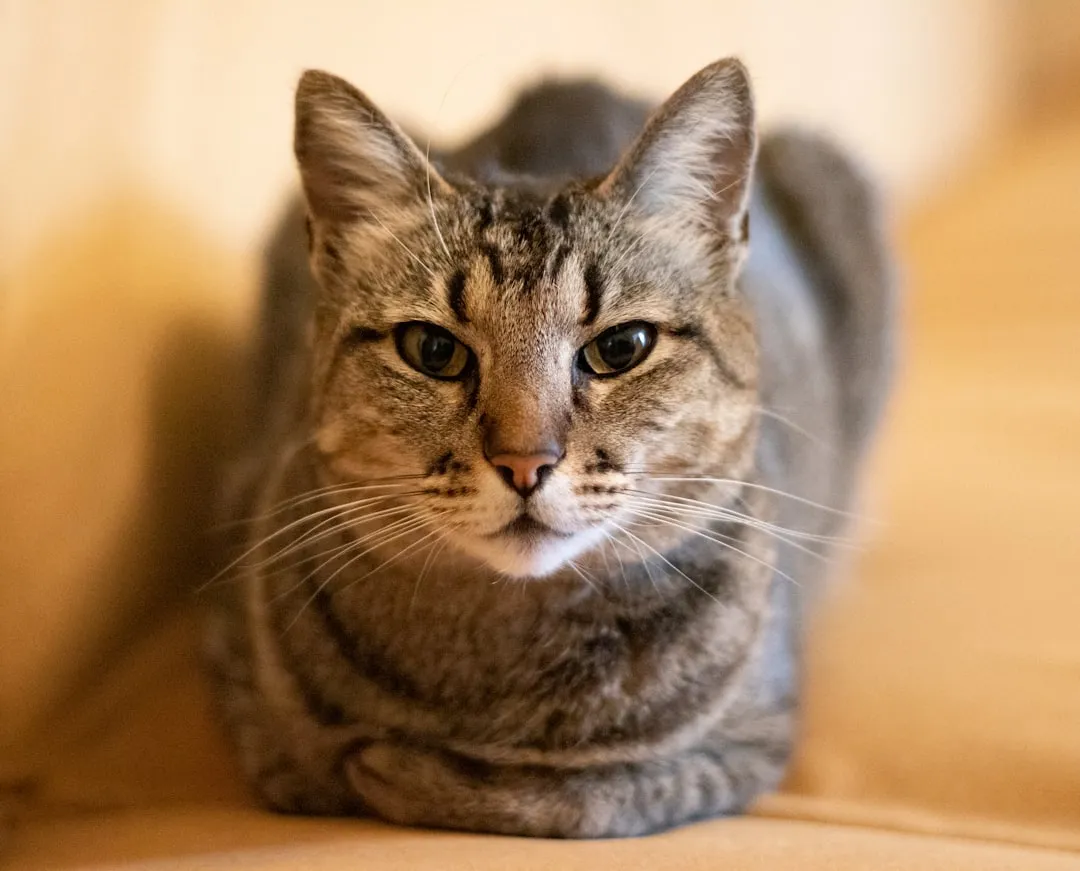
Before there were couches and duvets, there was undergrowth, and cats’ wild relatives had to deal with it somehow. For the same reason dogs turn in circles before lying down, cats likely knead to create a comfortable sleeping spot, an instinctual behavior that could have carried over from wild felines making tall grass into soft piles to rest on.
Veterinary behavior sources note that wild feline species will sometimes knead soft grasses and other bedding materials in their natural habitats as they prepare for rest. A modern blanket, in that sense, is just a much softer, more convenient patch of grass.
Paws Carry Their Own Scent Signature
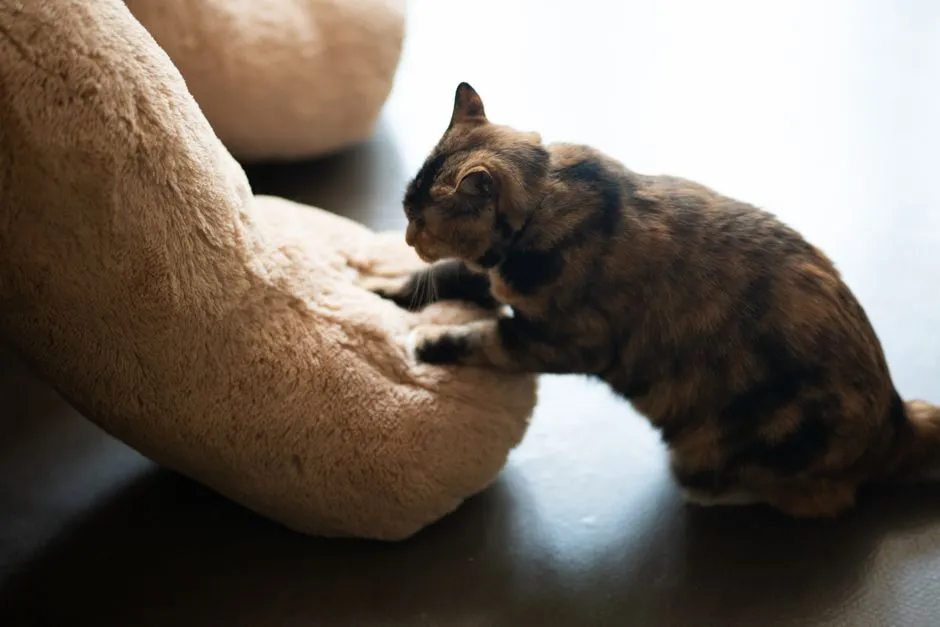
Cats communicate heavily through smell, and their feet are part of that system. Marking territory matters because cats rely on scent to communicate, leaving scent markers from glands on their paws when they claim territory, putting their scent on a specific area by scratching and kneading.
Vets describe the same idea in plainer terms, noting that cats have scent glands located in the smooth pads of their paws, and by kneading they release pheromones onto the surface they’re pressing against, functioning as an aroma marker that lets other cats know the area is claimed while helping create familiarity and security for the kneading cat itself. So a well-kneaded blanket isn’t just soft, it’s been quietly claimed.
The Behavior Doubles as a Bonding Signal
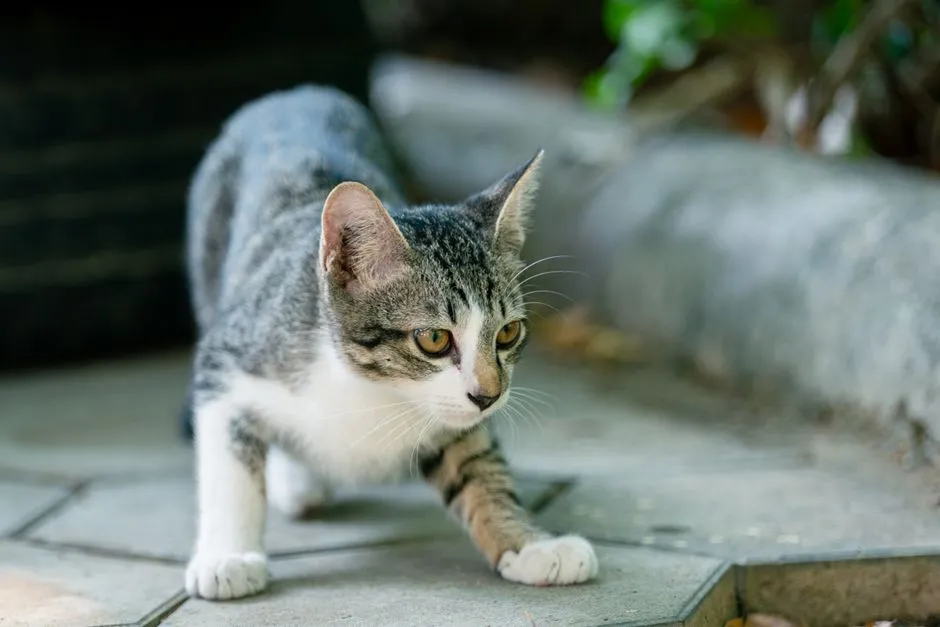
Kneading directed at a person rather than a blanket tends to carry a slightly different meaning. Veterinary sources describe it as often a sign of trust and bonding, essentially a cat’s way of saying you’re part of their safe space.
It builds on the same root cause, since kittens knead their mothers’ bellies to stimulate milk flow, and for adult cats the behavior becomes associated with comfort and security, functioning almost as a sign that the cat sees its owner as a parental figure. That’s part of why kneading right before settling in for a nap on a lap feels so pointedly affectionate.
There’s a Physical Warm Up Element Too
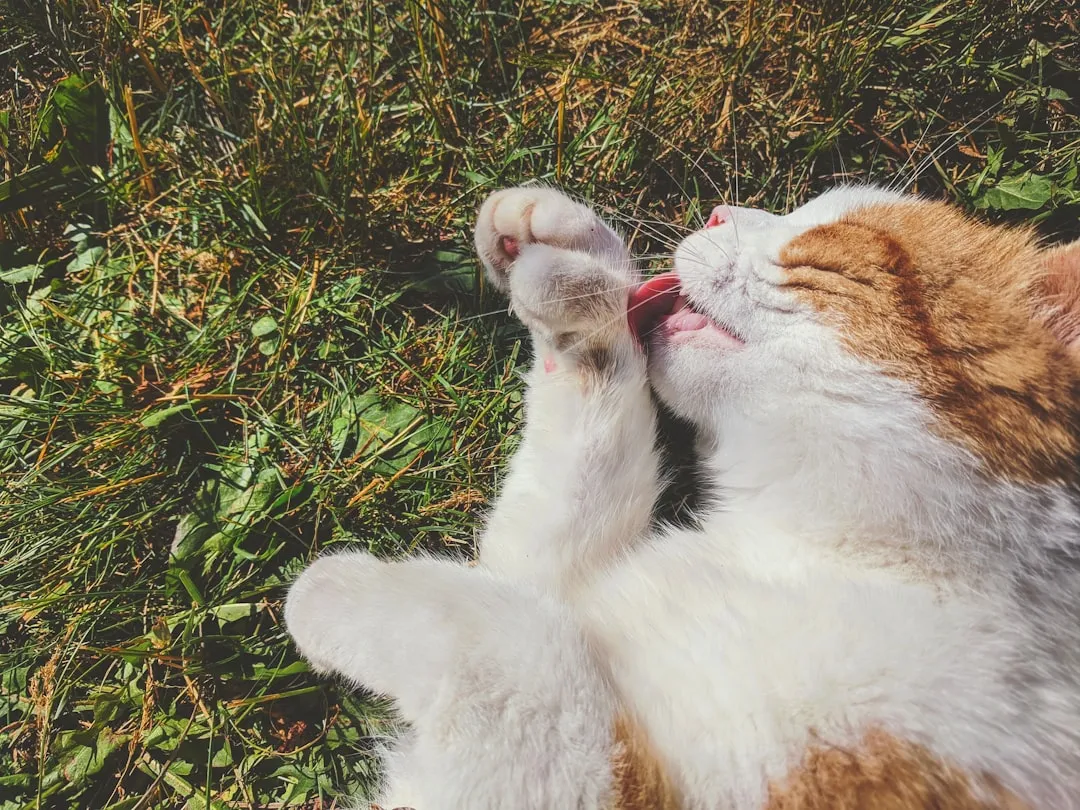
Comfort and scent aren’t the whole story, muscles play a role as well. One veterinary source explains that since cats are big on naps and spend most of their day sleeping, kneading their paws is one way to stretch out excess tension from naps and get their body ready for the next rest. The motion itself is low-impact but purposeful, engaging small muscle groups that stiffen up during long stretches of stillness. It’s a bit like a quick stretch before bed, except it happens on four legs instead of two.
A Reward Chemical May Be Involved
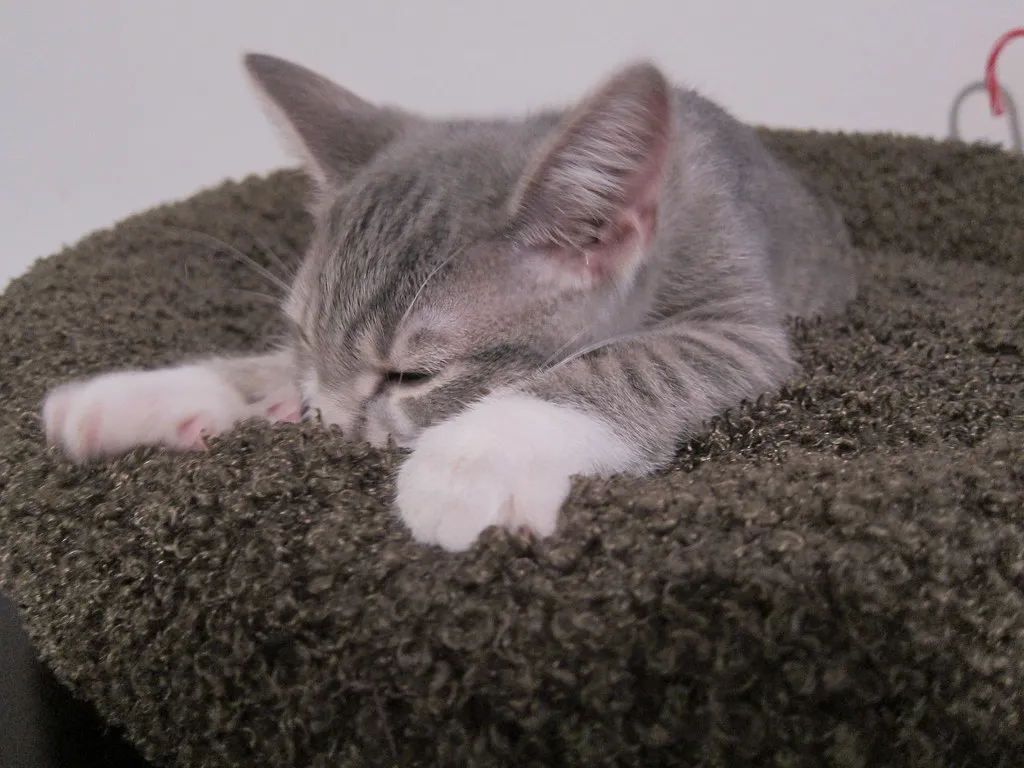
There’s a neurochemical layer underneath the behavioral explanations that helps explain why cats seem to genuinely enjoy kneading rather than just going through the motions. One veterinary behavior resource notes that kneading in cats triggers the release of dopamine, a neurotransmitter associated with pleasure and reward, and the behavior, often beginning in kittenhood, is instinctive and tied to the comfort of nursing.
That reward mechanism likely explains why kneading tends to show up specifically at moments of relaxation, right before sleep, during petting, or when a cat feels unusually secure. It’s not just habit, there’s a built-in incentive to keep doing it.
Not Every Cat Kneads the Same Amount
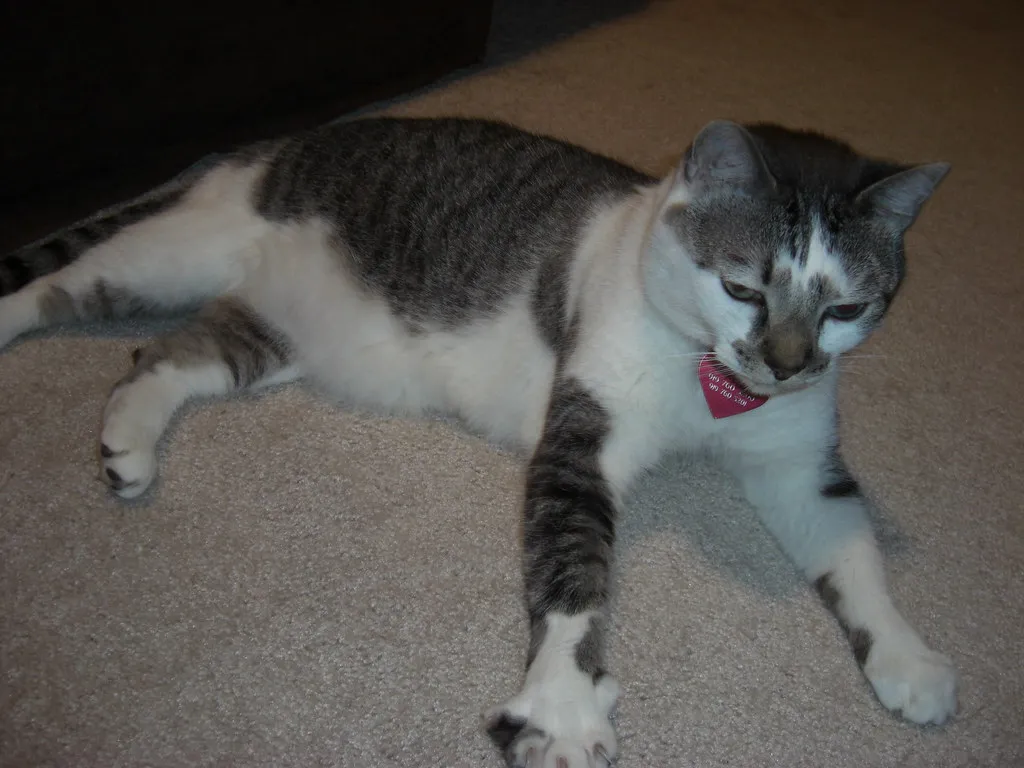
Despite how common the behavior is, it isn’t universal or identical across all cats. Not all cats knead, but it is a common behavior in young and adult cats, sometimes called making biscuits because it resembles a baker kneading dough. Some cats knead vigorously with claws out, others do a gentler version, and some barely do it at all, likely reflecting differences in individual temperament, early life experience, and how much time they spent nursing as kittens. Frequency and intensity also tend to shift with mood, since the better a cat feels, the harder he or she is likely to knead.
When It’s Worth Paying Closer Attention
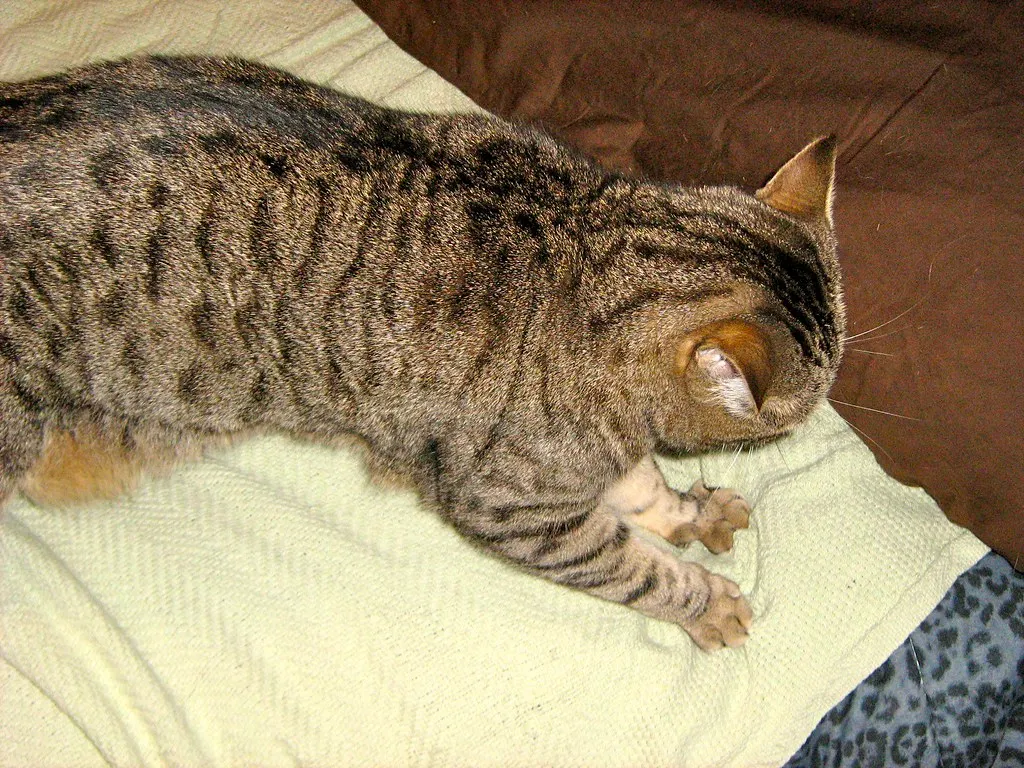
For the vast majority of cats, kneading is harmless, even charming once you get used to the claws. Still, it’s worth noting when the pattern changes, since one behavior resource points out that if kneading starts being paired with stiffness, reluctance to jump, or sensitivity around the joints, that warrants a vet check.
Otherwise, there’s no need to discourage the habit, and owners who find the claws uncomfortable can simply redirect the behavior onto a thick blanket or towel rather than bare skin. It’s a small accommodation for a behavior that, at its core, is a cat quietly telling you it feels safe.
A Habit Worth Appreciating
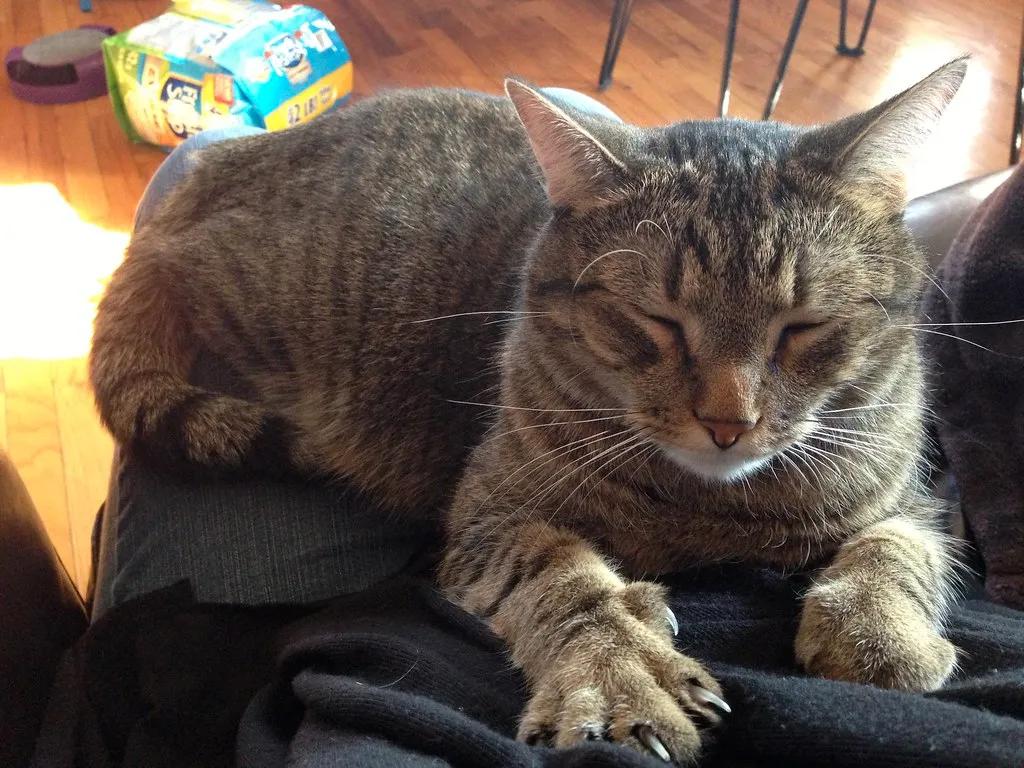
Kneading is one of those small, everyday behaviors that turns out to have real depth once you look into it, tracing back to nursing kittens, scent communication, muscle mechanics, and a reward system that hasn’t changed much since domestication began.
It’s not a quirky accident of feline biology, it’s a layered habit that serves several purposes at once, even if the cat doing it has no idea why. Next time a cat works its paws into a blanket before settling down, it’s worth remembering that the gesture carries a little bit of kittenhood, a little bit of instinct, and a little bit of trust, all folded into a few seconds of quiet repetition.
AI Disclaimer: This article was created with the assistance of AI tools and reviewed by a human editor.