


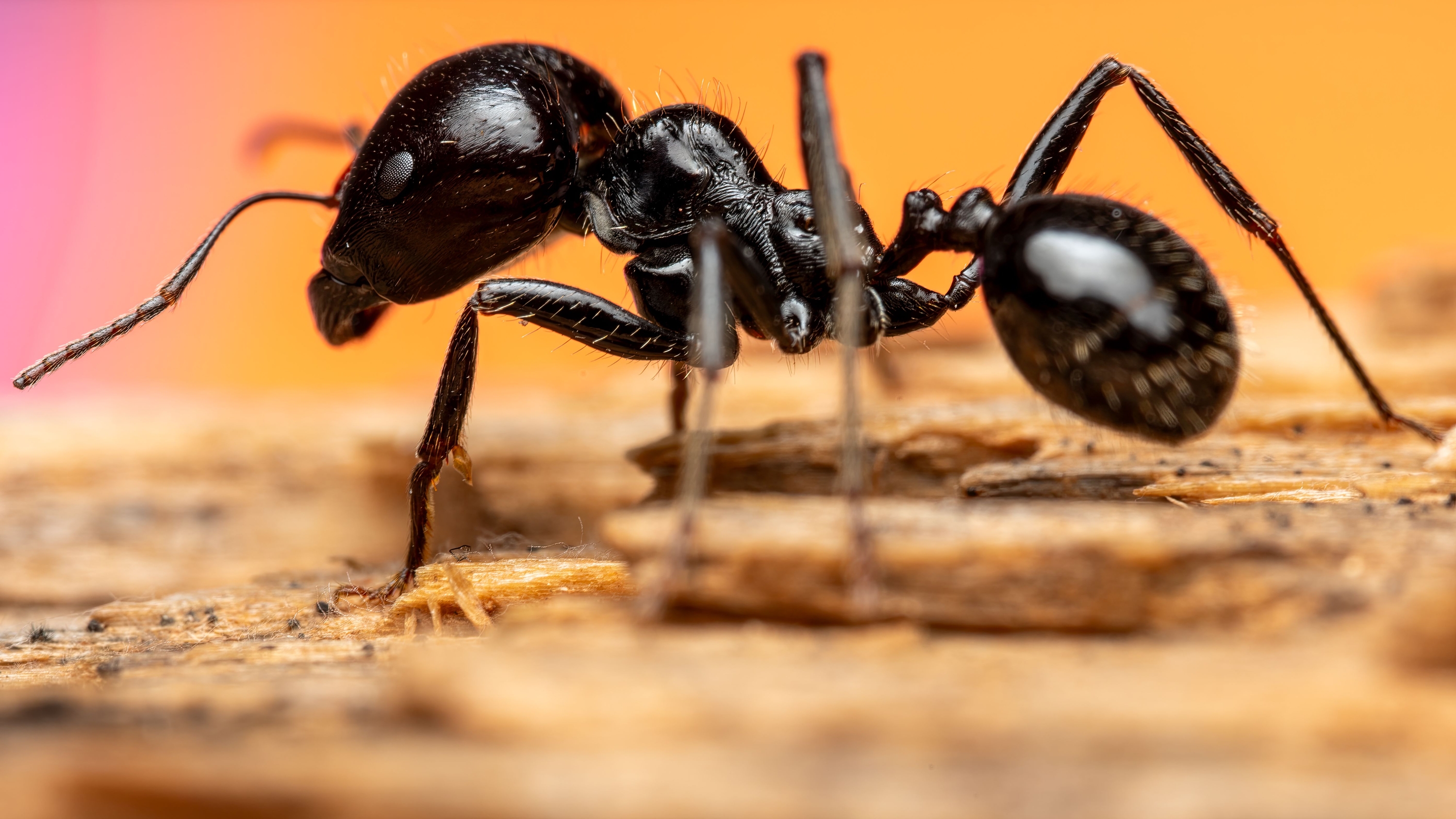
What Is the Zombie-Ant Fungus?
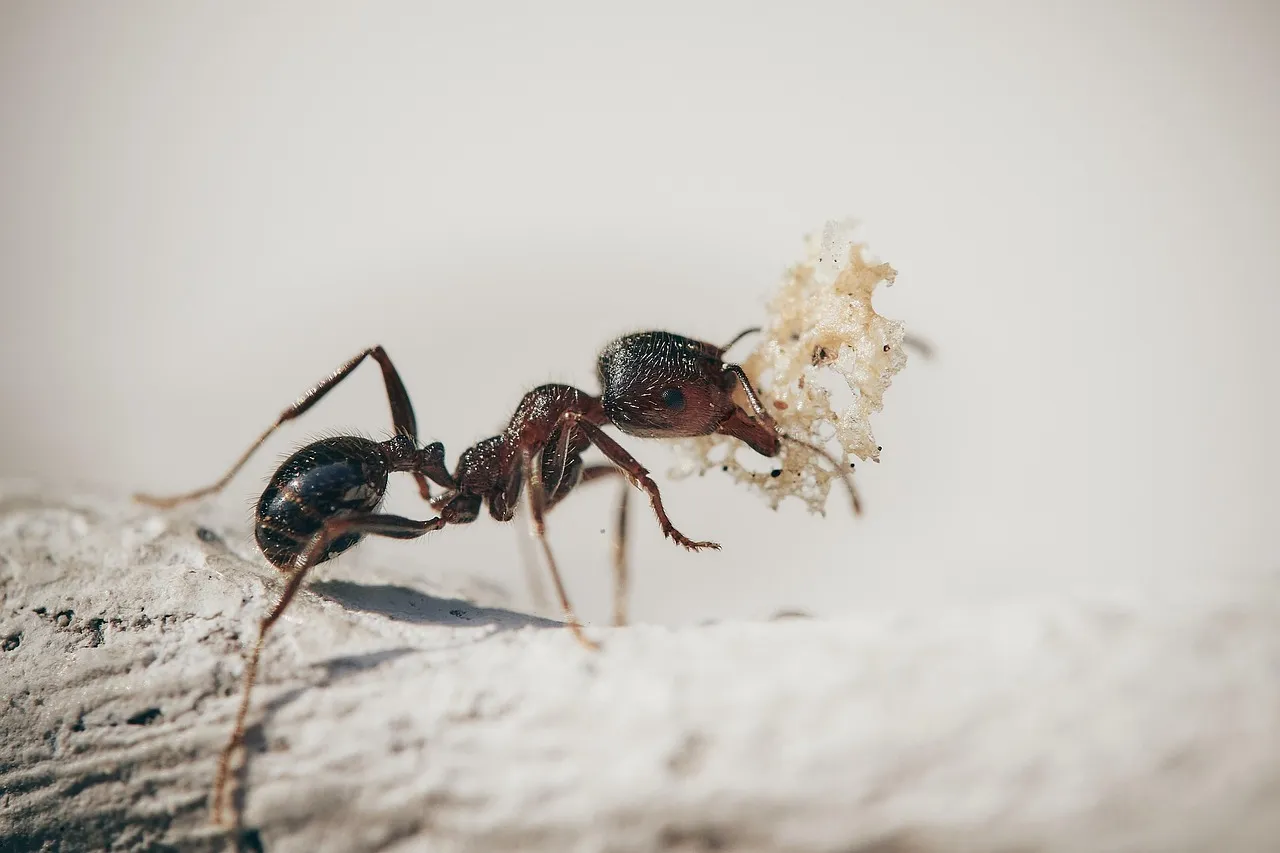
Ophiocordyceps is a genus of parasitic fungi, best known for infecting ants, especially carpenter ants. Unlike most fungal infections we’re acquainted with, it grows inside the insects it infects, rather than on the surface of their bodies. This internal colonization is what sets it apart from the vast majority of fungal pathogens known to science.
The fungus infiltrates the ant’s body, spreads through its tissues and, most disturbingly, eventually goes on to manipulate its behavior. Some species complexes of the fungus, with Ophiocordyceps unilateralis being the most well-known, are often referred to as the “zombie-ant fungus.” That nickname, honestly, barely scratches the surface.
In all, researchers have identified over 200 species of Ophiocordyceps that can infect hosts from 10 insect orders, as well as spiders, although not all lead to behavioral manipulation. The diversity of this genus is still being mapped, and new species continue to surface regularly.
How Infection Begins
When a hapless ant makes contact with an Ophiocordyceps spore, the spore attaches itself to the ant and begins to drill into the ant’s exoskeleton with a combination of enzymes and pressure. The process is slow and calculated, not dramatic.
For this purpose, the fungus’s hypha pierces the exoskeleton using enzymes such as chitinase, lipase and protease, combined with mechanical pressure. Once inside, the fungus spreads through internal tissues, growing between cells and establishing itself throughout the body before behavioral changes even begin.
Researchers think the fungus, found in tropical forests, begins its life cycle by infecting a foraging ant through fungal spores that attach and penetrate the exoskeleton. As the infection advances, the fungus compels the ant to leave its nest for a more humid microclimate that’s favorable to the fungus’s growth. That shift in behavior is the first visible sign that something has gone terribly wrong for the ant.
The Death Grip: Nature’s Most Precise Behavior
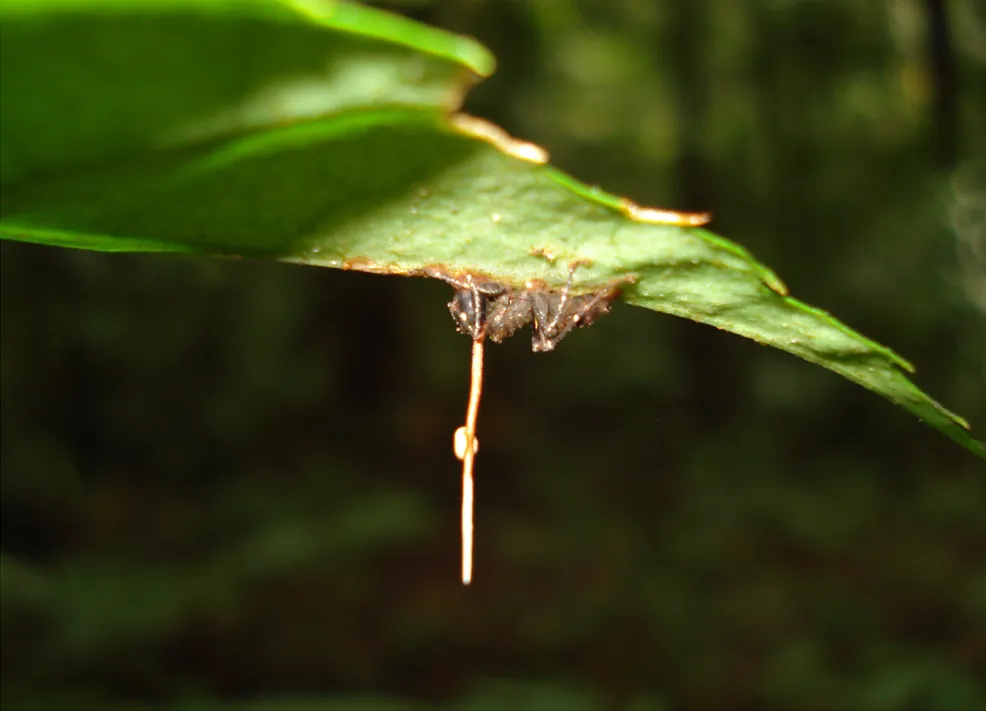
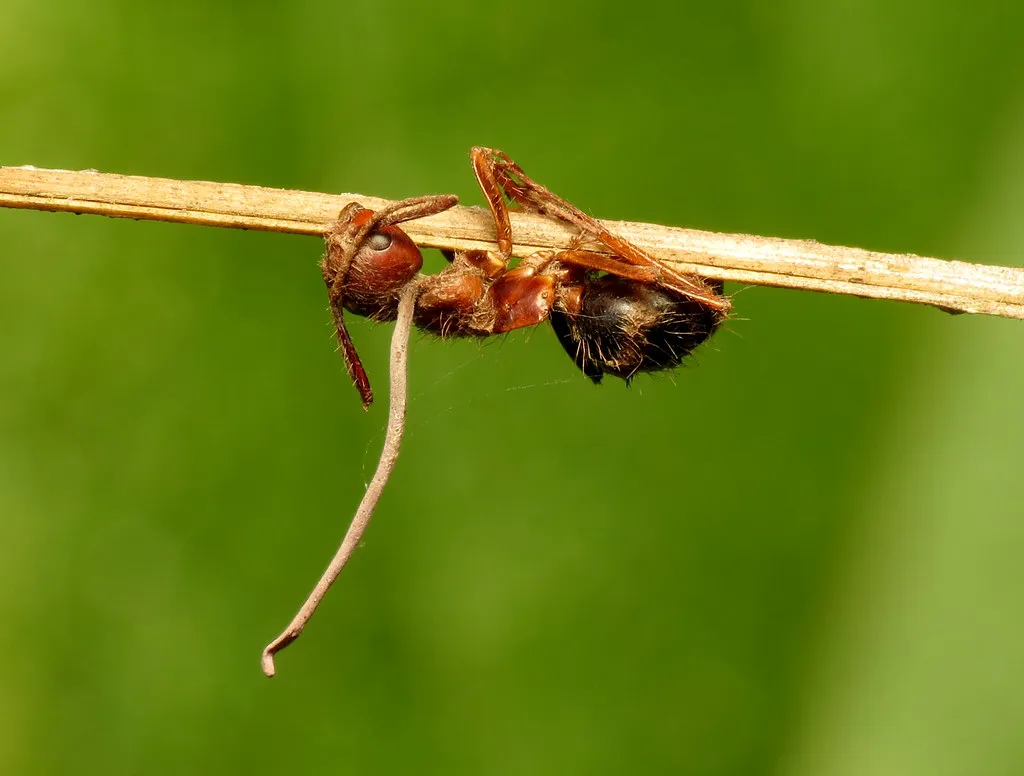
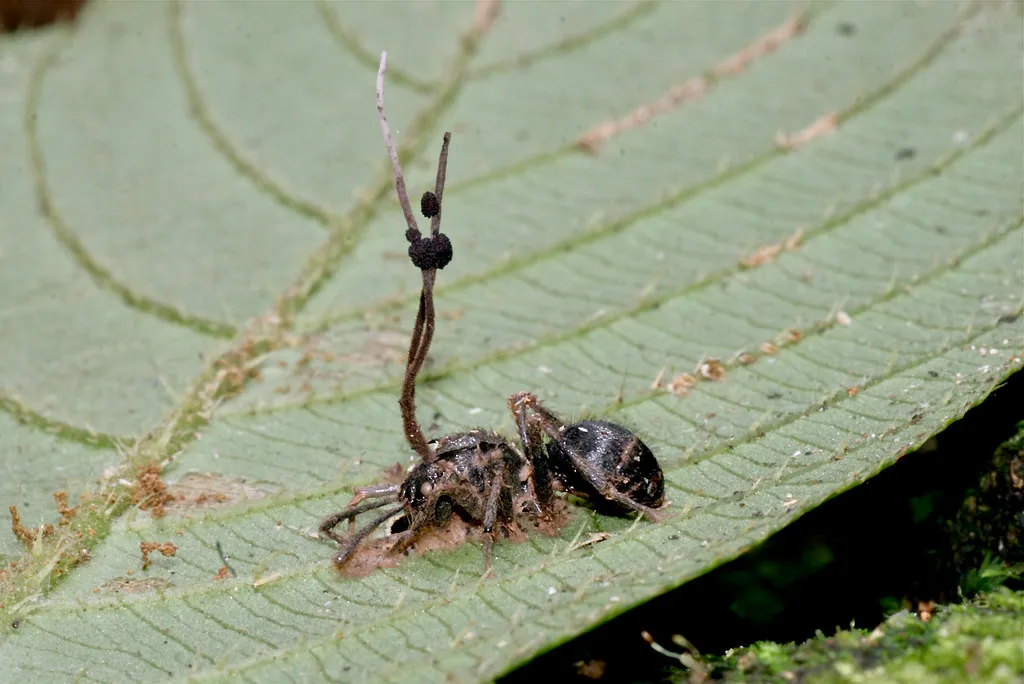
The signature behavior induced by Ophiocordyceps infection is what scientists call summit disease. An infected ant abandons its colony, climbs a nearby plant stem to a very specific height, typically around 25 centimeters above the forest floor, where humidity and temperature conditions are optimal for fungal sporulation, bites down on a leaf vein with extraordinary force, and dies.
A 2023 behavioral analysis published in Scientific Reports showed that the heights and orientations chosen by infected ants are remarkably consistent, so consistent that scientists suspect the fungus manipulates not only the ant’s muscles, but also its internal “GPS.” The word “consistent” here is worth pausing on. This is not approximate consistency. It is precise, repeatable, measurable.
Position of the death grip was highly stereotyped, with 99 percent of ants attached to the adaxial (lower) side of twigs. That kind of behavioral uniformity across an entire infected population is extraordinary, and it tells researchers that the fungus is running a tightly scripted program inside its host.
The Fungus Doesn’t Actually Invade the Brain
Perhaps in the biggest deviation from the zombie playbook, the genus Ophiocordyceps unilateralis doesn’t seem to invade the brain. Using a type of fluorescent microscopy, researchers from Pennsylvania State University watched fungal colonization in ants from the gaster, the rear end of the abdomen, to the head, and found no trace of fungal cells in the brain.
Instead, Ophiocordyceps unilateralis sensu lato surrounds and invades muscle fibers throughout the ant’s body, and fungal cells form a 3-D network that may enable them to collectively control host behavior. Think of it less as brain hacking and more as a full-body puppet system.
Rather than directly invading the brain, the fungus employs a more sophisticated strategy. It positions itself strategically throughout the ant’s body and releases specific bioactive compounds that alter neural function from the outside. This suggests the fungus casts its mind control through bioactive compounds that interfere with the ant’s nervous system and controls hosts directly at the muscle fibers.
The Chemical Arsenal Behind the Control
To investigate if host-specific manipulation could be explained at the molecular level, researchers used ex vivo culturing assays to measure the metabolites secreted by the fungus to mediate fungus-ant tissue interactions. They showed the fungus reacts heterogeneously to brains of different ant species by secreting a different array of metabolites.
Parasite-adaptive manipulation of behavior is a widespread natural phenomenon. Through a combination of computational modeling, colocalization imaging, and behavioral experiments, researchers strengthened findings by showing that exposure to a novel peptide causes olfactory sensing-related behavioral changes in Camponotus floridanus ants. This was published in September 2025 and represents a significant step forward in understanding the molecular mechanics of control.
Researchers successfully characterized the first confirmed Ophiocordyceps behavioral effector. Identifying a specific molecule that drives behavioral change is the kind of breakthrough that opens entirely new lines of investigation.
The Fungus Knows Its Target
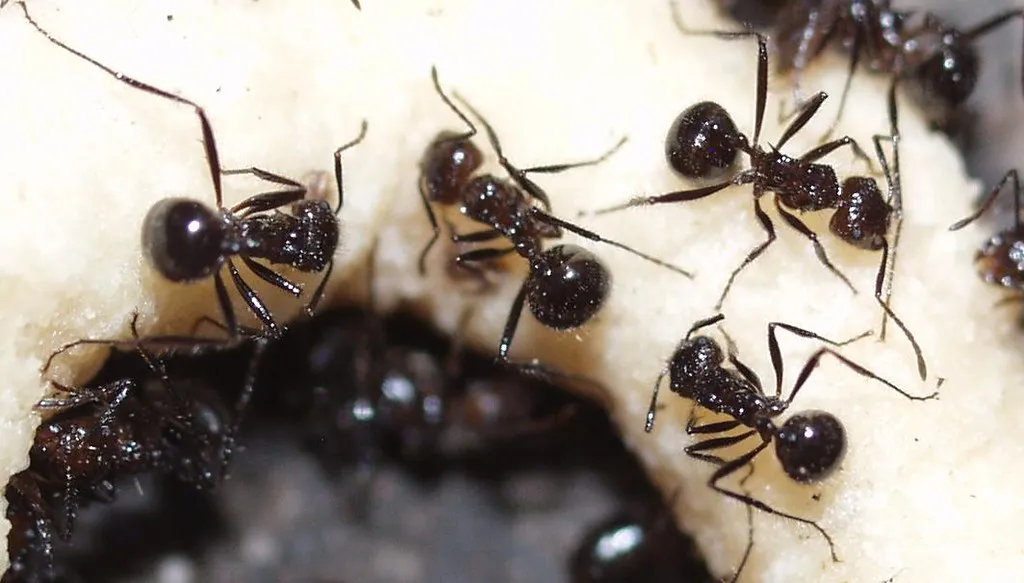
Researchers found that Ophiocordyceps can infect and kill nontarget ants, but it cannot manipulate their behavior. This is one of the more striking findings in the field. Killing a host is relatively easy in nature. Controlling one is another matter entirely.
Research has shown that the fungus can kill all ant species tested, but only manipulates the behavior of those it infects in nature. The fungus seems to have evolved a highly specific lock-and-key relationship with its preferred hosts, almost like a biological password.
As of 2023, there are 35 known species of Ophiocordyceps that are able to control the behavior of ants, but researchers expect there are actually many, perhaps hundreds, more. Given how rarely tropical forest understories are sampled in detail, that estimate is probably conservative.
Ancient Origins: 99 Million Years of Mind Control
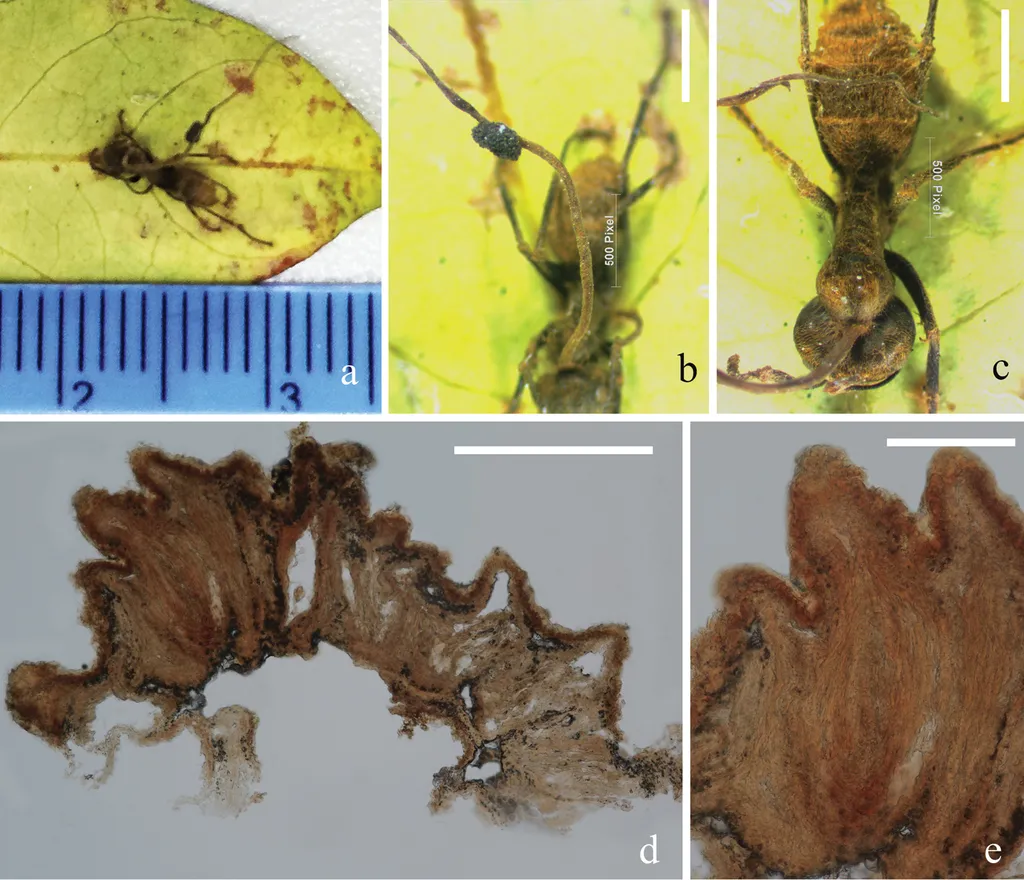
Research published in Biology Letters in 2010 describes a 48-million-year-old fossilized leaf from Germany that bears the distinctive scars of a bite from an ant’s mandible on its main vein. Those scars match, in shape and position, exactly what is seen on modern leaves today.
Researchers were surprised when a 3-D image of a fossil revealed a fungus sprouting out of one of the antibiotic-producing glands ants have on their backs. This fungus was remarkably similar to modern-day zombie fungi, with similarly shaped spores growing out of a domelike structure that had burst from the insect’s back.
A fly with a zombie fungus sprouting out of its back was trapped in a droplet of tree resin 99 million years ago, according to research published in Proceedings of the Royal Society B in 2025. The oldest fossil evidence of zombie fungi comes from a 48-million-year-old leaf which shows scars from the death grip of an unfortunate ant that was likely infected and manipulated by fungi. Either way, this is one of the most ancient predator-prey relationships ever documented.
Zombie Graveyards in the Forest
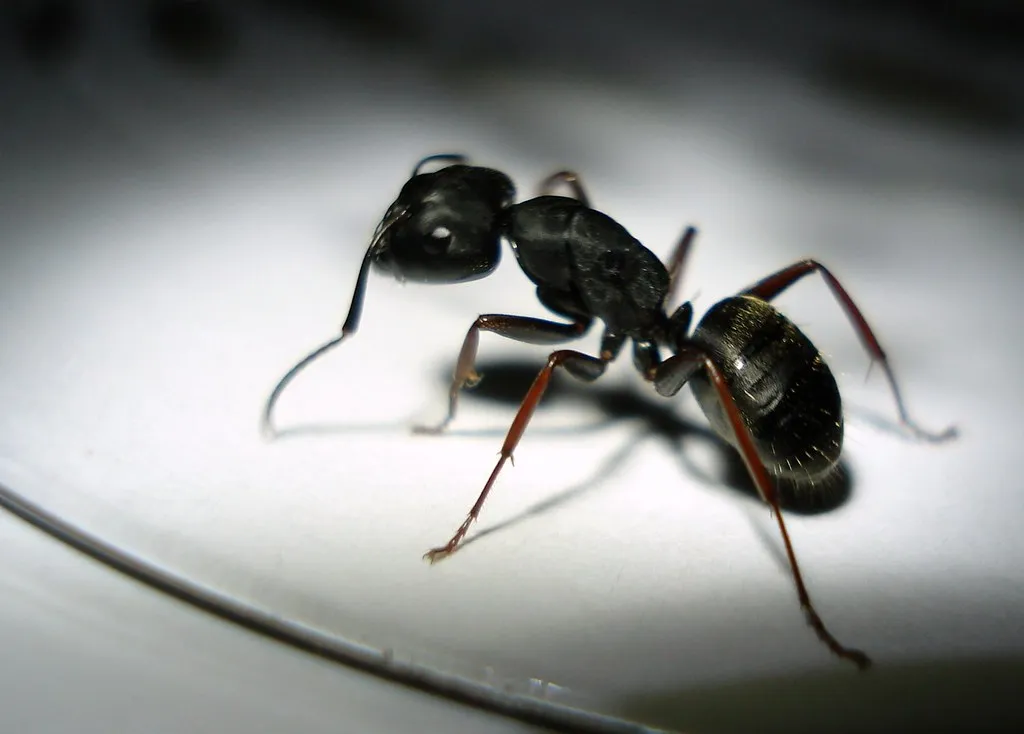
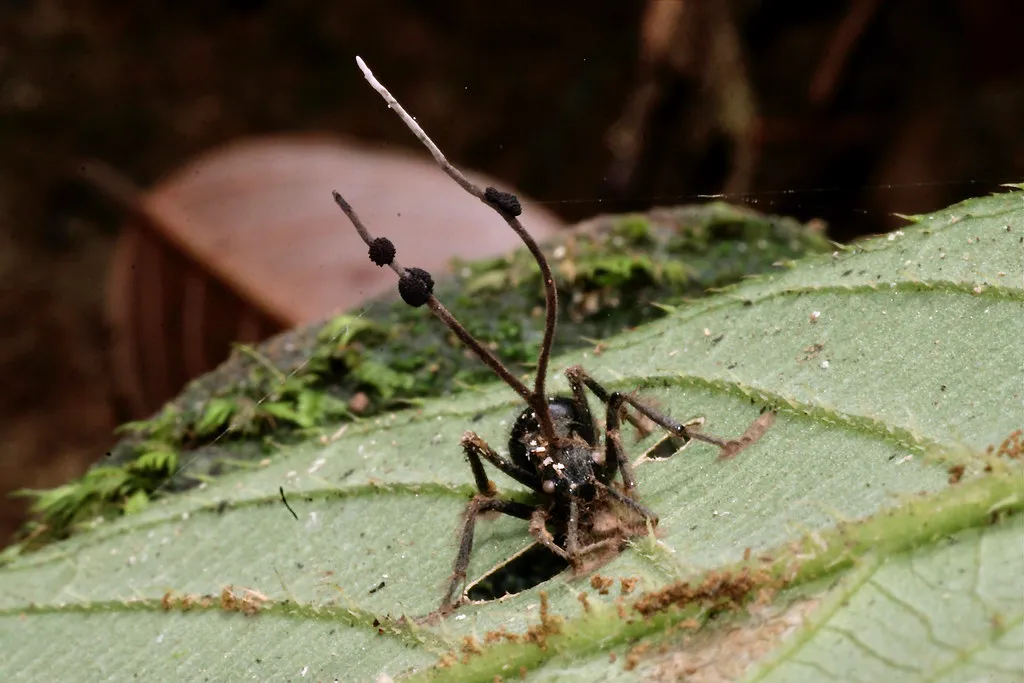
The fungus erupts a reproductive stalk from the back of the ant’s head and rains spores downward onto ants passing below on their foraging routes. The entire sequence is a delivery mechanism, and every step of it serves the fungus rather than the ant.
The real genius of the fungus’s attack is not only that it makes the ant go to a leaf that offers ideal shade and humidity levels for the fungus to grow, but that it is also positioned directly on top of the ant’s colony, so when the spores burst out they fall on other ants and begin the cycle all over again.
When Ophiocordyceps-infected ants die, they are mainly located in regions containing a high density of ants which were previously manipulated and killed. These areas are termed “graveyards” and can be 20 to 30 metres in range, with a local density of dead ants possibly exceeding 25 per square metre. These grim clusters are not accidents. They are the byproduct of a perfectly calibrated dispersal strategy.
The Microclimate Connection
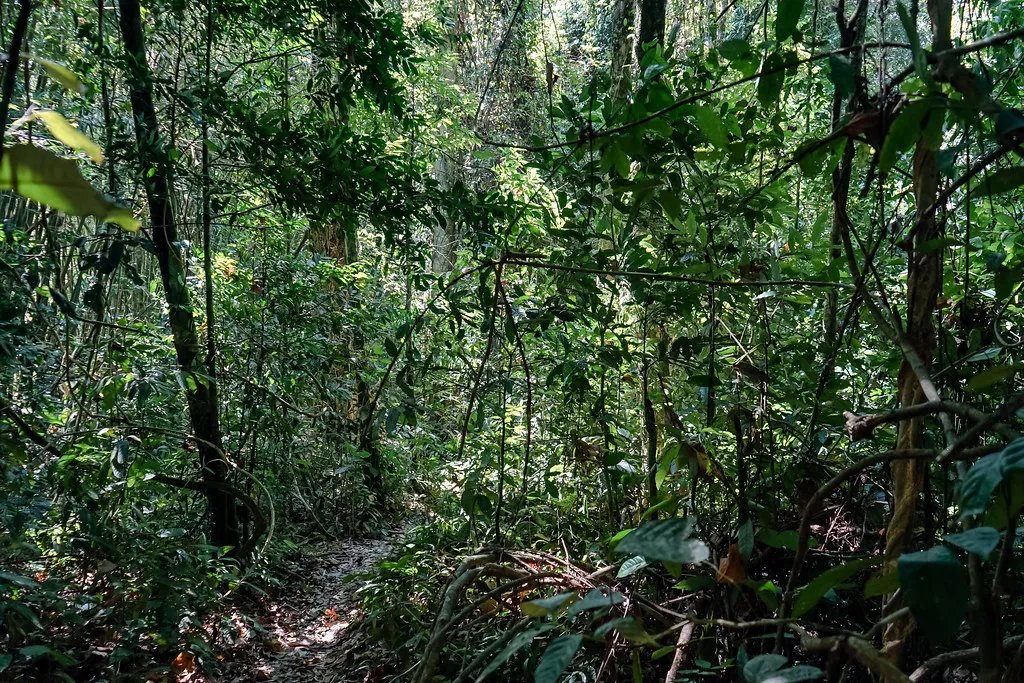
In 2024, researchers from the University of Copenhagen used microclimate sensors throughout a Thai rainforest to map the temperature and humidity gradients at different heights in the understory. The goal was to understand exactly why infected ants always stop at a very specific elevation.
Infected ants almost invariably clamp onto vegetation between 25 and 30 centimeters above the forest floor. This is not coincidental. That range represents a microclimate sweet spot: warm enough to sustain fungal growth, humid enough to prevent desiccation, and elevated enough that the stalk bearing spores can reach the foraging trails of healthy ants below.
The geometry of infection is, in other words, built into the behavior of the dying host. That phrase carries more weight the longer you sit with it. The fungus isn’t reacting to the environment. It has encoded the environment’s requirements directly into its host’s final movements.
Could It Ever Affect Humans?
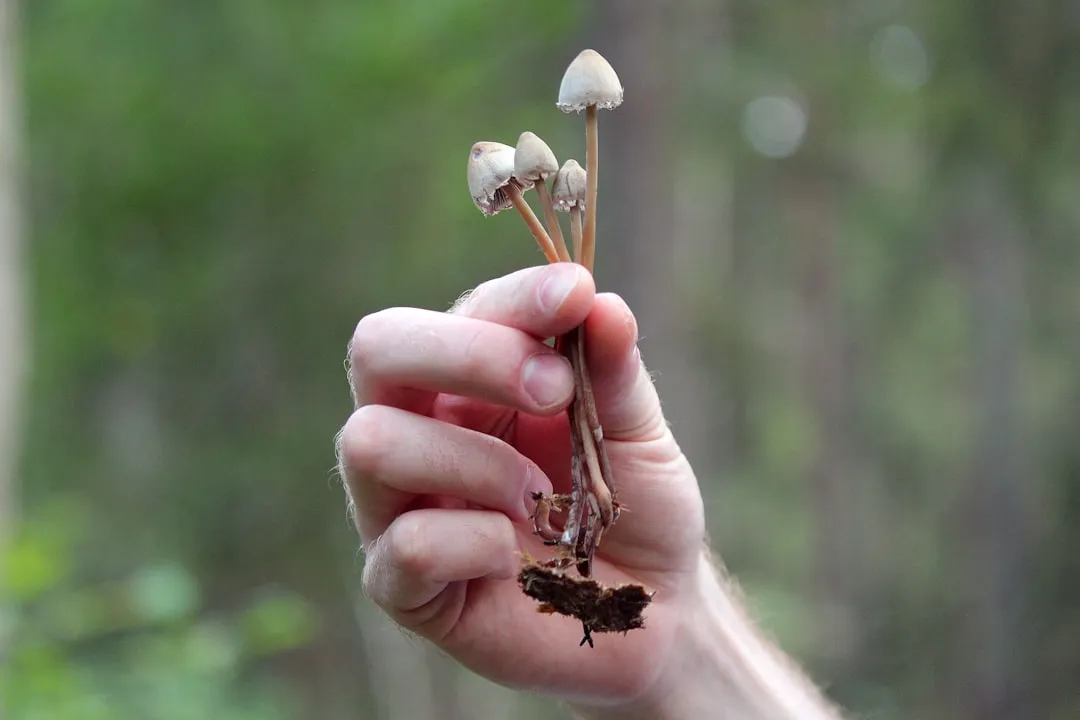
There are many factors that make transmission to humans highly unlikely. Mammalian biology is very different from that of insects, and the human body is too warm for most fungi. The gap between an ant’s physiology and a human’s is enormous, and Ophiocordyceps has evolved over tens of millions of years around a very specific biological target.
In the TV series The Last of Us, the fungus, having adapted to higher temperatures due to climate change, takes control of humans as an alternative host and causes them to exhibit erratic behaviors. The show is gripping, but scientists are clear that this scenario has no plausible pathway in reality based on current knowledge.
The pharmaceutical implications, however, are not theoretical. In 2024 and into 2025, several research groups have begun using fungal secondary metabolites as templates for novel neuroactive compounds. The same chemical precision that makes Ophiocordyceps so effective as a parasite may eventually make it useful as a source of medical inspiration.
What the Science Still Doesn’t Know
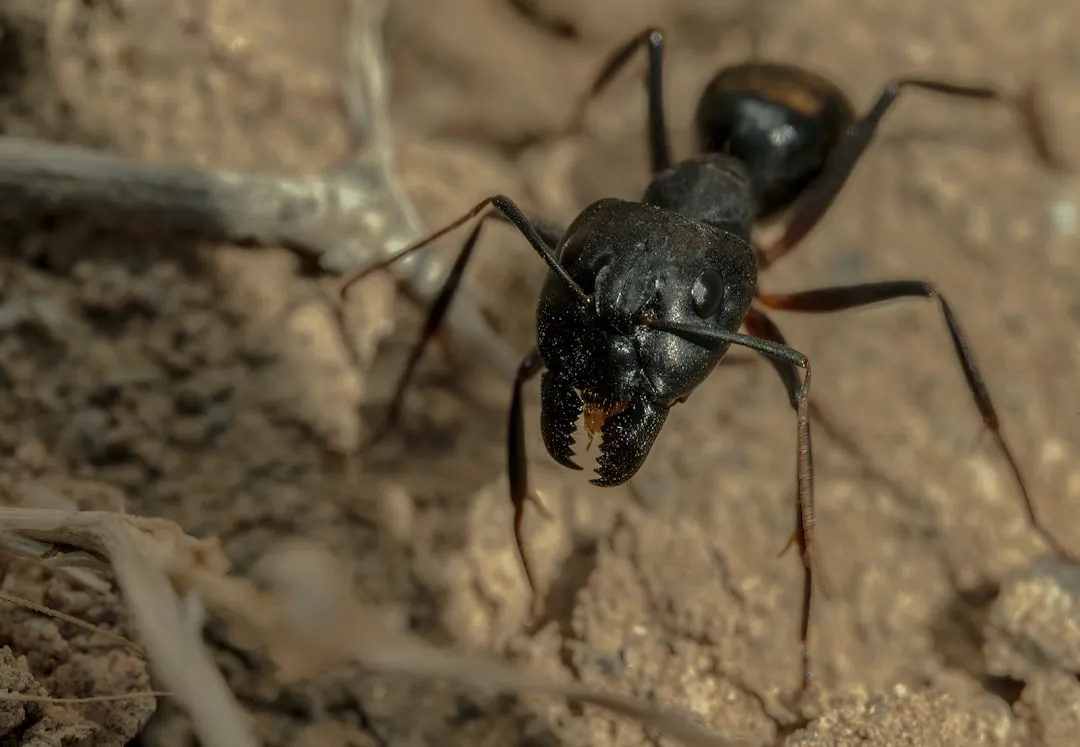
The reality, confirmed through research published in the last several years and gaining renewed attention in 2025 as parasite ecology becomes a rapidly expanding field of study, is considerably stranger and more sophisticated than the popular version ever suggested. Science communicators have often oversimplified this story, and researchers are working to correct the record.
Prominent abnormal behaviors this fungus induces in ants include disrupted circadian rhythms and foraging habits, summiting, and mandibular contraction. These behaviors, known as extended phenotypes, and the factors that determine when, where, why, and how they occur remain active subjects of research.
Behavioral manipulation by parasites is far more common than most people realize, and Ophiocordyceps is simply the most dramatic and well-documented example. How many other organisms are quietly running similar programs in forest ecosystems worldwide is still an open question, and one that researchers are only beginning to pursue systematically.
The Takeaway
AI Disclaimer: This article was created with the assistance of AI tools and reviewed by a human editor.