

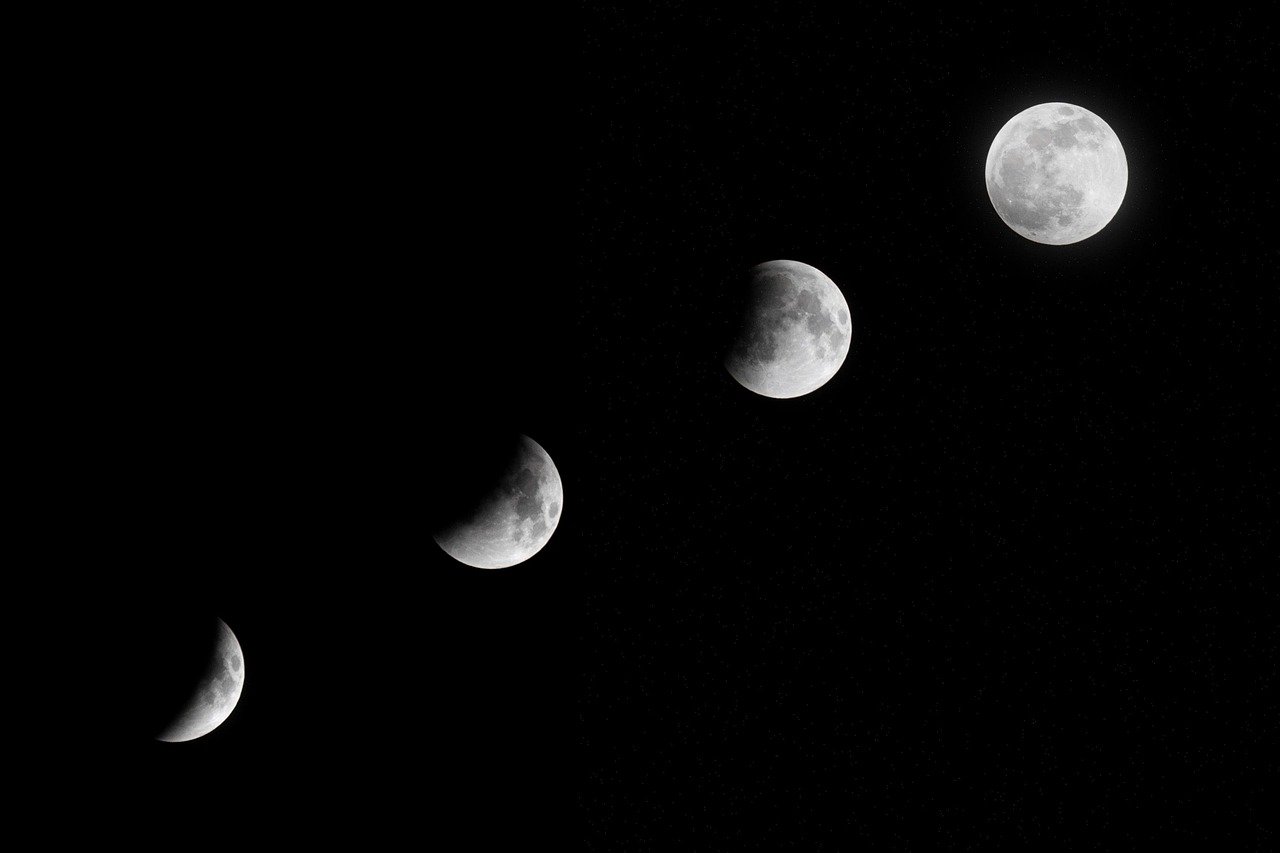
A Lunar Cycle Packed with Highlights (Image Credits: Pixabay)
Full moons have inspired awe across cultures for centuries, marking time, seasons, and celestial rhythms. In 2026, the year features 13 such events, an unusual occurrence due to two full moons in May. Skywatchers worldwide prepared for a lunar-rich year, with the most recent Pink Moon illuminating the night sky on April 1.[1][2]
A Lunar Cycle Packed with Highlights
The lunar year began with the Wolf Moon on January 3, rising dramatically in winter skies. Observers noted its stark brightness against crisp nights. This supermoon appeared larger than average, drawing crowds to open fields.[1]
February’s Snow Moon followed on the 1st, coinciding with heavy wintry weather in northern regions. March’s Worm Moon on the 3rd signaled spring’s approach, as earthworms emerged from thawing soil. These early moons set a tone of anticipation for the year’s celestial display.
Full Moon Dates and Times for 2026
Exact full moon moments occur when the Moon aligns opposite the Sun from Earth’s view, fully illuminating its Earth-facing side. Times listed below use Eastern Daylight Time (EDT) where applicable, shifting to Eastern Standard Time (EST) in late fall. The Moon appears full to the naked eye for about three nights around each peak.
| Date | Traditional Name | EDT/EST Peak Time |
|---|---|---|
| January 3 | Wolf Moon | 5:03 a.m. EST |
| February 1 | Snow Moon | 5:09 p.m. EST |
| March 3 | Worm Moon | 6:38 a.m. EST |
| April 1 | Pink Moon | 10:12 p.m. EDT |
| May 1 | Flower Moon | 1:23 p.m. EDT |
| May 31 | Blue Moon | 4:45 a.m. EDT |
| June 29 | Strawberry Moon | 7:57 p.m. EDT |
| July 29 | Buck Moon | 10:36 a.m. EDT |
| August 28 | Sturgeon Moon | 12:18 a.m. EDT |
| September 26 | Corn Moon | 12:49 p.m. EDT |
| October 25 | Hunter’s Moon | 11:12 p.m. EDT |
| November 24 | Beaver Moon | 9:53 a.m. EST |
| December 23 | Cold Moon | 8:28 p.m. EST |
These names trace back to Native American tribes, reflecting seasonal changes like wolf howls in January or strawberry harvests in June. Variations exist globally, such as China’s Holiday Moon for January.[1]
Standout Events: Blue Moon and Seasonal Shifts
May delivered a treat with two full moons – the Flower Moon on the 1st and the Blue Moon on the 31st. This rare “seasonal blue moon” (second in a month) heightened excitement among astronomers. No total lunar eclipses aligned with full phases this year, though partial events occurred nearby.
Late-year moons offered their own drama. The Hunter’s Moon in October provided extra light for foraging, historically aiding hunters. December’s Cold Moon capped the cycle, often appearing as a supermoon with enhanced size and glow.[2]
Tips for Prime Full Moon Viewing
Full moons rise at sunset and climb highest around midnight, offering optimal views from dark-sky locations away from city lights. Binoculars reveal craters and maria clearly.
- Check local moonrise times via apps like Stellarium or SkySafari.
- Photograph with a tripod and long exposure to capture details.
- Pair with meteor showers or planets for bonus sights, like Jupiter near some full moons.
- Avoid full moon nights for faint deep-sky objects; save those for new moons.
- Account for the “moon illusion,” where it seems larger near the horizon.
Weather plays a key role – clear skies amplify the spectacle. Families often held full moon picnics or storytelling sessions under these luminous orbs.
Key Takeaways
- 2026 hosts 13 full moons, highlighted by May’s Blue Moon.
- Traditional names tie lunar cycles to nature’s rhythms.
- Observe around peak times from low-light pollution areas for best results.
As the Cold Moon closes 2026, it reminds us of the Moon’s enduring pull on human imagination. Plan your observations now to connect with this timeless dance of light and shadow. What full moon event excites you most? Share in the comments.