

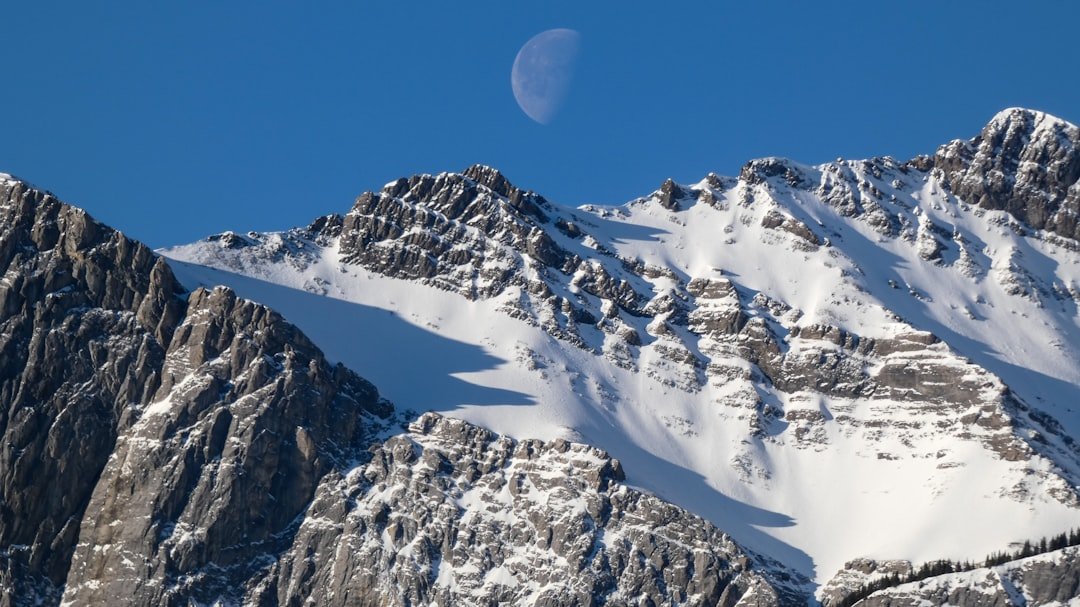
Expectations Shattered by Sparse Discoveries (Image Credits: Unsplash)
Deep within the Moon’s permanently shadowed craters at the poles, scientists long envisioned vast reserves of water ice ready to fuel future human outposts. NASA’s ShadowCam instrument aboard South Korea’s Danuri lunar orbiter has now painted a different picture. High-resolution observations reveal only sparse, isolated ice deposits rather than the thick layers once hoped for, reshaping plans for lunar exploration.[1][2]
Expectations Shattered by Sparse Discoveries
Researchers anticipated rich surface ice in these frigid traps, where temperatures drop below minus 300 degrees Fahrenheit. Such deposits promised an ideal source for drinking water, oxygen, and rocket fuel through electrolysis. Yet ShadowCam data showed no signs of ice-rich areas exceeding 20-30% concentration by weight.
The instrument pinpointed just a handful of small bright spots, each measuring 65 to 165 feet across. These patches displayed a distinctive light-scattering pattern unique to water ice. Lead author Shuai Li noted the surprise: “I thought we’d find more bright, ice-rich areas. So the small number we found was a bit surprising.”[1]
ShadowCam’s Unique View into Eternal Night
ShadowCam excels where sunlight never reaches by capturing faint glows from scattered light off nearby crater walls. Developed by engineers at Arizona State University, the camera distinguishes ice through its forward-scattering properties – ice sends light ahead, unlike rocks or dust that reflect it backward. Stereo imaging from varying angles confirmed these signatures definitively.
The team focused on the south pole, including Shackleton Crater, a 12-mile-wide depression. Analysis of extensive datasets ruled out widespread pure ice on the surface. Instead, any ice likely mixes with regolith in low amounts or hides subsurface near young craters.[1]
Comparing Hopes to Harsh Realities
Prior missions like NASA’s Lunar Reconnaissance Orbiter hinted at potential volatiles, fueling optimism for Artemis program bases. ShadowCam’s precision now sets firmer limits. The table below contrasts earlier views with new evidence:
| Previous Assumptions | ShadowCam Findings |
|---|---|
| Abundant, accessible surface ice | Small, scattered deposits (20-50 meters) |
| Concentrations over 30% | Below 20-30%, often <10% |
| Widespread in polar craters | Patchy, near young impact sites |
These results align with a 2023 study suggesting overall lower ice abundance. Space weathering, impacts, and volcanic remnants likely erode or bury potential ice over billions of years.[3]
Challenges Ahead for Lunar Pioneers
The scarcity complicates NASA’s Artemis missions, including Artemis 2 flyby and landings from Artemis 4. Planners eyed polar sites for in-situ resource utilization to cut costs from Earth shipments. With surface ice limited, subsurface prospecting or alternative sources gain urgency.
Danuri’s mission continues until 2028, offering more data before its battery fades. Meanwhile, bodies like Mercury boast thicker polar ice despite warmer climes, highlighting the Moon’s unique destructive processes. Missions may target mid-latitude pockets locked in glass or minerals, though extraction proves trickier.
- Surface ice remains viable but demands efficient mining tech.
- Subsurface reserves near fresh craters offer promise.
- Hybrid strategies blending imports and local yields become essential.
- Ongoing surveys refine maps for landing sites.
- International collaboration accelerates solutions.
Key Takeaways:
- Water ice scatters light uniquely, enabling ShadowCam’s detections.
- No evidence of pure, abundant surface deposits in PSRs.
- Findings urge revised strategies for sustainable lunar presence.
These revelations demand adaptive planning as humanity eyes permanent lunar footholds. ShadowCam proves that the Moon’s secrets unfold slowly, but each insight edges us closer to the stars. What do you think about it? Tell us in the comments.