

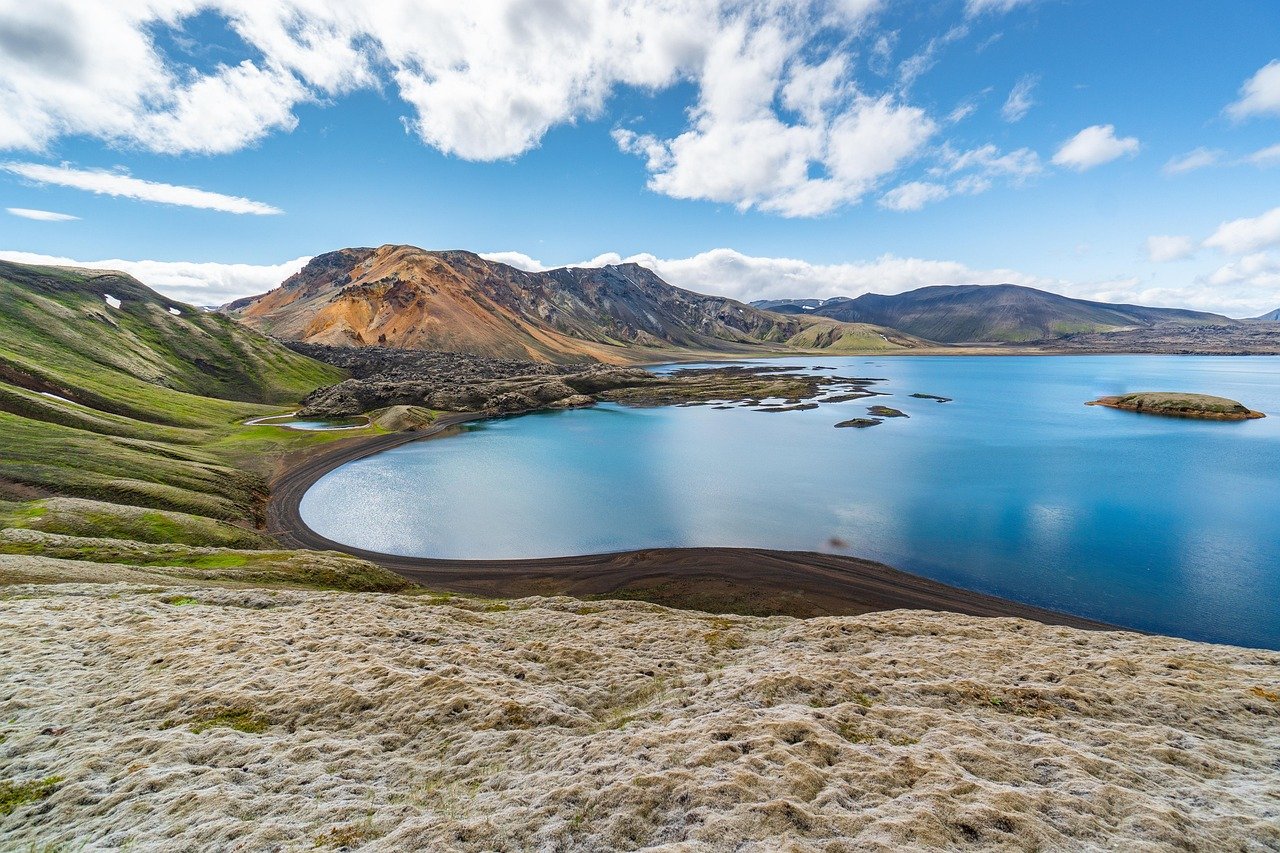
The Supervolcanic Origins of Long Valley Caldera (Image Credits: Pixabay)
Mammoth Lakes, California – Towering peaks and serene alpine lakes define this popular Sierra Nevada destination, yet beneath the surface lies a dramatic volcanic history. A vast ancient caldera anchors the region, while chains of younger craters add rugged contrast to the landscape. These features, born from immense eruptions over hundreds of thousands of years, continue to influence the area’s geology and draw scientists and adventurers alike.[1][2]
The Supervolcanic Origins of Long Valley Caldera
Long Valley Caldera emerged from one of North America’s most explosive events roughly 760,000 years ago. The Bishop Tuff supereruption ejected vast volumes of ash and magma, causing the ground to collapse and form an oval depression measuring 16 by 32 kilometers.[1] This scar, east of the central Sierra Nevada in Mono County, spans from near Mammoth Mountain in the southwest to the Glass Mountains in the northeast.
Resurgent doming followed soon after, uplifting the caldera’s center and creating a peninsula-like feature. Ancient lake shorelines etched into the walls testify to a vast body of water that once filled the basin before draining via the Owens River Gorge. Volcanic activity persisted along the ring faults, with rhyolite eruptions shaping the moat zones inside the caldera.
Mammoth Mountain’s Layered Legacy
Perched on the southwest rim stands Mammoth Mountain, the largest post-caldera volcano in the area. Geologists trace its growth to about 25 distinct eruptive episodes between 100,000 and 51,000 years ago. Layers of rhyolite and dacite built the 3,369-meter peak, now a hub for skiing and hiking.[3][4]
Glaciers later sculpted the Mammoth Lakes Basin into a dramatic cirque. Though no eruptions have occurred in millennia, the mountain remains chemically and tectonically separate from the main caldera system. Fumaroles still vent steam and gases, a reminder of heat lingering below.
The Youthful Energy of Mono-Inyo Craters
Stretching 29 kilometers northward from the caldera’s northwest rim, the Mono-Inyo Craters chain showcases Holocene volcanism. This sickle-shaped arc includes over 30 rhyolite domes, flows, and explosion craters between Mono Lake and Long Valley.[2] The southern Inyo segment features dramatic pits like the North and South Inyo Craters, some holding turquoise lakes.
Activity here is remarkably recent. Obsidian Dome formed around 600 to 700 years ago through steam explosions, yielding a stark, glassy mound rising 120 meters above the forest floor. Paoha Island in Mono Lake emerged even later, about 300 years ago. Pumice slopes and obsidian fields blanket the terrain, used historically by indigenous peoples for tools.[4]
Modern Rumblings and Vigilant Watch
The region pulses with subtle signs of unrest. Hot springs, fumaroles, and a robust geothermal system power facilities like Casa Diablo, supplying electricity to thousands of homes. Earthquake swarms and ground uplift have punctuated recent decades, though 2025 marked a seismically quiet year.[1]
USGS scientists deploy extensive monitoring networks, including seismometers, GPS, and gas sensors, across the caldera and craters. These tools track deformation and emissions at Mammoth Mountain, where carbon dioxide has killed trees around Horseshoe Lake. While hazards like pyroclastic flows or lava pose risks, the overall threat level prompts ongoing vigilance rather than alarm.
- Hot Creek Geologic Site: Boiling pools and geysers showcase active hydrothermal features.
- Obsidian Dome Trail: Hike to panoramic views amid volcanic glass fields.
- Inyo Craters Wilderness: Challenging paths to crater rims and alpine lakes.
- Mammoth Mountain Gondola: Summit access for interpreting volcanic layers.
- Mono Lake Visitor Center: Ranger-led tours of recent volcanic islands.
| Feature | Approximate Age | Key Characteristic |
|---|---|---|
| Long Valley Caldera | 760,000 years | Supereruption collapse, 16×32 km |
| Mammoth Mountain | 100,000–51,000 years | Rhyodacite domes on SW rim |
| Mono-Inyo Craters | Holocene, up to 300 years | Rhyolite chain with recent domes |
Key Takeaways
- The blend of ancient caldera and young craters creates a unique geologic classroom near Mammoth Lakes.
- Ongoing monitoring ensures safety amid thermal activity and quakes.
- Visitor sites offer safe ways to witness this fiery heritage firsthand.
This volcanic medley not only sculpted the eastern Sierra Nevada but sustains a dynamic environment today. As snow dusts the craters in winter and wildflowers bloom in summer, the landscape invites reflection on Earth’s restless power. What do you think of Mammoth Lakes’ hidden volcanic world? Tell us in the comments.