

There is something quietly staggering about the idea that 4,400 years ago, someone carved a door that was never meant to open. Not for the living, anyway. Somewhere beneath the golden sands of Saqqara, a royal craftsman spent an enormous amount of time and resources building an entrance to another world – a world nobody could prove existed, yet nobody doubted was real. And now, in 2025, archaeologists have found it.
This discovery has sparked a conversation far bigger than one prince’s tomb. It has people asking old questions in new ways: Did the ancient Egyptians instinctively understand something about the layered nature of reality that modern physics is only beginning to articulate? Let’s dive in.
The Discovery That Stopped the World
Archaeologists made a groundbreaking discovery of a “door to the afterlife” during a dig into a 4,400-year-old tomb in Egypt. The catacomb belonged to the previously unknown Prince Userefre and contains a large pink granite door that does not actually open. Instead, the 15-foot-high and four-foot-wide structure holds spiritual significance, serving as a symbolic portal through which the soul of the dead would travel to the afterlife.
The discovery was made during an excavation mission in Egypt’s Saqqara necropolis by a team led by Dr. Zahi Hawass, the former Minister of Antiquities. Honestly, in a place already famous for its pyramids and labyrinthine burial grounds, this still managed to shock the world. The discovery of Prince Userefre’s tomb represents one of the most significant archaeological breakthroughs at Saqqara in recent years, providing valuable new information about the religious beliefs and artistic achievements of Egypt’s Old Kingdom.
Prince Userefre – The Royal Nobody History Forgot
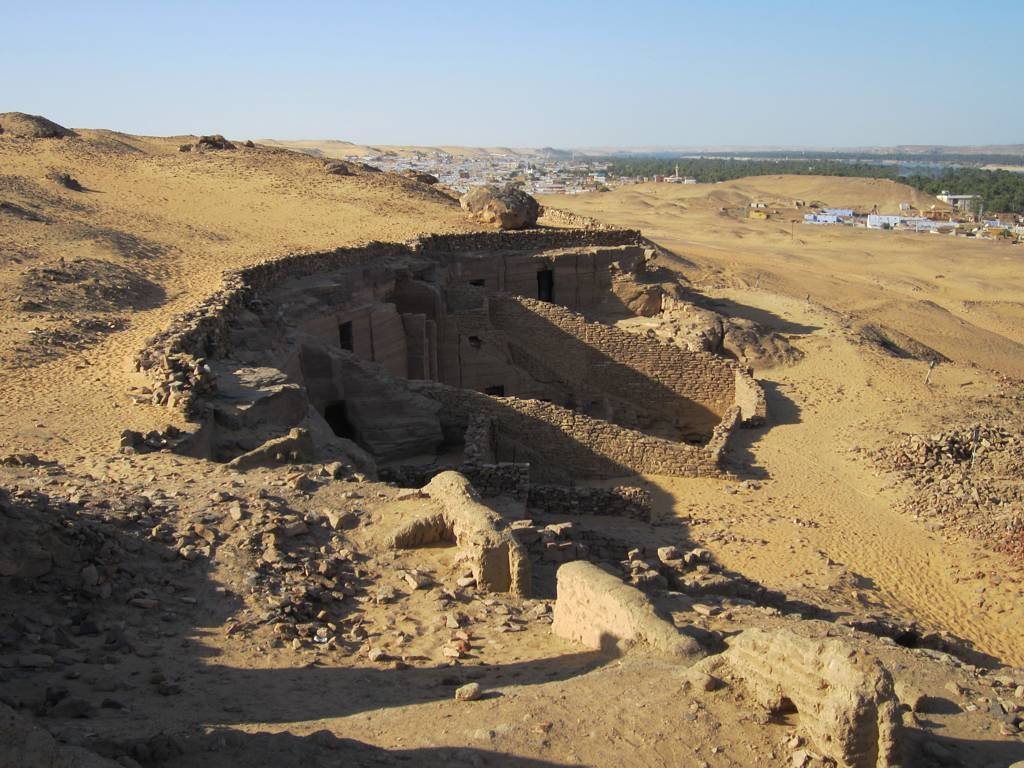
The tomb belongs to Prince Userefre, also spelled Waser-If-Re, the son of King Userkaf, a pharaoh who reigned around 2465 to 2458 B.C. during Egypt’s Fifth Dynasty, which lasted from circa 2465 to 2323 B.C. What makes this especially thrilling is that this prince was completely unknown to scholars before the dig.
The recently discovered false door bears inscriptions identifying the prince as a “crown prince,” as well as a “judge,” “minister,” “governor of two regions,” and a “chanting priest.” Despite his many titles, the prince and his tomb were previously unknown to scholars. Ronald Leprohon, professor emeritus of Egyptology at the University of Toronto, summed it up perfectly: “Before this discovery, we didn’t even know he existed.”
Prince Userefre was the son of Userkaf, the first king of the Fifth Dynasty, who ruled for around seven years between 2465 and 2458 B.C.E. A king who ruled for only seven years. His son, buried in near-total anonymity for millennia. Yet whoever designed that tomb clearly believed this man deserved a gateway to eternity.
The Pink Granite Door – A Material Statement of Power
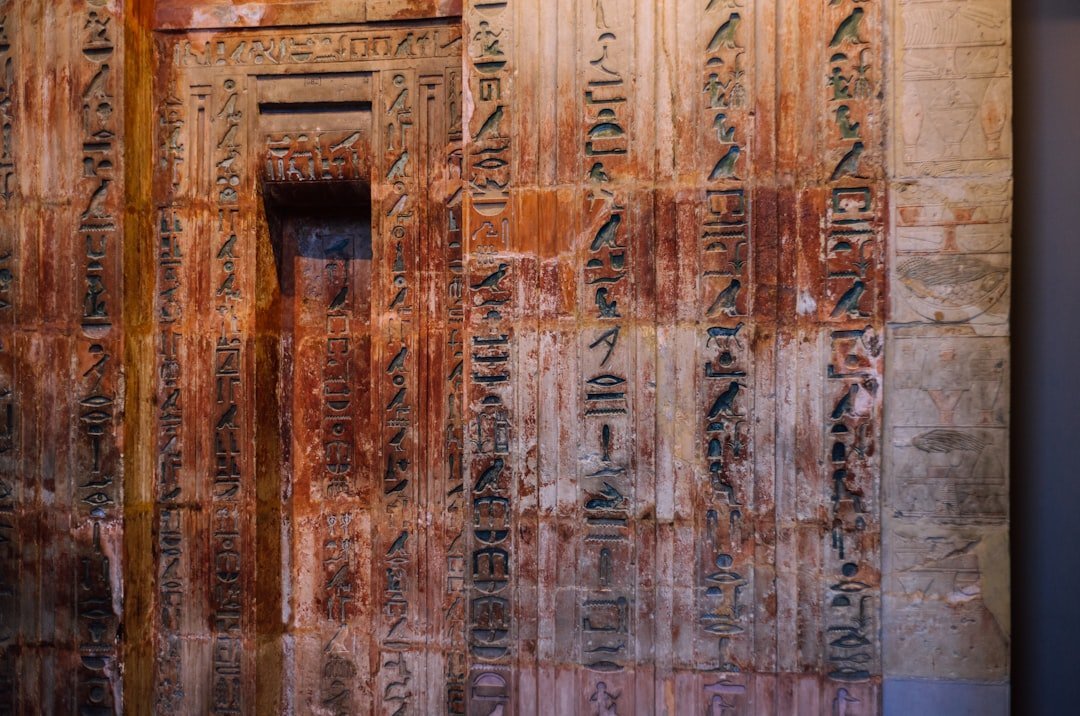
One of the most striking features of the tomb is a massive false door of pink granite. It stands 4.5 meters tall and 1.15 meters wide and is the first of its kind in Egypt by material and size. Think about it like this: if limestone was the plywood of ancient Egypt, pink granite was the rarest imported marble. The difference in cost and effort was enormous.
Melanie Pitkin, a senior curator at the Chau Chak Wing Museum at the University of Sydney who was not involved in the excavation, noted that false doors are most commonly made from limestone, which was a ubiquitous resource in Egypt. Since pink and red granite was quarried and transported from Aswan, about 400 miles or 644 km south, it was more expensive and reserved for royalty and the high elite.
The rare and costly pink granite used to construct this newly discovered false door showcases exceptional craftsmanship and considerable resources dedicated to the prince’s eternal rest. Its imposing size also reflects Userefre’s high status within the royal hierarchy and demonstrates the Fifth Dynasty’s commitment to elaborate burial preparations for its elites.
What Is a False Door? The Ancient Technology of Soul Transit
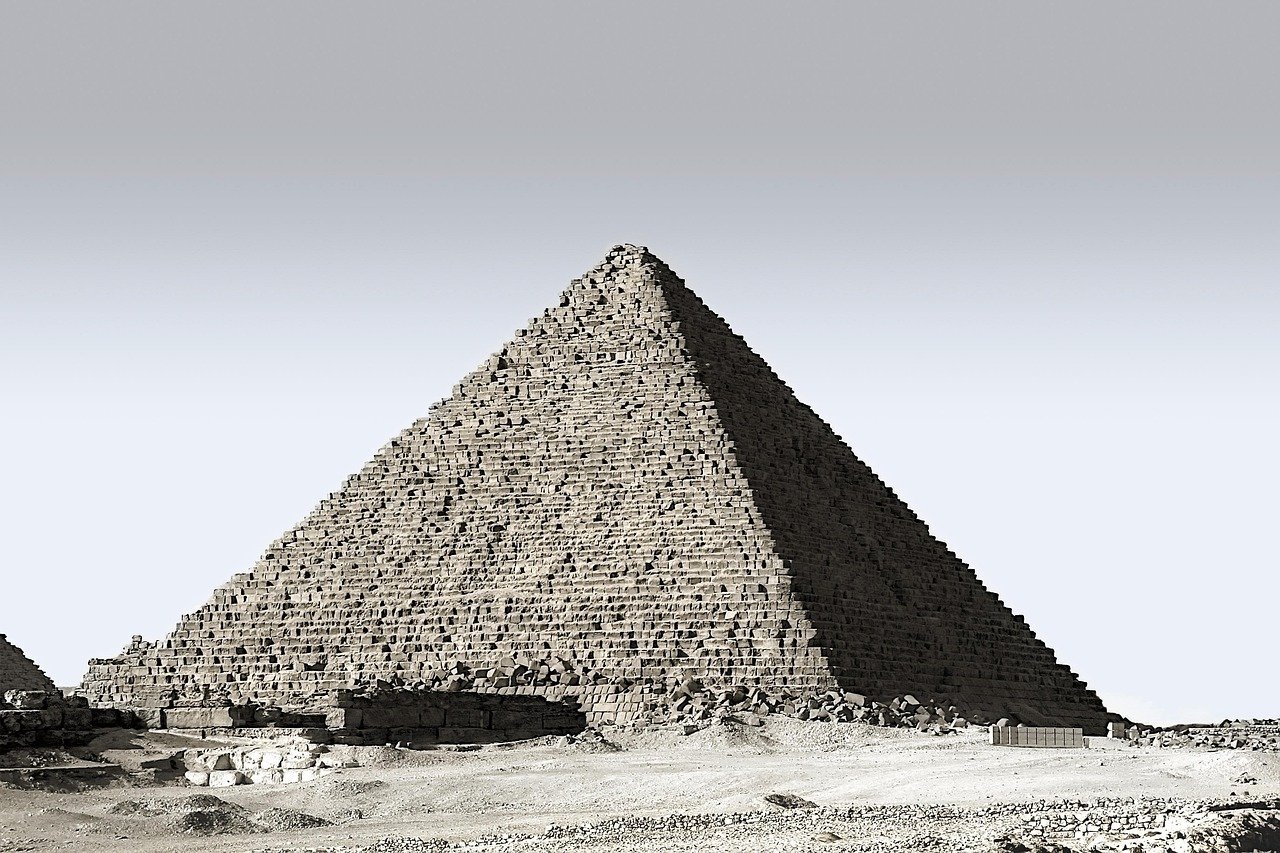
False doors were a specific type of funerary decoration often found in the tombs of the Egyptian elite during the Old Kingdom, the period more than 4,000 years ago when the Giza pyramids were built. They were carved from a single piece of stone and took the form of a narrow doorway surrounded by inscribed door jambs and surmounted by a lintel. They were not decorative afterthoughts. They were the most important architectural element in the entire burial chamber.
The false doors were often the focal point of a tomb’s offering chamber because they allowed both real and magical offerings to reach the soul, or ka, of the tomb occupant. In the same way, the false doors provided a passageway for the ka of the deceased to leave the afterlife and visit their tomb. This was a two-way street, spiritually speaking.
In ancient Egyptian tombs, a false door was not for people – it was for spirits. These carved stone panels allowed the soul, or ka, of the dead to return from the afterlife and receive offerings from the living. The word “false” is almost misleading. To the ancient Egyptians, this door was the most real thing in the room.
The Egyptian Soul – A Map of Invisible Worlds

Ancient Egyptians had complex ideas about what makes up the human soul, and their beliefs involved dividing the soul into nine parts: Khat, Ba, Ren, Ka, Shuyet, Jb, Akh, Sahu, and Sechem. Let’s be real: this is a breathtakingly sophisticated framework. Far from a simple heaven-or-hell binary, the Egyptian afterlife was an intricate cosmology of interlocking realms.
The Ba embodied personality, mobility, and individuality, everything that made a person unique. Unlike the Ka, which was a static life-force, the Ba was dynamic and capable of moving between the worlds of the living and the dead. Each night, the Ba was believed to return to the tomb to reunite with the Ka, ensuring wholeness in the afterlife.
Egyptian religious doctrines included three afterlife ideologies: belief in an underworld, eternal life, and rebirth of the soul. The underworld, also known as the Duat, had only one entrance that could be reached by traveling through the tomb of the deceased. In other words, the tomb itself was the portal. The door was not symbolic decoration. It was functional infrastructure for the dead.
The Offerings Table – Feeding a Soul Across Dimensions
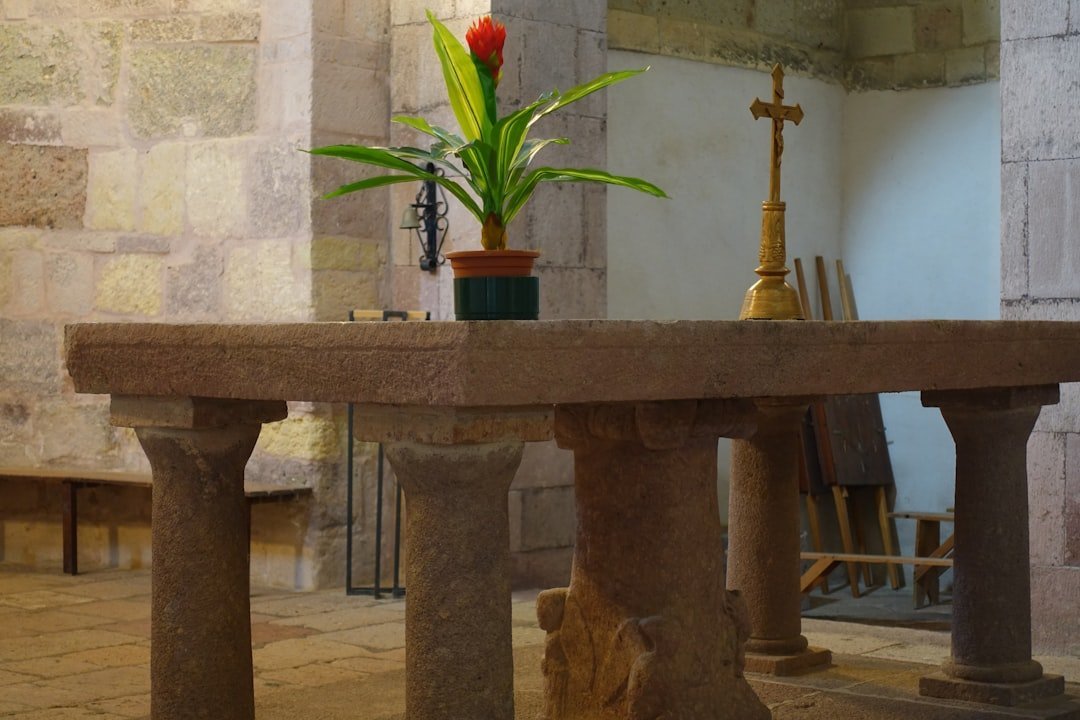
Also found in the tomb was a red granite offering table which measures 92.5cm across and features carved texts describing ritual sacrifice. This was not ceremonial furniture. It was a delivery mechanism. Food, drink, and goods placed on this table were believed to cross an invisible threshold into another realm.
Nearby, archaeologists also found an offering table made of red granite. Leprohon explained that in ancient Egyptian burial practices, food offerings were often placed on these tables so that the deceased could “magically” consume them. In reality, the food was usually eaten by the tomb priests or the deceased’s family during rituals of remembrance. There is something deeply human about that detail. The rituals nourished the living as much as they were meant to nourish the dead.
It was the ka which would absorb the power from the food offerings left in the tomb, and these would sustain it in the afterlife. Offerings that were left for the dead included clothing and valuable ornaments; the most important offering, however, was food, because even though the Ka was separated from the body, it could still starve. A soul that could starve. Now that is a haunting thought.
The Statues Inside – A Mystery Within the Mystery
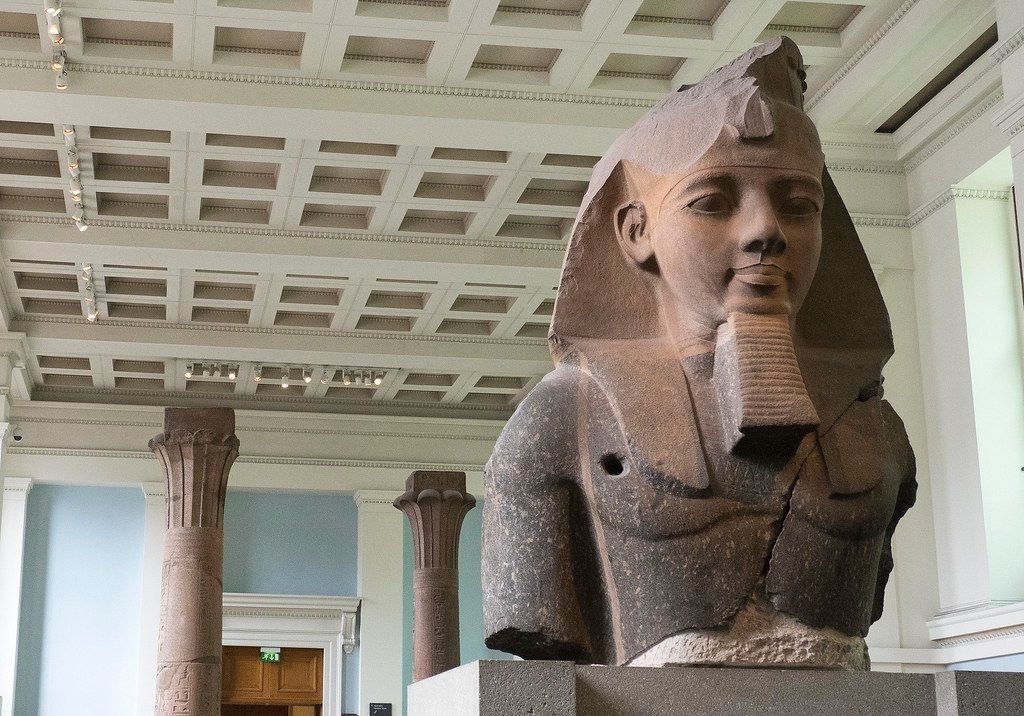
The tomb contained an extraordinary collection of artifacts that reveal unexpected connections to Egypt’s earlier Third Dynasty rulers. Most remarkably, archaeologists discovered statues depicting King Djoser, his wife, and their ten daughters. Initial analysis suggests these statues were originally located near Djoser’s famous Step Pyramid and were moved to Prince Userefre’s tomb during the Late Period, possibly the 26th Dynasty, which ran from 688 to 525 BC.
To the north of the main chamber, archaeologists uncovered a remarkable collection of 13 pink granite statues, seated on high-backed benches. Among these statues were elevated heads representing the tomb owner’s wives, and two headless figures, found near another black granite statue that was unearthed upside down. Headless statues. A door to nowhere. A prince nobody knew existed. Every answer here seems to produce two more questions.
Dr. Zahi Hawass noted that these Third Dynasty sculptures are exceptionally rare. Ann Macy Roth, professor of Egyptology at New York University, emphasized the significance of these finds, stating that “there is very little sculpture from that era” and that she could “only think of one piece that represents a woman” prior to this discovery.
The Saqqara Necropolis – A Living Archaeological Universe
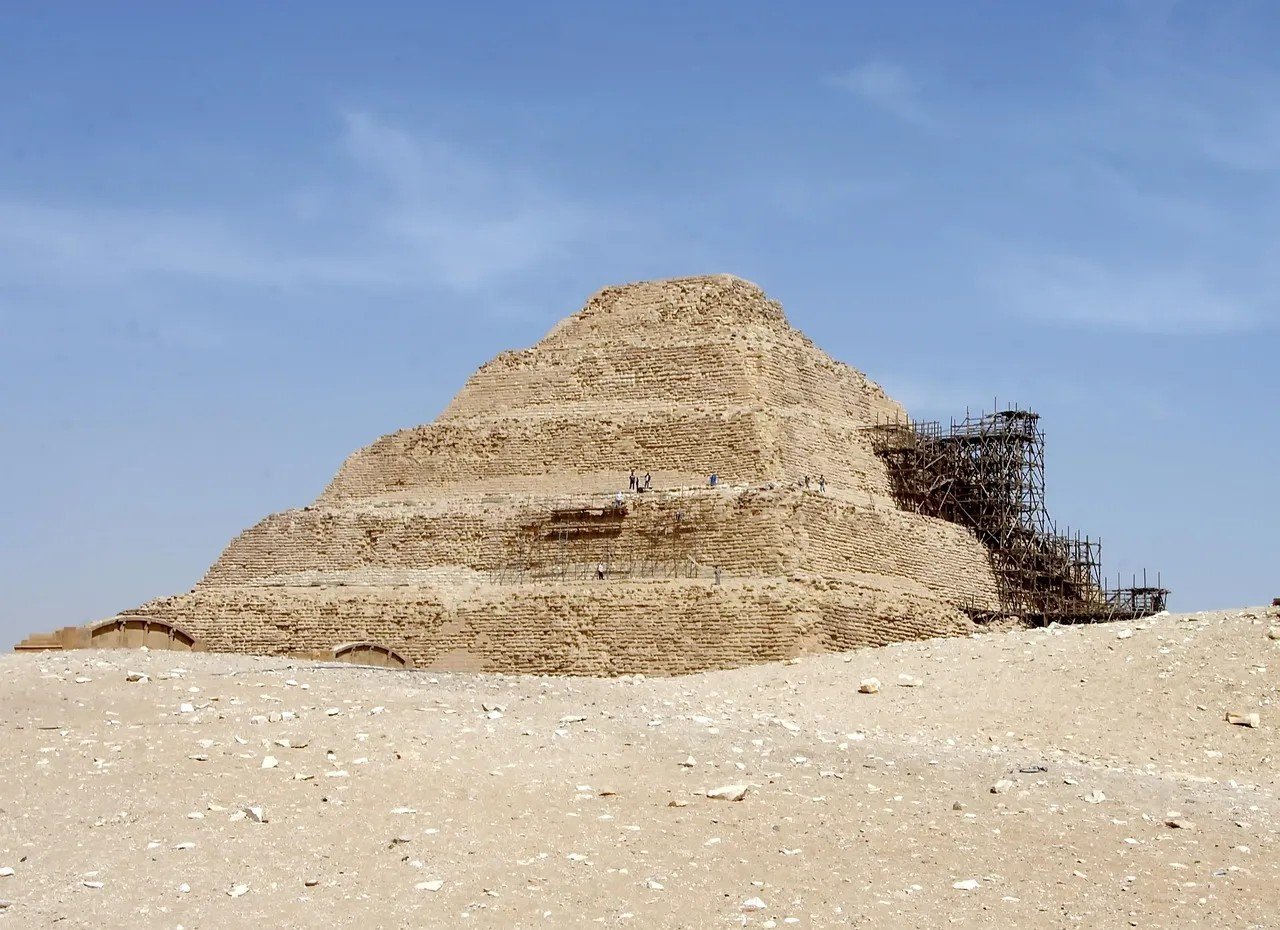
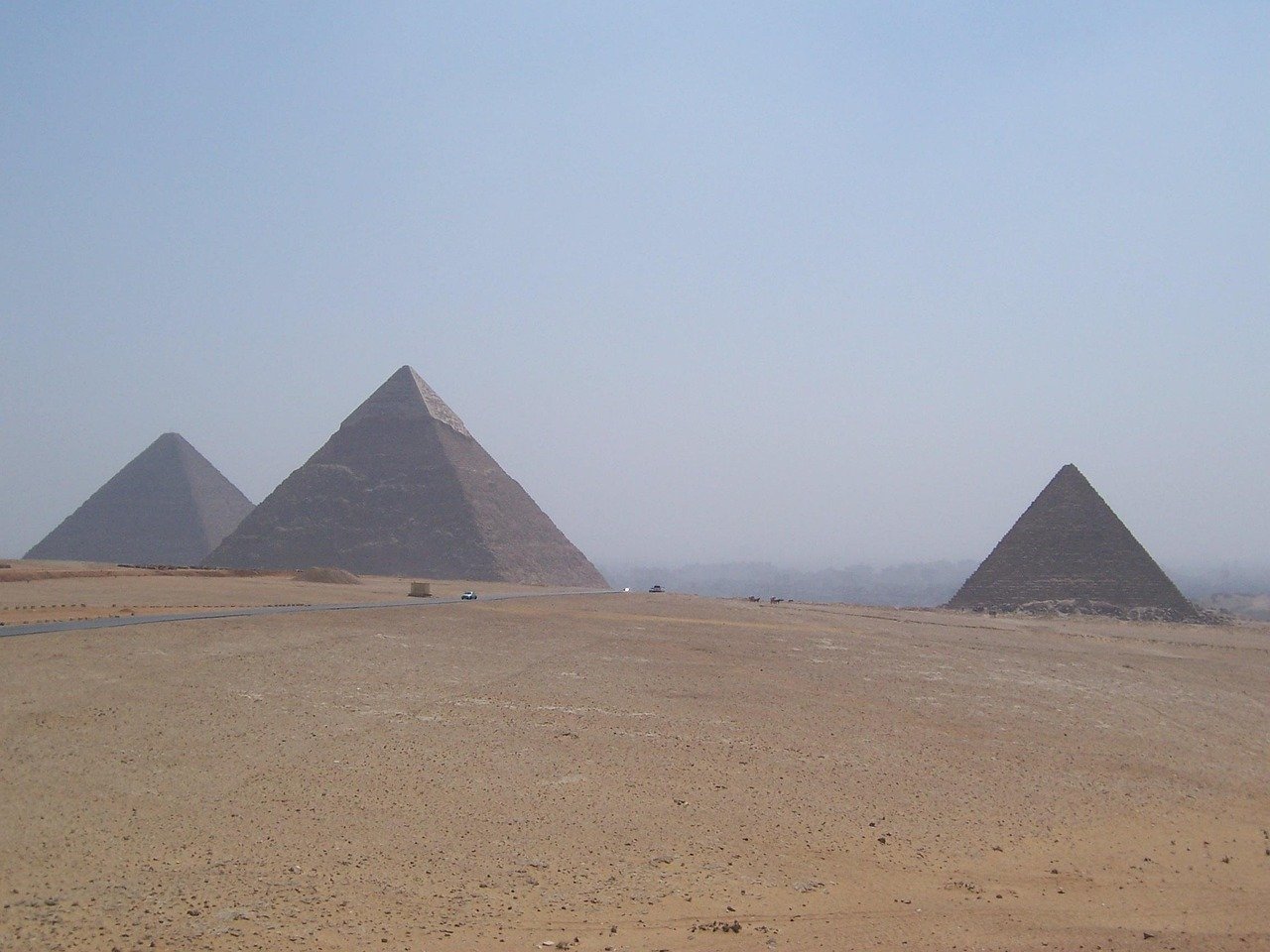
Spanning over 7 kilometres, Saqqara served as the burial ground for Memphis, Egypt’s ancient capital, and is renowned as the largest and oldest burial site in the country. It is not just big. It is vast in a way that is almost impossible to fully grasp, like discovering that your neighborhood hides an entire city beneath it.
A joint Egyptian-Japanese archaeological mission, led by the Supreme Council of Antiquities and Kanazawa University, has uncovered tombs, mastabas, and burials dating back to the 2nd, 3rd, and 18th dynasties, leading to a redefinition of the known extent of the Saqqara necropolis. During excavations on the eastern side of Saqqara, archaeologists unearthed four tombs dating from the late 2nd Dynasty and early 3rd Dynasty, as well as over ten burials from the New Kingdom period.
Despite its rich history of exploration, so much of Saqqara remains a mystery. Large portions of the site are still unexcavated, waiting patiently to tell their stories. Every season brings new chapters. There is a reasonable case to be made that Saqqara is the single most fertile archaeological site on Earth right now.
Technology Meets the Ancient Dead – The New Science of Excavation
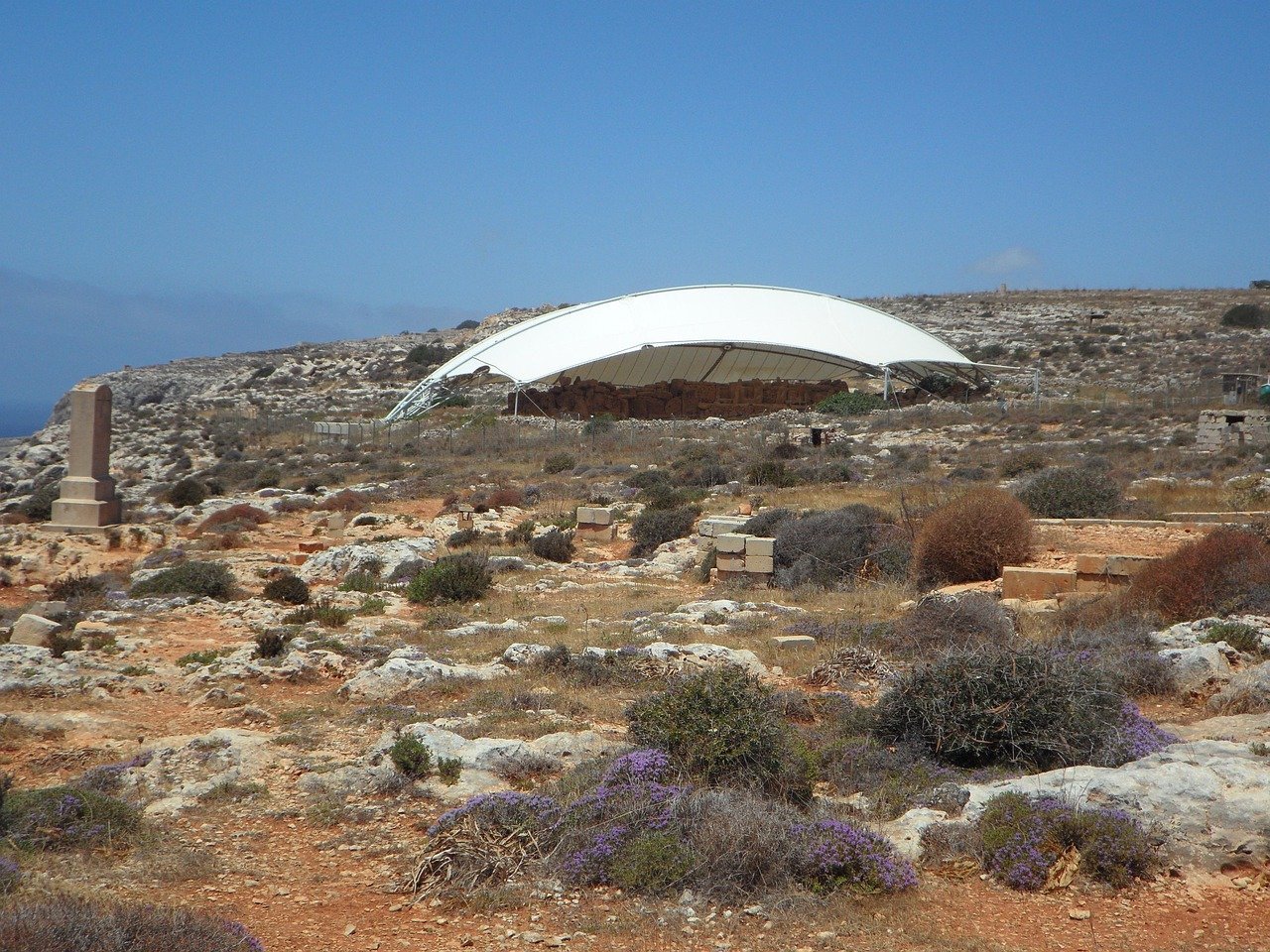
Researchers are investigating the subsurface archaeological features at the Saqqara necropolis using an integrated geophysical approach combining Seismic Refraction Tomography, Electrical Resistivity Tomography, and Ground Penetrating Radar. The aim is to identify potential buried structures, including tombs and burial chambers, within this historically significant site. It is almost poetic: we now use sound waves and radar signals to find portals ancient Egyptians built for the soul.
The integrated dataset has already identified anomalous structures at depths of 2 to 4 meters, including potential chambers, walls, and enclosed spaces resembling rooms. These findings enhance understanding of Saqqara’s archaeological landscape and highlight the effectiveness of integrated geophysical surveys in heritage exploration.
Renowned Egyptologist Zahi Hawass has claimed that a new archaeological discovery inside the Great Pyramid of Giza “will rewrite history” and will be announced to the world in 2026. He added that this great discovery is “a new 30-meter-long passageway, detected using advanced equipment, which ends at a door that will rewrite a chapter in the history of the pharaohs.” Another door. It is almost as if the ancients left them everywhere on purpose.
Doorways for the Dead and the Question of Parallel Realms
The Egyptians viewed death as a vital transition rather than an end, with the afterlife representing an opportunity for rebirth and eternal happiness. Integral to this belief system was the notion of the soul being separate from the body, which could navigate the underworld after death. A person’s moral conduct during their lifetime, coupled with proper funerary practices, was crucial to ensuring a safe passage to the afterlife.
Perhaps more fascinating is the connection between ancient Egyptian beliefs and contemporary accounts of near-death experiences and out-of-body experiences. Individuals who have undergone such experiences frequently describe leaving the body, observing events from above, or encountering an ethereal presence or double. These descriptions bear a curious resemblance to the roles of the Ba and Ka – a mobile spirit and a spiritual twin. It is hard to say for sure, but the structural similarity between these ancient beliefs and modern experiential accounts is striking enough to make you pause.
For decades, tombs have been understood primarily as static sites, essentially graves. Discoveries like this are pushing scholars to reconsider them as active places: performance stages, power symbols, spiritual circuits. There is also renewed speculation that more doors like this could be buried nearby. While the language, symbols, and cosmologies differ, the fundamental human yearning to understand consciousness, death, and what lies beyond has remained remarkably consistent across millennia.
A 4,400-year-old door that leads nowhere. Or perhaps leads everywhere. The ancient Egyptians did not build the false door as a metaphor. They built it as infrastructure. And maybe the most unsettling thing this discovery asks of us is this: what if they were right?
What do you think – is this just extraordinary archaeology, or does it point to something deeper about human consciousness and what lies beyond? Drop your thoughts in the comments.