


Most of us picture the ancient world as a blur of mud huts, wandering tribes, and people grunting at each other around a campfire. Honestly, that image is almost embarrassingly wrong. Archaeologists and researchers have been quietly rewriting the entire story of early human civilization, and the discoveries coming out of Turkey, Pakistan, Jordan, and beyond are genuinely astonishing. These weren’t just “early settlements.” They were organized, socially complex, architecturally planned communities that show signs of systems we typically associate with far more recent cultures.
What if the gap between ancient humans and us is far, far narrower than we assumed? Let’s dive in.
Çatalhöyük: The 9,000-Year-Old Proto-City With No Streets

Here’s the thing that stops you cold when you first hear it: Çatalhöyük is a very large Neolithic and Chalcolithic proto-city settlement in southern Anatolia that existed from approximately 7500 BC to 5600 BC and flourished around 7000 BC. That’s not a typo. This settlement was thriving roughly nine millennia ago, long before the empires we typically call “ancient.”
The house clusters of Çatalhöyük were characterized by their streetless neighborhoods, dwellings with roof access, and house types representing a highly circumscribed distribution of activity areas. The comparable sizes of the dwellings throughout the city illustrate an early type of urban layout based on community and egalitarian ideals. Think about that. No streets, no hierarchy built into the architecture. Everyone entered through the roof, like a giant, organized beehive.
One of the world’s earliest known urban settlements, Catalhoyuk in central Türkiye was included in the list of the 10 most important archaeological discoveries of 2025 by Archaeology Magazine. Catalhoyuk was highlighted for the way its long-running research continues to reshape how archaeologists understand Neolithic life, social organization, and early farming communities. Even in 2025, this site is still actively changing what we know.
Urban Planning Without Urban Planners
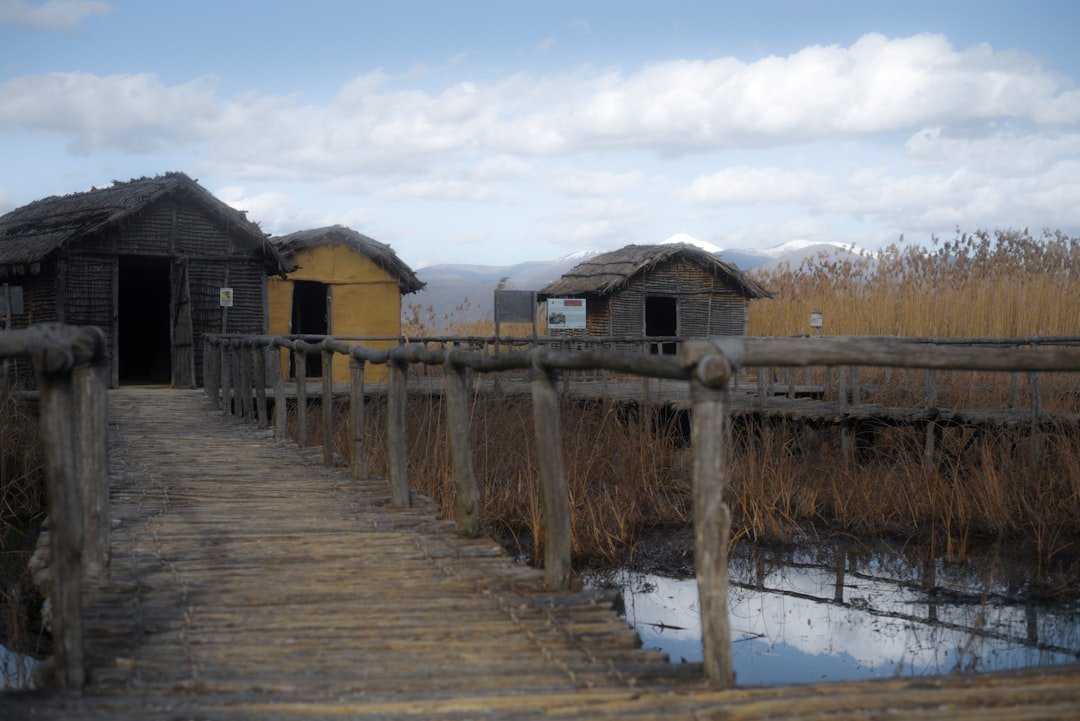
Excavations of the Eastern tell at Çatalhöyük have revealed 18 levels of Neolithic occupation dating from 7,400 to 6,200 BC that have provided unique evidence of the evolution of prehistoric social organisation and cultural practices, illuminating the early adaptation of humans to sedentary life and agriculture. Eighteen distinct layers. This wasn’t a camp. It was a living, evolving city.
With the establishment of permanent settlements and the rise of agricultural economies, architectural shapes became more standardized, and buildings grew increasingly uniform. This shift likely marked the beginning of standardized construction practices tied to changes in social organization, demographics, and economic strategies. A new study published in Archaeological Research in Asia used computational tools to confirm this, overturning older, oversimplified views about how early buildings evolved.
The study utilized a digital approach to examine the two-dimensional morphology of nearly 120 structures from 23 archaeological sites across the Mediterranean region and Jordan Valley. Using advanced computational tools, the researchers discovered a wealth of variability and ingenuity in early architectural forms. Right-angled structures, previously thought to be characteristic of later architectural phases, were identified as early as the Natufian period. In other words, sophisticated building design is older than anyone had previously dared to claim.
Göbekli Tepe: When Religion Built Cities Before Farming Did

I know it sounds crazy, but some of the most sophisticated ancient structures in the world were built before agriculture even existed. The discovery of Göbekli Tepe in Turkey upended long-held ideas and suggested people started to settle in order to be near religious monuments. That completely flips the traditional model of “farm first, settle second.”
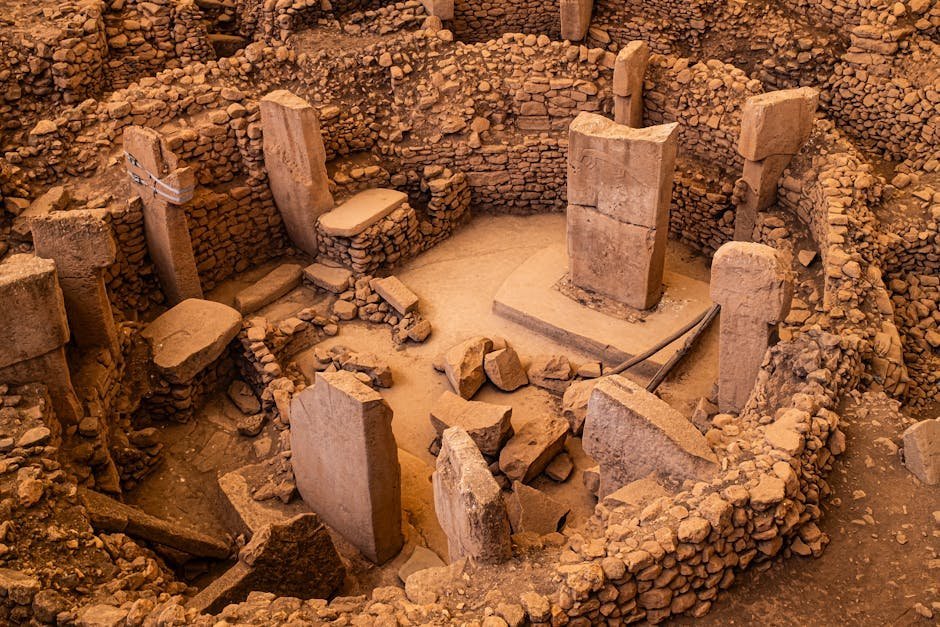
Located in the Germuş mountains of south-eastern Anatolia, Göbekli Tepe presents monumental round-oval and rectangular megalithic structures erected by hunter-gatherers in the Pre-Pottery Neolithic age between 9,600 and 8,200 BCE. These monuments were probably used in connection with rituals, most likely of a funerary nature. Distinctive T-shaped pillars are carved with images of wild animals, providing insight into the way of life and beliefs of people living in Upper Mesopotamia about 11,500 years ago.
Recent findings suggest a settlement at Göbekli Tepe with domestic structures, extensive cereal processing, a water supply, and tools associated with daily life. This contrasts with a previous interpretation of the site as a sanctuary used by nomads, with few or no permanent inhabitants. The site was far more than a pilgrimage spot. It was, in every meaningful sense, a community.
Jericho: The First Walled City on Earth
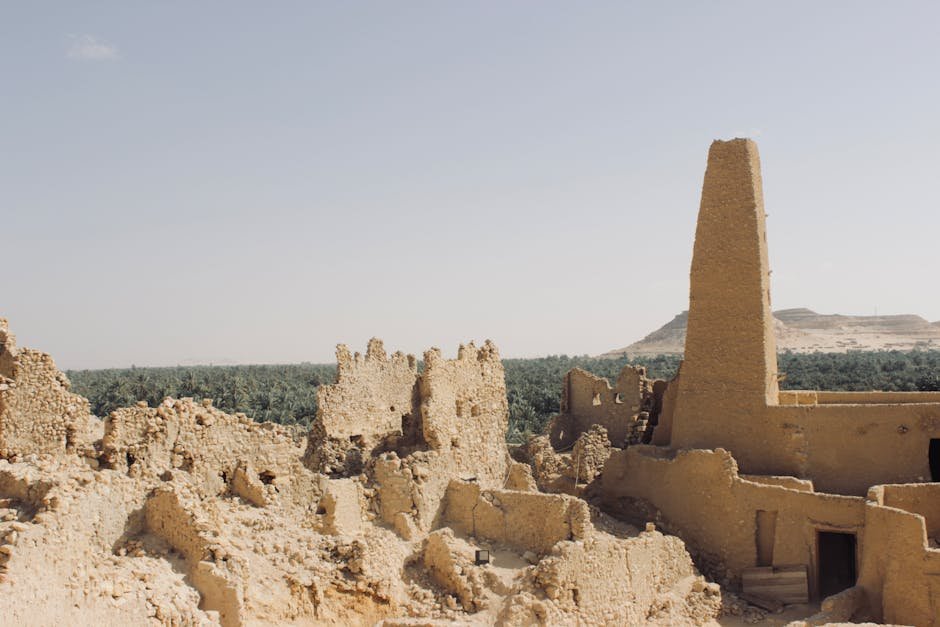
Most people know Jericho from the Bible. Fewer people realize just how staggeringly old it actually is. Jericho, located in the Jordan Valley of the modern-day West Bank, is widely regarded as one of the oldest urban settlements in the world. Archaeological evidence at the site of Tell es-Sultan dates continuous habitation back to approximately 9,000 BCE.
It is believed that Jericho was the first walled settlement and city in the world. The scale of organization required to conceive and build defensive walls thousands of years before recorded history is breathtaking. Around 9000 BC during the Pre-Pottery Neolithic A period, one of the world’s first towns, Jericho, appeared in the Levant. It was surrounded by a stone wall, may have contained a population of up to 2,000 to 3,000 people, and contained a massive stone tower.
On Tell es-Sultan, research has shown over 20 successive strata of settlements. Twenty layers of civilization piled on top of each other. That’s not a temporary settlement. That’s a city with deep, deliberate, multigenerational roots.
Mehrgarh: The South Asian Settlement That Rewrote Agricultural History
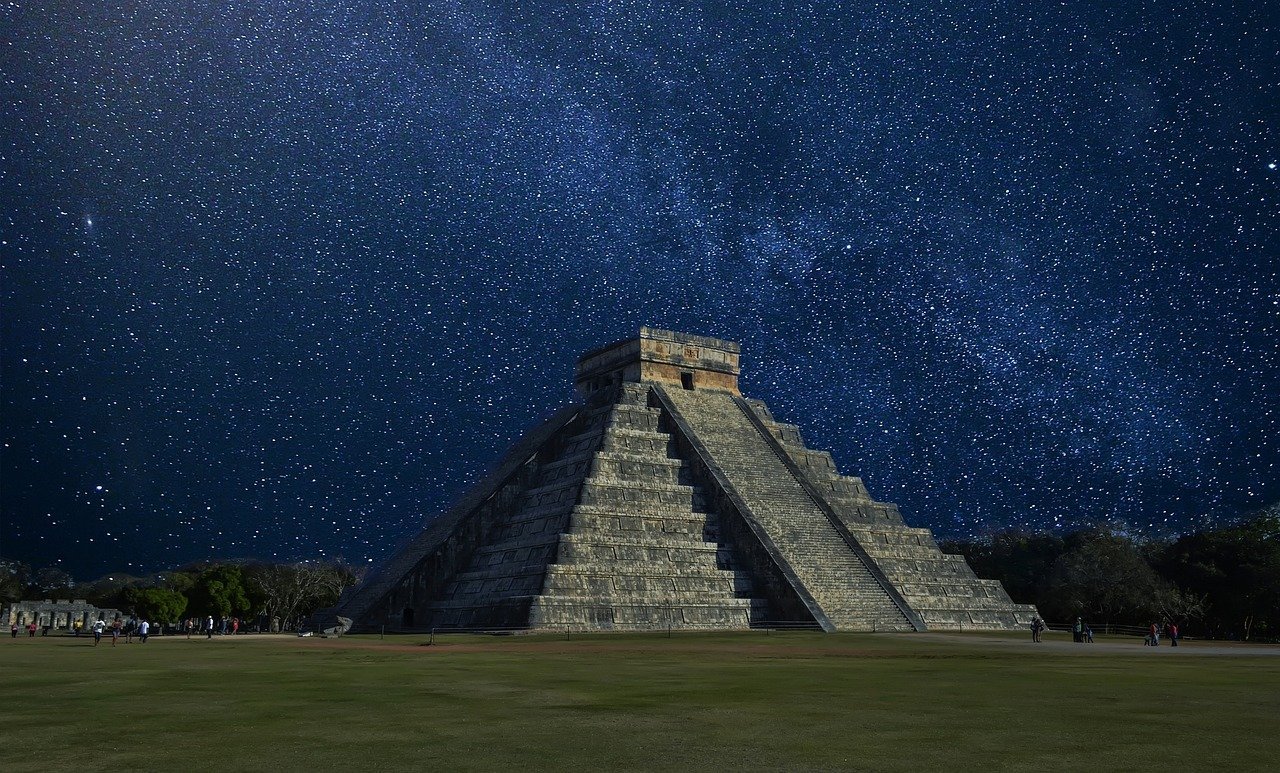
Tucked into the dry plains of modern Pakistan is a site that quietly blew apart the conventional narrative of South Asian civilization. The earliest evidence of agriculture in South Asia has been found at the Neolithic settlement of Mehrgarh, situated in modern Pakistan to the north and west of the Indus River. As early as 7000 BCE, the people of this community were farming barley and raising goats and sheep. A few thousand years later they began domesticating cotton.
The structures of the settlement itself were made of dried mud bricks, with homes designed in a rectangular shape and divided into four parts. The people of Mehrgarh included skilled artisans capable of using sea shells, sandstone, and the rich blue lapis lazuli. Many of these materials came from great distances away, indicating that the settlement engaged in some type of long-distance trade. Long-distance trade networks. At 7000 BCE. Let that sink in.
Archaeologists at Mehrgarh have discovered granaries, storage pits, and grinding stones, indicating the processing and storage of crops. The presence of farming tools such as sickles and stone blades further supports evidence of organized agriculture. This wasn’t random subsistence farming. It was organized, systematic food production with dedicated infrastructure.
The Granary Revolution: Ancient Food Storage That Fed Civilizations
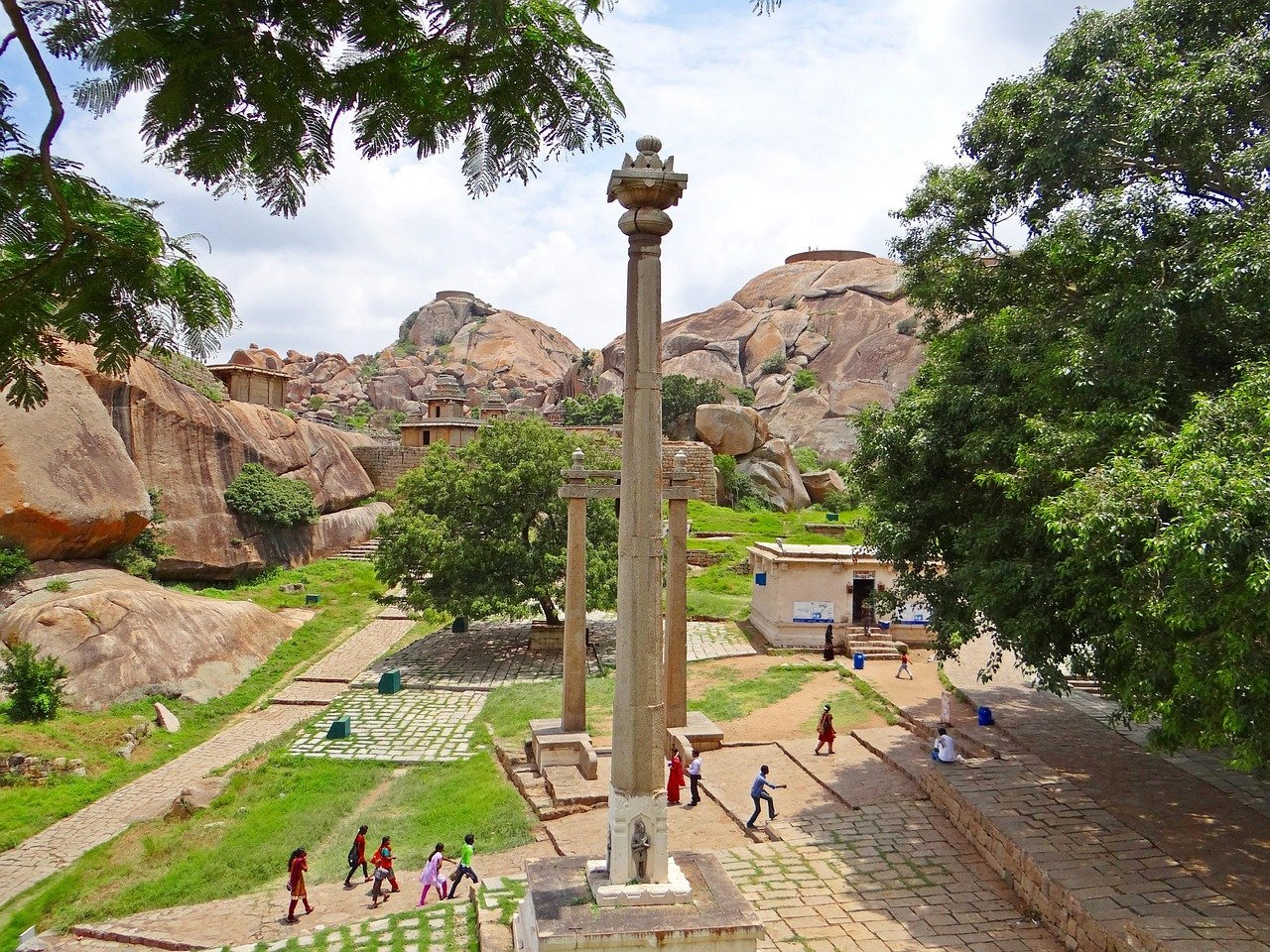
Here’s a concept that tends to get overlooked in popular accounts of the Neolithic: the emergence of deliberate, engineered food storage was arguably just as revolutionary as farming itself. Recent excavations at Dhra near the Dead Sea in Jordan provide strong evidence for sophisticated, purpose-built granaries in a predomestication context approximately 11,300 to 11,175 years ago. They were designed with suspended floors for air circulation and protection from rodents, and were located between residential structures that contained plant-processing installations.
Suspended floors for rodent protection. These people were solving the same kinds of logistical problems a modern warehouse engineer would face. The granaries represent a critical evolutionary shift in the relationship between people and plant foods, which precedes the emergence of domestication and large-scale sedentary communities by at least 1,000 years.
The remarkably well-preserved granaries at Dhra and evidence from other sites shows that people developed a simple, but effective storage technology that allowed the accumulation of a significant food surplus based on the intensive collection and the cultivation of select wild plants. A food surplus is, essentially, the economic foundation of all civilization. These ancient people understood that intuitively.
Communal Architecture: The Neolithic “Town Hall”
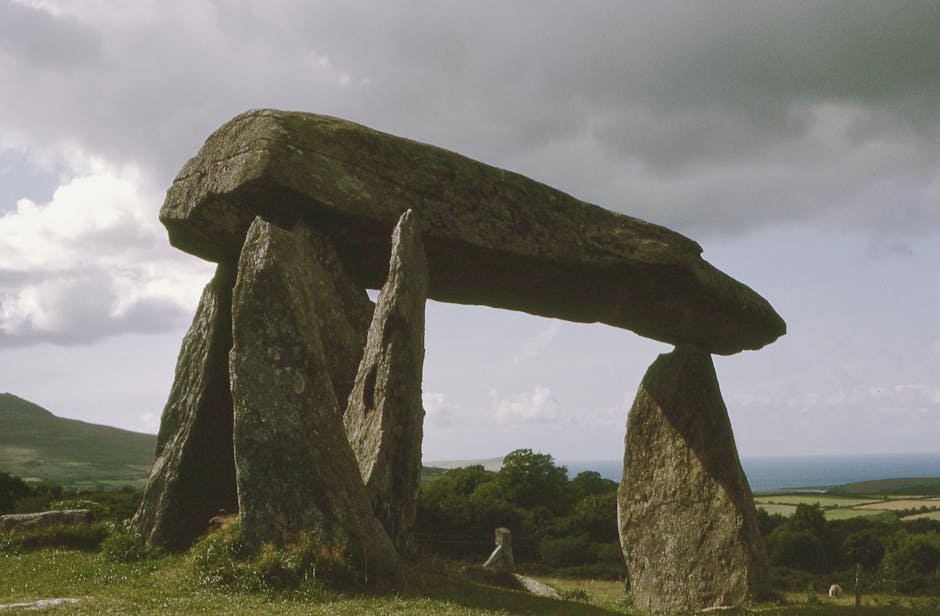
One of the most quietly remarkable revelations of modern archaeology is that Neolithic settlements weren’t just clusters of homes. They had dedicated communal spaces, built with intentional design and shared purpose. Archaeologist Necmi Karul has noted that in the Taş Tepeler region of Anatolia, there are numerous structures designated for specific public or ritual purposes, and that the most important aspect of public buildings is that they represent new social institutions because they brought together different families and different segments of the community for a common purpose.
At Karahantepe, the team has already unearthed four special structures named AA, AB, AC, and AD. Their plans are distinct from each other and were designed and constructed simultaneously, indicating that each had a separate purpose. They were likely constructed with communal consent and served functions relevant to the general community. Separate-purpose buildings, built simultaneously, by collective agreement. That sounds remarkably modern.
Where farming was once thought to have spurred permanent settlement, it is now well accepted that hunter-gatherers were living in at least semipermanent settlements long before agriculture became the dominant way of life. These people were also building monumental structures that archaeologists believe are evidence of changing social norms, rituals, and institutions. The social contract, it turns out, is very, very old.
A DNA Surprise: What Genetics Reveals About Neolithic Social Structure
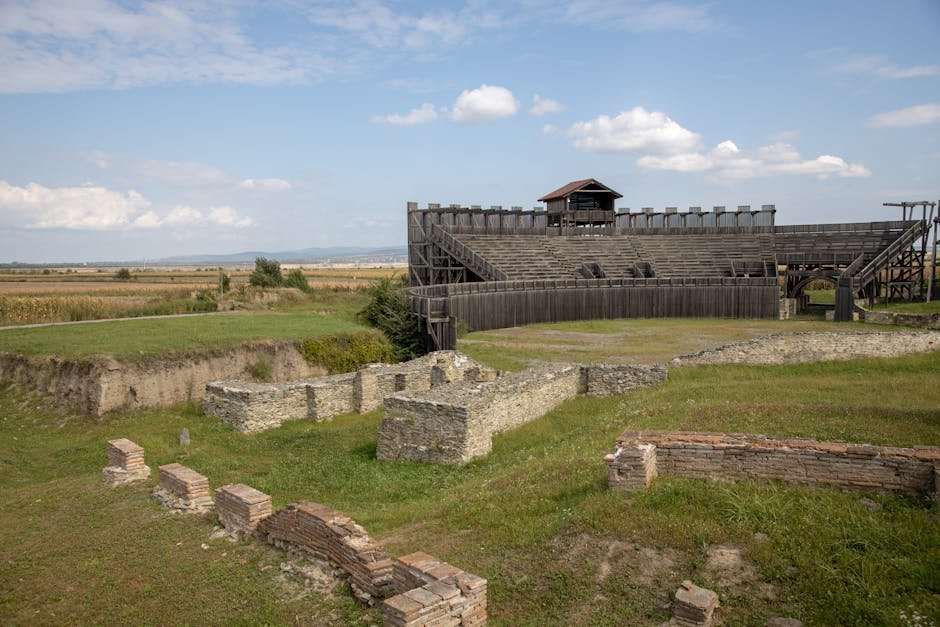
It’s hard to say for sure what daily social life looked like 9,000 years ago. Luckily, we now have tools that go far beyond stone and pottery. Recent genetic research has shed light on the social structure of Çatalhöyük, a large Neolithic settlement in the center of Turkey that flourished over 9,000 years ago. A study published in Science confirms long-standing speculations that women were at the center of this ancient society.
Genetic studies published during 2025 indicate that the social organization at Çatalhöyük began with a culture organized along matrilocality and matrilineality, and that the households passed from mother to daughter. This is a landmark finding. It means property and household identity were transmitted through female lineages in one of humanity’s earliest large settlements.
Extensive research shows very limited provable differences between the lives of women and men at the Neolithic settlement. Rather than a rigid patriarchy or matriarchy, the evidence paints a picture of something more nuanced and, honestly, more interesting than either.
Water, Climate, and the Intelligence of Neolithic Settlement Choices
Let’s be real: choosing where to build a city is one of the most consequential decisions any group of people can make. Ancient Neolithic communities made that decision with a sophistication that continues to surprise researchers. What made Jericho remarkable was not just its age but its level of sophistication for the time. The settlement developed near the Ein es-Sultan spring, which provided a reliable water source even during harsh climatic periods.
The prehistoric village of Göbekli Tepe acquired drinking water through a rainwater harvesting system, consisting of carved channels that fed several cisterns carved into the bedrock under the site, which could hold at least 150 cubic metres of water. Carved cisterns. Underground water management. This is not primitive behavior.
In the first millennia of the Holocene, human communities in the Fertile Crescent experienced drastic cultural and technological transformations that modified social and human-environment interactions, ultimately leading to the rise of complex societies. Climate was both a challenge and a driver, and Neolithic peoples adapted to it with a resilience that built the foundations of everything that came after.
Interconnected Settlements: The Neolithic Was Not Isolated
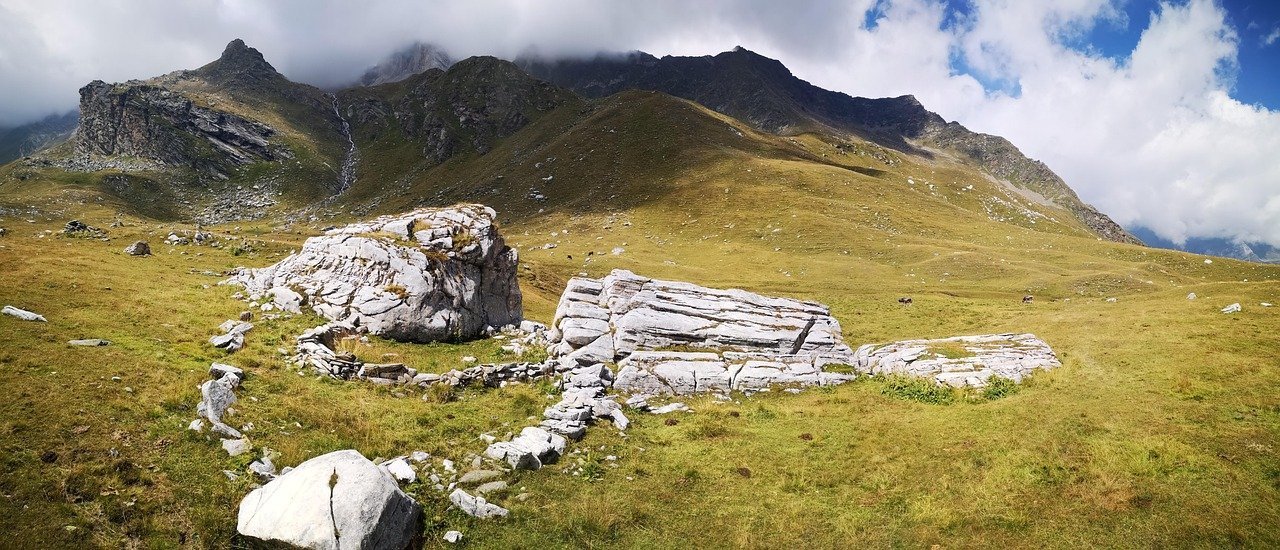
Perhaps the biggest myth about Neolithic people is that their settlements existed in isolation, cut off from the wider world. The archaeological evidence tells a very different story. The imagery found at Göbekli Tepe, adorning T-pillars and some small finds, is also found at contemporaneous sites in the Upper Mesopotamian region, testifying to a close social network in this core region of Neolithisation.
Cultivating large areas of land and erecting monumental works of art required a level of labour that small groups of nomadic hunter-gatherers could hardly have achieved on their own. Modern scientists therefore assume that the period was marked by the establishment of cross-group organizations. Small communities that had previously lived autonomously decided instead to cooperate, forming first alliances, some of which may have decided to settle down and build permanent villages close to their agricultural lands.
It was the excavations at Çatalhöyük that revolutionized our understanding, as they revealed the existence of a large Neolithic settlement outside the supposed cradle of civilization in the Near East. It is now known that Çatalhöyük is not an exception, but is actually a part of a vast network of Neolithic settlements in Anatolia. A vast network. Not isolated villages. A connected civilization, operating across vast distances, thousands of years before written history.
Conclusion: The Ancient World Was Smarter Than We Gave It Credit For
Every decade, archaeology chips away at the comfortable assumption that sophistication is a modern invention. The people who built Çatalhöyük, Jericho, Göbekli Tepe, and Mehrgarh weren’t stumbling blindly toward civilization. They were actively, intentionally constructing it. They engineered water systems, planned communal buildings, stored food surpluses with ventilated floors, engaged in long-distance trade, and organized societies around inherited households. Their architecture was standardized. Their social networks were wide.
The Neolithic Revolution wasn’t just about farming. It was the wide-scale transition of many human cultures from the egalitarian lifestyle of nomadic and semi-nomadic hunter-gatherers to one of agriculture, settlement, establishment of cross-group organisations, population growth, and increasing social differentiation. That is, by any reasonable measure, the birth of complex civilization.
What’s still being uncovered today, in 2025 and beyond, suggests we’ve barely scratched the surface. Generations of researchers dismissed these early peoples as simple. The evidence increasingly shows they were anything but. What do you think early civilization will reveal next? Share your thoughts in the comments below.