
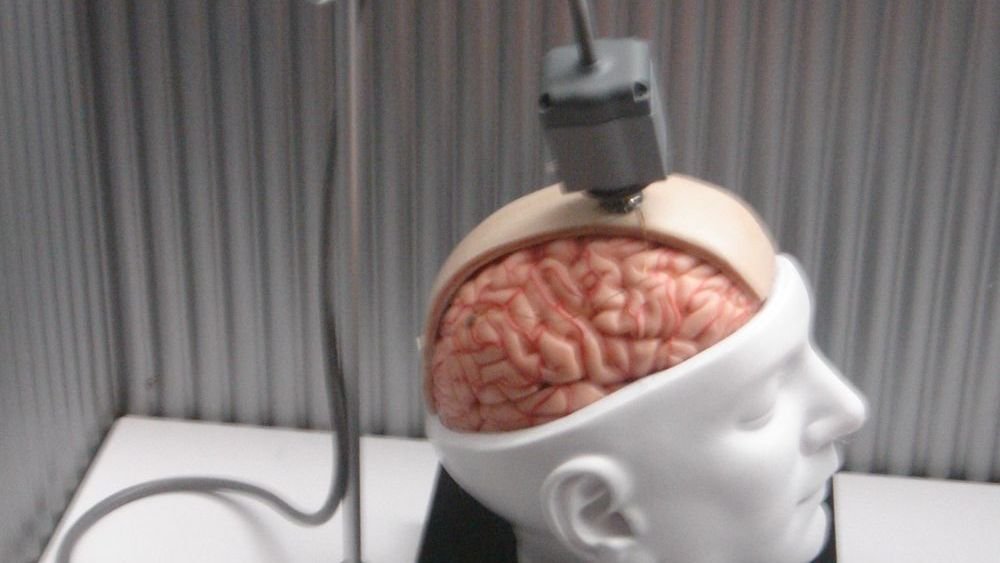

Imagine a world where the boundary between your thoughts and your devices simply ceases to exist. No keyboard. No touchscreen. Just your brain, quietly firing its signals, and a machine listening with extraordinary precision. It sounds like something ripped from a science fiction novel, yet right now, in hospitals and research labs across the country, this is actually happening.
Brain-computer interfaces, or BCIs, have crossed from the realm of theory into lived human experience. The progress made between 2023 and 2025 alone has been nothing short of breathtaking. If you haven’t been following this space closely, get ready to be surprised by just how far things have come. Let’s dive in.
The First Human Chip: Neuralink Makes History
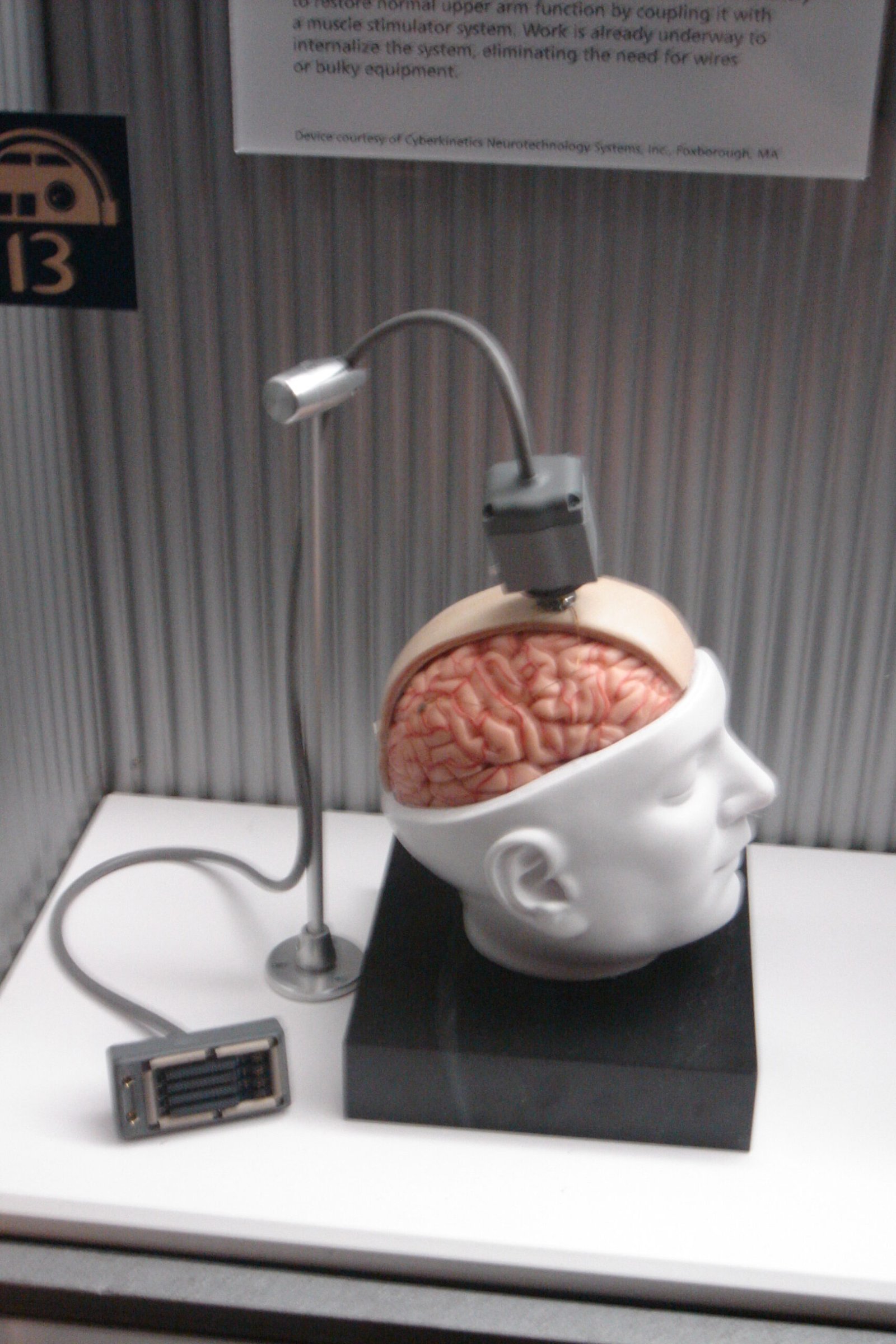
Few moments in modern neuroscience have felt as significant as January 29, 2024. Elon Musk announced that Neuralink had successfully implanted a device in a human for the first time, and the patient was later identified as Noland Arbaugh. Arbaugh, paralyzed below the shoulders following a diving accident, became the face of a technology that millions of people had only read about in headlines.
Arbaugh received Neuralink’s N1 implant, which uses 64 flexible threads carrying 1,024 electrodes to record neural activity in the motor cortex and translate intended movement into computer control. Honestly, the sheer engineering behind something that small is staggering to think about. Think of it like fitting a sophisticated recording studio inside something you could barely see with the naked eye.
On March 20, 2024, Neuralink released a livestream showing Arbaugh moving a computer cursor and playing online chess using the implant, and he also said the device had allowed him to resume playing Civilization VI and other video games. For someone who once relied entirely on caregivers for basic digital tasks, that was nothing short of life-changing.
Not Without Complications: The Thread Retraction Problem

Here’s the thing though: nothing this ambitious ever goes perfectly. About a month after surgery, some of the implant’s threads retracted from Arbaugh’s brain, reducing the number of effective electrodes and degrading performance, with Neuralink telling him that only about 15% of the implanted threads remained in place. That’s a sobering number, and it understandably raised alarm among scientists watching the trial.
Arbaugh said the prospect of losing the device’s benefits was emotionally difficult and that he feared the implant might have to be removed, but Neuralink said software modifications improved performance, and by July 2024, the threads had become stable, and Neuralink had changed surgical techniques for later implants. It’s a reminder that even groundbreaking technology is still deeply imperfect at its earliest stages.
Over the past year, three people with paralysis have received Neuralink implants. The company is learning fast, iterating with each procedure, and the surgical approach continues to evolve. I think that pace of learning is actually one of the most underappreciated parts of this story.
Stanford Breaks the Speed Limit for Brain-Based Communication
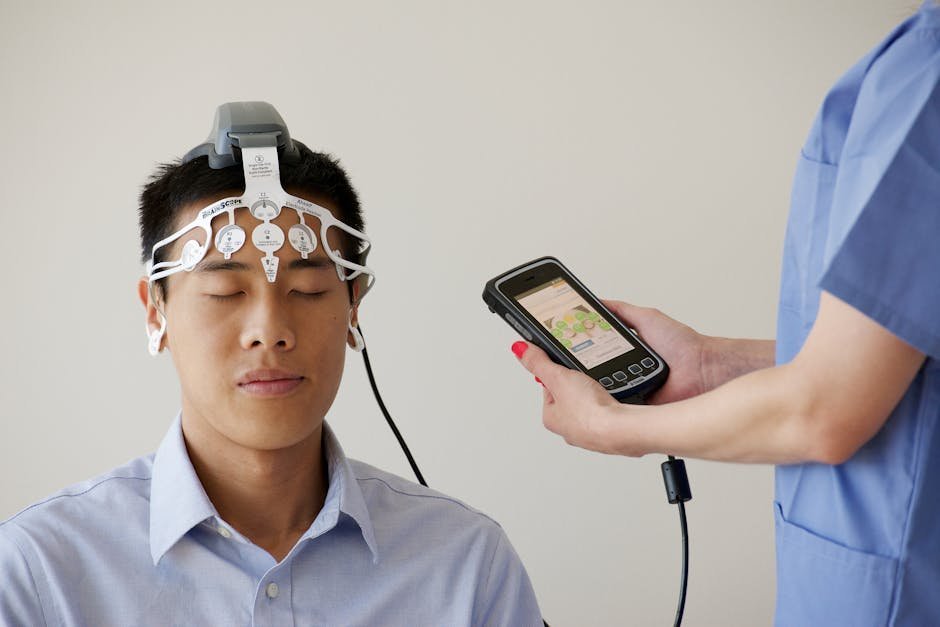
While Neuralink was grabbing headlines, researchers at Stanford University were quietly doing something equally jaw-dropping. After four months of training sessions, one ALS patient’s attempted utterances were being converted into words on a computer screen at 62 words per minute, more than three times as fast as the previous record for BCI-assisted communication. To put that in perspective, that’s faster than most people type on a smartphone keyboard.
A team decoded her guttural utterances into text at the rate of 62 words per minute with better than 75 percent accuracy, according to a study published in Nature. The research was published as a landmark paper and drew immediate international attention. Bennett’s pace begins to approach the roughly 160-word-per-minute rate of natural conversation among English speakers. We’re not there yet, but the gap is closing faster than many expected.
UCSF Takes It Even Further: A Digital Voice From Silence
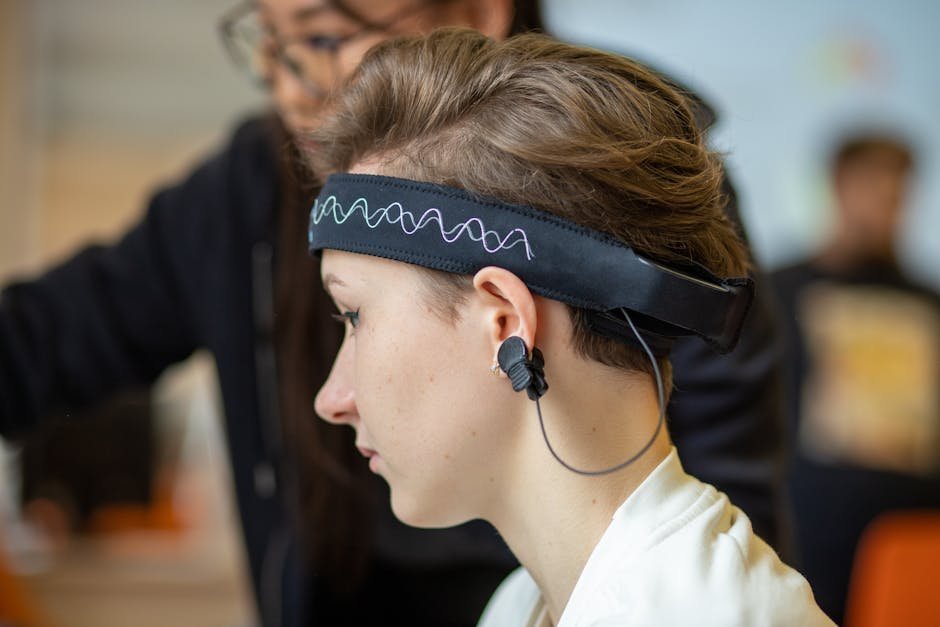
Stanford’s record didn’t stand alone for long. Researchers at the University of California San Francisco pushed the frontier even further with their own parallel research. In August 2023, researchers from UC Berkeley and UC San Francisco announced the development of a BCI that enables a woman with severe paralysis caused by a brainstem stroke to communicate via a digital avatar, marking the first instance of synthesizing speech or facial expressions directly from brain signals, and the system could decode signals into text at nearly 80 words per minute.
The UC San Francisco team targeted brain areas involved with the movements of the vocal tract, picking up the participant’s intended movements of her lips, tongue, and jaw, and the woman achieved an output rate of 78 words per minute, more than four times as fast as the previous record, while UCSF’s system is also able to reconstruct the user’s speech in both text and audio. Hearing someone’s voice reconstructed in real time from pure neural signals is, without exaggeration, one of the most emotionally powerful demonstrations in the history of neuroscience.
It’s hard to say for sure where this will lead in the next five years, but if the current rate of improvement continues, natural-speed brain-to-speech communication may arrive sooner than anyone thought possible.
Synchron: The Less Invasive Road Less Travelled
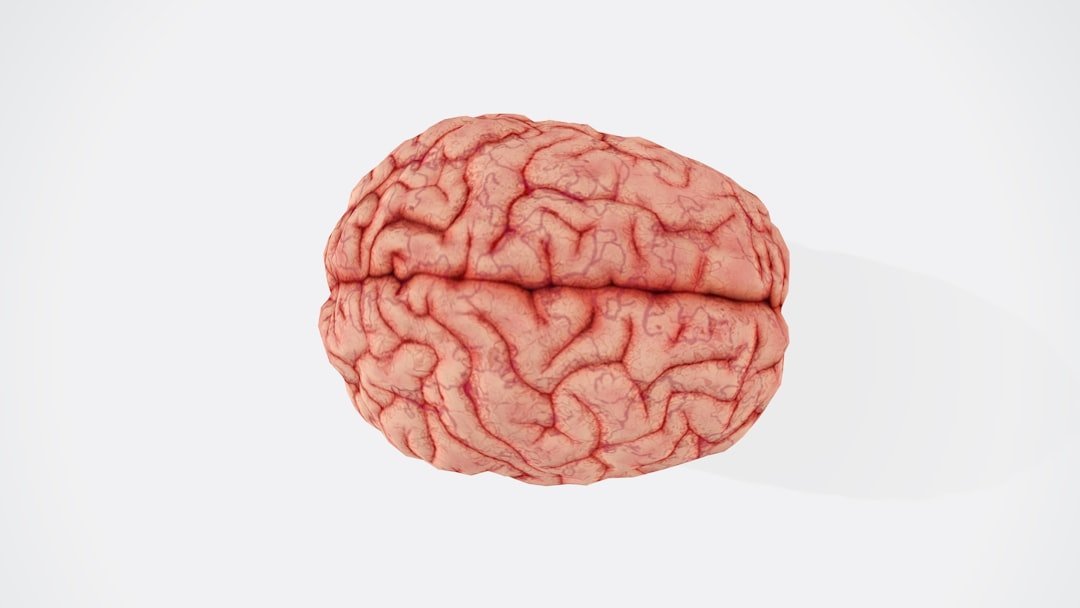
Not everyone believes you need to drill into the skull to read the brain. Synchron, a New York-based company, has been quietly building a compelling alternative. The Synchron BCI is implanted in the blood vessel on the surface of the motor cortex of the brain via the jugular vein, through a minimally invasive endovascular procedure, and once implanted, it is designed to detect and wirelessly transmit motor intent out of the brain, restoring the capability for severely paralyzed people to control personal devices with hands-free point-and-click.
In October 2024, Synchron announced positive results from the COMMAND early feasibility study, evaluating the safety and efficacy of its brain-computer interface called the Stentrode in six patients over a 12-month period. All six patients successfully met the primary endpoint of no device-related serious adverse events resulting in death or permanent increased disability, and patients had no serious adverse events related to the brain or vasculature during the 12-month period.
A patient in the United States who had received the Synchron brain-computer interface implant successfully used Amazon Alexa virtual assistant technology in September 2024, marking the first demonstration of the BCI with this system, and Synchron stated it is evaluating the integration of its neurotechnology with Alexa to expand the possibilities for smart-home automation. Controlling your entire home with your thoughts alone. Let’s be real, that’s not science fiction anymore.
A Booming Market With Billions on the Line

All of this innovation isn’t happening in a vacuum. There is serious money flowing into this space, and it’s accelerating. The brain-computer interface market size was valued at roughly $2.23 billion in 2023 and is expected to reach $8.36 billion by 2032, growing at a compound annual rate of nearly 16 percent over the forecast period. Those aren’t trivial numbers.
Market revenues are projected at roughly $2.35 billion in 2024, rising to approximately $2.82 billion in 2025, with growth expected to continue reaching an estimated $3.32 billion in 2026. Meanwhile, neurotechnology as a broader category has attracted the attention of major global institutions and forecasters, with potential economic impacts from BCIs alone estimated in the tens of billions annually by the end of this decade.
The U.S. Defense Advanced Research Projects Agency invests millions in BCI projects annually, driving the BCI research agenda. When the military sees strategic value in a technology, it tends to accelerate timelines dramatically. This field is no longer just a medical curiosity. It has become a geopolitical and economic priority.
Restoring Movement Through the Spine: BCIs Beyond the Brain
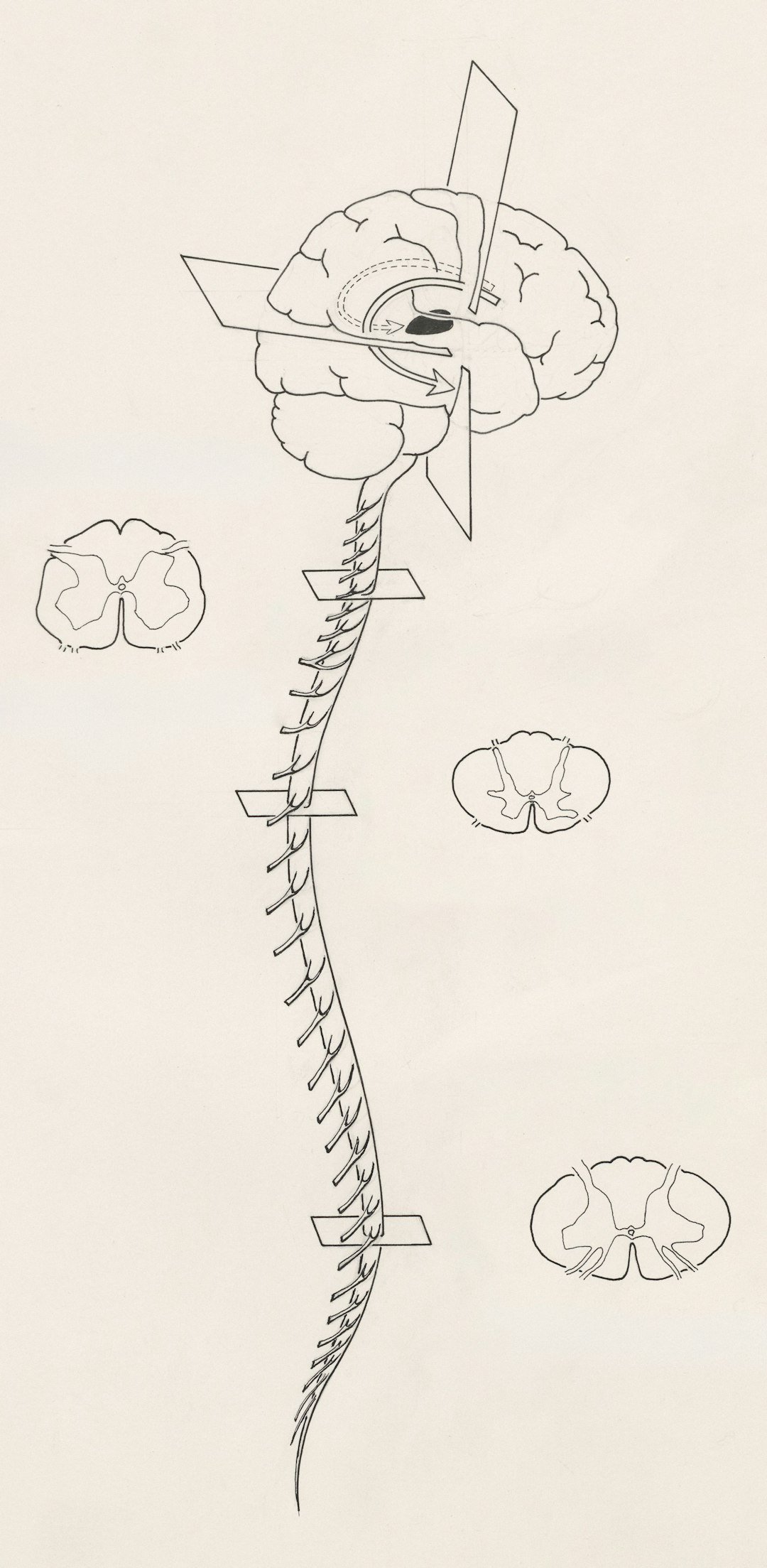
The story of BCIs isn’t limited to communication and computer control. Some of the most emotionally resonant research involves restoring physical movement to people with spinal cord injuries. The idea is simple to describe but staggering in practice: use a brain implant to reroute neural commands around a damaged spine, reconnecting intention directly to muscle.
This technology uses electronic implants to decode brain activity and transmit it to computers, and researchers hope BCI devices will be able to help restore function in people with paralysis and other debilitating conditions. Real-world trials have already demonstrated that this concept works in practice, not just on paper. Neuralink is working to refine robotic limb control, currently building closed-loop systems where the brain not only sends commands but also receives feedback like touch or pressure, mimicking natural movement.
Think of it like a detour on a highway. The original road is blocked, so engineers build a bypass. The destination remains the same but the route changes completely. That’s essentially what these systems do for the nervous system.
The Ethics Question Nobody Wants to Ignore
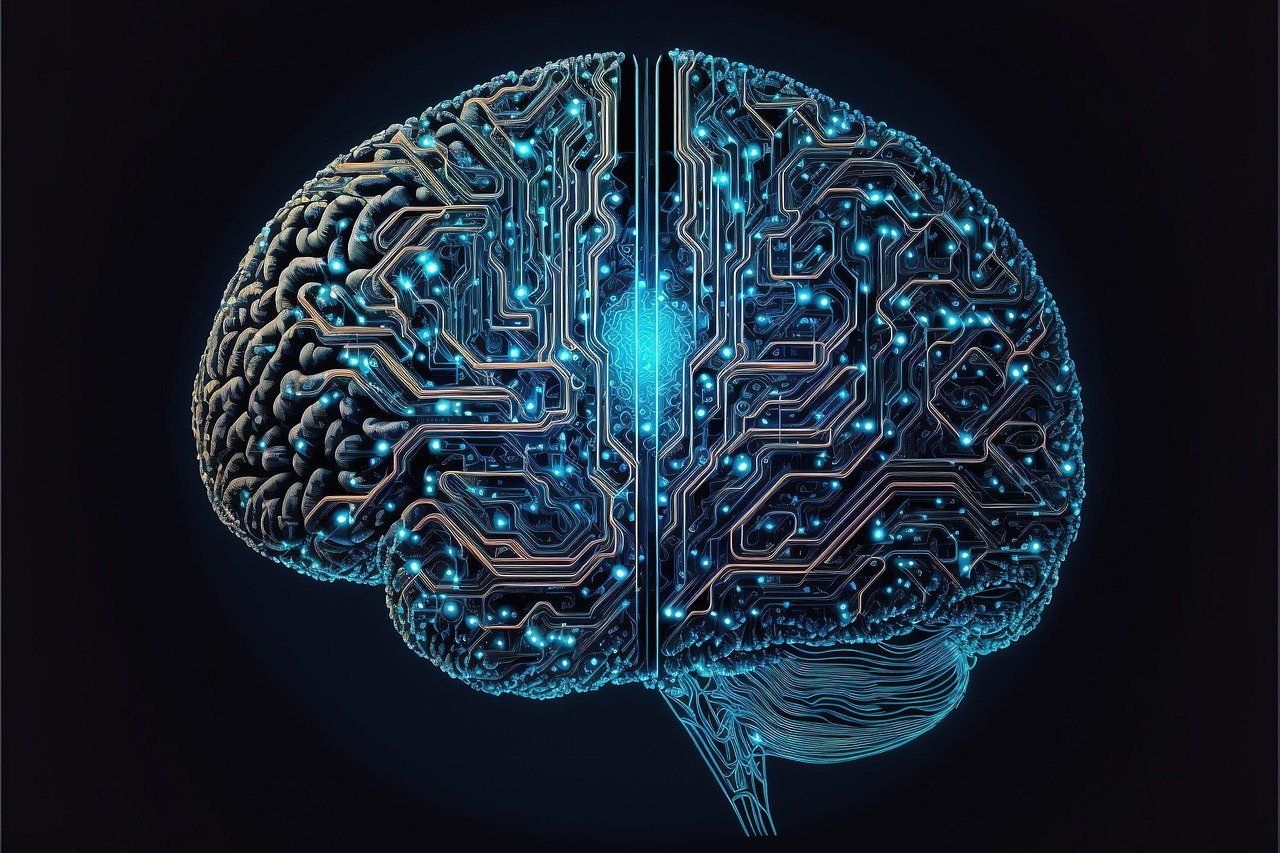
Of course, with this kind of power over the human mind comes an enormous weight of responsibility. And this is where the conversation gets genuinely complicated. Key challenges include high production costs of BCI devices, regulatory barriers imposed by the FDA, ethical concerns related to brain data privacy, and limited technical expertise in developing advanced BCI systems. Brain data isn’t like a password you can reset if it gets stolen.
As BCIs become more advanced and widespread, ethical concerns related to privacy, confidentiality, and informed consent will increasingly develop, and in order for BCIs to be used responsibly, data protection and responsibility for their use will be key, requiring guidelines and regulations to be established to handle these challenges and protect user rights. The OECD and other international bodies have been working on frameworks for responsible neurotechnology use, though most experts agree that policy is still running well behind the pace of the technology itself.
China’s government launched a roadmap to achieve breakthroughs in BCI by 2027 and establish an internationally competitive industry by 2030, while China’s Ministry of Science and Technology released ethics guidelines for BCI research to clarify ethical norms and promote sustainable development. It’s encouraging that governments are paying attention, even if the frameworks remain incomplete. The questions being raised now, about who owns your neural data, whether your thoughts can be subpoenaed, or how to prevent manipulation through direct brain interfaces, are not distant hypotheticals. They are arriving fast.