


What if the secret to living past 100 was already sitting inside your first ten minutes after waking up? Not a fitness app. Not a supplement stack. Not a cold plunge. Something far quieter, far older, and honestly, far more surprising than any wellness trend currently clogging your social feed.
The world’s longest-lived communities have been studied for decades. Researchers call their home regions Blue Zones. And what they do each morning, before the rest of us have even grabbed our phones, reveals something genuinely remarkable about what a human life can be. Let’s dive in.
What Are Blue Zones and Why Should You Care?

In 2005, Dan Buettner, then a reporter for National Geographic, began studying regions around the world with unusually high concentrations of centenarians. He called them Blue Zones, a term that first appeared in an academic paper on longevity in Sardinia, Italy, published in 2004. These are not random pockets of lucky genetics. They are places where lifestyle, culture, community, and daily habits have quietly conspired to extend human life well beyond what most of us consider normal.
Across these areas, residents shared common practices including eating a mostly plant-based diet, having a clear sense of purpose, prioritizing relationships, and belonging to a faith or community. Buettner believed these behaviors could explain their longevity and declared them the Power Nine. I think that last part is the most interesting piece. It is not one secret. It is a whole cluster of small, repeated choices, many of which start at dawn.
They Wake Up With a Reason, Not an Alarm

Here is the thing that genuinely surprised me when I first read about this. In Blue Zones, people live with a sense of purpose. The Okinawans call it “ikigai” and the Nicoyans call it “plan de vida.” It is the reason they wake up in the morning, whether to care for grandchildren, tend a garden, or pursue a passion. This sense of purpose drives them to stay active, engaged, and motivated.
Understanding your purpose is a critical part of the culture in Blue Zones – knowing why you get up in the morning and what your responsibilities are. Blue Zone residents feel needed, and it helps them live longer. Research shows that when someone knows and can explain their sense of purpose, they have a notably lower risk of dying prematurely. That is not a soft, feel-good claim. That is biological. Purpose, it turns out, is physiological medicine.
Natural Movement Before the Day Begins

Forget the 5 a.m. CrossFit session. Blue Zone centenarians do not really “work out.” They just never stop moving. Research published in the Journal of Population Ageing found the world’s longest-lived people incorporate physical activity into the fabric of daily life, tending gardens, walking to neighbors’ homes, and doing housework by hand.
People in Blue Zones walk as their main source of transportation. In cities where commuting by foot is possible, this habit may already be part of the morning routine. For those who drive or work remotely, a short neighborhood walk is one way to weave in this longevity-supporting habit. Think of it like warming up a car engine on a cold morning. Gentle, consistent, and completely necessary.
According to the World Health Organization, people who are insufficiently active have a roughly 20 to 30 percent increased risk of death compared to people who are sufficiently active. The centenarians of Okinawa and Sardinia have simply been outpacing that risk for a lifetime, without ever stepping foot in a gym.
A Slow, Unhurried Start to the Morning

This one cuts against everything modern culture rewards. Speed. Hustle. Productivity. Mornings in Blue Zones are not rushed. Instead, people move slowly, giving themselves plenty of time to eat breakfast and spend time with loved ones before starting their workday.
Okinawans have a slower sense of time. Things do not always start on time, but they do get done eventually. They also have what researchers describe as stress-resistant personalities, and throughout history they have learned how to deal with tragedy and pain. That kind of psychological resilience is not accidental. It is the product of generations of unhurried morning practice. There is no hurry sickness in a house where no one is racing to be the first one done.
Herbal Tea, Coffee, and a Simple, Savory Breakfast

Blue Zone mornings do not start with sugary cereal or a processed energy drink. Sardinians, Ikarians, and Nicoyans start their days with a cup of coffee, lightly sweetened without cream. Okinawans, on the other hand, often begin with herbal teas steeped in tradition and medicinal history.
Dan Buettner identifies what he calls the five pillars of any longevity diet in the world: whole grains, greens or garden vegetables, tubers like sweet potatoes, nuts as a snack, and beans. About a cup of beans a day is associated with an extra four years of life expectancy. Many Blue Zone residents bring elements of this into their first meal. Another mindset of Blue Zone communities is routinely eating until they are about 80 percent full, with a larger breakfast and lunch and a smaller supper in the late afternoon or early evening. Honestly, that alone would reshape how most people eat.
Morning Connection: The Social Habit Most of Us Skip
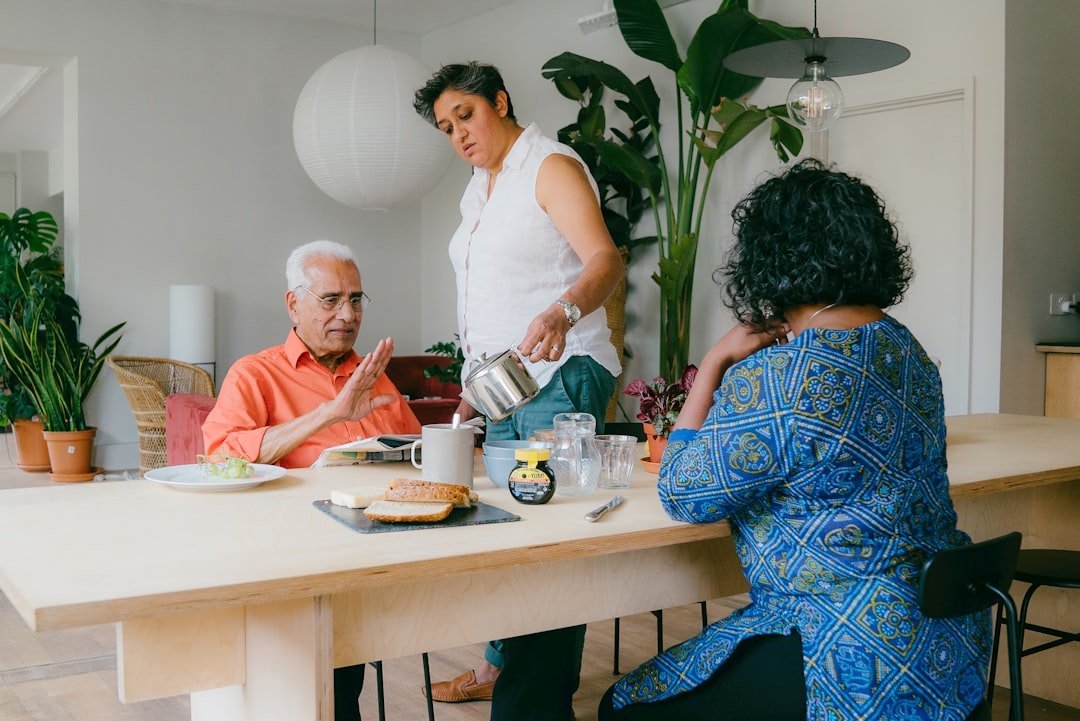
Let’s be real. Most of us spend the first ten minutes of our day scrolling alone in bed. Blue Zone elders do something almost shockingly different. Scientific studies confirm that social relationships play an important role in longevity. One way to start the day in the Blue Zone tradition is to have breakfast together with family, as an opportunity to talk about the upcoming day. For those who live alone, calling or texting a friend or family member in the morning can offer similar benefits.
Harvard’s long-running study on adult development concluded that social connection is the biggest predictor of happiness and longevity. Social isolation is associated with a notably increased risk of heart disease and stroke. The Okinawan tradition of “moai,” small groups of lifelong friends who meet regularly for support and companionship, often begins first thing in the morning. This tradition of forming a moai provides secure social networks that offer both financial and emotional support in times of need, giving all members the stress-shedding security of knowing someone is always there for them.
Stress Downshifting: The 10-Minute Reset No One Talks About
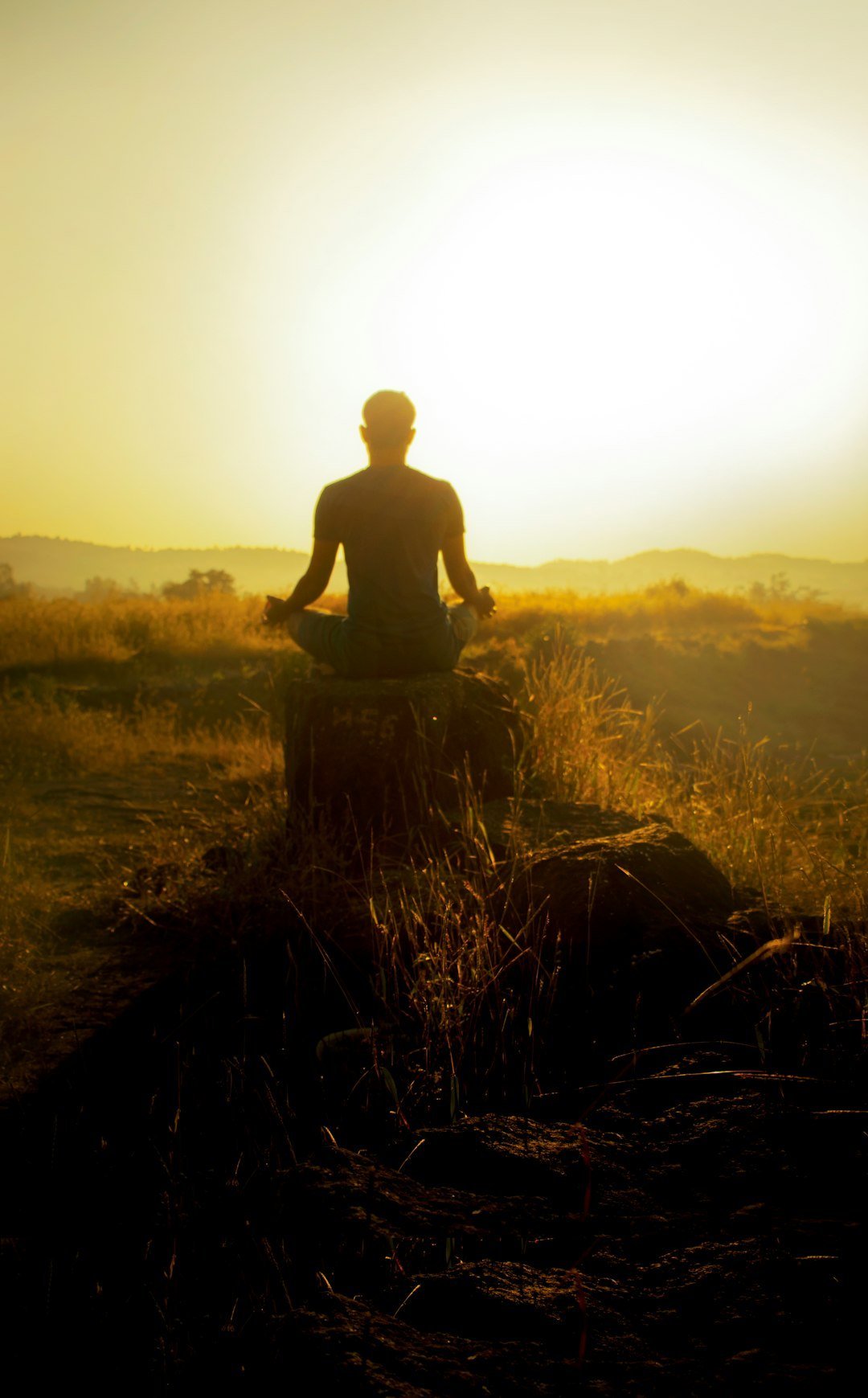
Every Blue Zone population has some form of daily stress relief built into their routine, and it happens early. Not as a structured meditation retreat. More like a quiet ritual. Stress is a part of life, but in Blue Zones, people have learned how to manage it effectively. Whether through prayer, meditation, naps, or enjoying a leisurely meal with loved ones, they have habits that help them unwind. Chronic stress contributes to inflammation, which can accelerate aging and increase the risk of various diseases.
Chronic stress is linked to nearly every age-related disease, including heart disease and Alzheimer’s. Blue Zone residents downshift daily through routines like prayer, meditation, naps, walks, or time with friends. These activities reduce inflammation, reset the nervous system, and create space for joy. Think of this like releasing pressure from a valve. A little bit every morning keeps the whole system from breaking down. That ten-minute window of stillness might genuinely be a lifesaving one.
Sleep, Circadian Rhythms, and the Power of Natural Timing
The morning routine actually starts the night before. That sounds counterintuitive, but it is the truth. Studies in Okinawan populations showed that individuals who slept fewer than six hours daily had increased cardiovascular and pneumonia mortality rates. The guidelines of the National Sleep Foundation state that adults require seven to nine hours of good quality sleep per night.
Cardiovascular and metabolic health are influenced by the circadian system, which regulates 24-hour rhythms across numerous physiological processes. Disruptions to circadian rhythmicity can adversely affect cardiometabolic function and health. Blue Zone elders tend to wake with the light and sleep when it gets dark, a pattern that aligns almost perfectly with what modern science now confirms is optimal for the heart and brain. Irregular sleep-wake timing may cause circadian disruption leading to several chronic age-related diseases. A large prospective analysis of nearly 89,000 participants from the UK Biobank examined the relationship between sleep regularity and risk of all-cause, cardiovascular disease, and cancer mortality. The people who lived the longest were, unsurprisingly, the most consistent sleepers.
There is something quietly radical about what Blue Zone elders do each morning. No biohacks. No optimization apps. Just movement, connection, purpose, real food, and rest. It sounds almost too simple. Maybe that is exactly the point.
What would happen if you borrowed just one of these habits and tried it tomorrow morning? Would you be surprised by how much a single small shift could change how the rest of your day feels?