

From Delay to Total Withhold (Image Credits: Unsplash)
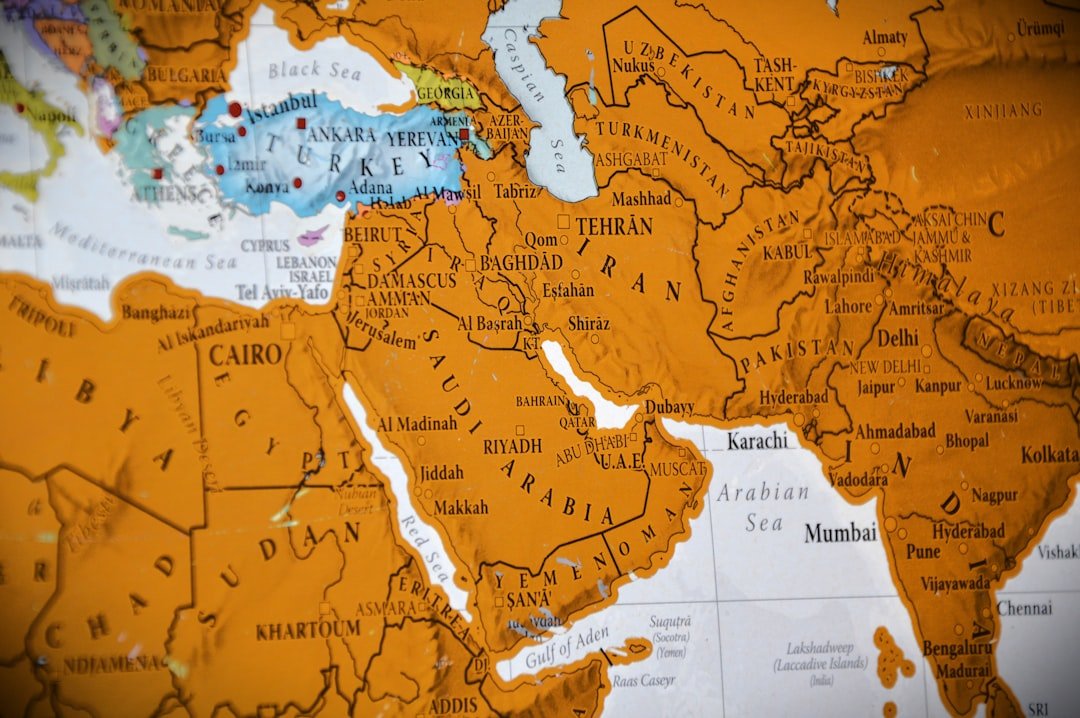
Planet Labs, a prominent Earth-observation company, took a significant step last weekend by halting the release of satellite images covering Iran and the broader Middle East conflict area. The California-based firm disclosed the move in an email to its customers on April 5, attributing it directly to a request from the U.S. government. This action expands previous restrictions and has ignited debates about public access to critical data during wartime.
From Delay to Total Withhold
Planet Labs operates one of the largest fleets of small satellites in low Earth orbit, capturing daily images of the planet’s surface. These photos serve governments, businesses, and media outlets for diverse applications, from defense analysis to environmental monitoring.[1][2]
The company first introduced a 14-day delay on Middle East imagery last month. That measure aimed to prevent adversaries from exploiting the data to target U.S. forces and allies. Now, the policy has escalated: all imagery dating back to March 9 remains withheld indefinitely, until the conflict concludes.
Under the new “managed distribution” approach, Planet Labs evaluates requests individually. Releases occur only for urgent, mission-critical needs or matters of public interest. “These are extraordinary circumstances, and we are doing all we can to balance the needs of all our stakeholders,” the company stated in its customer email.[2]
Context of the U.S. Request
The U.S. government approached all major satellite imagery providers with a call for indefinite withholding of photos from the conflict zone. Planet Labs confirmed compliance, marking a shift from open access to controlled dissemination. The Pentagon declined to elaborate, citing its policy on intelligence matters.
This directive arrives amid a war that erupted on February 28, when U.S. and Israeli forces struck Iran. Tehran retaliated with assaults on Israel and American bases in Gulf nations such as Saudi Arabia, Kuwait, and Bahrain. Satellite data plays key roles in such scenarios, aiding target identification, missile tracking, and battle damage assessments.
Yet concerns persist that Iran might obtain commercial images through proxies or adversaries. Planet Labs’ earlier delay sought to mitigate such risks, but the full blackout addresses broader security imperatives.[3]
Impacts Beyond the Battlefield
Satellite imagery extends far beyond military utility. Journalists rely on it to verify events in inaccessible areas. Humanitarian groups track refugee movements and assess infrastructure damage. Even agricultural monitoring benefits from these high-resolution views.
One notable example emerged early in the conflict. Planet Labs’ photos clarified the devastation from strikes on an Iranian school, resolving initial uncertainties about casualties and destruction. Such transparency fosters public understanding of war’s toll.[1]
- Defense and intelligence: Target selection and weapons guidance.
- Journalism: Visual confirmation of strikes and movements.
- Humanitarian aid: Refugee flows and disaster response.
- Environmental and economic: Crop health and infrastructure status.
- Public accountability: Independent verification of claims.
Expert Warnings on Lasting Effects
Victoria Samson, chief director of space security and stability at the Secure World Foundation, voiced strong reservations. “It seems that it’s a way to impact the American public’s ability to understand what’s happening as opposed to having an impact on the battlefield,” she told Space.com.
Samson highlighted non-military uses, including tracking damage and supporting agriculture. She described the withhold as unprecedented for a region of this scale, unlike targeted blurs on mapping apps. “It probably will start a precedent that I don’t think will be good for overall transparency,” she added.[1]
Historically, Planet Labs shared images freely during crises like natural disasters and Russia’s Ukraine invasion, underscoring its public benefit mission.
Responses from Peers in the Industry
Not all providers faced the same directive. Vantor, formerly Maxar Technologies, reported no U.S. government contact. It already enforces access controls in conflict zones, limiting sales where U.S. allies operate or face threats.
BlackSky Technology offered no immediate response to inquiries. These varied approaches reveal a fragmented landscape in commercial space imaging.[2]
| Company | Policy | U.S. Request? |
|---|---|---|
| Planet Labs | Indefinite withhold, managed access | Yes |
| Vantor (ex-Maxar) | Enhanced controls in Middle East | No |
| BlackSky | No comment | Unknown |
- Planet Labs’ blackout responds to U.S. security needs but curtails public and humanitarian access.
- Experts fear erosion of transparency in future conflicts.
- Commercial satellites increasingly vital, yet vulnerable to government influence.
As the Iran conflict persists, this episode underscores tensions between national security and open information. Will managed access suffice for vital oversight, or does it pave the way for broader restrictions? What do you think about it? Tell us in the comments.