
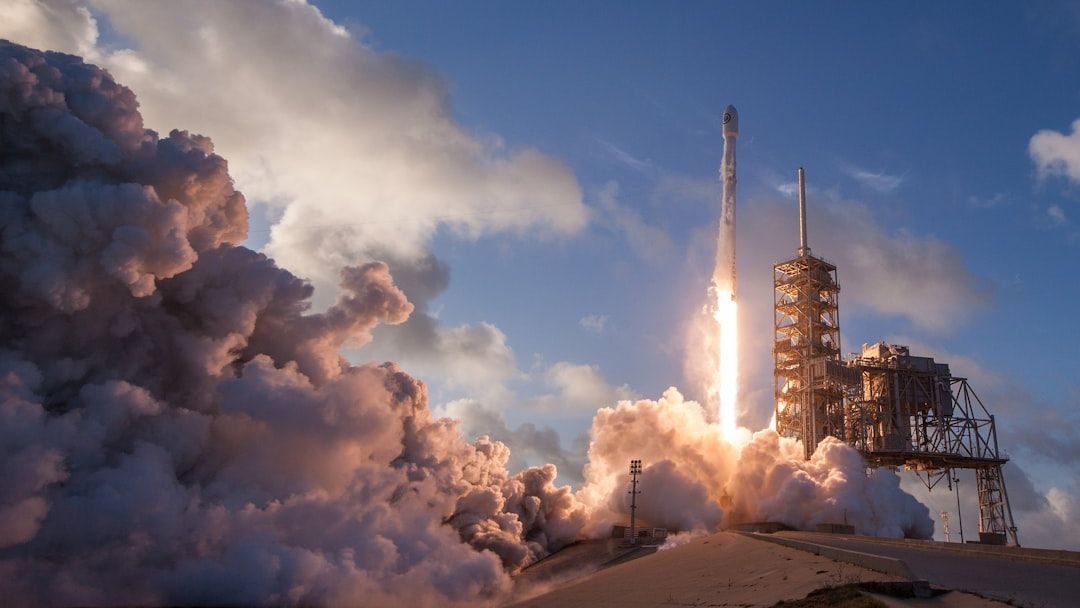

Imagine you need to ship something to the other side of the world. Now imagine the price of doing so drops from hundreds of thousands of dollars to just a few hundred. That is essentially what is happening to space right now. It is a shift so enormous that most people on the ground haven’t fully registered it yet. The numbers being talked about are real. The engineering to back them up is already in motion. The consequences for life down here on Earth could be more profound than anything the internet ever delivered. So let’s dive in.
From $54,500 per kg to Under $100: The Most Dramatic Price Drop in History
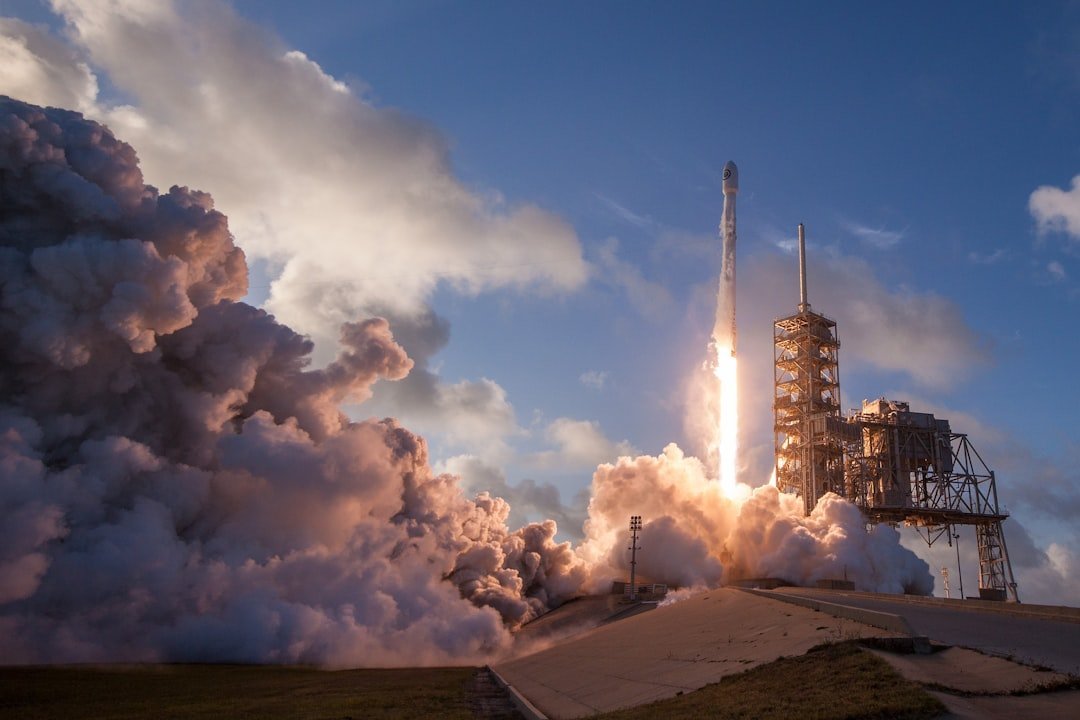
Let’s start with some hard, verifiable numbers, because they are genuinely shocking. The NASA Space Shuttle era carried payloads to low Earth orbit at approximately $54,500 per kilogram, based on an average launch cost of $1.5 billion for a 27,500 kg payload. That was the baseline for decades. Then SpaceX arrived, and the game changed radically.
Elon Musk is targeting a price of $100 per kilogram of payload in orbit, which is striking because currently one kilogram costs around $2,300, while in 1981 it was $147,000. The direction of travel here is not subtle. With partial reusability over six flights, costs could drop to between $78 and $94 per kilogram, and with high reusability over 20 to 70 flights, projections suggest costs of $13 to $32 per kilogram. Honestly, those lower figures are harder to wrap your head around than the Moon landing itself.
The difference between traditional expendable rockets and a fully reusable Starship is like the difference between driving a car and building a new one every time you commute. NASA’s Space Launch System costs about $2 billion per launch, and every rocket is discarded. That comparison alone should make clear why the Starship effect is not just an engineering story. It is an economic revolution.
The Architecture Behind the Number: How SpaceX Actually Gets There
Today, each Starship system, combining the booster and ship, is estimated to cost around $90 million to build. SpaceX forecasts this will drop sharply, possibly to $20 million with scale and potentially as low as $2 to $5 million in the long term. These are not fantasy projections. They are driven by real engineering decisions already being made.
SpaceX’s Raptor engine factory is targeting a production rate of 4,000 engines per year, with unit costs already falling toward a target of $0.25 to $0.5 million per engine. That is a fraction of what competitors pay for their engines. Starship’s stainless steel construction alone reduces material and fabrication costs compared to traditional aerospace materials. It is engineering simplicity meeting industrial scale.
By 2030, SpaceX targets an average cost of less than $100 per kilogram for LEO missions. In March 2025, SpaceX expanded its Starship program with the construction of the Gigabay integration facility at NASA’s Kennedy Space Center. The infrastructure to support this ambition is already going up. It is not a rendering. It is concrete and steel.
SpaceX’s Market Dominance and What It Signals

SpaceX already accounted for over half of global launches in 2024, with costs as low as $2,720 per kilogram for Falcon 9 and $1,500 per kilogram for Falcon Heavy. That position of dominance is likely to become even more entrenched as Starship matures. In 2024, SpaceX completed 134 launches with its Falcon rocket family, accounting for more than half of all global launches. The combined efforts of all other providers failed to match SpaceX’s total for that year.
SpaceX is projected to generate $15.5 billion in revenue for 2025. A significant portion of around $11.8 billion is expected to come from its Starlink satellite internet service. Here’s the thing. This revenue machine is what funds Starship’s development. By 2024, over 60 percent of all orbital launches globally involved reusable technology, a trend SpaceX has largely driven. What started as an experiment is now the industry standard.
The space economy 2025 disruption predictions forecast a market transformation from $613 billion in 2024 to potentially $1.8 trillion by 2035, driven by reusable launch technologies and LEO satellite constellations. That kind of growth doesn’t happen in a vacuum. It is a direct downstream consequence of Starship-era cost curves. The rocket is the root cause. Everything else is the branch.
Starlink and the Connectivity Revolution Already Underway

As of March 2026, Starlink’s constellation consists of over 10,020 satellites in low Earth orbit, and Starlink now constitutes 65 percent of all active satellites. That statistic is almost surreal when you sit with it for a moment. SpaceX announced it had reached over one million subscribers in December 2022, four million in September 2024, nine million by December 2025, and ten million in February 2026.
Industry analysts estimate that Starship-based deployments could cut the cost per satellite to orbit by approximately 70 percent, making satellite internet economically viable in regions previously considered unprofitable. That is the game changer for the two to three billion people on Earth who still lack reliable internet access. In a 2025 survey, Starlink topped all internet service providers with 94 percent of customers saying it met or exceeded expectations, a dramatically higher satisfaction rate than legacy satellite providers.
Market research firms project the LEO satellite internet market will reach $30 billion annually by 2030, growing at a compound annual rate of approximately 35 percent. It’s hard to overstate what universal internet access could mean for education, healthcare, and economic opportunity in developing nations. Starship makes the economics of universal coverage feasible for the first time in history.
Redesigning Satellites: When Size No Longer Matters
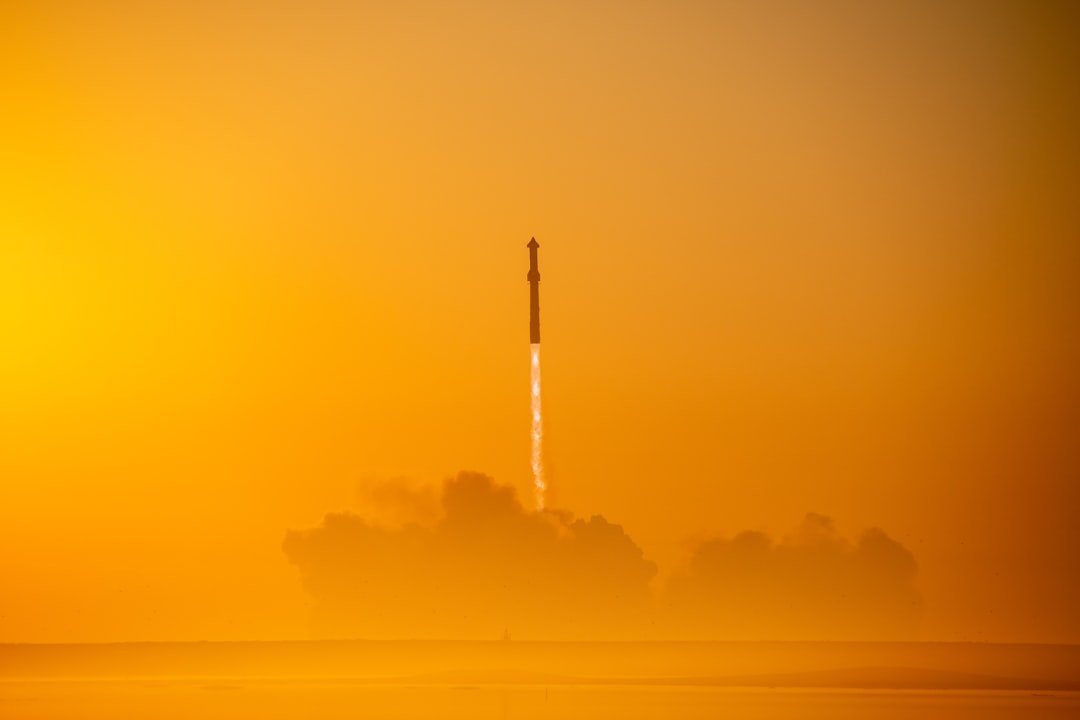
Here is something that does not get talked about enough. Starship does not just reduce the cost of launching what already exists. It fundamentally changes what you can launch and how you design it. You could be talking about launch that is something like 99 percent cheaper, and Starship is so big that it changes how you design what you put up into space.
Through its nine-meter-wide fairing, Starship could change the game in the satellite manufacturing world, with less emphasis on miniaturization and mass savings. Over time, the scale and pricing of Starship could redefine industry standards, transforming what can be launched, how it is built, and the overall economics of space infrastructure. Think about what that means in practice. Right now, engineers spend enormous resources shrinking components to fit inside a rocket fairing. Starship potentially makes that entire design constraint obsolete.
The planned payload capacity of Starship is 150 tons in low Earth orbit and can reach 250 tons if the stages are not returned to Earth. With these payload capabilities, the entire 400-ton International Space Station could be launched into orbit by just two rockets. That comparison lands differently every time I think about it. The ISS took 13 years and dozens of launches to assemble.
The Space Tourism Door Cracks Open
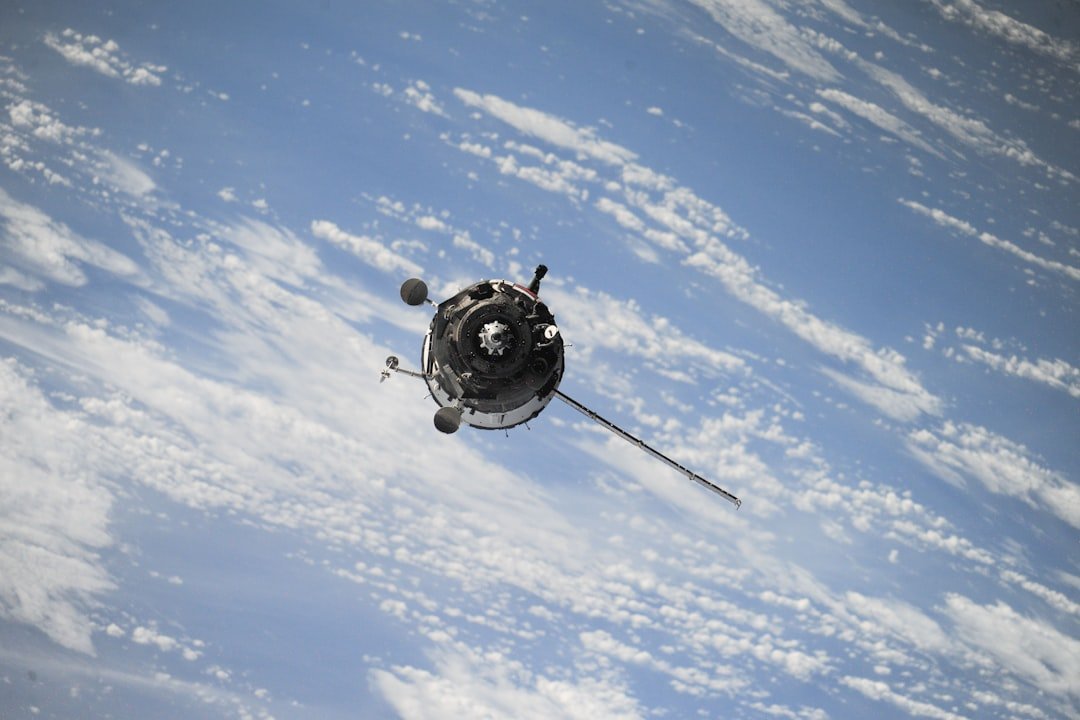
Space tourism today is a luxury reserved for the ultra-wealthy, with prices that most of us will never see in a bank account. SpaceX’s Starship is expected to revolutionize the industry by significantly lowering the cost of orbital space travel. Instead of paying $50 to $60 million, tourists might be able to fly for $10 million by 2030. That’s still expensive. But it is an order of magnitude more accessible.
The fact that over 20,000 people had already signed up for suborbital spaceflights by 2024 is a powerful indicator that commercial space tourism is no longer a niche market. It is a market moving from exclusive novelty to something closer to extreme adventure travel. The expected 200 to 300 percent surge in demand for orbital space tourism between 2025 and 2030 signals a transformative moment for the commercial space industry.
It took decades after World War II for air travel to become affordable for the masses. Space tourism is likely to follow a similar pattern, requiring significant investment in technology and infrastructure before prices become accessible to a broader audience. It’s a fair and sobering comparison. Still, $100 per kilogram to orbit is the kind of milestone that puts the trajectory clearly in view.
Asteroid Mining: From Science Fiction to Investment Thesis

A few years ago, talking seriously about asteroid mining would have made you sound like you’d watched too many movies. Now it’s a genuine investment category with real companies and real missions. Metal-rich asteroids contain enough platinum group metals to power industries on Earth and beyond. A single medium-sized metallic asteroid could hold more precious metal than what humanity has extracted in over a century.
Based in California, AstroForge launched its first space module, Odin, in February 2025. It was the first company ever to receive a license to send a module into deep space, with a mission to rendezvous with a faraway asteroid and assess its composition. The mission encountered communication problems, but AstroForge remains undaunted and is planning a new mission called Vestri, scheduled to launch in 2026, with the goal of collecting data from a near-Earth, platinum-group-metal-rich asteroid and potentially collecting samples.
The space mining market size is expected to grow from $2.58 billion in 2025 to $7.39 billion by 2031, at a compound annual growth rate of 19.21 percent. Momentum in the space mining market is driven by a steep decline in orbital access costs that shifts the economics of prospecting and in-situ resource utilization from one-off experiments to programmatic missions. Without cheaper rockets, asteroid mining remains academic. With Starship, it becomes business.
National Security and the New Space Race
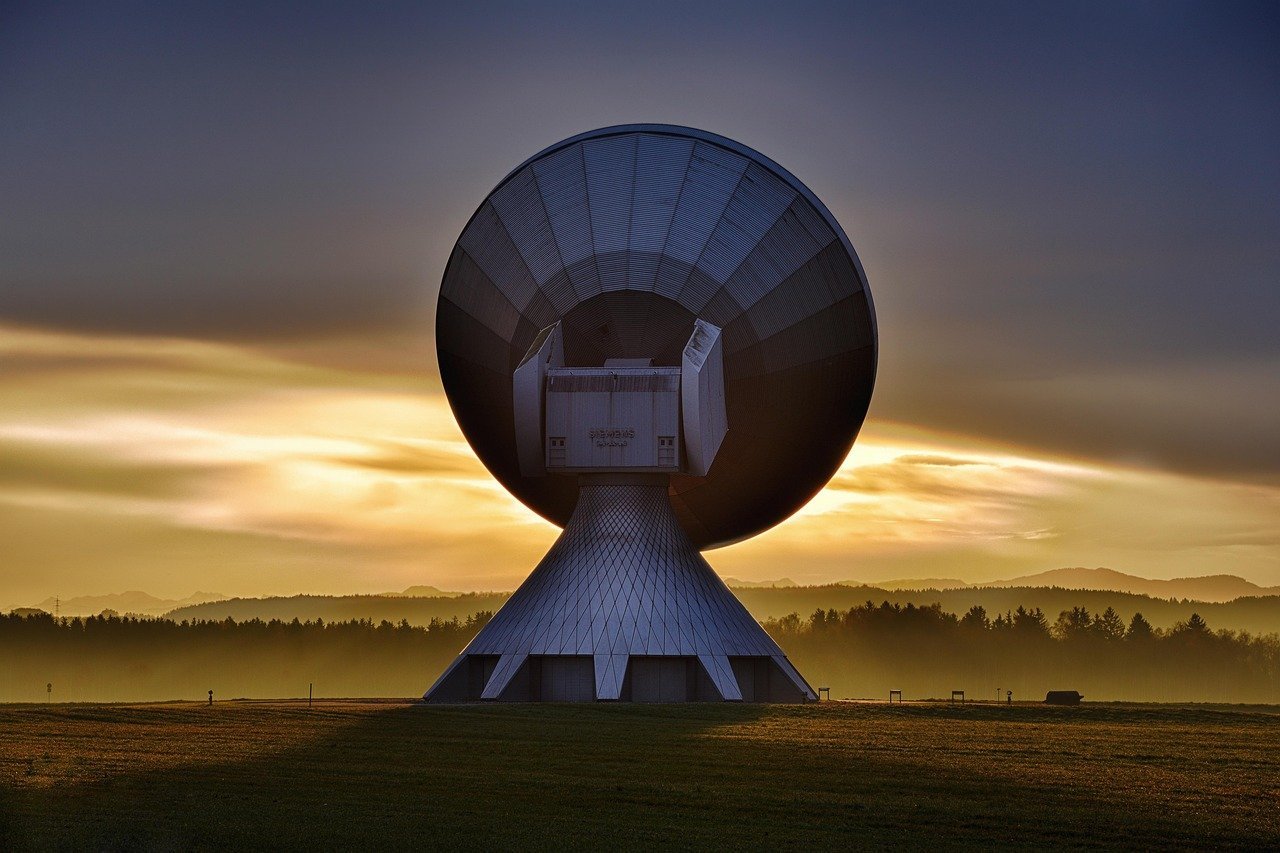
The Starship effect is not just commercial. Governments around the world are paying very close attention to what cheap access to orbit means for military and strategic advantage. As we enter what many people call a new Cold War or a new multipolarity, the calls are once again rising for greater investment in space. The budget of the U.S. Space Force is now larger than the budget of NASA.
The commander of U.S. Space Command observed that as launches become more frequent, it leads to both proliferated constellations and a more resilient space sector for national security. A constellation of satellites is much harder to neutralize than a handful of expensive ones. Starlink has been a vital piece of Ukrainian communications infrastructure throughout the ongoing Russian invasion, demonstrating in real-time warfare conditions what space-based connectivity can actually do when it matters most.
The geopolitical implications here are genuinely complex and probably underappreciated by the general public. Whoever controls low Earth orbit infrastructure at scale holds enormous strategic leverage. Cheap, frequent launch capability is not just good business. It is a new form of geopolitical power.
The Risk of Orbital Crowding: A Problem Born of Success
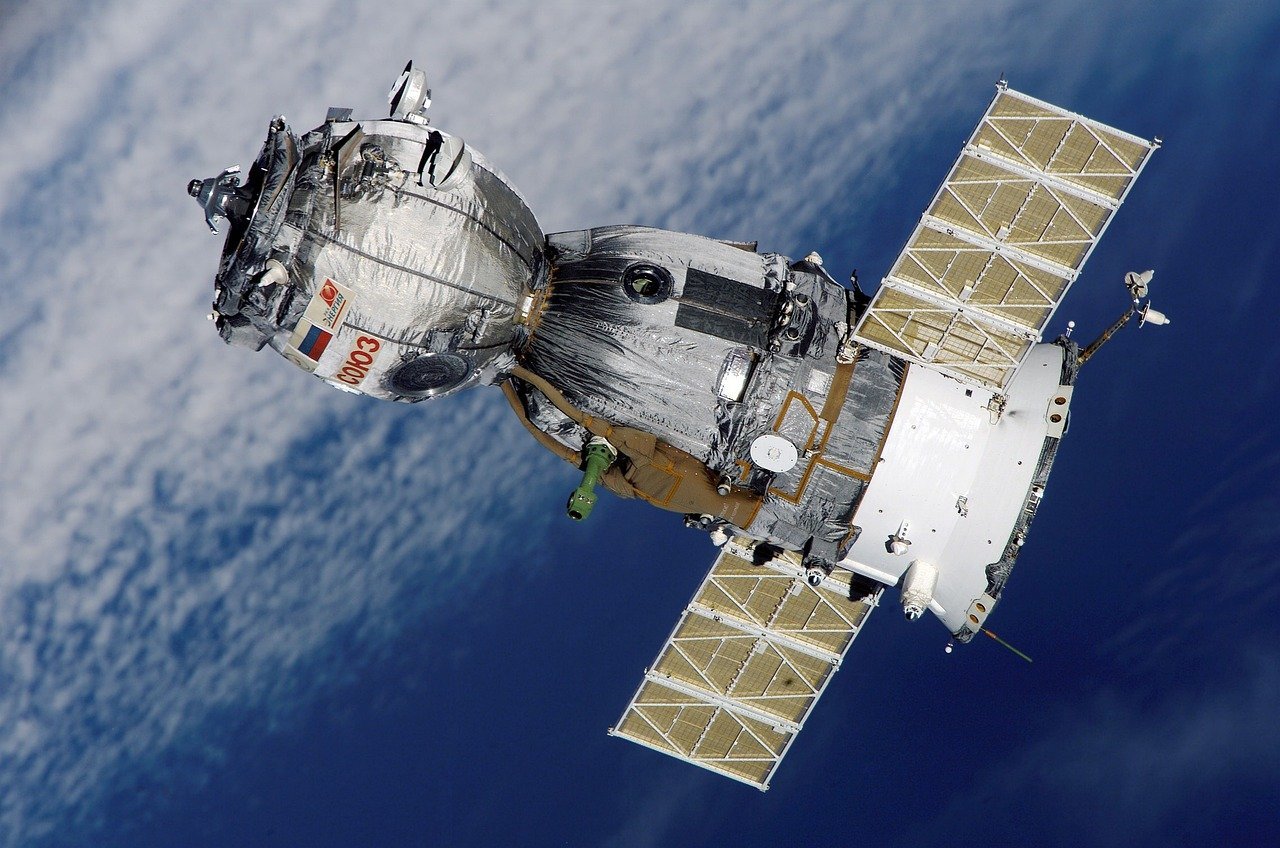
No technology this disruptive arrives without complications, and Starship’s promise of cheap access is already creating its own set of serious headaches. According to SpaceX’s regulatory filings, its Starlink satellites between December 2024 and May 2025 performed 144,404 collision avoidance maneuvers, a number that was unfathomable several years ago when even just a few maneuvers per year for any satellite seemed like a lot.
The size and scale of the Starlink project concerns astronomers, who fear the bright orbiting objects will interfere with observations of the universe, as well as spaceflight safety experts who now see Starlink as the number one source of collision hazard in Earth’s orbit. That is a real problem that needs real governance. NOAA’s traffic coordination program manager has noted that on a bad day, a million predicted conjunction events exist in a single week.
It is worth being honest about this tension. The cheaper and more accessible space becomes, the more crowded the orbital environment gets. This is the same pattern we’ve seen with oceans, with skies, with the internet. Abundance creates new forms of scarcity. The question of who manages orbital traffic and under what international rules is one of the defining governance challenges of the coming decade.
What the $100-per-kg Future Actually Looks Like
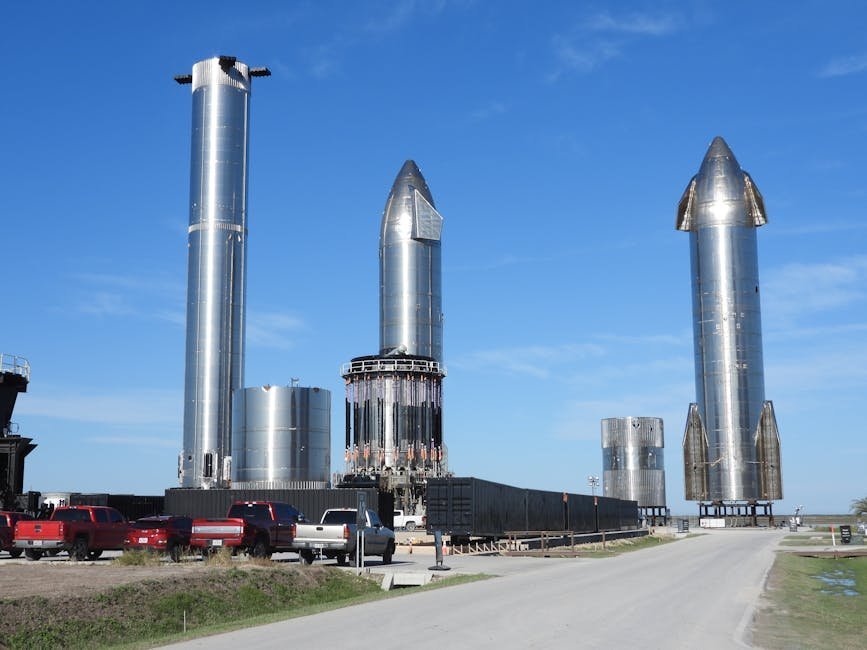
When you trace all of these threads together, a picture emerges that is frankly hard to overstate. The arrival of Starship will have a monumental impact on the space economy by accelerating growth in existing markets, enabling entirely new industries, and making existing infrastructure obsolete. That last part is important and often ignored. Existing satellites, existing launch contracts, existing business models. All potentially obsolete.
If SpaceX’s cost targets are met, at $10 million per launch and $10 to $20 per kilogram to orbit, Starship could lower the barrier to space so dramatically that entire industries once stranded on Earth by physics and finance may lift off. The analogy I keep coming back to is containerization in shipping. When standardized metal boxes transformed global trade in the 1950s and 60s, almost nobody predicted the full cascade of economic effects. Cheap space access is likely to be that kind of inflection point, but larger.
Expected cost decline is roughly 20 percent per year, dropping from $2,700 per kilogram in 2024 to under $100 per kilogram by 2030. If that trajectory holds, we are not talking about a distant future. We are talking about the rest of this decade. Launching cargo to space already costs about 90 percent less than it did 20 years ago, and the market is expected to triple from roughly $630 billion today to $1.8 trillion by 2035. The Starship effect is already in motion. Most of the world just hasn’t looked up yet.
What do you think will be the most surprising consequence of cheap access to space? Drop your thoughts in the comments.