

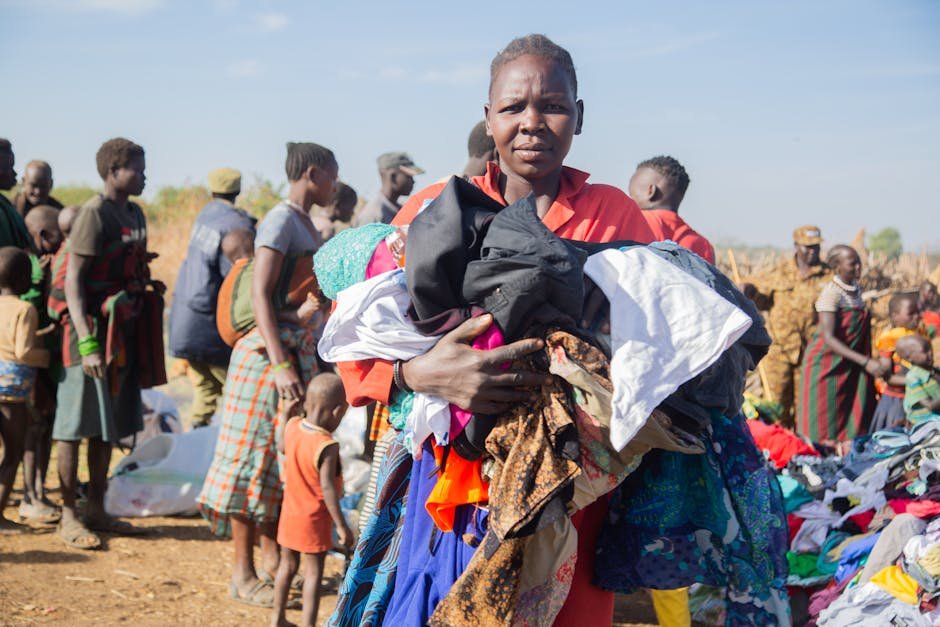
Disabled Sudanese Left Behind in the Flight from Violence (Image Credits: Pexels)
Sudan – Conflict erupted three years ago between the Sudanese Armed Forces and the Rapid Support Forces, plunging the nation into chaos that persists today. More than 33 million people now require humanitarian assistance, marking the world’s largest displacement and aid crisis.[1][2] Among them, millions living with disabilities face acute vulnerabilities, from fleeing bombardments to securing basic aid. Their plight underscores a broader failure to deliver inclusive support in one of the century’s gravest emergencies.
Disabled Sudanese Left Behind in the Flight from Violence
People with disabilities in Sudan endure a double burden as fighting intensifies. Mortality rates for this group in conflict zones run two to four times higher than for the general population, exacerbated by injuries, trauma, and denied medical care.[1] In North Darfur, Rapid Support Forces fighters targeted individuals during the October 2025 takeover of El Fasher, executing those with physical impairments under accusations of being combatants and mocking others as “insane.”[3]
Witnesses described harrowing scenes. A man using crutches from an earlier explosive injury recounted how fighters shot over 10 people with disabilities, declaring, “The RSF considered everybody who was missing a hand or a limb to be a soldier.”[3] Families abandoned relatives unable to walk amid fleeing crowds, while looters seized wheelchairs and hearing aids. These acts amount to war crimes, leaving survivors in camps with inaccessible facilities and no specialized therapy.
Mass Displacement Fuels Unprecedented Needs
The war displaced 11.6 million people internally, with over three million fleeing to neighboring countries at its peak. Returns began by early 2026, including 700,000 from abroad, yet dangers persist from unexploded ordnance contaminating homes and roads.[1] Famine grips parts of Darfur and Kordofan, with 21 million facing acute food insecurity and 825,000 children at risk of severe wasting.[2]
Health systems collapsed, rendering 70 percent of facilities non-functional. Cholera outbreaks claimed over 3,000 lives since 2024, while malaria surges. Children, comprising half of those in need, suffer most, with 17.3 million requiring life-saving interventions across health, nutrition, and protection sectors.[2]
Barriers Blocking Aid for the Most Vulnerable
Sixteen percent of Sudan’s population, or at least 4.6 million, lives with disabilities, a figure likely underestimated in war zones. They struggle to reach distribution points or evade assaults, facing heightened risks of abuse and exclusion.[1] Camps like Tawila lack ramps, adapted bathrooms, or nutritional aids suited for mobility issues.
Humanitarian responses often overlook these needs. Sadia Abdallah Mohamed, a Wad Madani resident, lost her leg to untreated diabetes wounds after displacement severed medication access: “I have been unable to walk and now spend all my time in bed.”[1] Experts note that without early rehabilitation, injuries from gunshots or malnutrition lead to permanent impairments.
| Sector | People in Need | Key Challenges for Disabled |
|---|---|---|
| Health | 21.9 million | Lack of rehab, assistive devices |
| Nutrition | 8.6 million | Inaccessible distributions, specialized foods |
| Protection | 12.4 million children | Higher violence risk, camp inaccessibility |
Spotlight on Rehabilitation and Logistical Gaps
Organizations like Humanity & Inclusion deliver critical services where few others reach. In Darfur and Al-Jazirah, they conducted over 9,500 rehab sessions for 2,400 people, distributing 150 assistive devices.[1] Their teams in Tawila hospital, partnered with Doctors Without Borders, treat gunshot wounds amid influxes from El Fasher.
- Functional rehabilitation in four hospitals.
- Hygiene kits and cash aid for malnourished families in West Darfur.
- Mining awareness and demining to counter explosive remnants.
- Logistics support via Atlas Logistique for aid transport in North Darfur.
- Extension to Chad’s Adré for refugee care.
Vincent Dalonneau, HI’s Country Director, warned: “Without early intervention, these individuals risk developing long-term disability and chronic pain.”[1] Yet funding shortfalls loom, with UN appeals covering only a fraction of needs.
Key Takeaways
Sudan’s crisis demands urgent, inclusive action to shield its most vulnerable from further devastation. As violence escalates, the international community must prioritize rehabilitation, demining, and accessible aid. What do you think about these barriers? Tell us in the comments.