

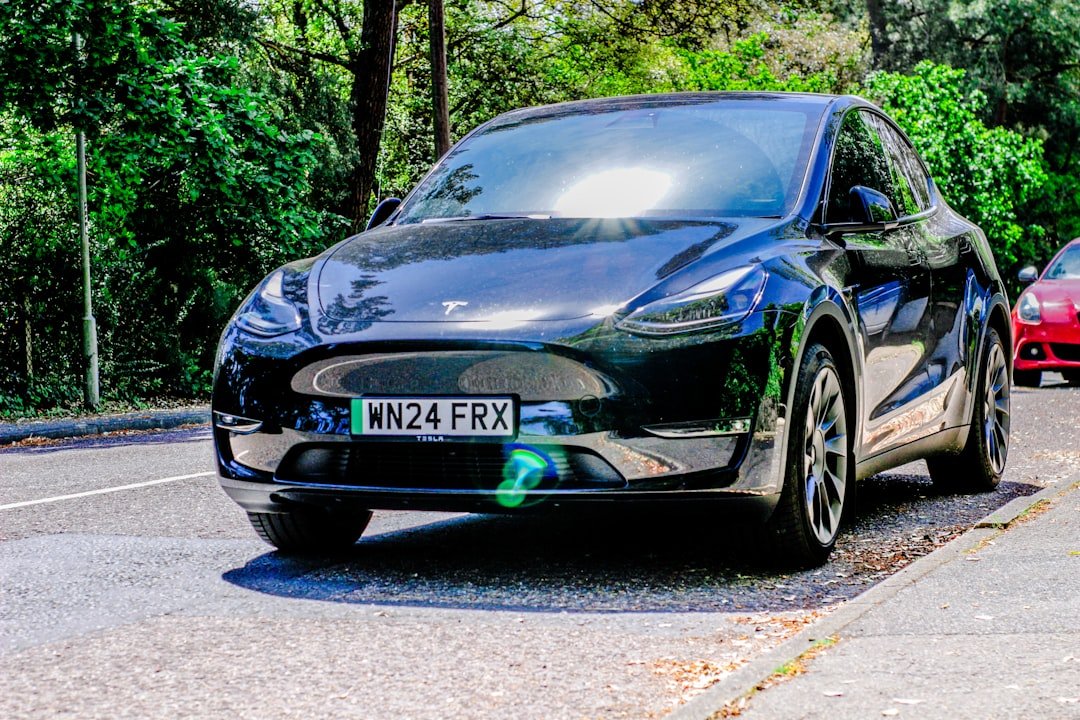
Batteries Prove More Durable Than Expected (Image Credits: Unsplash)
Interest in used electric vehicles surged recently, with searches climbing 25.5% in the past month according to Cars.com data. High gas prices persisted amid global tensions, while hundreds of thousands of leased EVs entered the market this year. Buyers now find stronger value compared to used gas-powered cars, securing newer models with lower mileage for similar prices.
Batteries Prove More Durable Than Expected
Concerns about battery life often deter potential buyers, yet real-world data paints a reassuring picture. Recurrent, which monitors EVs from 30,000 owners nationwide, reported that only 0.3% of vehicles made in 2022 or later required battery replacements due to degradation or failure. Even including older first-generation models, the replacement rate stayed low at 4%.
A 2023 Nissan Ariya exemplified this resilience, maintaining an average real-world range of 226 miles after three years – surpassing its EPA rating. Projections suggested a minimal drop to 220 miles after six years. Factors like cold weather affected range less than anticipated, with the Ariya retaining 83% capacity in winter conditions.
Unlike smartphone batteries, EV units featured advanced management systems, liquid cooling, and tech designed for longevity. Degradation occurred mostly early on, then tapered off significantly. Buyers could request battery health reports from dealers or independent tests from private sellers.
Long warranties provided further protection, typically covering eight years or 100,000 miles. Federal rules mandated retention of at least 70% capacity, triggering free replacements if thresholds fell short. Test drives after full overnight charges offered practical verification.
Prioritize Newer Models for Superior Tech
Rapid advancements in EV technology made recent models far preferable to early entrants. Lithium iron phosphate batteries, dominant since the 2020s, delivered cheaper, safer, and more durable performance while tolerating frequent charging. Median range reached 270 miles by 2023, dwarfing the 84 miles of a 2017 Nissan Leaf.
Newer vehicles also boasted enhanced safety and driver-assist features. The 2023 Nissan Ariya included ProPILOT Assist 2.0 for lane changes and passing, features once reserved for premium pricing. Used examples now traded around $25,000, offering luxury-level capability at entry prices.
Extended warranty coverage remained a bonus with fresher EVs. Third-party options like those from Xcelerate Auto covered older purchases if needed. Recurrent’s head of growth, Andy Garberson, noted the appeal: “The used price made that car very appealing, because you’re getting a lot of car for the money.”
Examine Ownership and Usage History Closely
Standard due diligence applied to used EVs, much like any vehicle. Fleet, rental, or rideshare histories signaled heavier use, though examples like a 2022 Ford Mustang Mach-E endured 250,000 miles with 92% battery health. Such backgrounds served more as bargaining leverage than deal-breakers.
Fast charging raised theoretical concerns, but fleet data contradicted lab predictions. Garberson explained: “When we look across all of the cars connected to Recurrent… we can’t see that in the data.” Pre-purchase inspections remained essential.
Certain perks transferred with ownership, such as free unlimited Supercharging on some Teslas or software subscriptions. Access Recurrent’s insights via platforms like Edmunds or Cars.com for model-specific stats, including regional range and cost savings.
Overall, the influx of leases created timely opportunities. Garberson highlighted the value: “People are amazed that they can drive off a lot with a BMW SUV that has 350 miles of range for the price of a RAV4.”
Key Takeaways:
- Batteries retain strong performance, backed by data and warranties.
- Newer used EVs deliver the best range, features, and future-proofing.
- History checks uncover value, with minimal fast-charging risks.
The used EV market promises substantial savings and reliability for savvy shoppers. As more leases return and new affordable models emerge, opportunities abound. What experiences have you had with used EVs? Share in the comments below.