

Every summer, astrology communities light up with fresh talk of planetary advantage. In 2025, that conversation centers on one familiar giant – Jupiter – and its shifting position through the zodiac. For Taurus, Virgo, and Capricorn, the so-called “Jupiter Loophole” has become a shorthand for a string of transits that astrologers believe align especially well with the practical, wealth-oriented nature of Earth signs.
Worth stating clearly from the start: astrology is not scientifically validated. Organizations including NASA and the American Astronomical Society do not recognize it as a predictive science. Still, its cultural reach is wide, its history is ancient, and millions of people engage with it in some form. Understanding what is actually being claimed – and what the planet Jupiter really is – makes for a more grounded, honest conversation.
Jupiter: The Largest World We Know
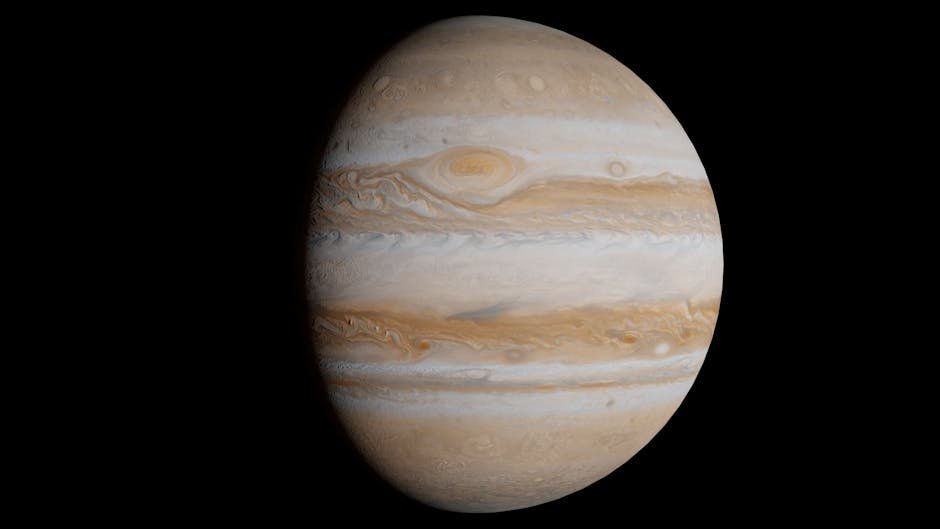
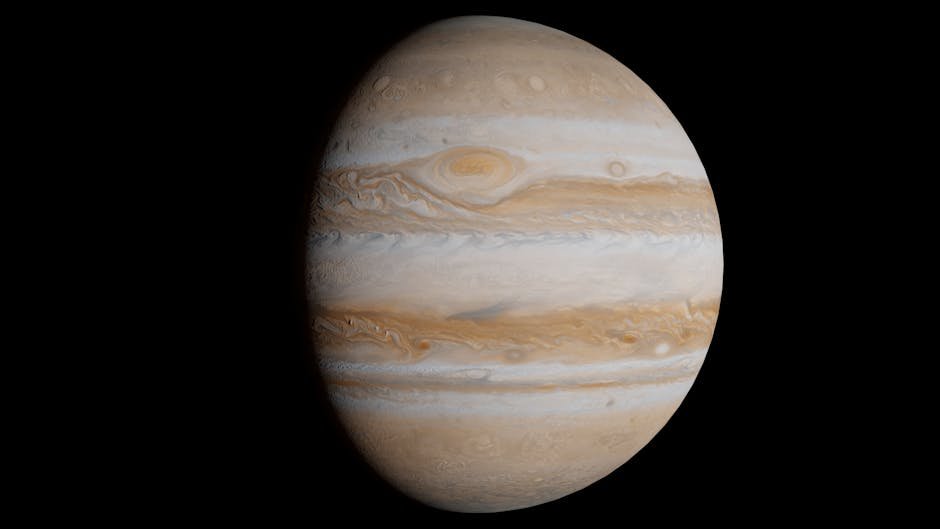
Before anything else, Jupiter deserves its own introduction on purely scientific terms. It is the largest planet in our solar system, with a diameter of roughly 143,000 kilometers – more than 11 times that of Earth. Nothing else in our planetary neighborhood even comes close.
Jupiter has 95 moons officially recognized by the International Astronomical Union, though that number alone doesn’t capture the full complexity of the Jovian system of moons, rings, and asteroids. It is, in every measurable sense, a system unto itself.
Since arriving at Jupiter in 2016, NASA’s Juno spacecraft has been probing beneath the dense clouds encircling the giant planet – the first orbiter to peer so closely – seeking answers to questions about the origin and evolution of Jupiter, our solar system, and giant planets across the cosmos. The science is genuinely fascinating, independent of any astrological interpretation.
What “The Jupiter Loophole” Actually Means in Astrology
The phrase “Jupiter Loophole” isn’t an official astrological term – it’s a popular shorthand used in astrology content circles to describe periods when Jupiter’s transits are seen as unusually favorable for certain signs. The idea is that Jupiter, widely described in astrology as a planet of abundance and growth, temporarily unlocks conditions that benefit specific signs more than others.
Jupiter, referred to in astrological tradition as the planet of expansion, wisdom, and abundance, transits through one sign for approximately one year, influencing growth and opportunity. That slow pace is exactly what makes its transits feel significant to practitioners – sustained influence rather than a fleeting moment.
In astrological tradition, Jupiter represents wisdom, knowledge, family, children, wealth, good karma, luck, belief, religion, and blessings. Whether you find that compelling or not, these associations have shaped how millions of people interpret the planet’s movements season after season.
Jupiter’s 2025 Movements: Three Signs, Three Chapters
In 2025, Jupiter undergoes two major transits: the first on May 15, when Jupiter enters Gemini, and the second on October 19, as Jupiter moves from Gemini into Cancer, a sign ruled by the Moon. These movements define the astrological calendar for the year and shape how astrologers write about each sign’s potential.
Jupiter had been transiting the Taurus sign, controlled by Venus, since the previous year, and on May 15, 2025, it exited Taurus and entered Gemini, ruled by Mercury. That earlier Taurus transit is directly tied to claims about Earth sign advantage – Taurus is, of course, one of the three Earth signs.
Slow-moving Jupiter spends roughly 13 months in an astrological sign, which means it takes twelve years to move around the entire zodiac wheel. Wherever Jupiter lands, it expands – or so the astrological framework holds. For those who follow these patterns closely, the transitions feel as distinct as seasons changing.
The Earth Signs: Taurus, Virgo, and Capricorn
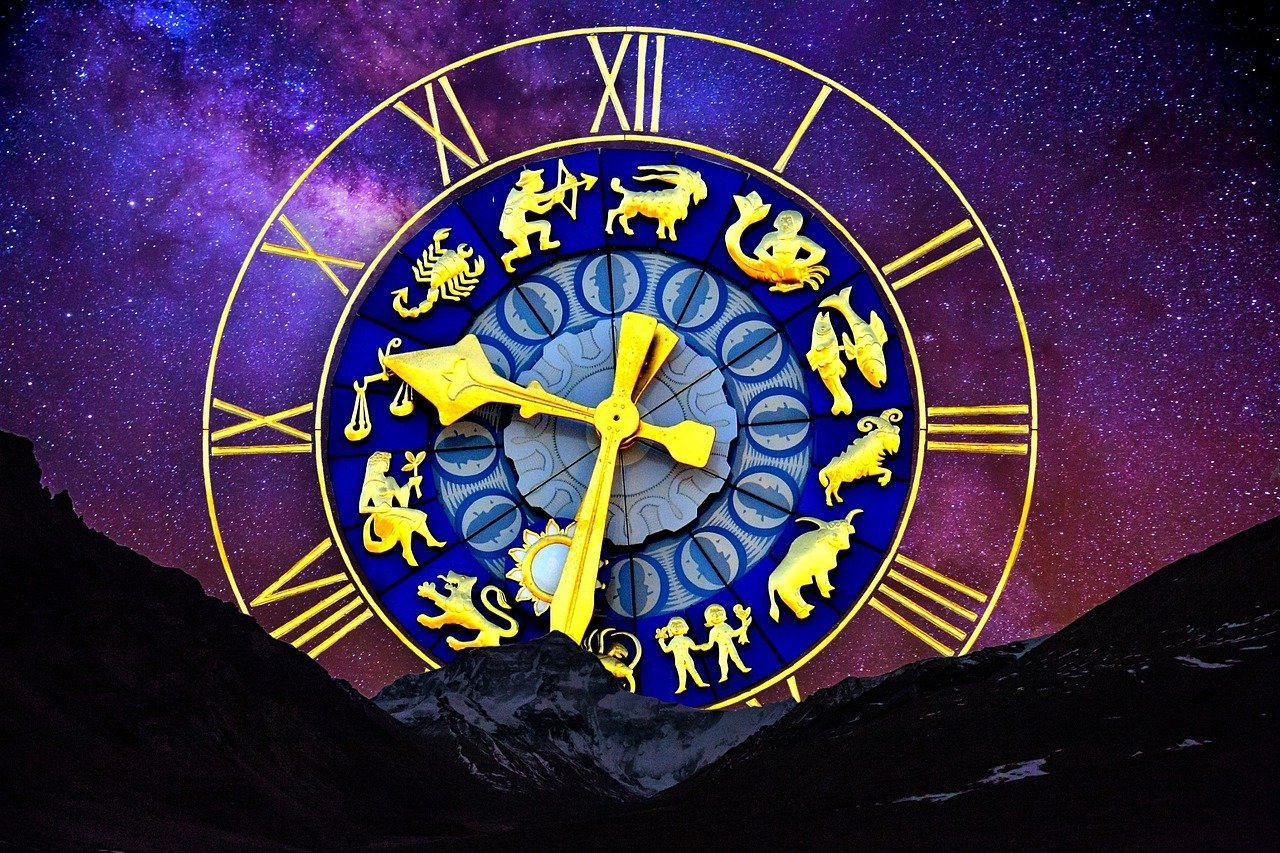
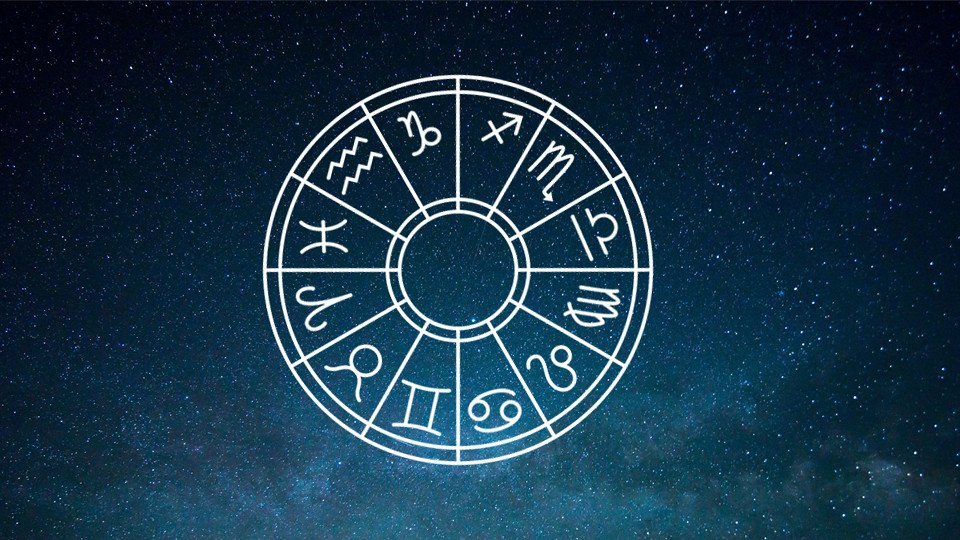
Taurus, Virgo, and Capricorn form the trio of Earth signs in Western astrology. Earth signs are known for their reliability, patience, strong work ethic, persistence, and connection to the physical world – and throughout 2025, those with these signs are encouraged to focus on embracing change, enhancing personal and professional growth, and strengthening their home environment.
Jupiter is known as the planet of expansion and growth, and Taurus represents steady, materialistic movement, which holds considerable sway in Vedic astrology. The pairing of Jupiter’s expansive energy with Taurus’s grounded nature is what many astrologers consider the core of the Earth sign advantage.
Water and Earth signs – Cancer, Scorpio, Pisces, Taurus, Virgo, and Capricorn – find this period particularly supportive for personal and professional growth, according to various astrological forecasts for 2025. The Earth signs, in particular, are associated with material stability, making Jupiter’s wealth-focused symbolism feel especially relevant to them.
Jupiter in Cancer: The Summer Peak
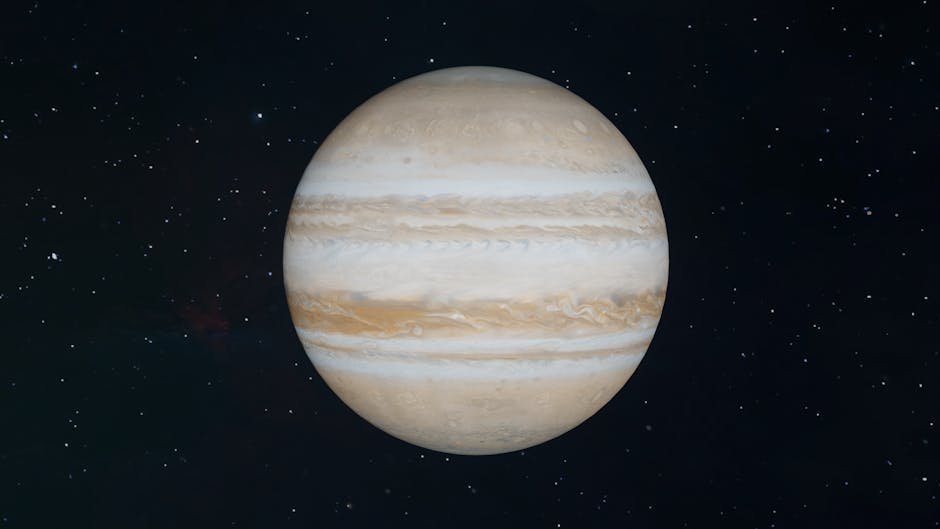
Jupiter is exalted in Cancer, which means it operates with ease, joy, and abundance in the sign of the Crab. In astrological terms, “exalted” means a planet is at its most powerful and expressive – essentially operating at full strength. The summer entry into Cancer is widely treated as the most significant moment of Jupiter’s 2025 journey.
Being exalted is indicative of access to esteem, influence, and resources, which can help support productive expansion, the broadening of horizons, justice, knowledge, travel, and cohesion. Jupiter in Cancer opens the door for helpful opportunities, prosperity, harmony, and relative wealth and abundance.
Among the zodiac signs benefiting most from Jupiter in Cancer are water signs and Earth signs – Taurus, Virgo, and Capricorn – with Taurus seeing growth opportunities, Scorpios benefiting based on their ability to resist temptations, and Virgos and Capricorns gaining depending on their karmic foundations and partnerships. Astrologers vary considerably on the specifics, and individual birth charts always modify these general forecasts.
Financial Themes and What Astrologers Claim
Much of the “Jupiter Loophole” conversation is framed around money. In astrological tradition, Jupiter is considered a significator of the second house of wealth, the fifth house of education and speculation, the ninth house of spirituality and wisdom, the tenth house of career, and the eleventh house of overall gains. That’s a broad portfolio of life domains, which makes Jupiter easy to credit when things go well.
The movement of Jupiter through Taurus was associated with a strong year for agricultural commodities and material resources, with Taurus as an Earth sign associated with agriculture and resources, making it a favorable time in financial astrology for farming and food production investments. These are the kinds of sector-specific claims financial astrology has made for centuries.
It needs to be said plainly: financial outcomes are shaped by economic forces – inflation, labor markets, interest rates, and individual decision-making – not by planetary positions. No peer-reviewed study has validated astrological predictions as reliable financial tools. The Jupiter framing is a lens for reflection, not a market forecast.
How Many People Actually Believe in This?
The cultural reach of astrology is genuinely substantial. A fall 2024 Pew Research Center survey found that 30% of U.S. adults say they consult astrology, tarot cards, or a fortune teller at least once a year, though most do so just for fun, and few Americans say they make major decisions based on what they learn.
On that same survey, 27% of U.S. adults said they “believe in astrology – that the position of the stars and planets can affect people’s lives,” which is not significantly different from what Pew found when asking an identical question in 2017, when the figure was 29%. Belief levels have remained remarkably stable for decades, despite enormous growth in astrology’s online presence.
The psychic services industry – which encompasses astrology, palm-reading, psychic readings, and fortunetelling – generated an estimated $2.3 billion in revenue in 2024 and employed 105,000 people, according to market research firm IBIS World. Cultural interest and commercial activity around astrology are clearly real, even where scientific support is not.
Jupiter Through a Scientific Lens: Juno’s Legacy
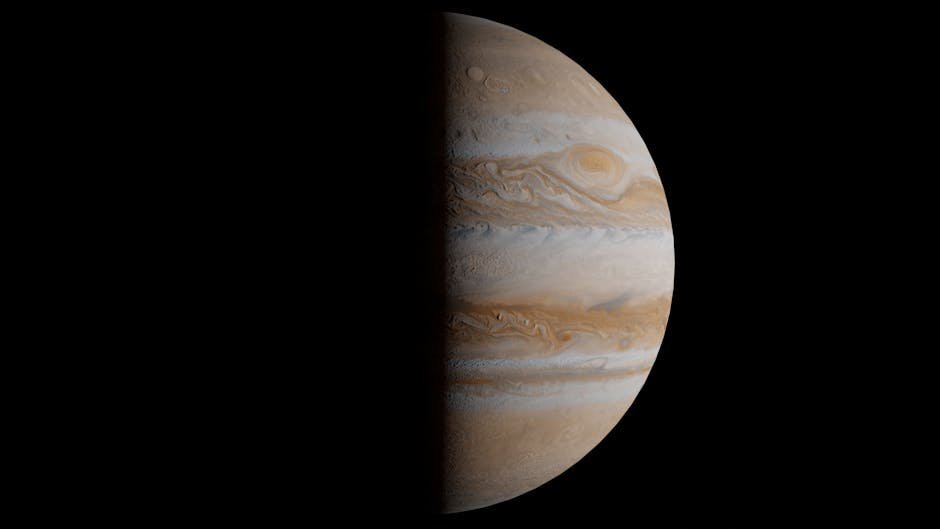
Whatever one believes about astrology, the science of Jupiter has never been more detailed or exciting. Juno’s many discoveries have changed our view of Jupiter’s atmosphere and interior, revealing an atmospheric weather layer that extends far beyond its water clouds and a deep interior with a dilute heavy element core.
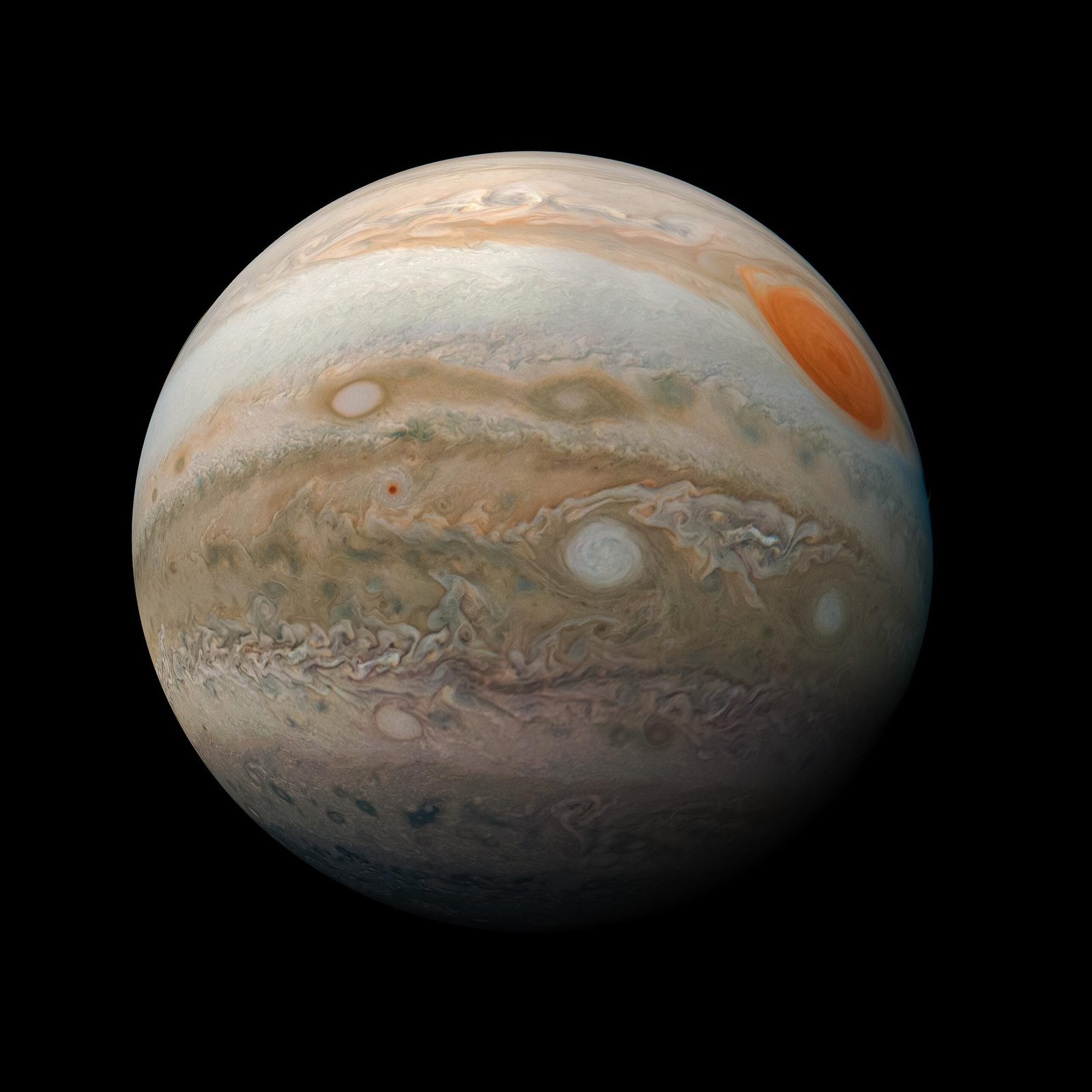
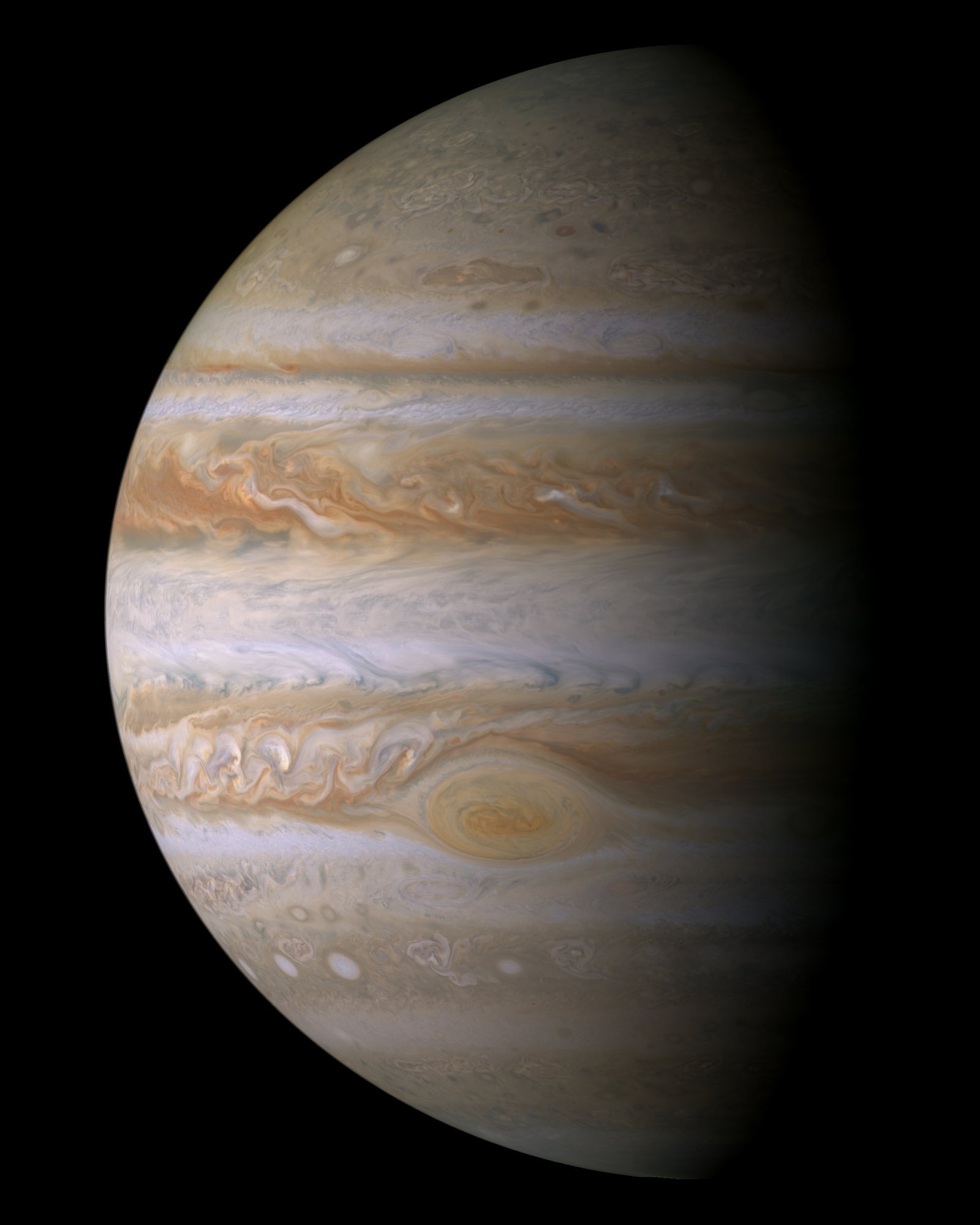
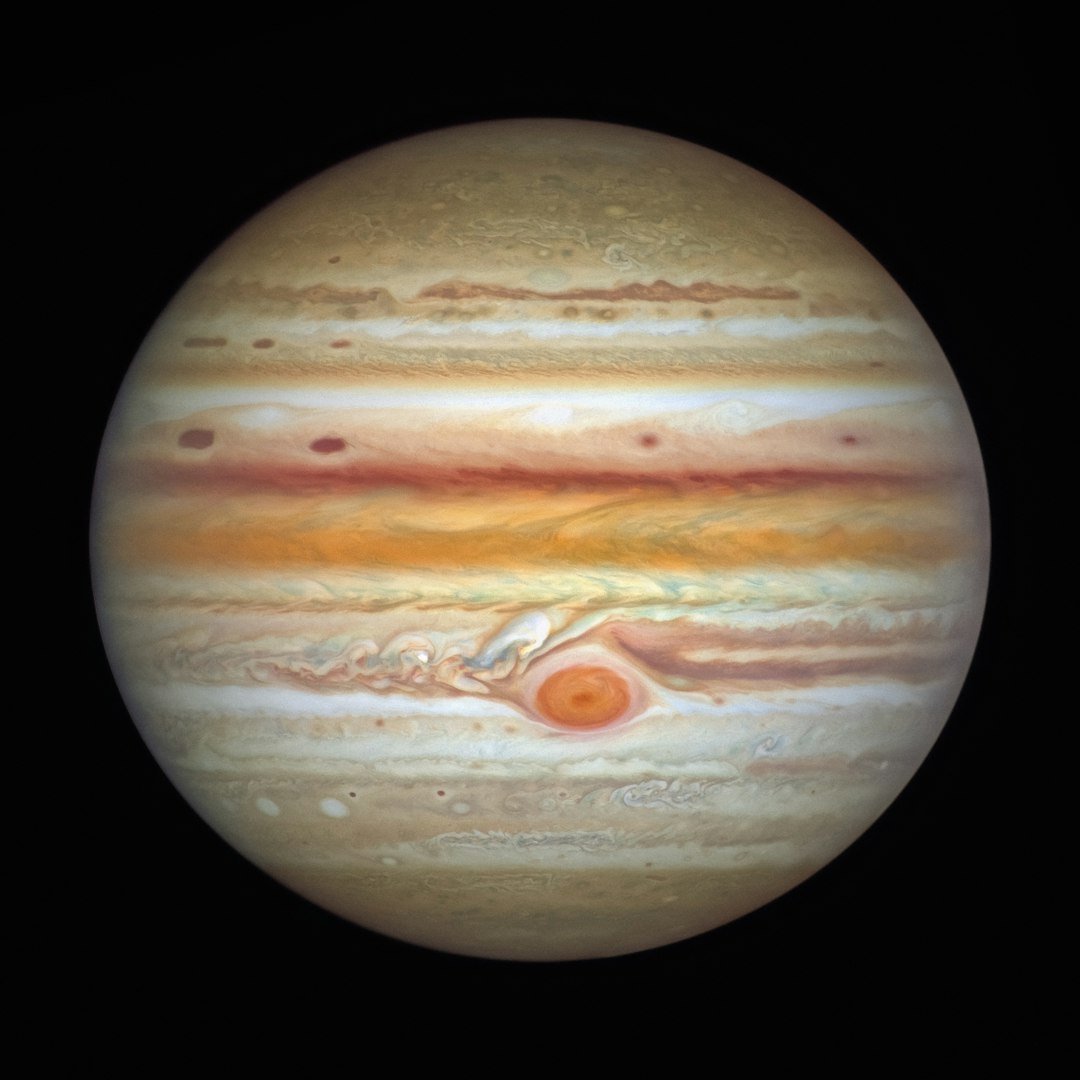
Maybe the most iconic storm in the solar system, Jupiter’s Great Red Spot has been swirling for centuries – but it appears to be slowly shrinking, from twice Earth’s size in 1979 to 1.3 times now. Juno plumbed the depths of this signature cyclone, showing that its roots run 200 miles deep, 50 to 100 times as deep as Earth’s oceans.
Data from NASA’s Juno mission has also revealed that the solar system’s largest planet is slightly smaller and more “squashed” than previously believed – a small but meaningful update after five decades of accepted measurements. Science keeps refining its picture of Jupiter. Astrology does too, in its own way. They simply use very different tools.
The Jupiter Loophole, as a concept, works best when treated as a framework for intention rather than a financial guarantee. Earth signs or not, the stars aren’t going to do the work. What makes this summer’s astrology conversation interesting is the way it intersects with genuine human desires – for stability, for growth, for a sense that timing matters. Whether that timing comes from Jupiter or from your own careful planning, the outcomes are built here on Earth.