

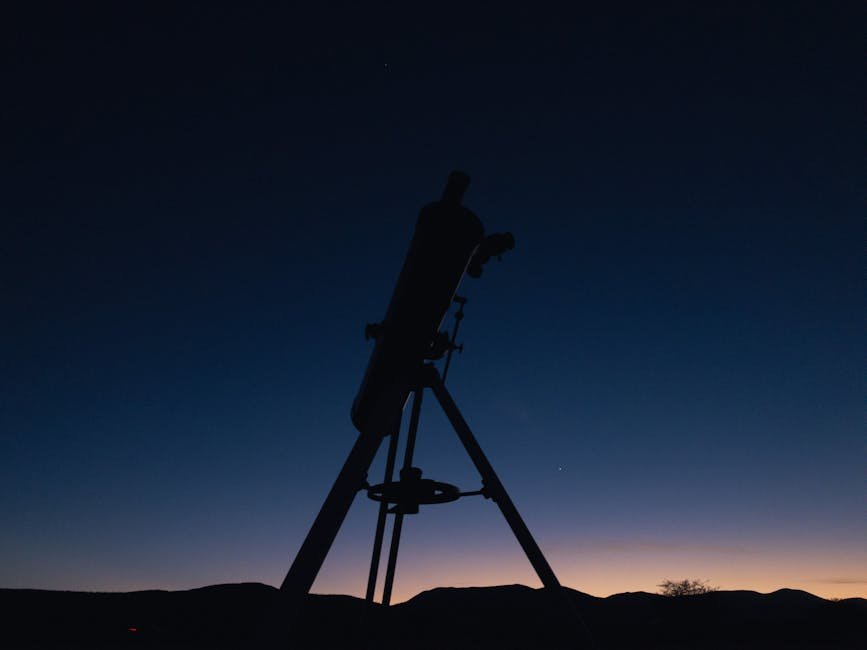
Surprisingly Urban Venues Can Shine Under the Stars (Image Credits: Pexels)
As spring brings milder evenings, astronomy fans seize the opportunity to step outside and reconnect with the stars. Local clubs and enthusiasts often collaborate to organize public viewing sessions that draw crowds eager for celestial sights. The thrill of peering through a telescope grows exponentially when shared, particularly with newcomers experiencing the universe’s grandeur for the first time.
Surprisingly Urban Venues Can Shine Under the Stars
Many assume dark-sky preserves offer the only viable spots for public events, yet thriving gatherings frequently occur in everyday settings. Astronomy groups in places like city parks, school lots, sports fields, and even breweries have hosted memorable nights. Organizers prioritize areas with minimal overhead lighting; property managers sometimes agree to dim fixtures for the occasion.
Practical measures enhance safety and visibility. Cones delineate parking from viewing zones to shield equipment and attendees from headlights. At busier sites near campgrounds, a designated traffic guide in a reflective vest keeps vehicles at bay. These adaptations transform ordinary locations into effective stargazing hubs.
Building a Diverse Equipment Lineup
A mix of optical tools ensures broad participation and excitement. Dobsonians stand out for their straightforward setup and user-friendly operation, making them favorites at outreach events. Smaller alt-azimuth mounts paired with Schmidt-Cassegrains allow automated slewing, which delights younger visitors as they activate targets.
Binoculars mounted on parallelogram stands accommodate varying heights swiftly. Accessories like laser pointers or focused flashlights help direct gazes skyward and narrate constellations during waits. This variety keeps lines moving and matches tools to different skill levels.
Safety Measures That Keep Eyes on the Sky
Preventing mishaps remains paramount amid enthusiastic crowds. Red illumination or glow-in-the-dark tape on tripod legs and obstacles minimizes tripping risks in low light. Stepstools equipped with handholds assist children and shorter adults in reaching eyepieces comfortably.
Opt for eyepieces featuring wide exit pupils and generous eye relief; these forgive alignment errors and suit glasses-wearers. Stock extra batteries for finderscopes and devices to avoid interruptions. Such preparations foster a secure environment where focus stays on the heavens.
Celestial Picks That Deliver the Wow Factor
Public audiences crave vivid, accessible spectacles over subtle deep-sky challenges. Planets and the Moon consistently elicit gasps, revealing crater edges and phases in startling detail. Bright stars like Vega or Sirius provide simple yet mesmerizing starters.
- Open and globular clusters sparkle with starfields that captivate all ages.
- Double stars reveal paired companions through modest scopes.
- Nebulae such as the Dumbbell (M27), Ring (M57), and Orion (M42) offer glowing clouds of gas and dust.
These selections guarantee high engagement without demanding perfect conditions.
Turning Views into Stories
Narration elevates the experience beyond mere peeks. As lines form, preview the sight – “a compact gray disk,” “a starry haze,” or “swirling arms” – to prime observers. Follow with context: object type, distance, size, galactic home, formation process, and internal dynamics.
This storytelling builds lasting connections. Attendees leave not just with images burned in memory, but knowledge that sparks further curiosity. Clubs refine these techniques over repeated events, honing delivery for maximum impact.
Key Takeaways
- Select venues flexibly, prioritizing light control and traffic management.
- Diversify gear for inclusivity, from Dobsonians to binoculars.
- Emphasize safety with lighting, aids, and user-friendly optics.
Armed with these strategies, hosts create nights that kindle widespread passion for astronomy. Communities gain shared moments under the stars, fostering future skywatchers. Ready to organize your own event? Share your plans or experiences in the comments below.