

The Moon has never been a quiet place. Humans have been flinging hardware at it since the 1950s, and most of that activity has been carefully logged. Most. The uncomfortable reality is that there are objects in cislunar space, the vast region between Earth and the Moon, that nobody fully owns, nobody fully understands, and in some cases nobody even identified until they smashed into something.
This is not a story about alien spacecraft. It’s actually stranger than that. It’s about how poorly humanity tracks its own objects near the Moon, what scientists have actually confirmed, and why four documented cases of genuinely puzzling lunar-orbit objects reveal a serious gap in space awareness that is only becoming more urgent as a new era of Moon missions accelerates.
The “Cone of Shame”: Why Moon Orbit Is Basically Unwatched

Before getting to the objects themselves, the context matters. The U.S. Space Force tracks large pieces of debris using radar, but only out to geostationary orbit, roughly 58,000 kilometers away from Earth. The Moon is nearly 400,000 kilometers from Earth, and little is known about objects that pass within 70,000 kilometers of its surface, an area researchers have called the “cone of shame.”
Historically, NASA and the U.S. military have not closely tracked space debris from the many dozens of crewed and robotic missions to the Moon. There is no international agency that monitors lunar objects, either. This lack of oversight is why scientists don’t know the location or orbit of the vast majority of lunar space debris.
Today, experts estimate that there are a few dozen pieces of space junk like spent rocket bodies, defunct satellites, and mission-related debris orbiting in cislunar space. While this isn’t yet a large amount of junk, astronomers have very little information about where these pieces of space debris are, let alone what they are and how they got there.
Object #1: WE0913A, the Mystery Impactor That Left Two Craters
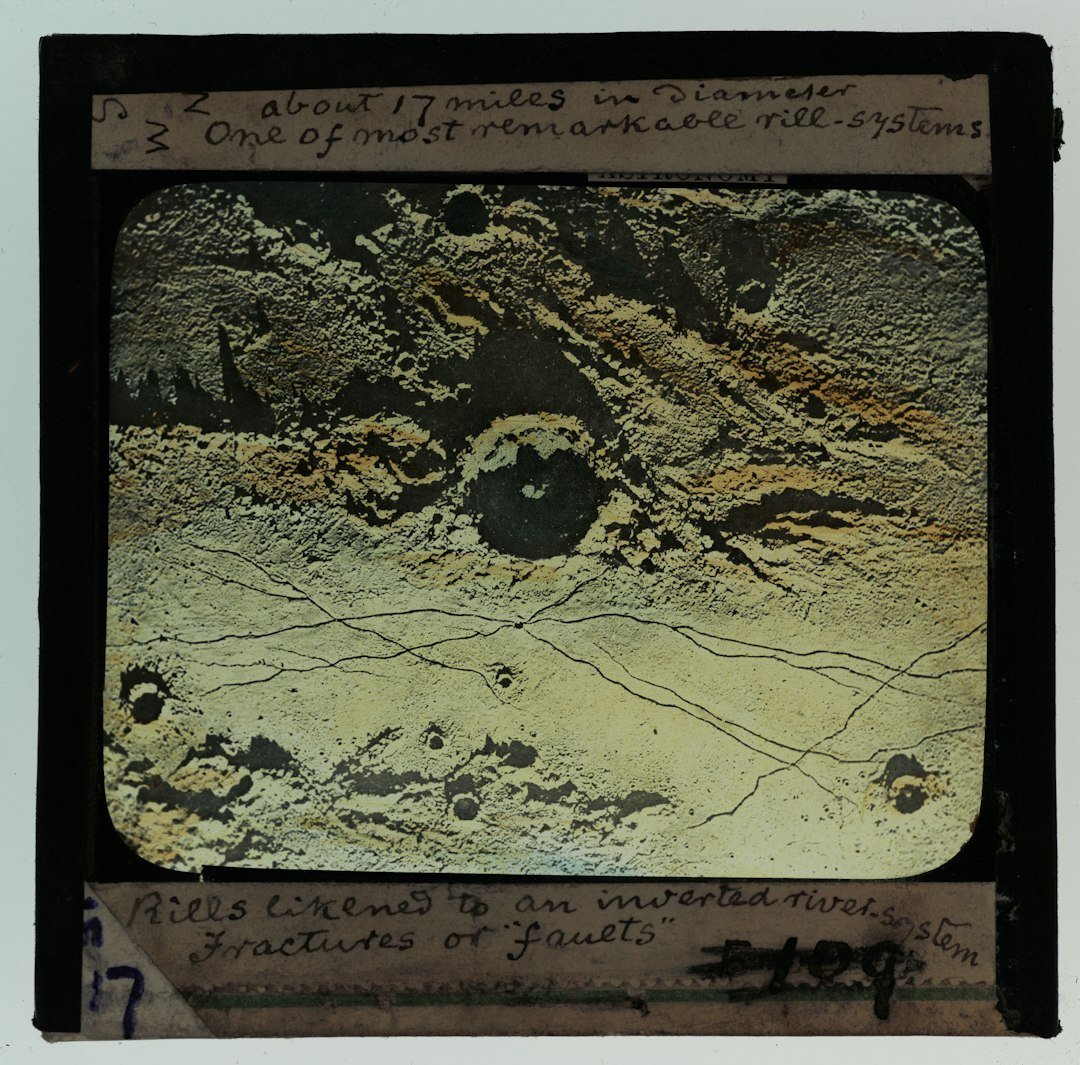
Seven years before it made headlines, researchers at the University of Arizona’s Catalina Sky Survey discovered an object moving at a brisk pace between Earth and the Moon. They assigned it the designation WE0913A, but its identity was unknown.
In March 2022, a defunct part of a space rocket hurled toward the Moon’s surface and impacted near the Hertzsprung Crater, an enormous impact feature on the far side of the Moon never directly visible from Earth. Curiously, unlike any other space hardware that had previously struck the Moon, this one left behind not one but two craters.
At least 47 NASA rocket bodies have crashed into the Moon, according to Arizona State University, but the double crater was unexpected. No other rocket body impacts on the Moon had ever created double craters. That anomaly prompted a deeper investigation into what, exactly, WE0913A actually was.
Object #1 (Continued): The Hidden Payload Nobody Can Explain

After extensive research, scientists discovered the object was most likely part of the third and topmost stage of the Long March 3C rocket, which launched China’s Chang’e 5-T1 lunar mission in October 2014. While the Chinese space agency claimed the rocket booster burned up in Earth’s atmosphere upon re-entry, U.S. tracking told a different story.
On top of confirming the rocket’s identity, researchers also found evidence that the abandoned rocket stage likely carried an “undisclosed, additional payload.” They argued that the rocket stage was balanced out with a significantly sized counterweight to the two engines, each of which weighed around 544 kilograms.
As for the Chang’e 5-T1 rocket’s extra payload, there is a good chance its identity will remain mysterious. “Obviously, we have no idea what it might have been,” said researcher Tanner Campbell. “Perhaps some extra support structure, or additional instrumentation, or something else.” The object that rode that rocket to its death on the lunar far side will likely never be identified.
Object #2: Danuri, the Korean Orbiter That Briefly Looked Like Something It Wasn’t
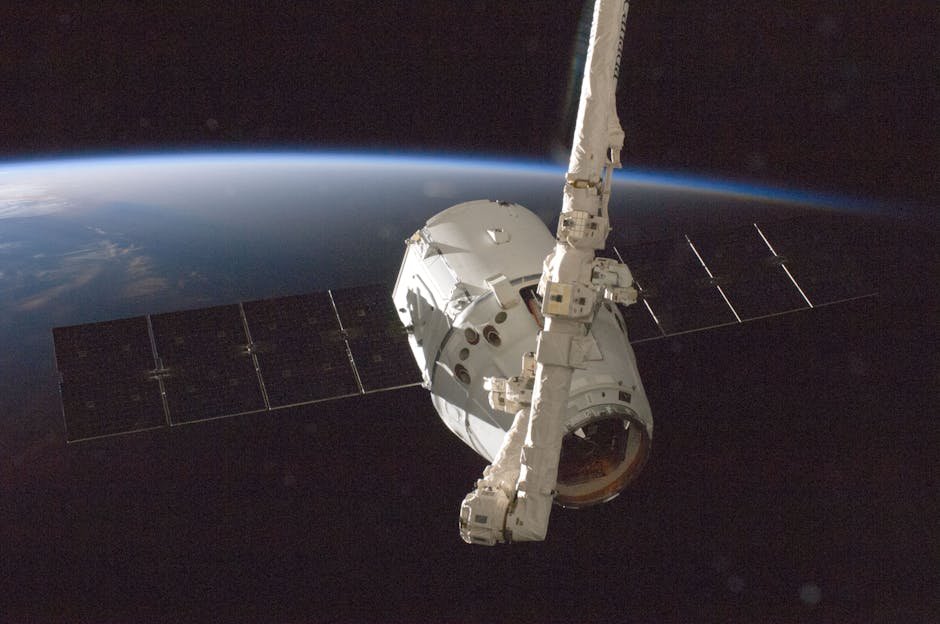
Danuri is South Korea’s first spacecraft on the Moon and has been in lunar orbit since December 2022. It represents a genuinely active and known mission, yet its orbital proximity to NASA’s Lunar Reconnaissance Orbiter (LRO) created a brief and telling moment of confusion that highlights how crowded cislunar space is becoming.
Scientists revealed that LRO captured several images of the Korea Aerospace Research Institute’s Danuri lunar orbiter, which appeared mysterious unless explained. NASA confirmed that the two spacecraft zipped past each other in opposite directions between March 5 and 6, 2024, both traveling in nearly parallel orbits.
NASA said that the LRO operations team at Goddard Space Flight Center in Greenbelt, Maryland needed “exquisite timing” in pointing their narrow-angle camera to the right place at the right time to catch a glimpse of Danuri. LRO’s narrow-angle camera captured the images during three orbits that happened to be close enough to Danuri’s path. The larger lesson here is that even known missions can look genuinely baffling without proper cross-referencing of orbital data.
Object #3: The Mysterious “Arjuna” Fragment With a Lunar Origin

The small near-Earth object 2024 PT5 captured significant attention after a NASA-funded telescope discovered it lingering close to, but never fully orbiting, our planet for several months. The asteroid was first detected on August 7, 2024, by the NASA-funded Sutherland, South Africa telescope of the University of Hawaii’s Asteroid Terrestrial-impact Last Alert System, known as ATLAS.
Upon studying 2024 PT5, researchers found that its composition was similar to rocks brought back during the Apollo program and by the Soviet Union’s Luna 24. They suspect that this asteroid was created when something crashed into the Moon.
The effects of solar radiation pressure were found to be too small for the object to be artificial, proving 2024 PT5 is most likely of natural origin. Its discovery doubles the number of known asteroids thought to originate from the Moon. The object is not a spacecraft, but its existence confirms that a previously uncharted population of Moon-derived material drifts through near-Earth space, quietly and without any formal catalog entry.
Object #4: Kamo’oalewa, the Ancient Fragment With a Dual Identity
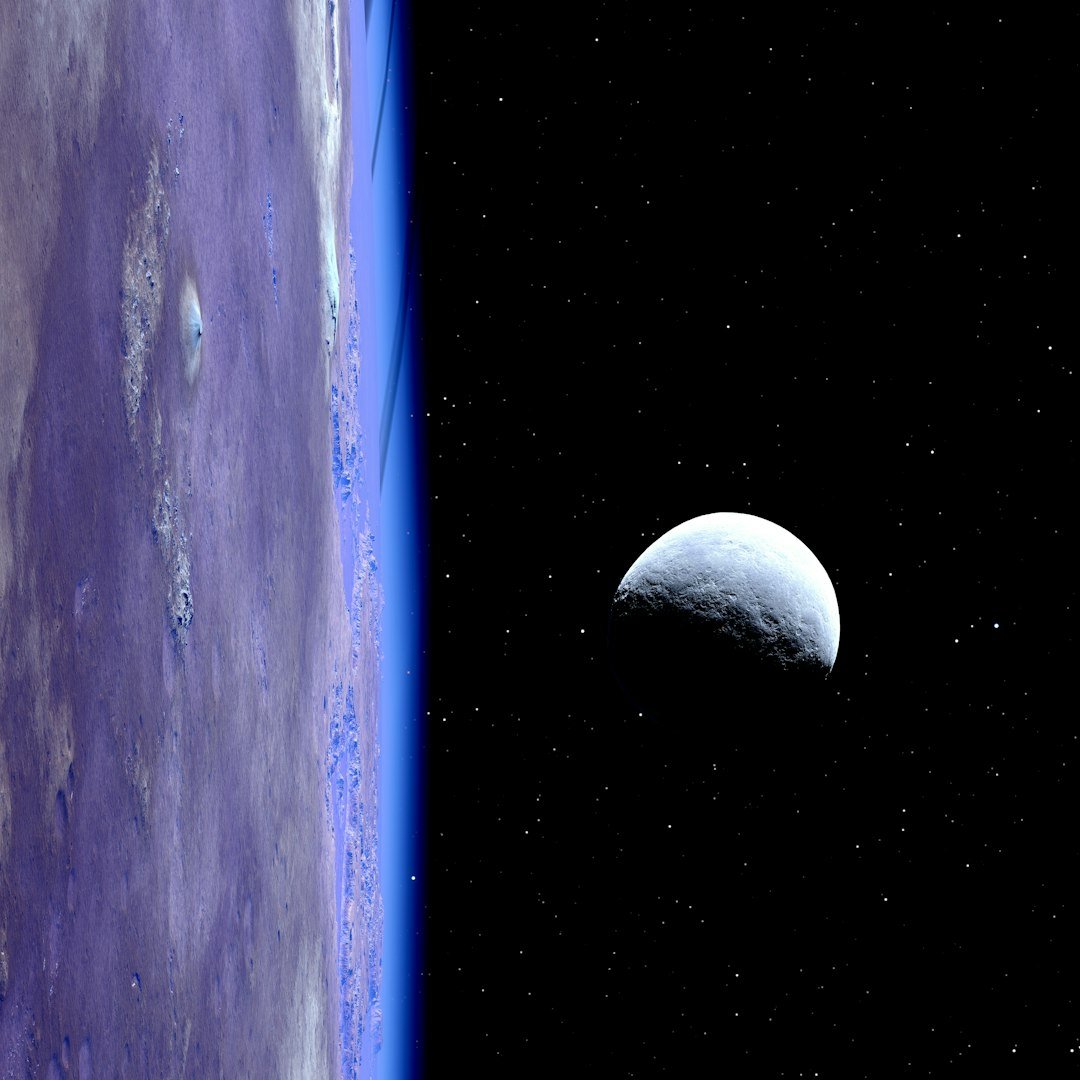
Asteroid 469219 Kamo’oalewa was found in 2016 with an Earth-like orbit around the Sun, indicating that it may also have been ejected from the lunar surface after a large impact. For years it was listed as simply another near-Earth asteroid. Then spectroscopic analysis quietly changed everything.
Kamo’oalewa is just one of a handful of known quasi-moons with orbits near our planet, and is also thought to be an ancient lunar fragment. It is one of the destinations of China’s Tianwen-2 mission, launched in May 2025, which aims to collect and return samples from the space rock in 2027.
Currently, there are seven known quasi-satellites near Earth, according to the European Space Agency. Kamo’oalewa stands out from the rest because its physical properties point strongly toward the Moon rather than the asteroid belt. Whether it was blasted free by a catastrophic impact millions of years ago or more recently remains an open question, and one that the Tianwen-2 mission may finally help answer.
The Debris Problem: A Slow-Motion Crisis at the Moon
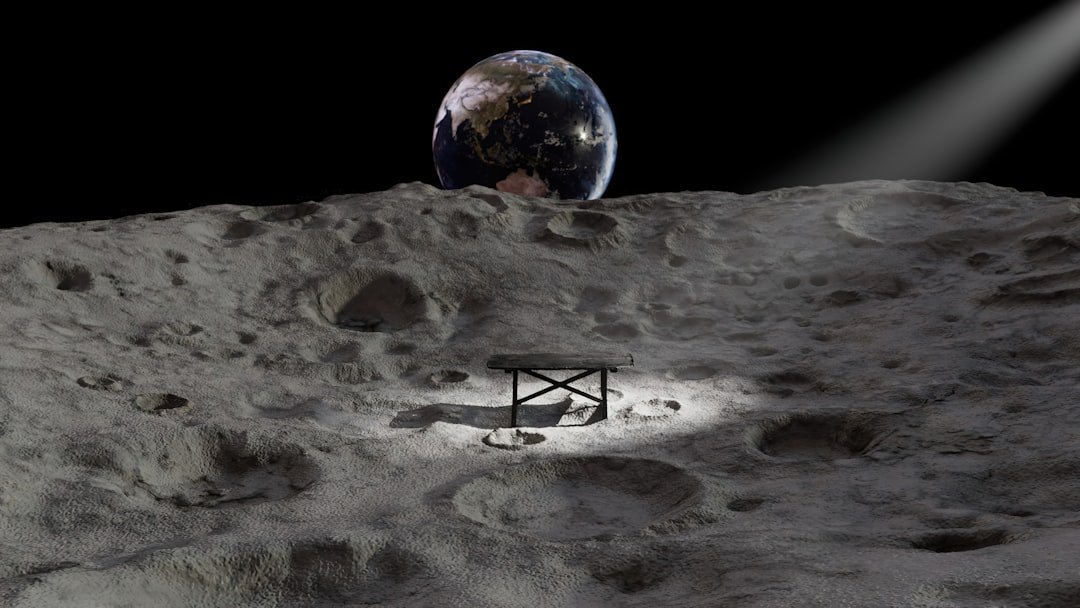
Future aspirations in space are turning toward the Moon and beyond. On top of keeping low-Earth orbits safe for human space explorers, keeping cislunar space, the region between Earth and the Moon, clean is becoming an area of increasing importance. Without strong gravity and a thick atmosphere to gradually remove debris from orbit, it is crucial to apply the lessons learned and keep lunar orbits free of debris from the start.
Researchers estimate there are probably fewer than 200 large pieces of space junk around the Moon, although nobody knows for sure. In the next five years, that number could increase significantly, with roughly 50 planned missions from the United States, China, Russia, other countries, and private companies targeting the lunar surface or its orbital space.
These objects won’t simply go away. In the near total vacuum of space, anything left in orbit around the Moon or in cislunar space will likely remain there for at least decades. That persistence is exactly what makes the tracking gap so consequential. Objects that no one monitors today become collision hazards for the astronauts and spacecraft of tomorrow.
How Scientists Are Trying to Build a Catalog
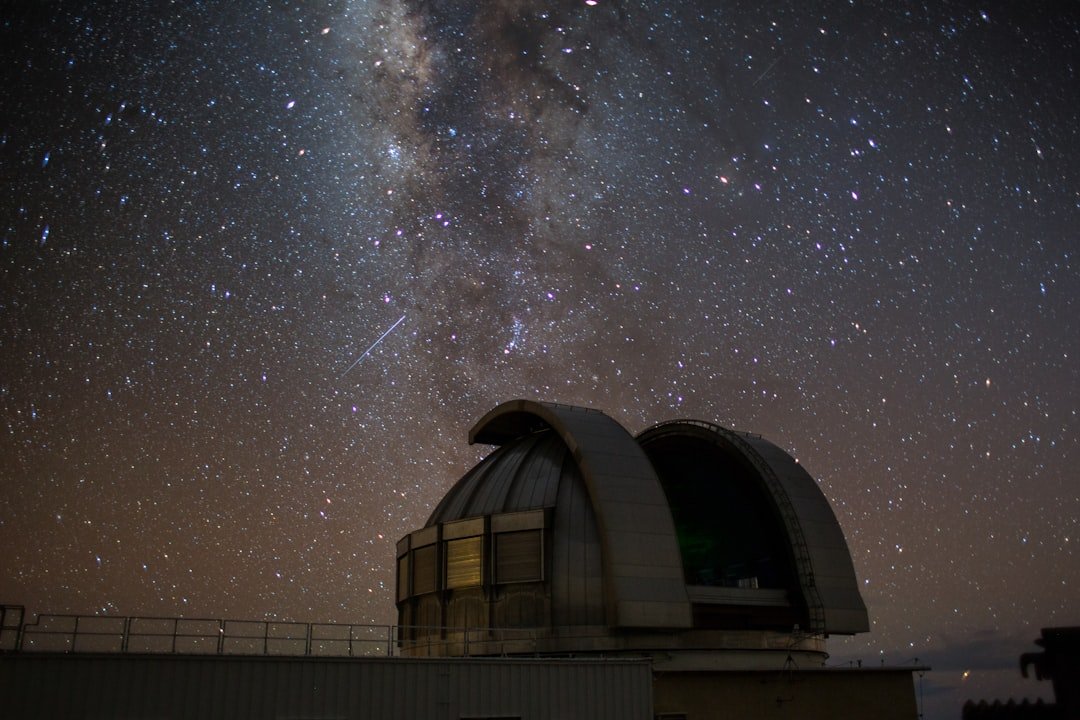
To characterize both old and new space debris, once researchers figure out where an object is, they use optical and near-infrared telescopes on Earth to capture the object’s spectral signature, the specific wavelengths of light that bounce off an object’s surface. By doing this, they can figure out what material an object is made of and identify it.
The U.S. Air Force Research Laboratory awarded Vishnu Reddy and colleagues $7.5 million to develop better ways to track lunar space junk. His students have built a small, 61-centimeter telescope to search for distant debris, and they are developing algorithms that can distinguish reflective artificial specks from the harsh glare of the Moon.
According to international space law, the party that launched an object is responsible for any damage incurred by its activity, even if it is no longer under their control. That makes identification more than a scientific curiosity. It is a legal necessity, and right now the catalog is badly incomplete.
The New Race to the Moon Is Making This Urgent
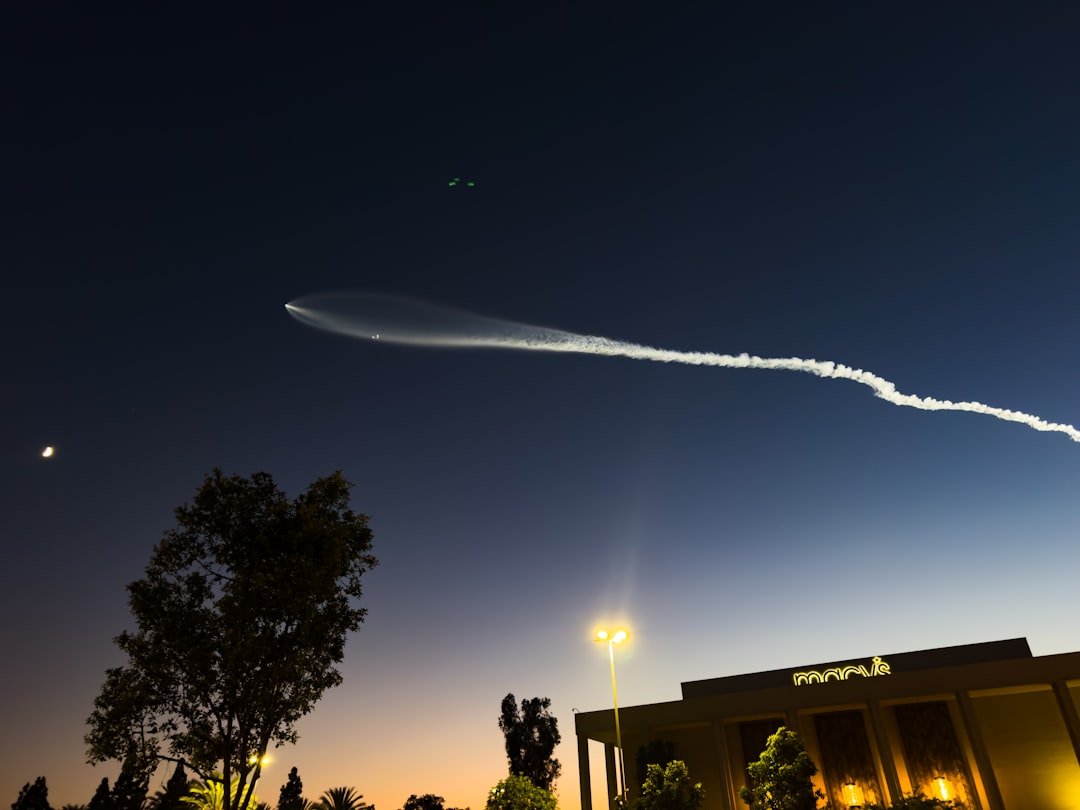
Humanity is at the beginning of a new wave of lunar exploration. Over the next ten years, six countries and several commercial companies have plans for more than 100 missions. With every mission, the risk of a collision with existing debris increases, and so too does the total amount of debris as missions leave junk behind.
In 2025 alone, three private robotic landers attempted to land on the Moon, resulting in one full success (Blue Ghost M1) and one partial success (IM-2). Each mission also means more hardware placed into, or passing through, cislunar space. Some of it will be tracked. Some almost certainly will not.
As one researcher noted, “there’s a big push on both the governmental and commercial level to go to the Moon, and once you’re putting more and more objects on the Moon, it becomes extremely important that we not only track the object, but also understand what they are going to do once they get there.” That observation cuts to the heart of the problem. Speed of ambition is currently outpacing the infrastructure for accountability.
What “Unidentified” Actually Means Near the Moon
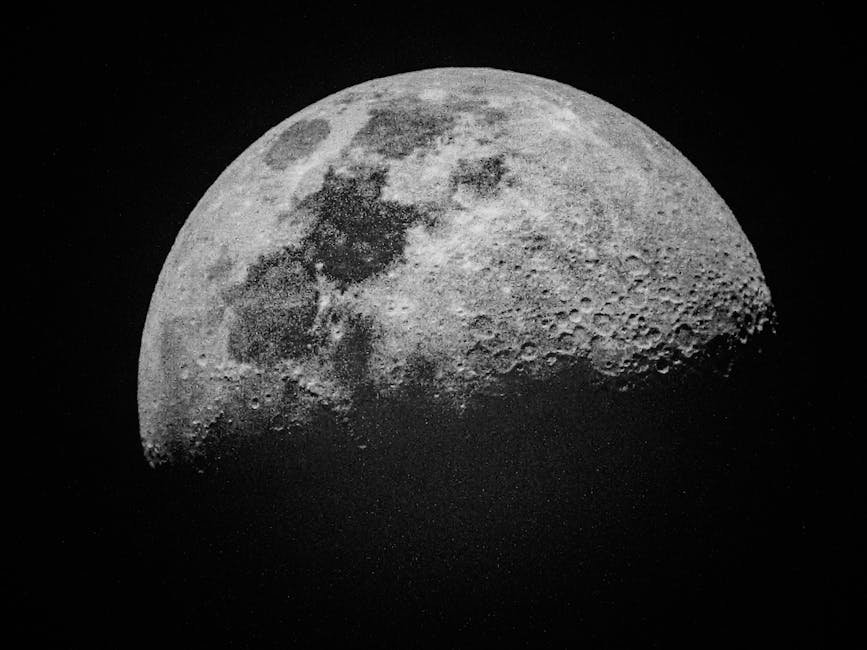
Identifications of high-flying space junk often require significant detective work, and sometimes researchers never do figure out the identity of a piece of debris. There are a handful of unidentified bits of junk out there, at least not identified yet.
The confusion surrounding the booster’s origins illustrates just how hard it is to track space junk in the vicinity of the Moon. With many countries and companies preparing to head to the Moon and beyond in the coming years, researchers are bracing for the problem of lunar pollution to grow.
None of the four objects in this article are alien technology. They are something arguably more unsettling: humanity’s own hardware, lost, misidentified, or simply forgotten in a vast region of space where nobody has been watching closely enough. The Moon’s neighborhood is not as empty as it looks, and the gap between what is up there and what anyone can account for is real, documented, and growing every year.
Conclusion: The Shadow Fleet Is Mostly Our Own Making
Establishing serious debris tracking reinforces the importance of long-term sustainability for lunar missions, specifically preventing the generation of orbital debris. The growing number of space missions escalates the risk of spacecraft collisions, whether with other spacecraft or space debris.
These efforts are designed to ultimately form the basis for a catalog that will help lead to safer, more sustainable use of cislunar orbital space as humanity begins its expansion off of Earth. That catalog does not yet exist in any comprehensive form. Scientists are building it incrementally, with limited funding and limited tools, against a backdrop of accelerating mission traffic.
The “shadow fleet” near the Moon is a mirror, not a mystery. It reflects decades of launching things into space without fully committing to knowing where they end up. As NASA’s Artemis program, commercial landers, and Chinese and international missions all converge on the same narrow patch of cislunar space, getting serious about this accounting is no longer optional. The objects that vanished into orbit without explanation once were an inconvenience. In the coming decade of lunar infrastructure, they become a genuine hazard, and an honest measure of how responsibly the species is managing its newest frontier.