
Marvel has spent the better part of a decade building toward something. Not just a movie, but a reckoning. The kind that changes everything before it and everything after. With the Infinity Saga, the cost was Tony Stark and Natasha Romanoff. With the Multiverse Saga, the question hanging over every trailer and every carefully leaked cast list is simpler and more unsettling: who doesn’t make it out?
What’s coming in late 2026 isn’t just a blockbuster. It’s a structural overhaul. The return of the Russo brothers as directors and Stephen McFeely as co-writer, alongside the casting of Robert Downey Jr. as new villain Doctor Doom, and the new subtitle “Doomsday” for the first film, were all announced in July 2024. That creative reunion alone signaled that Marvel was done playing it safe. The machine is back, pointed at legacy characters like a loaded gun. Here’s why all signs point to a permanent goodbye for at least three of the originals.
The Endgame Blueprint Is Being Used Again, On Purpose
There’s a reason fans started talking about “Endgame energy” the moment the first Doomsday teasers dropped. Marvel isn’t hiding the comparison. Though Doomsday and Secret Wars are the conclusion of the Multiverse Saga, the Russo brothers saw the two films as a new beginning for the MCU in contrast with the ending story they told with Infinity War and Endgame. That framing matters more than it might seem. Endings require sacrifice. Beginnings require clearing space.
Similar to how “Infinity War” and “Endgame” brought together the Guardians of the Galaxy, the Wakandans, and the Avengers, “Doomsday” intermixes Earth’s Mightiest Heroes with the X-Men, the Fantastic Four, and the Thunderbolts. With a cast that enormous, not everyone can walk away intact. The Infinity Saga already proved that emotional finality sells. The studio knows it works. They’re doing it again, just with a wider net and more to lose.
The Three Faces Most Likely to Fall
The original Avengers lineup has already been thinned considerably. Tony Stark died in Endgame, Natasha Romanoff died in the same film, and now those absences define the post-Endgame MCU in ways Marvel is still reckoning with. The two main faces of the universe, Chris Evans’ Captain America and Robert Downey Jr.’s Iron Man, left, with Scarlett Johansson’s Black Widow completing the picture. That’s three permanent exits already baked into canon.
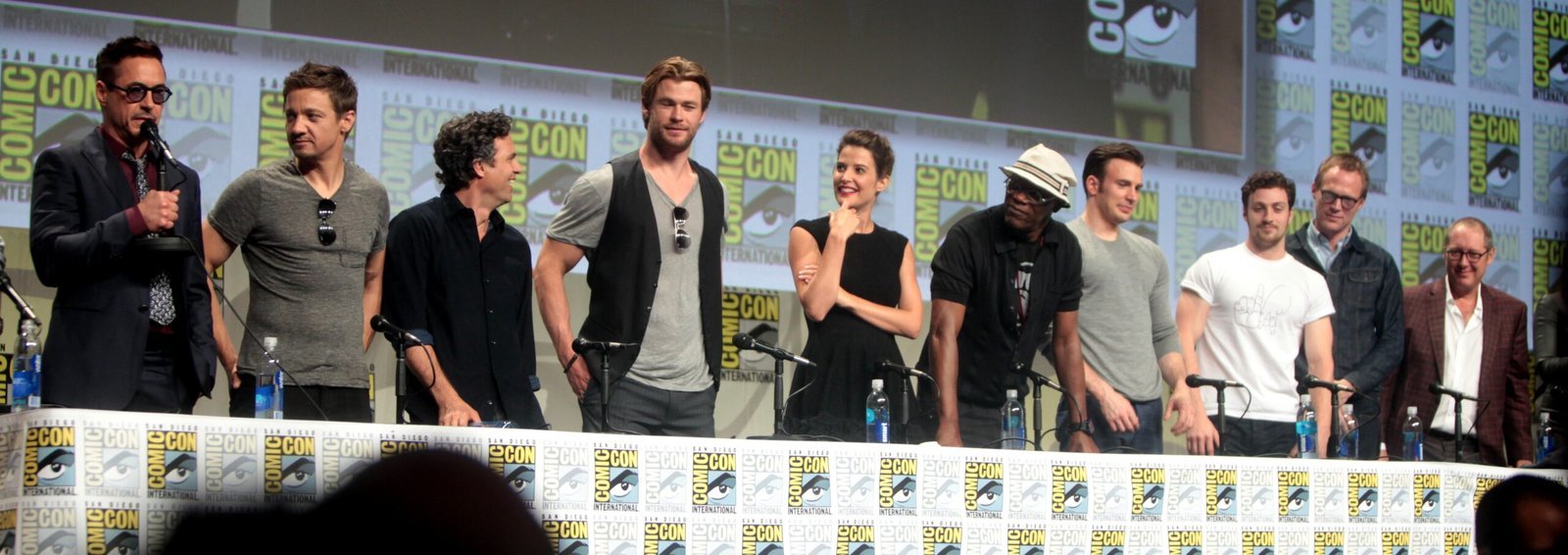
What’s different now is that the remaining originals are being pulled back in for one final lap. Avengers: Doomsday is confirmed to feature three original Avengers actors, including Chris Hemsworth’s Thor, Chris Evans’ Steve Rogers, and Robert Downey Jr. stepping into a new role as Doctor Doom. Steve Rogers is back as a father figure. Thor is back with his adoptive daughter Love. Downey is back not as a hero but as the villain. The emotional geometry of all three arcs points toward finality, not continuation.
Thor’s Ticking Clock
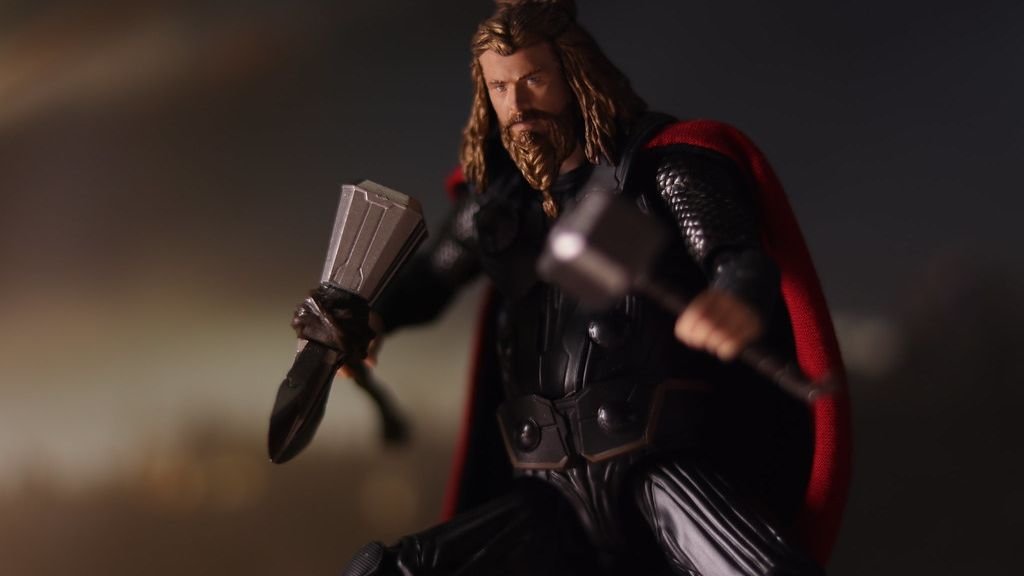
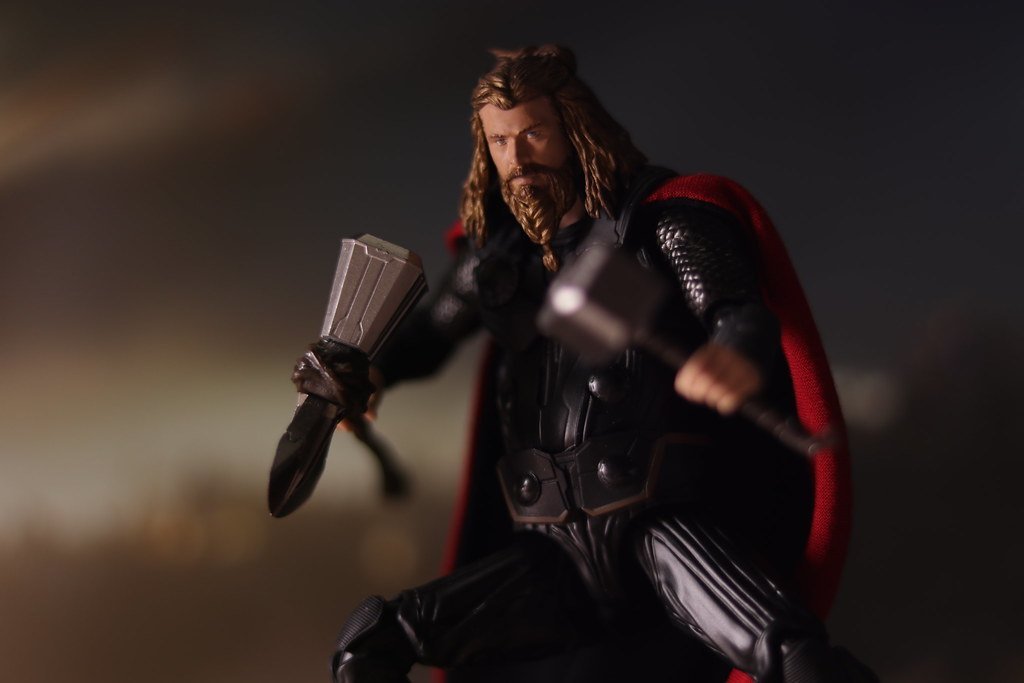
In the second Doomsday teaser, Thor prays to his father Odin for the strength to return to his adopted daughter Love after the coming battle. That kind of framing, a warrior asking for one more chance to come home, is rarely accidental in Marvel storytelling. Due to the bleak nature of the teaser, with Thor asking for help to survive the fight and come home to his adoptive daughter Love, rumors about the God of Thunder dying in Avengers: Doomsday began to gain strength.
The good news, if you can call it that, is one small data point that suggests Thor might survive Doomsday. Speaking to BuzzFeed UK, MCU Hulk actor Mark Ruffalo seemingly revealed that Chris Hemsworth will return as Thor in Avengers: Secret Wars. The reveal happened during a game where actors had to say who appeared in more superhero projects. As Hemsworth counted his Avengers appearances, Ruffalo said, “Six… well, there will be,” to which the Thor actor replied, “Yeah, but we have not shot that one.” With Doomsday principal photography finished, Hemsworth has shot five Avengers films, so Secret Wars would be the sixth. Surviving Doomsday doesn’t mean surviving Secret Wars, though. If anything, it just delays the inevitable.
Steve Rogers and the Weight of a Final Chapter
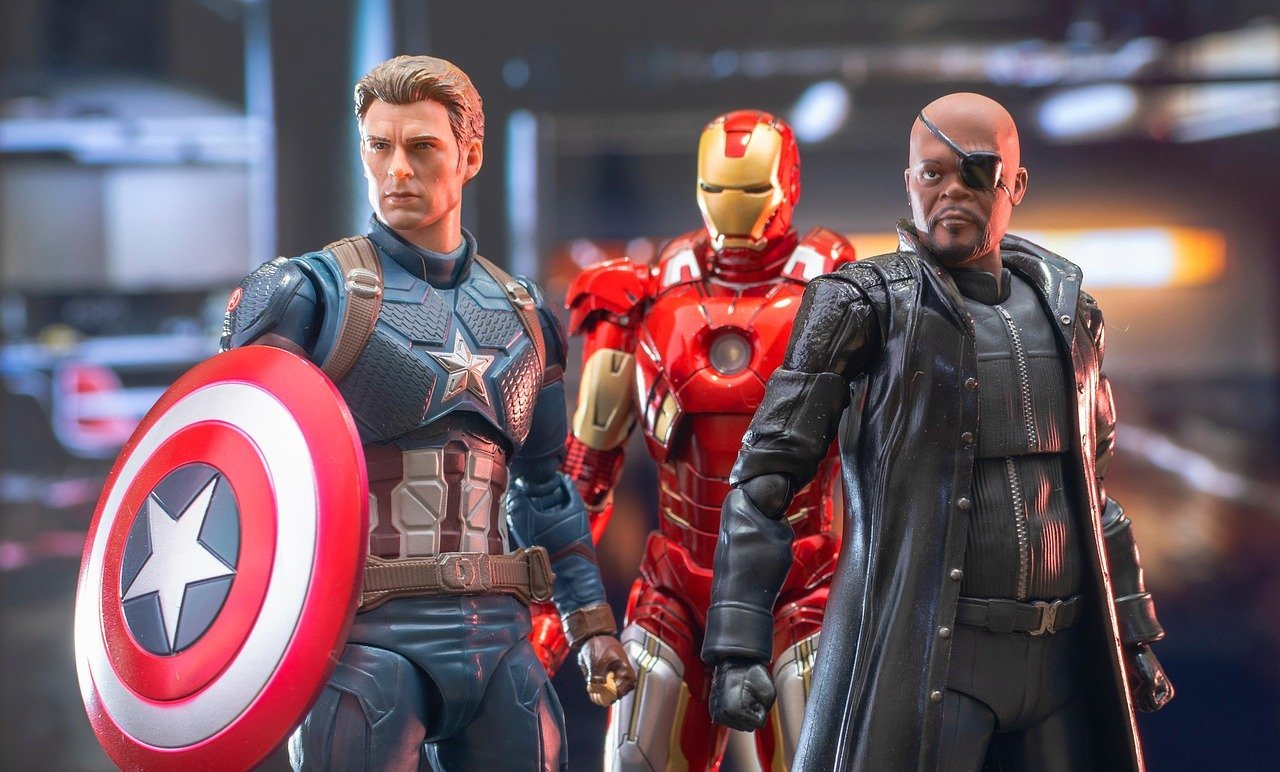
Fans were already shocked at the end of 2025 when the Russo Brothers revealed Chris Evans’ return as Steve Rogers in the first official trailer for Avengers: Doomsday. Shown to be a father in this story, his specific role in the MCU’s next Avengers movie is still unknown, but he is expected to be a vital part of the battle against Doctor Doom. Evans stepping away from the MCU after Endgame was considered final. His return is the kind of storytelling move you make when you need to close something permanently, not reopen it.
Marvel is well aware that replacing the original Avengers is a daunting task for the studio that has yet to pay off. Recently, during a roundtable with members of the press, Marvel Studios President Kevin Feige explained that he believed Captain America: Brave New World’s failure was because the movie “was the first without Chris Evans.” That candid admission tells you exactly why Evans is back. His return isn’t a new beginning for Steve Rogers. It’s a necessary ending, done properly this time. The franchise needs to close this chapter in a way audiences actually feel.
The Hulk’s Conspicuous Absence From Doomsday
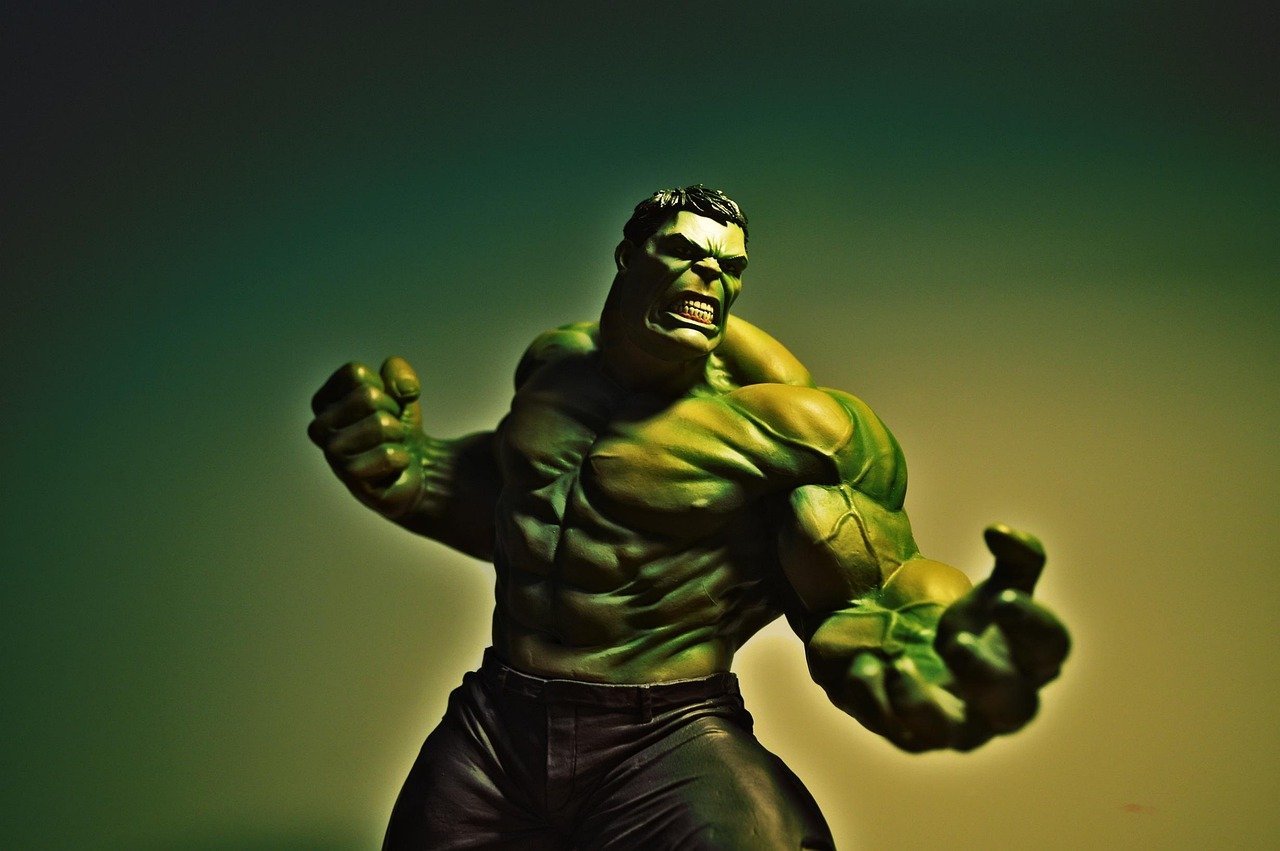
Of all the missing originals, Bruce Banner’s absence from Doomsday is perhaps the most quietly revealing. Mark Ruffalo has revealed that the Hulk will not appear in Avengers: Doomsday. That’s a notable omission when you consider that while Ruffalo has been the face of Bruce Banner since 2012, his absence from the next ensemble epic comes as a surprise to fans, especially as core veterans Chris Evans, Chris Hemsworth, and Robert Downey Jr. prepare for their returns to the franchise.
The Hulk won’t be idle, though. Jon Bernthal, Mark Ruffalo, and Zabryna Guevara reprise their MCU roles as Frank Castle/Punisher, Bruce Banner/Hulk, and Sheila Rivera respectively in Spider-Man: Brand New Day. Whether that solo-adjacent appearance serves as a springboard into Secret Wars, or a farewell in disguise, remains genuinely unclear. If Ruffalo’s Hulk is truly not in Avengers: Doomsday, there is a chance that Bruce Banner could appear a year later in Avengers: Secret Wars, which will reboot the MCU in some form. The timing feels intentional. Keep him out of Doomsday, build anticipation, then bring him in for the bigger reset. That pattern has Marvel fingerprints all over it.
The Secret Wars Reset and What It Means for Legacy Characters
Here’s where things get genuinely complicated. A death in Doomsday or Secret Wars might not carry the same permanent weight it would have in the Infinity Saga era. In July 2025, Feige confirmed that Secret Wars would “reset” the MCU with a new “singular timeline” and a recast X-Men team would be introduced. He avoided using the term “reboot,” saying it was a “scary word” that means different things to different people. He added that there was potential for other MCU characters to be recast as well, feeling this was inevitable.
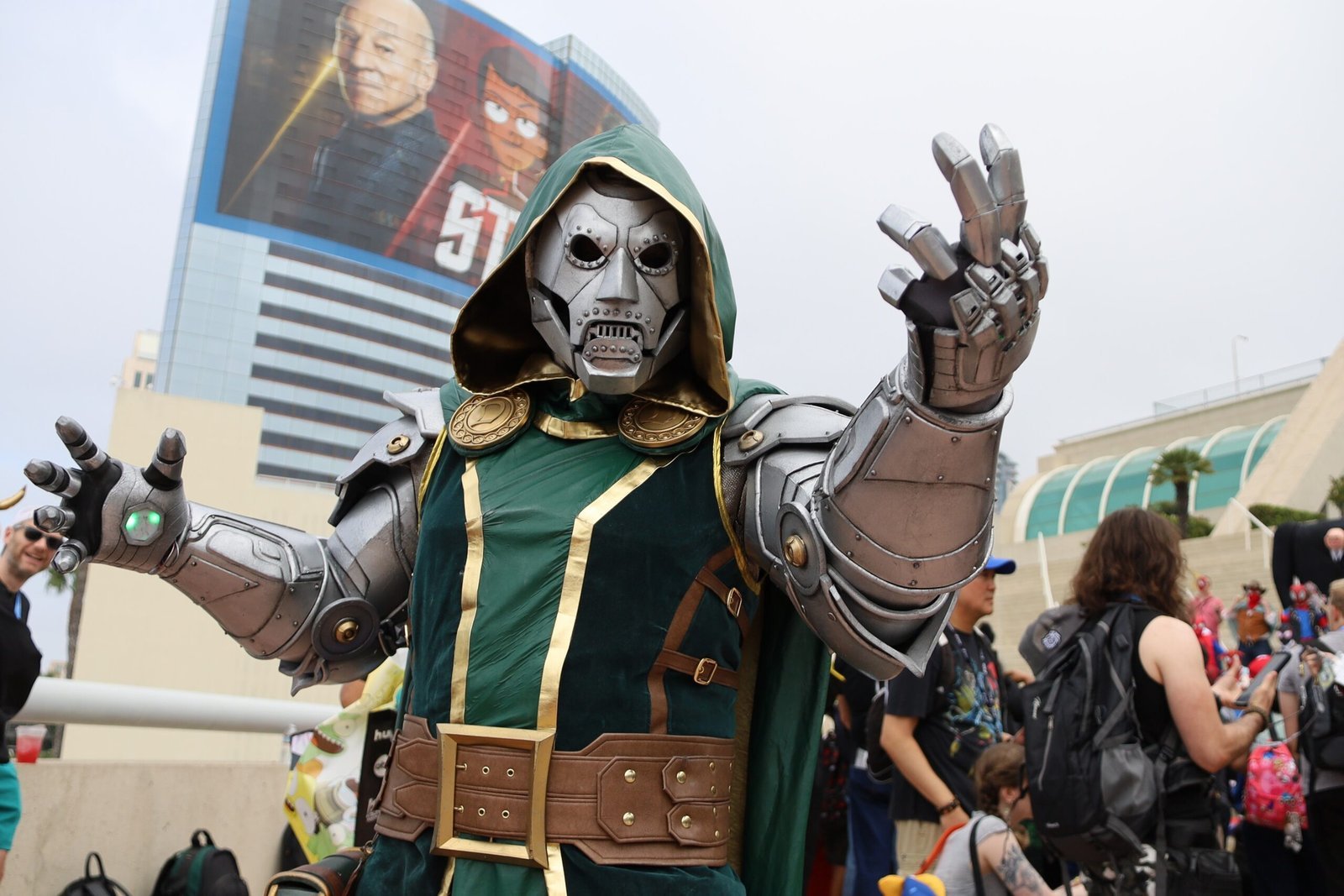
In Jonathan Hickman’s Secret Wars saga, Doctor Doom seizes godlike power, builds Battleworld from the wreckage of countless universes, and rules as God Emperor Doom. By the end, Reed Richards defeats him and restores the multiverse, ushering in an “All-New, All-Different” Marvel era. The MCU appears to be adapting this framework closely. By folding different universes into one, the door would also be open to recasting major roles, as new versions of beloved MCU heroes and villains could rise to star in the next decade or more of the franchise’s slate of projects. A “permanent” death in this context means something different. It means the version of the character you grew up with is gone, even if a new actor eventually steps into the same suit.
The Franchise Math That Makes Character Deaths Necessary

The MCU has shown signs of weakness over the past four years or so, struggling to launch new characters and spreading itself too thin. This has resulted in some drastic changes behind the scenes to bring audiences back, bring budgets down, and restore the MCU to its former glory. Legacy characters returning for one final act isn’t just fan service. It’s a business decision framed as emotional closure. Marvel needs those goodbyes to land with weight because the next era depends on them feeling genuine.
The post-Secret Wars MCU, with a fresh singular timeline, a new X-Men, and characters potentially recast, requires that the old guard actually leave. As part of this reset, Marvel will gradually transition into a new era, which includes recasting several iconic characters such as Tony Stark and Steve Rogers. Recasting doesn’t work if the original actors are still available and still showing up. The “Armageddon Protocol,” whatever form it takes on screen, exists precisely to create that clean break. Not for shock value, but for structural necessity.
No Official Confirmation, But the Patterns Speak Clearly
It’s worth being honest about what we know and what we don’t. There is no confirmed, official list of characters who will permanently die in Doomsday or Secret Wars. Marvel has kept plot details tightly under wraps. The Russo Brothers direct Avengers: Doomsday and Avengers: Secret Wars from a screenplay by Stephen McFeely, with whom they previously collaborated on the Avengers and Captain America franchises. The same team that gave us the Red Wedding of superhero cinema in Infinity War is back. That’s not a coincidence, and it’s not a comfort.
What the available evidence does support is a clear directional logic. Legacy characters are returning for narratively rich, emotionally loaded final arcs. The franchise is preparing a structural reset that requires those arcs to close. Fans anticipate permanent character deaths, reality restructuring, and an MCU narrative reset. Whether it’s Thor meeting his end in Secret Wars after surviving Doomsday, Steve Rogers finally laying down the shield for the last time, or Bruce Banner’s story quietly concluding in the chaos of a collapsing multiverse, the math points in one direction. The franchise owes these characters a real goodbye. All signs suggest it’s finally going to pay that debt.
Conclusion
The “Armageddon Protocol” may not be a real in-universe term, but the concept it describes is very real. Marvel is building to an ending that functions as a beginning, and that kind of structural storytelling requires genuine loss. The characters who started this universe deserve exits that feel earned, not just contractually convenient.
What makes this moment genuinely interesting isn’t the spectacle of who dies. It’s the question of what survives the reset. The Russo brothers saw the two films as a new beginning for the MCU in contrast with the ending story they told with Infinity War and Endgame. The original Avengers carried the MCU for nearly two decades. Letting them go, permanently and with weight, might be the most important thing Marvel does in the next two years. Sometimes the most powerful thing a franchise can do is say goodbye and mean it.