


That little glowing device on your kitchen counter looks harmless. Plays your music. Tells you the weather. Sets your timers. But here’s the thing – it’s also quietly doing something else entirely, something most people have never thought about. Every second of quiet in your home, every hushed conversation, every whispered argument, all of it passes through the microphone of a device that never really sleeps. Let’s dive into what’s actually going on.
The Device That Never Blinks
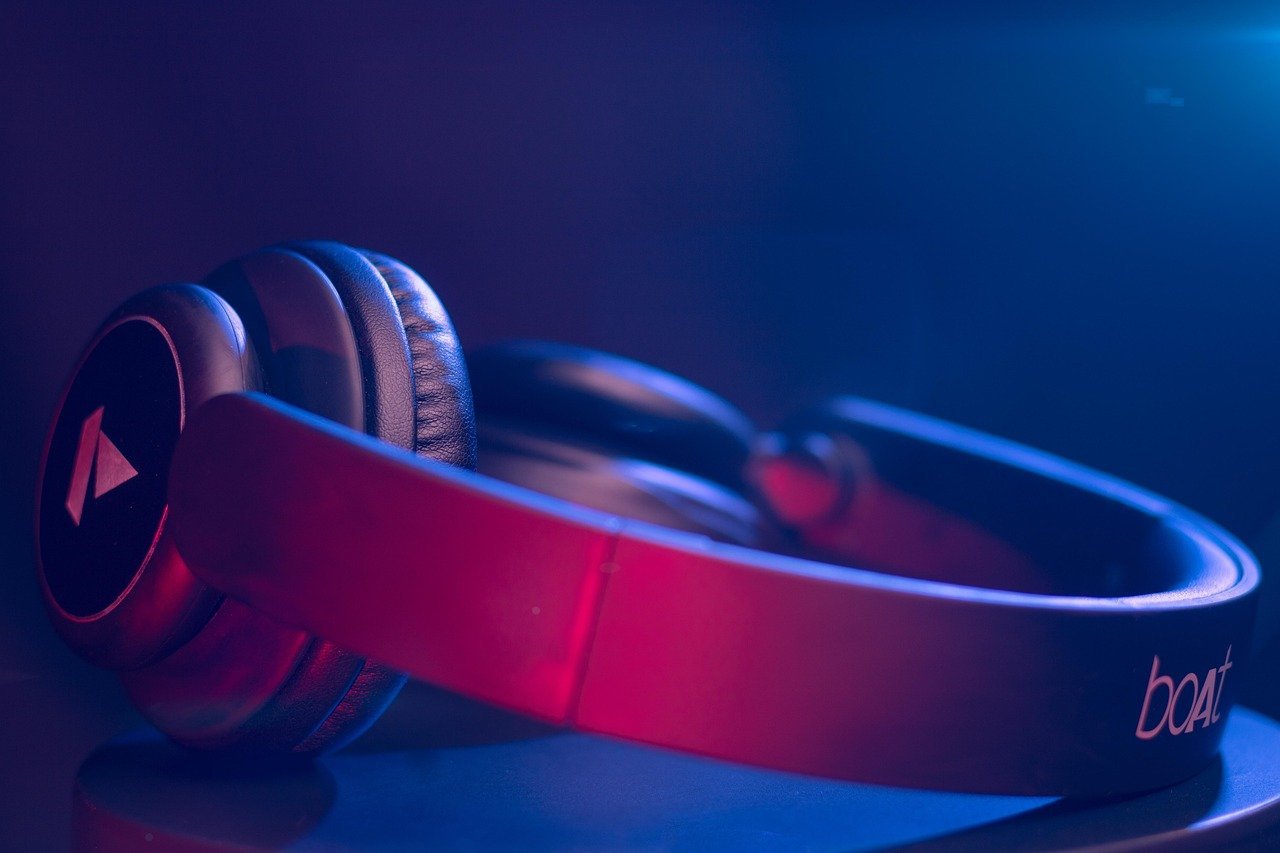
The voice assistant passively listens to ambient sounds for a wake word. This word or phrase alerts the device that the user wants to give a command. When the virtual assistant hears the wake word, it engages. Think of it like a guard dog that never fully rests – one ear always up, always scanning the room for a signal.
In order for the smart speaker to operate ideally, the microphone is always on and ready to pick up speech. Smart speakers are constantly passive listening for so-called wake words to trigger them. This is not an accident or a bug. It is a core design feature, baked in from day one.
Nearly half of those surveyed did not realize that voice assistants are always listening. Since the assistant spends most of its time in this state, it is designed to conserve power and storage. Therefore, they do not record or transmit audio while passively listening. That last part is important – but the story gets more complicated from here.
What “Passive Listening” Really Means
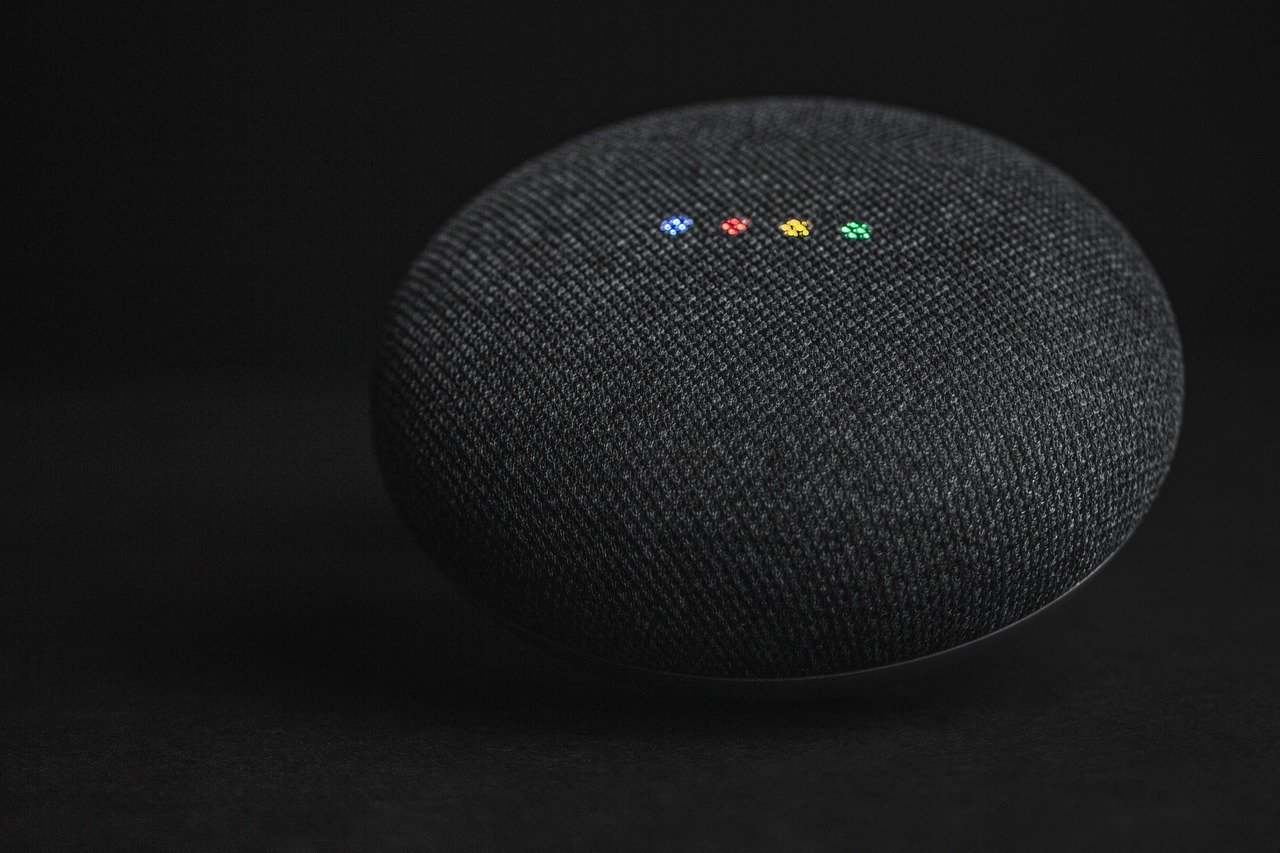
During standby mode, voice assistants listen to the environment and record snippets of audio samples to check the presence of wake-up words. A voice-activity detection module confirms the presence of voice, and then extracts features to feed into detection models to determine the existence of wake-up words. So yes, short audio fragments are being analyzed constantly. Every few seconds, in silence and in noise.
For most voice assistants, there is a lightweight local detector model deployed on the smart devices and a more complicated model deployed on the cloud. Only audio samples believed to contain wake-up words by the local model will be sent to the remote server. It’s a two-stage system – which sounds reassuring, until you realize how often that first stage gets it wrong.
Having a device permanently on and always listening poses important security and privacy concerns. Accidentally saying the wake-up word or any other phonetically similar words will put the assistants to record. Consequently, any conversation that follows is uploaded to the Internet. This issue could affect the users’ privacy in a situation where private or confidential conversations are accidentally leaked.
The False Wake-Up Problem Is Worse Than You Think
Using dialogue from popular television shows, researchers at Northeastern University discovered that smart speakers are often fooled into recording when they hear words other than the wake words created to summon Amazon’s Alexa, Apple’s Siri, Google Assistant, and Microsoft’s Cortana. In fact, these errors can occur once an hour. Once an hour. Honestly, I find that number shocking when you let it sink in.
The researchers reported about one false positive per hour in the most error-prone combination: Google Assistant listening to the rapid-fire dialogue of “The West Wing.” On average, the speakers logged one erroneous activation every 5 hours during the trials. The study exposed speakers to 134 hours of TV content to reach these findings – a rigorous and revealing experiment.
A Northeastern University study suggests that there are over 1,000 word combinations that could falsely activate Alexa to start listening for commands. Some of those words are common, too, such as “unacceptable” and “election.” So your perfectly innocent dinner conversation could trigger a recording session you never intended.
Amazon’s Big 2025 Privacy Rollback
In an email sent to customers, Amazon explained that the feature “Do Not Send Voice Recordings” will no longer be available beginning March 28, 2025. This was not a minor tweak. This was a fundamental shift in how the company handles your voice data – and most users never noticed it happening.
As of March 28, 2025, Amazon disabled the “Do Not Send Voice Recordings” setting on Echo devices that support on-device storage. In other words, from now on, all Alexa interactions triggered by the wake word are sent to Amazon by default, with no way to opt out of cloud processing. Let that sink in. No opt-out. No local processing. The audio goes to the cloud, full stop.
Amazon stated that “as we continue to expand Alexa’s capabilities with generative AI features that rely on the processing power of Amazon’s secure cloud, we have decided to no longer support this feature.” According to Amazon, fewer than 0.03% of customers had enabled the “Do Not Send Voice Recordings” option. A tiny fraction of users had it on – but the removal still matters symbolically and legally.
Your Voice Data Goes to the Cloud – Here’s What Happens Next

The audio of what you say is sent to the cloud and encrypted. When in the cloud, it is turned into text, and then the cloud models figure out what you meant to say, what you want done, and then route the request to the right place. It is sent back to you, and does what you asked, such as turning on a smart home light or asking about the weather.
When your smart speaker activates, it records everything from the wake word until it determines you have finished speaking. This audio file is then uploaded to Amazon Web Services or Google Cloud, where it is processed by both automated systems and, in some cases, human reviewers. Wait – human reviewers? Yes. That part is real.
It has been revealed that the top five smart home device companies have been using human contractors to analyse a small percent of voice-assistant recordings. Although the recordings are anonymised, they often contain enough information to identify the user, especially when the information is regarding medical conditions or other private conversations.
GDPR, Legal Risks, and Children’s Data

Several GDPR principles, including consent, data minimization, and the right to object, may be undermined by the removal of the opt-out setting. European regulators are watching closely, and the tension between AI-powered features and data protection law is only growing.
Alexa devices are often used in households with children. If a child speaks after the wake word, Alexa will now record and send that data to Amazon by default, even if no adult has actively agreed to it. Amazon has not explained how it verifies whether a speaker is a minor, nor how it ensures valid parental consent.
A similar issue has already surfaced in the USA – in 2023, the Federal Trade Commission fined Amazon $25 million for violating the Children’s Online Privacy Protection Act (COPPA) by retaining kids’ Alexa voice recordings indefinitely. A $25 million fine is not a slap on the wrist, but for a company Amazon’s size, it is arguably a rounding error.
The “Dead Air” Paradox – Silence Isn’t Safe Either
Here is the unsettling part that most people overlook. It is not just your commands being captured. It is the ambient audio, the background noise, the silence interrupted by a stray sound that resembles a wake word. The device is constantly scanning that silence for a trigger.
Smart speakers need to constantly listen in order to activate when the “wake word” is spoken, and are known to transmit audio from their environment and record it on cloud servers. This paper focuses on the privacy risk from smart speaker misactivations, when they activate, transmit, and/or record audio from their environment when the wake word is not spoken.
Always-listening devices are a potent force for surveillance, both within a household and on a larger scale, by companies and states. Having access to an individual’s conversations, especially in a private place like one’s home, is ripe for abuse; the possibilities are, quite literally, Orwellian. Researchers at Berkeley used exactly that word. It is hard to argue with them.
The Scale of the Market Makes This a Massive Issue
Global smart sound market revenue reached $51.6 billion in 2024, and is projected to soar to $251.1 billion by 2033 – a staggering growth rate that means hundreds of millions more always-on microphones are coming into homes worldwide. The privacy question is not going away. It is scaling up.
Users now no longer have a choice to process voice commands issued to smart speakers locally. Instead, all commands will be sent to Amazon’s cloud computing centers for processing. The more capable the AI becomes, the more cloud processing it demands – and the less data stays at home.
As AI assistants begin taking on more tasks for consumers, like planning vacations and scheduling work events, the threat to data security increases as the various algorithms swap user information and potentially open themselves to data manipulation. Convenient? Absolutely. Risk-free? Not even close.
What the Companies Say – and What Researchers Think
The fundamental issue is the lack of transparency. Users should be in control of how their data is processed and eventually deleted. That view comes from a computer science researcher at Washington University in St. Louis, and it captures the core tension perfectly.
Digital assistants are an imperfect technology – it is not surprising that they are going to inadvertently capture data they are not supposed to. When we bring these devices into our houses, this is the risk we take, that they are going to be accidentally activated and record the things we say.
Research has identified seven different types of privacy concerns around smart speakers: device hacking (cited by the majority), personal data collection, recording of private conversations, constant eavesdropping, fundamental disregard for privacy, data retention concerns, and the simply “creepy” behavior of devices. That last category – creepiness – turns out to be a legitimate and measurable user concern, not just paranoia.
What You Can Actually Do About It
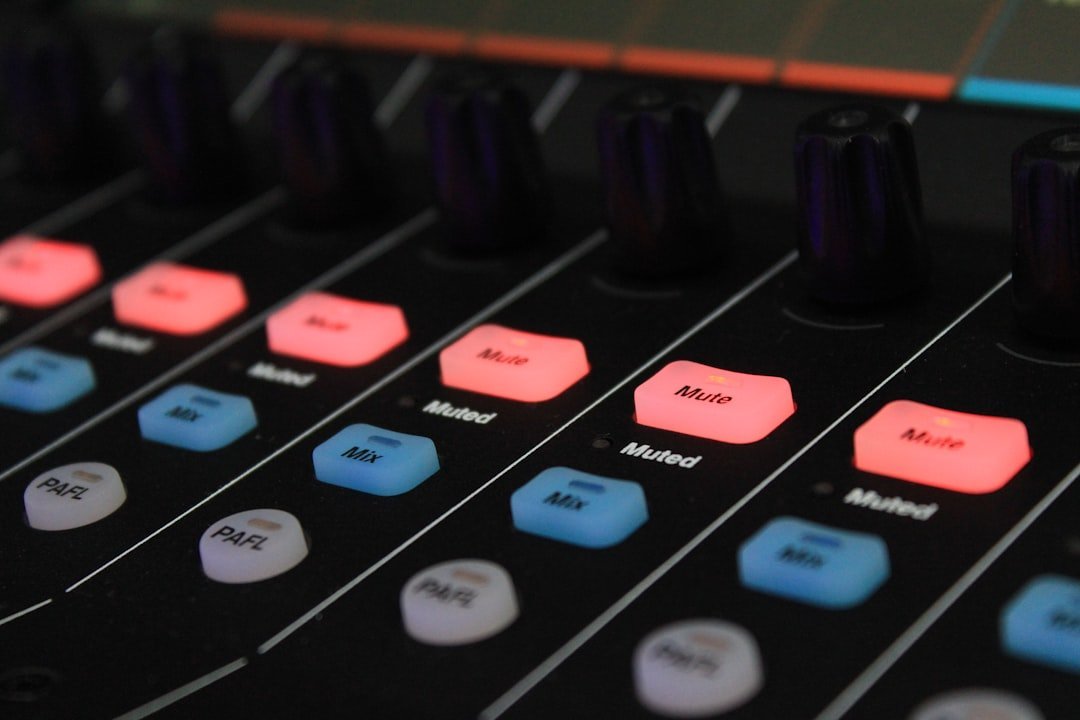
All major smart speakers include physical mute buttons that disconnect the microphones at the hardware level. This provides complete protection against voice recording. That small button on the back of your Echo is more powerful than most people realize. Use it when conversations matter.
If employees use smart home devices while working remotely, they may inadvertently record business-related conversations. Update your BYOD policy to include smart speaker usage during work hours. If you still plan to use Alexa, confine it to non-sensitive tasks and spaces – like shared break rooms. Avoid using it in boardrooms, HR offices, or anywhere client data might be discussed.
You can use the Alexa app to delete recordings automatically every 3 or 18 months. Most Echo devices also have a mute button that disables the microphone, preventing Alexa from listening. It is a small action, but combined with regular privacy setting reviews, it makes a real difference. The power is still in your hands – for now.
Conclusion: The Silence You Trusted Was Never Fully Yours

We welcomed these devices into our bedrooms, kitchens, and living rooms with open arms. They are genuinely useful. But the tradeoff has always been listening – constant, ambient, low-level listening that most of us agreed to without reading a single line of the terms of service. The “dead air” in your home is not dead at all. It is alive with audio data, being scanned, sampled, and sometimes sent far away.
The industry is not slowing down. The AI powering these assistants is only getting hungrier for data. Years ago a voice assistant arms race began between big tech companies, where they sold very cheap voice hardware because they wanted user data. They used that voice data to rapidly improve their voice capabilities at the expense of privacy. That race has not ended. It has accelerated.
The question is not whether your smart assistant is listening to the quiet moments in your home. It is. The real question is what you are going to do about it. Have you checked your voice recording settings lately?